Which fitness wearable is best for long term health?

See more of CureMed in your Google results.
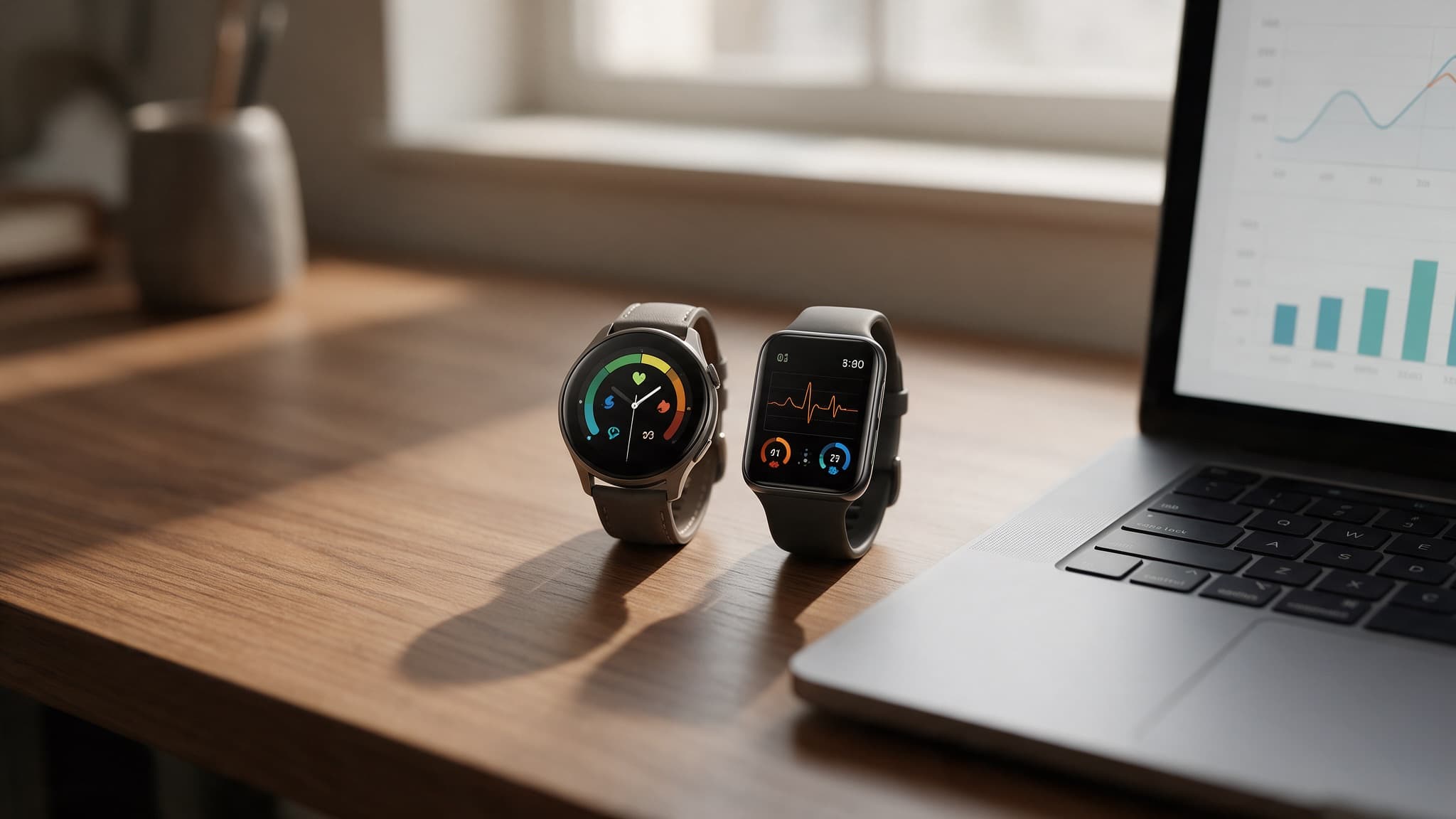
For long-term health, the best wearable is the one you'll actually keep wearing consistently for years — a feature-packed device abandoned after a few months does nothing for your long-term health. Garmin's durability and long battery life reduce the daily friction of charging and fragility. Apple Watch's cardiac monitoring features and smartphone integration create habits that support consistent wear despite needing daily charging. Fitbit's simplicity and lower cost work well for people who find more complex devices overwhelming. Oura suits people who want comfortable, sustained overnight sleep tracking. Whoop is excellent at its specific focus but comes with an ongoing subscription cost worth weighing for the long haul. Choose based on which device fits your actual habits and budget, not just the longest feature list.
'Best for long-term health' should weigh two things together: which device someone will actually keep wearing consistently for years, since a wearable abandoned after three months provides no long-term value regardless of its features, and which device best supports the specific habits with genuine long-term health evidence. Garmin ranks well for this combination, with generally longer battery life and more rugged build quality that reduces the friction of daily charging and device fragility, both practical factors in sustained years-long use, alongside well-validated training metrics that support the exercise habit most reliably linked to longevity. Apple Watch ranks well for a different reason: its cleared cardiac monitoring features and integration into daily smartphone use create habitual, low-friction engagement that supports consistent long-term wear, even though its shorter battery life is a genuine practical downside for sustained use. Fitbit ranks reasonably for long-term health specifically because of its simplicity, lower cost and long track record, which for some users translates into fewer reasons to abandon the device compared with more feature-dense options that can feel overwhelming. Oura ranks well specifically for long-term sleep trend data, given its comfortable form factor for sustained wear. Whoop, while excellent for its specific recovery-and-strain focus, involves an ongoing subscription cost that is worth weighing against long-term budget sustainability compared with a one-time device purchase. Across all options, the single factor most correlated with long-term health value is not any specific feature but whether the device is comfortable and simple enough that a person actually keeps wearing it for years, which argues for choosing based on genuine personal fit over feature-list comparisons.
- The device someone actually keeps wearing for years provides more long-term value than a feature-rich device that gets abandoned.
- Garmin's battery life and durability reduce practical friction for sustained daily use.
- Apple Watch's cardiac features and smartphone integration support habitual engagement despite shorter battery life.
- Fitbit's simplicity and lower cost can translate into fewer reasons to abandon the device for some users.
- Whoop's ongoing subscription cost is worth weighing against long-term budget sustainability.
This assessment is CureMed's, reviewed by the PharmD-led team at CureMed Labs.

Garmin
Durability and battery life reduce long-term use friction
See the full rankingWearables ranked for sustained, long-term health value
Ranked on: the combination of practical factors supporting years-long consistent use (battery life, durability, cost sustainability, comfort) and support for habits with genuine long-term health evidence.
| # | Option | Verdict | Grade |
|---|---|---|---|
| 1 | Garmin | Durability and battery life reduce long-term use friction | GRADE AEstablished |
| 2 | Apple Watch | Habitual engagement through cardiac features and smartphone integration | GRADE BPromising |
| 3 | Fitbit | Simplicity and lower cost support sustained use for some users | GRADE BPromising |
| 4 | Oura | Strong for sustained sleep-specific tracking | GRADE BPromising |
| 5 | Whoop | Excellent focus; ongoing subscription cost worth weighing | GRADE CEarly |
- 01
Garmin
GRADE AEstablishedDurability and battery life reduce long-term use frictionGenerally longer battery life and more rugged build quality reduce the daily friction of charging and device fragility that can lead to abandonment over years, combined with well-validated training metrics supporting the exercise habit most reliably linked to long-term health outcomes.
- 02
Apple Watch
GRADE BPromisingHabitual engagement through cardiac features and smartphone integrationCleared cardiac monitoring features and deep integration into daily smartphone use create low-friction, habitual engagement that supports consistent long-term wear for many users, offsetting the genuine practical downside of shorter battery life requiring daily charging.
- 03
Fitbit
GRADE BPromisingSimplicity and lower cost support sustained use for some usersA long track record, generally lower cost, and simpler interface than more feature-dense competitors can translate into fewer reasons for some users to abandon the device, an underrated factor in genuine long-term health value.
- 04
Oura
GRADE BPromisingStrong for sustained sleep-specific trackingThe ring form factor's comfort for continuous overnight wear supports long-term sleep trend data collection specifically, a genuine strength for anyone whose primary long-term health priority is sleep monitoring consistency.
- 05
Whoop
GRADE CEarlyExcellent focus; ongoing subscription cost worth weighingStrong for its specific recovery-and-strain focus, though the ongoing subscription model (rather than a one-time purchase) is a genuine factor to weigh for long-term budget sustainability compared with device-purchase alternatives.


What actually predicts years of consistent use
Practical factors affecting long-term wearability
| Factor | Why it matters for long-term health value | Strongest performer |
|---|---|---|
| Battery life | Shorter battery life means more frequent charging friction and more chances to skip wear | Garmin |
| Durability | A fragile device is more likely to be damaged and abandoned over years | Garmin |
| Comfort for continuous wear | Discomfort, especially overnight, leads to inconsistent use | Oura |
| Simplicity | Feature overload can overwhelm and discourage some users from engaging long-term | Fitbit |
| Ongoing cost | A subscription adds a recurring decision point where a device can be abandoned | One-time-purchase devices (Garmin, Fitbit, Apple Watch, Oura hardware) |
| Habitual integration (e.g., smartphone notifications) | Deeper daily integration can support more consistent wear through habit | Apple Watch |
Frequently asked questions
Which fitness wearable is best for long-term health?
It depends on which practical factors best support your own sustained use, since a device you stop wearing provides no long-term value regardless of features. Garmin ranks well for durability and battery life, Apple Watch for cardiac features and habitual engagement, Fitbit for simplicity and cost, Oura for comfortable sustained sleep tracking, and Whoop for recovery focus, with its ongoing subscription cost as a consideration.
Does battery life really matter for long-term health tracking?
Yes — a device requiring frequent charging creates friction that increases the likelihood of inconsistent wear or eventual abandonment over months and years, which matters more for actual long-term health value than any single feature, since the health benefit of a wearable depends entirely on sustained, consistent use.
Is a more expensive wearable always better for long-term health?
Not necessarily — a simpler, lower-cost device that someone actually keeps wearing consistently for years provides more genuine long-term health value than a feature-dense, expensive device that gets abandoned after a few months due to complexity, discomfort or charging friction.
Should I worry about Whoop's subscription cost for long-term use?
It's a reasonable factor to weigh: an ongoing subscription adds a recurring decision point (and cost) compared with a one-time device purchase, which some people find makes long-term commitment less certain, though Whoop's specific focus on recovery and strain remains a genuine strength for those who value that data.
Why is Oura specifically good for long-term health tracking?
The ring form factor is comfortable for many people to wear continuously, including overnight, which supports consistent long-term sleep tracking specifically — a genuine strength if sleep monitoring consistency over years is your primary health priority.
What's the single best predictor of whether a wearable will provide long-term health value?
Whether you actually keep wearing it consistently for years, which depends more on personal fit — comfort, simplicity, battery life matching your habits, and cost sustainability — than on any single feature, making genuine self-assessment of your own likely usage patterns more useful than a features-list comparison alone.
Keep reading
- Which wearable devices support the best longevity tracking?
The broader wearables evidence ranking this article draws from.
- How to choose a smartwatch for longevity tracking?
A method for making this choice for your own situation.
- What longevity routines actually help extend life expectancy?
The sustained habits this wearable should support.
- Free stack check
A sustained, long-term habit worth adding alongside any wearable.
More in Wearables & devices
- Best snoring solutions, ranked by evidence.
Mandibular advancement devices have real randomised-trial evidence for snoring and mild-to-moderate apnea; positional therapy and nasal strips rank below them.
- Which longevity tech robots offer the most accurate sensors?
Longevity robots are ranked on sensor accuracy against clinical references: validated peripherals beat camera-based fall detection and contactless vitals.
- Best longevity robots with advanced biometric monitoring sensors.
Care-programme telepresence robots rank first for biometric monitoring — validated sensors and a staffed nurse response — ahead of unvalidated consumer devices.
- How to choose longevity robots with reliable health sensors?
Choosing a longevity robot means checking each sensor's validation: attached validated devices pass; built-in contactless vitals and fall detection fail.
- High-end longevity tech robots featuring AI health sensors.
A higher price buys mobility, build quality and voice, not a validated health sensor. Enterprise telepresence robots are the only class with outcome evidence.
- What are the top-rated longevity robots for seniors?
Companion robots like ElliQ rank first for seniors, with sustained daily use and loneliness gains; PARO's best trial matched only a switched-off toy.