How to choose a smartwatch for longevity tracking?

See more of CureMed in your Google results.
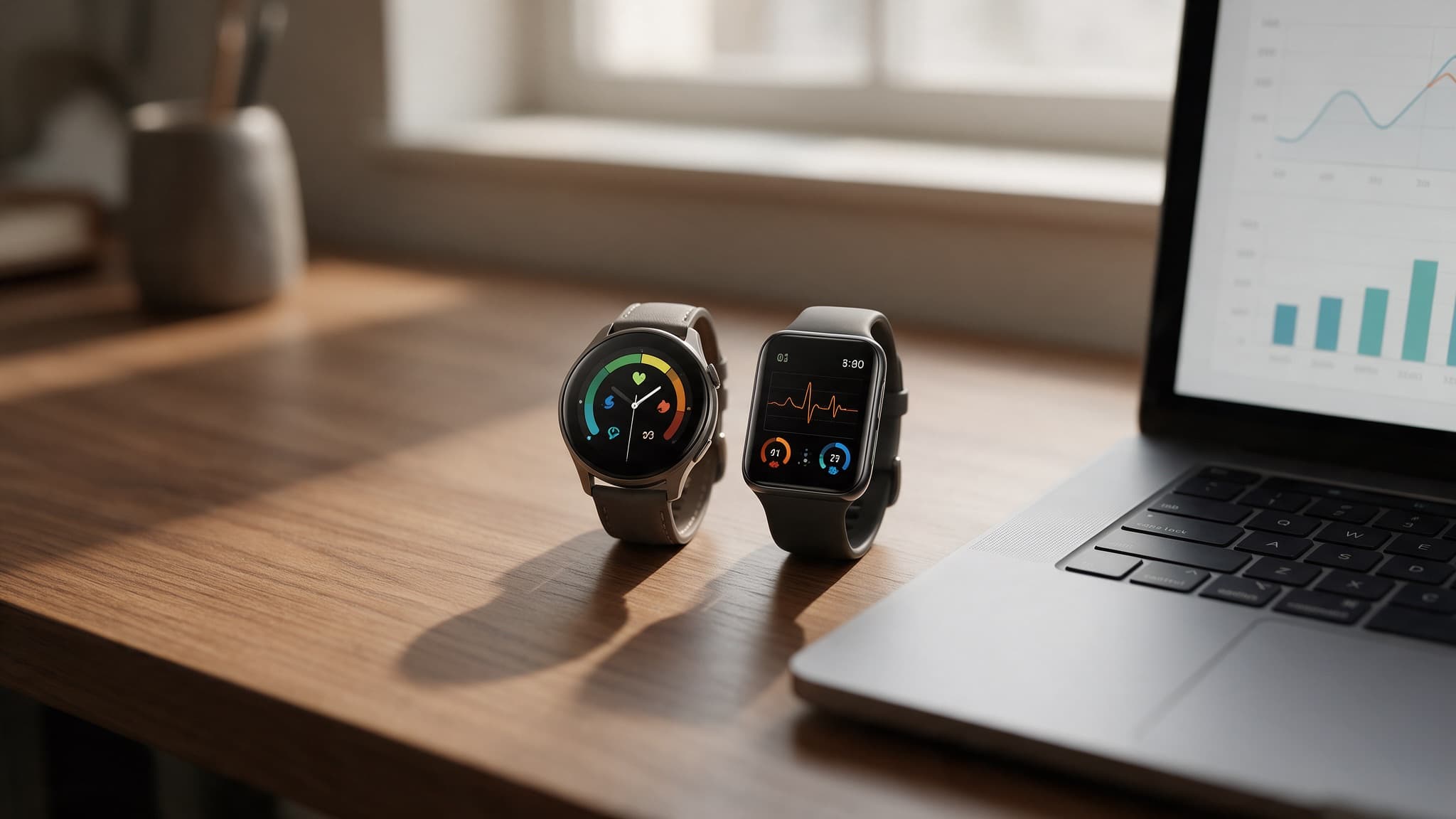
To choose a smartwatch for longevity tracking, first figure out what actually matters most to you — catching a heart rhythm problem, tracking structured exercise training, monitoring sleep, or tracking recovery — since no single watch is best at all of these. Then check whether the specific feature you care about is an actual medically cleared feature (like Apple Watch's or Samsung's heart rhythm alerts) or just a proprietary marketing score. Then think practically about battery life, comfort and cost, since the watch you'll actually keep wearing matters more than one with an impressive feature list you abandon. Finally, keep your expectations realistic about what any watch's AI wellness scores can tell you — they're not independently proven, regardless of brand.
Choosing a smartwatch for longevity tracking works best as a sequence, ranked by how much each step changes the outcome. First, identify your specific priority — cardiac safety and rhythm monitoring, structured exercise training, sleep tracking, or recovery and strain — since this narrows the field to devices that actually excel at that specific thing, rather than comparing overall feature lists. Second, check whether the feature relevant to your priority is regulator-cleared or well-validated (irregular rhythm notification on Apple Watch and Samsung Galaxy Watch, sports-science-validated training metrics on Garmin, sleep-tracking reputation on Oura) versus a proprietary, unvalidated AI wellness score, since this distinction should carry more weight than marketing language. Third, weigh practical fit factors — battery life matching your actual charging habits, comfort for your preferred wear pattern (wrist versus ring, day versus night), and total cost including any subscription — since the watch you actually keep wearing consistently provides far more long-term value than one abandoned after a few months. Fourth, set realistic expectations for what any device's AI-branded wellness scores and coaching features can and cannot currently tell you, understanding that these are proprietary and not independently validated against health outcomes regardless of brand, so they should inform rather than dictate decisions. Applied in this order, the method usually points toward Apple Watch or Samsung Galaxy Watch for someone prioritizing cardiac safety, Garmin for someone prioritizing structured training, and Oura or Whoop for someone prioritizing sleep or recovery specifically.
- Identify your specific priority first, since no single watch excels at everything.
- Check whether the relevant feature is actually cleared or validated, not just marketed as AI-powered.
- Practical fit (battery, comfort, cost) determines whether you'll actually keep wearing the device long-term.
- Set realistic expectations for proprietary wellness scores, which are not independently validated against outcomes on any brand.
- The method points to different specific devices depending on which priority is actually most important to you.
CureMed grades this on human trial evidence; animal data never raises a grade.
The four steps, ranked by importance
Ranked on: how much each step narrows and improves the eventual choice for a genuinely longevity-relevant purchase.
| # | Option | Verdict | Grade |
|---|---|---|---|
| 1 | 1. Identify your specific priority | No single watch excels at everything | GRADE AEstablished |
| 2 | 2. Check regulatory clearance or validation for the relevant feature | Separates proven features from AI-branded marketing | GRADE AEstablished |
| 3 | 3. Weigh practical fit | The watch you'll actually keep wearing matters most long-term | GRADE BPromising |
| 4 | 4. Set realistic expectations for AI wellness scores | Proprietary scores are not independently validated on any brand | GRADE BPromising |
- 01
1. Identify your specific priority
GRADE AEstablishedNo single watch excels at everythingCardiac safety, structured exercise training, sleep tracking and recovery/strain each point toward different strongest devices; deciding which matters most before comparing devices avoids the trap of comparing overall feature counts, which obscures which specific thing each device is actually best at.
- 02
2. Check regulatory clearance or validation for the relevant feature
GRADE AEstablishedSeparates proven features from AI-branded marketingFor cardiac safety, check specifically for cleared irregular rhythm notification; for training, check for published validation of the specific metrics; for sleep or recovery, check the specific brand's track record for that measurement. A device's overall 'AI health' marketing is not a substitute for this specific check.
- 03
3. Weigh practical fit
GRADE BPromisingThe watch you'll actually keep wearing matters most long-termBattery life matching your actual charging habits, comfort for your preferred wear pattern, and total cost including any subscription determine whether you'll sustain use for years, which matters more for genuine longevity value than any single feature on a device abandoned after months.
- 04
4. Set realistic expectations for AI wellness scores
GRADE BPromisingProprietary scores are not independently validated on any brandWhatever device you choose, treat its proprietary 'readiness', 'stress' or general wellness scores as personal trend indicators rather than scientifically validated measurements, since none has been independently proven against actual health outcomes regardless of brand.
Which priority points to which device
Priority-based recommendations
| Your priority | Strongest device(s) | Why |
|---|---|---|
| Cardiac safety and rhythm monitoring | Apple Watch, Samsung Galaxy Watch | Cleared irregular rhythm notification with genuine outcome evidence |
| Structured exercise training | Garmin | Well-validated sports-science training metrics with detailed sport-specific data |
| Sleep tracking specifically | Oura | Strong reputation and reasonable validation for sleep duration, comfortable overnight wear |
| Recovery and strain tracking specifically | Whoop, Garmin | Singular focus (Whoop) or well-documented methodology with broader training context (Garmin) |
| General everyday use with reasonable tracking across categories | Apple Watch, Fitbit | Broad functionality and smartphone integration without needing to specialize |
| Long-term durability and battery life priority | Garmin | Generally longer battery life and more rugged build across the lineup |
Frequently asked questions
How do I choose a smartwatch for longevity tracking?
In four steps: identify your specific priority (cardiac safety, training, sleep, or recovery); check whether the relevant feature is actually regulator-cleared or well-validated rather than just AI-marketed; weigh practical fit like battery life, comfort and cost; and set realistic expectations for proprietary wellness scores, which aren't independently validated on any brand.
What's the most important feature to check when choosing a longevity-focused smartwatch?
Whether the specific feature matching your priority is actually regulator-cleared or well-validated — for example, cleared irregular rhythm notification for cardiac safety concerns — rather than relying on general 'AI health' marketing language, which is not a substitute for checking the specific evidence behind the feature you actually care about.
Does it matter which smartwatch I choose if I'm just interested in general health?
For general use without a specific priority, devices like Apple Watch or Fitbit offer reasonable, broad functionality without needing to specialize, though you'll get more targeted value from a device chosen specifically for whichever priority — cardiac safety, training, sleep or recovery — actually matters most to your situation.
Should I prioritize battery life when choosing a health-tracking smartwatch?
It's a genuinely important practical factor, since a device requiring frequent charging is more likely to be worn inconsistently or abandoned over time, which matters more for actual long-term health value than features you won't consistently benefit from due to inconsistent wear.
How much should I trust a smartwatch's overall AI health score when choosing between brands?
Treat it as one factor among several rather than a decisive one, since these proprietary scores are not independently validated against actual health outcomes for any brand. The specific, validated features (like cleared cardiac monitoring) matching your actual priority should carry more weight in your decision than a general wellness score.
Is it worth paying more for a smartwatch with more features for longevity tracking?
Only if the additional features genuinely match your specific priority and you'll actually use them; a cheaper device with the specific validated feature you need, that you'll comfortably wear consistently, generally provides more genuine longevity tracking value than a more expensive device with features that don't match your actual goals or habits.
Keep reading
- Which AI health smartwatch is best for longevity?
The device-level ranking this method points toward.
- Which fitness wearable is best for long term health?
The practical fit factors in more depth.
- Which wearable offers most actionable longevity recommendations?
A related look at what happens after you choose a device.
- Free stack check
The medication factors that affect what any wearable measures.
More in Wearables & devices
- Best snoring solutions, ranked by evidence.
Mandibular advancement devices have real randomised-trial evidence for snoring and mild-to-moderate apnea; positional therapy and nasal strips rank below them.
- Which longevity tech robots offer the most accurate sensors?
Longevity robots are ranked on sensor accuracy against clinical references: validated peripherals beat camera-based fall detection and contactless vitals.
- Best longevity robots with advanced biometric monitoring sensors.
Care-programme telepresence robots rank first for biometric monitoring — validated sensors and a staffed nurse response — ahead of unvalidated consumer devices.
- How to choose longevity robots with reliable health sensors?
Choosing a longevity robot means checking each sensor's validation: attached validated devices pass; built-in contactless vitals and fall detection fail.
- High-end longevity tech robots featuring AI health sensors.
A higher price buys mobility, build quality and voice, not a validated health sensor. Enterprise telepresence robots are the only class with outcome evidence.
- What are the top-rated longevity robots for seniors?
Companion robots like ElliQ rank first for seniors, with sustained daily use and loneliness gains; PARO's best trial matched only a switched-off toy.