What longevity routines actually help extend life expectancy?

See more of CureMed in your Google results.
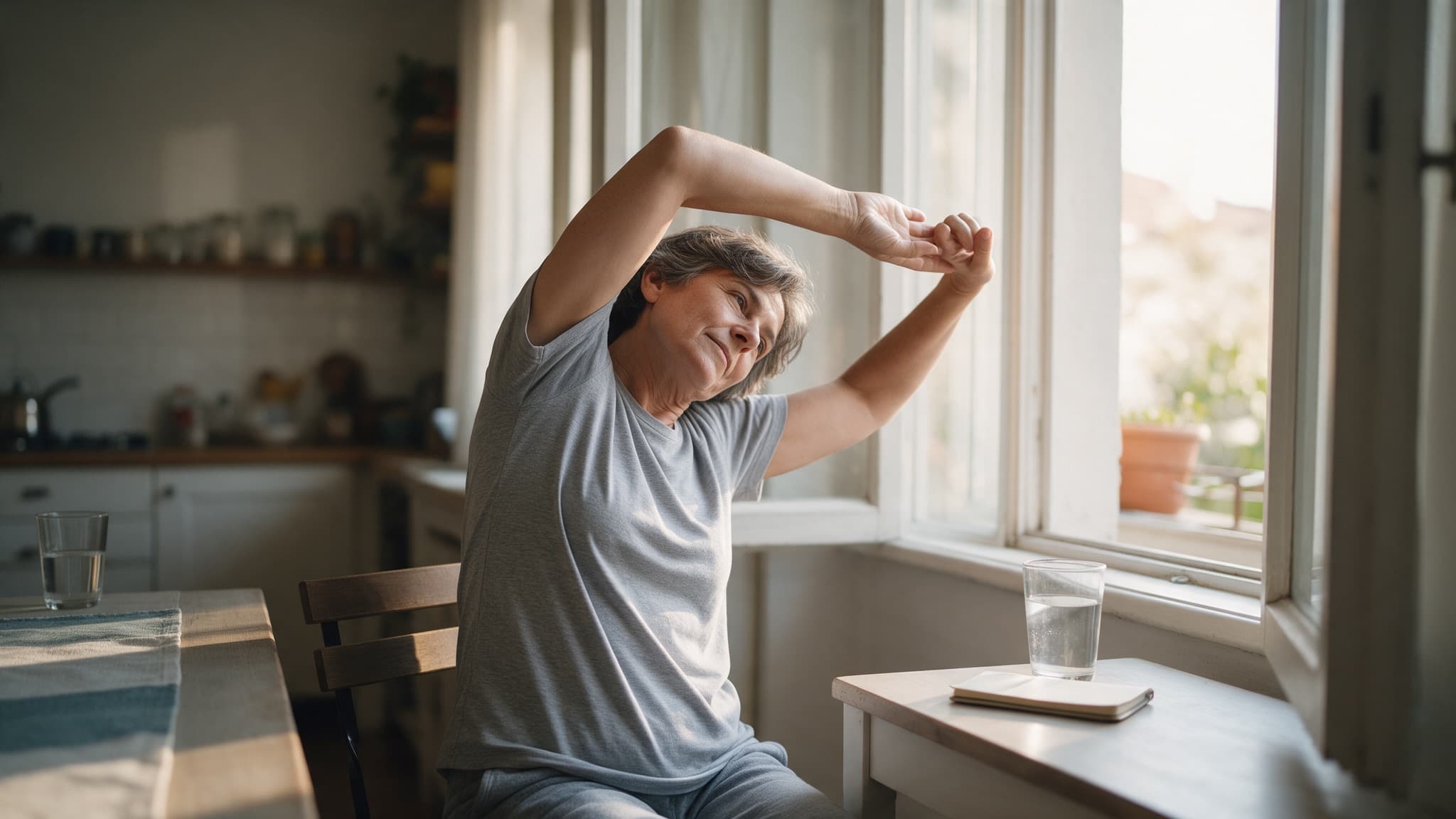
A longevity routine that actually helps is built from consistency, not novelty: the same sleep and wake time every day, regular structured exercise combining cardio and strength work, a repeatable healthy meal pattern, a fixed routine for taking medicines and booking screenings, and scheduled time with other people. The parts of a 'longevity routine' that get the most attention online — cold plunges, saunas, extreme fasting windows — have the least evidence of the bunch.
A longevity routine extends life expectancy to the extent its individual components have outcome evidence, and routines built entirely from evidence-backed parts look less exciting than the ones sold online. Ranked: a consistent sleep and wake schedule first, since circadian regularity itself (not just sleep duration) is associated with better metabolic and cardiovascular outcomes in cohort studies; structured exercise combining aerobic and resistance work second, because routine (rather than sporadic) activity produces the dose-response mortality benefit seen in trials; a repeatable, plant-forward meal pattern third, because consistency is what makes a good diet sustainable rather than a two-week experiment; adherence routines for medication and screening fourth — a fixed time to take blood-pressure or cholesterol medication and a calendar reminder for due screenings, which matters because non-adherence quietly erases the benefit of otherwise-good treatment; social and connection routines fifth, scheduled contact rather than incidental contact, given the mortality association of loneliness; and, distinctly lower, the biohacking additions marketed as the exciting part of a longevity routine — cold plunges, saunas, extreme intermittent fasting windows, infrared devices — which have small studies, plausible mechanisms and no outcome evidence at the scale claimed. A routine built from the top five items, executed consistently, does more for life expectancy than any amount of optimisation on the sixth.
- Circadian regularity — consistent sleep and wake times — has its own evidence separate from sleep duration.
- Routine, scheduled exercise produces the mortality benefit seen in trials; sporadic effort does not show the same effect in cohorts.
- Medication and screening adherence is an underrated routine component — good treatment only works if it's actually followed.
- Scheduled social contact belongs in a longevity routine on the strength of the loneliness-mortality evidence.
- Saunas, cold exposure and extreme fasting protocols are the least-evidenced, most-marketed part of any longevity routine.
This assessment is CureMed's, reviewed by the PharmD-led team at CureMed Labs.
Routine components ranked by evidence for life expectancy
Ranked on: the strength of evidence that the routine component, done consistently over time, is associated with or shown to improve life expectancy or major health outcomes.
| # | Option | Verdict | Grade |
|---|---|---|---|
| 1 | Consistent sleep and wake times | Circadian regularity has its own evidence, separate from duration | GRADE AEstablished |
| 2 | Structured, routine exercise (aerobic + resistance) | Routine produces the dose-response benefit seen in trials | GRADE AEstablished |
| 3 | A repeatable, plant-forward meal pattern | Consistency makes the diet sustainable, not the specific meal | GRADE AEstablished |
| 4 | Medication and screening adherence routines | The routine that determines whether treatment actually works | GRADE AEstablished |
| 5 | Scheduled social and connection routines | Deliberate, not incidental, contact | GRADE BPromising |
| 6 | Cold exposure, saunas, extreme fasting windows, infrared devices | Small studies, plausible mechanisms, no outcome evidence at scale | GRADE CEarly |
- 01
Consistent sleep and wake times
GRADE AEstablishedCircadian regularity has its own evidence, separate from durationCohort studies find sleep regularity (consistent timing) associated with lower cardiovascular and metabolic risk independent of total sleep duration. A fixed wake time, weekends included, is a simple routine anchor with real evidence behind it.
- 02
Structured, routine exercise (aerobic + resistance)
GRADE AEstablishedRoutine produces the dose-response benefit seen in trialsThe mortality benefit of activity comes from sustained, repeated activity, not from occasional intense effort. Scheduling exercise into fixed days and times, combining aerobic work with resistance training, reflects how the trials that established the benefit were actually structured.
- 03
A repeatable, plant-forward meal pattern
GRADE AEstablishedConsistency makes the diet sustainable, not the specific mealA small rotation of go-to meals built around vegetables, legumes, whole grains and fish is easier to sustain for years than an elaborate meal plan, and sustained adherence is what produces the outcome-trial benefits seen with Mediterranean-style eating.
- 04
Medication and screening adherence routines
GRADE AEstablishedThe routine that determines whether treatment actually worksA fixed time and place for taking blood-pressure, cholesterol or diabetes medication, paired with a calendar system for due screenings and vaccinations. Non-adherence is common and quietly erases much of the benefit that clinical trials demonstrate — this is the most overlooked 'longevity routine' component.
- 05
Scheduled social and connection routines
GRADE BPromisingDeliberate, not incidental, contactGiven the mortality association of loneliness, a routine that schedules regular contact — a weekly call, a standing group activity — treats social connection with the same deliberateness as exercise, which the evidence suggests it deserves.
- 06
Cold exposure, saunas, extreme fasting windows, infrared devices
GRADE CEarlySmall studies, plausible mechanisms, no outcome evidence at scaleSauna use has some cohort association with cardiovascular outcomes in specific populations (notably Finnish studies); cold exposure and extreme time-restricted eating have smaller and more mixed evidence. None has the outcome-trial depth of the five items above, and they are frequently the only part of a 'longevity routine' that gets marketed.
Building the routine, in order of priority
How to sequence a longevity routine
| Priority | Component | First step |
|---|---|---|
| 1 | Sleep/wake consistency | Pick one wake time and hold it for two weeks, weekends included |
| 2 | Structured exercise | Fix three days a week; alternate cardio and resistance |
| 3 | Meal pattern | Choose 5–7 go-to meals and rotate them |
| 4 | Medication/screening adherence | Set a phone alarm for meds; calendar every screening due date |
| 5 | Social routine | Schedule one recurring social commitment weekly |
| 6 | Optional additions (sauna, cold exposure, fasting) | Add only after 1–5 are solid, and treat as experimental |
Frequently asked questions
What longevity routines actually help extend life expectancy?
Ranked by evidence: consistent sleep and wake times, structured routine exercise combining aerobic and resistance training, a repeatable plant-forward meal pattern, medication and screening adherence routines, and scheduled social connection. Additions like cold exposure, saunas and extreme fasting windows have smaller, more mixed evidence and rank well below these five.
Does the timing of sleep matter as much as the amount?
Cohort studies find sleep regularity — consistent timing, including weekends — associated with lower cardiovascular and metabolic risk independent of total sleep duration. A fixed wake time is a simple, evidence-backed routine anchor on its own.
Why is medication adherence included in a 'longevity routine'?
Because non-adherence quietly erases much of the benefit that clinical trials demonstrate for blood-pressure, cholesterol and diabetes medications. A fixed routine for taking medicines — same time, same place, paired with refill reminders — is as much a longevity intervention as exercise, and it's the one most routine guides skip entirely.
Are cold plunges and saunas worth adding to a longevity routine?
Sauna use has some cohort evidence for cardiovascular benefit in specific populations; cold exposure and extreme fasting have smaller and more mixed evidence. Both are reasonable optional additions once the core five routine components (sleep, exercise, diet, adherence, social connection) are solid, but neither has outcome-trial evidence at the scale often claimed.
How long does it take for a longevity routine to show benefits?
Depends on the component: blood pressure and cholesterol respond to consistent medication within weeks; fitness improvements from regular exercise show within months; the mortality-level benefits seen in cohort studies reflect years of sustained routine, which is why consistency matters more than any single week's effort.
What's the single most overlooked part of a longevity routine?
Screening and medication adherence. Most longevity routine advice focuses on exercise, diet and sleep, and skips the unglamorous work of actually taking prescribed medication on schedule and keeping up with due cancer screenings and vaccinations — which is where a lot of preventable illness and death actually occurs.
Keep reading
- How can I extend life through daily habits?
The individual habits behind this routine, ranked separately.
- Longevity plan to extend life with minimal lifestyle changes
A lighter-touch version of the same routine.
- Step by step longevity blueprint to extend lifespan
A more detailed build-out of the same sequence.
- Free stack check
Check whether your medication routine is actually working for you.
More in Protocols & lifestyle
- How can I extend life through daily habits?
Not smoking is the single biggest driver of a longer life, followed by physical activity, diet quality, sleep and social connection — ranked here by evidence.
- What are the most effective ways to extend life?
Quitting smoking is the most effective way to extend life, ranked ahead of blood pressure control, vaccination, diet, exercise, and cancer screening.
- Which diet changes best extend life and vitality?
A plant-forward whole-food diet ranks first for extending life and vitality, backed by PREDIMED trial evidence for fewer cardiovascular events.
- Evidence based strategies to extend life and healthspan.
A complete evidence-based strategy spans four domains: lifestyle habits rank first with the largest evidence base, then risk factors, screening and function.
- Longevity plan to extend life with minimal lifestyle changes.
Ranked by return on effort: one-time actions like vaccination, screening and quitting smoking beat ongoing habits for a minimal-effort longevity plan.
- Holistic longevity program to extend life and wellness.
Physical health fundamentals rank first in a genuinely holistic longevity program; mental health and social connection carry mortality risk just as strong.