What are the top-rated longevity robots for seniors?

See more of CureMed in your Google results.
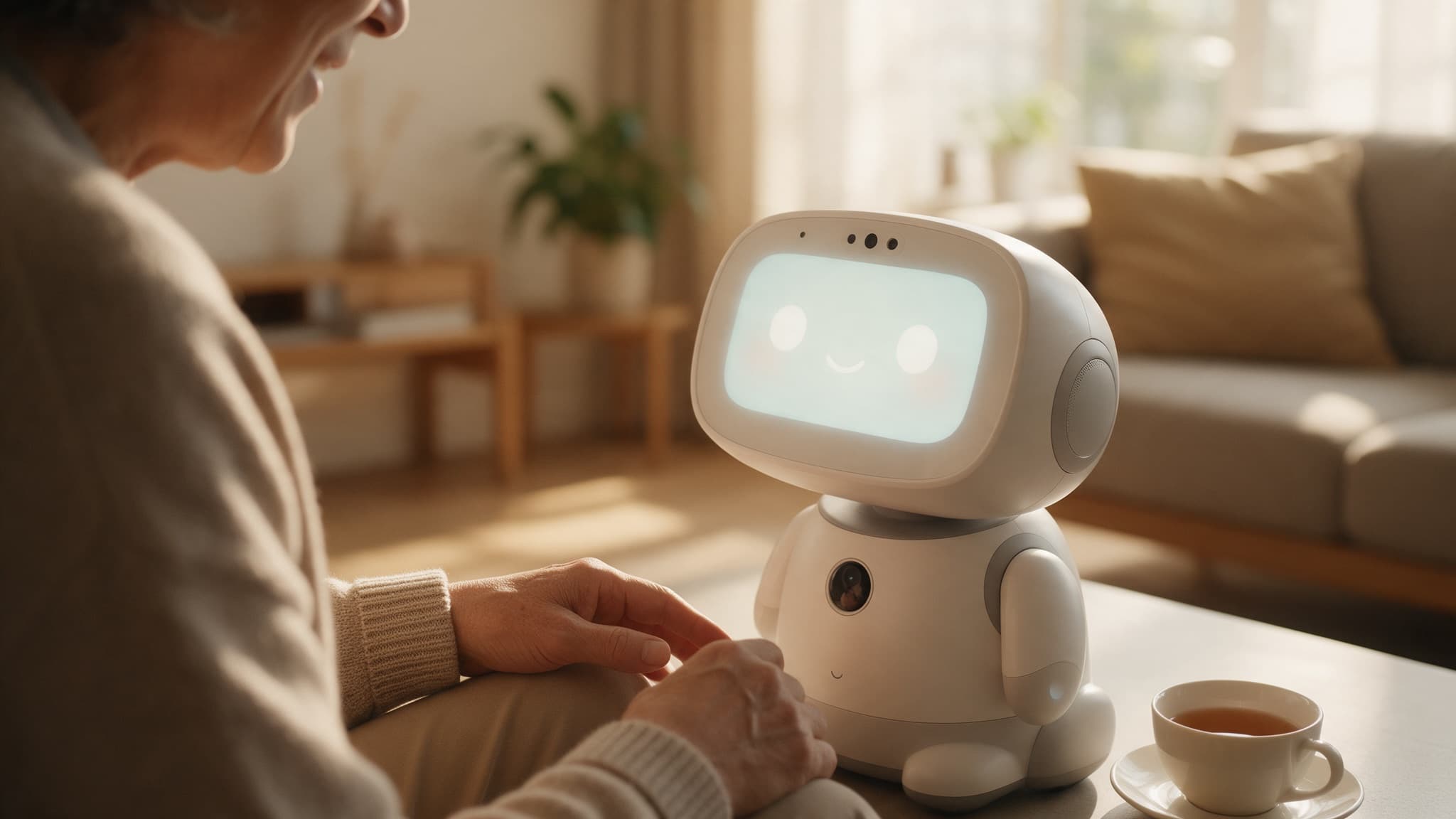
The top-rated robots for seniors are the ones built for company: ElliQ-style proactive companions that talk, check in and remind, which older adults keep using; PARO-type therapeutic robots for dementia care, whose best trial showed engagement but no more benefit than a switched-off toy; telepresence robots used inside care programmes; and inexpensive robotic pets that give much of the same comfort. Home robots with fall detection are rated highly by families and poorly by evidence, and reminder robots are abandoned fastest. Nothing robotic has been shown to keep a senior independent; exercise, hearing aids and cataract surgery have.
The top-rated longevity robots for seniors, judged by trial evidence and by whether older adults keep using them past the first month, are the ones built for company rather than for monitoring, and the ranking reflects that. First: proactive companion robots — ElliQ is the defining product — which start conversations, run check-ins and reminders, and report sustained daily engagement and loneliness-score improvements in deployments with older adults living alone. Second: therapeutic robots for dementia care, led by PARO, whose evidence is the most rigorous in the category and the most sobering: in a 415-participant cluster-randomised trial it beat a switched-off look-alike plush toy on engagement only, with no difference on the validated agitation measure. Third: telepresence robots inside care programmes, top-rated by families for presence and by clinicians for relaying validated readings, with the programme's outcome evidence behind them. Fourth: robotic pets — the inexpensive cats and dogs used in care homes — which deliver much of PARO's engagement at a fraction of the cost, consistent with the plush-toy finding. Fifth: mobile home robots with cameras and fall detection, rated highly by adult children for peace of mind and poorly by the evidence, since no fall-detection device is cleared. Sixth: reminder and monitoring robots, which are abandoned fastest and have no outcome trials. The pattern across every tier is the site's tech section in miniature: robots rate well on engagement and vanish on validated endpoints, and the interventions that keep seniors independent are not robots at all.
- The robots seniors keep using are the ones that talk; the ones sold for safety are abandoned first.
- PARO has the best trial in the category, and it shows the robot matched a switched-off toy on the outcome that matters.
- Telepresence robots earn their rating from the care programme behind them.
- Robotic pets deliver most of the engagement benefit at a tenth of the price.
- No robot has shown it keeps a senior independent; balance exercise, hearing aids and cataract surgery have.
Graded by CureMed against human clinical evidence, and reviewed by CureMed Labs.
Longevity robots for seniors, ranked
Ranked on: trial evidence for any benefit; sustained use by older adults beyond the first month; honesty of the claims; and value against the non-robot alternative.
| # | Option | Verdict | Grade |
|---|---|---|---|
| 1 | Proactive companion robots (ElliQ) | Talks first; used daily; honest claims | GRADE AEstablished |
| 2 | Therapeutic robots for dementia care (PARO) | The best trial in the category; a sobering result | GRADE BPromising |
| 3 | Telepresence robots in care programmes | Presence for families; validated relays for clinicians | GRADE BPromising |
| 4 | Robotic pets | Most of the comfort at a tenth of the price | GRADE BPromising |
| 5 | Mobile home robots with cameras and fall detection | Rated by buyers for peace of mind; unsupported by evidence | GRADE CEarly |
| 6 | Reminder and monitoring robots | Abandoned fastest; no outcome trials | GRADE DInsufficient or unsafe |
- 01
Proactive companion robots (ElliQ)
GRADE AEstablishedTalks first; used daily; honest claimsElliQ initiates conversation, runs check-ins, reminders and video calls, and in deployments with older adults living alone reports high daily engagement sustained over months and improvements on loneliness measures. Health claims are limited to prompts and relays. The top-rated class because it is used, and because it does not overclaim.
- 02
Therapeutic robots for dementia care (PARO)
GRADE BPromisingThe best trial in the category; a sobering resultPARO's 415-participant cluster-randomised trial against a switched-off look-alike plush toy: more engagement with the robot, no difference on the validated agitation instrument, and the toy marginally better value per point of agitation averted. Genuinely soothing for many people with dementia; the evidence says the soothing does not require the robotics.
- 03
Telepresence robots in care programmes
GRADE BPromisingPresence for families; validated relays for cliniciansRated highly by families for the ability to 'be there' and by care programmes for relaying validated readings and video consultations. The outcome evidence is the programme's. Less useful outside one, where a tablet does most of the job.
- 04
Robotic pets
GRADE BPromisingMost of the comfort at a tenth of the priceInexpensive animatronic cats and dogs used widely in care homes and by people with dementia. Consistent with the PARO trial, they deliver engagement and comfort without robotics to speak of. Rated well by users and carers; the honest budget pick.
- 05
Mobile home robots with cameras and fall detection
GRADE CEarlyRated by buyers for peace of mind; unsupported by evidencePatrolling robots with video check-ins and fall detection. Adult children rate them highly; older adults often dislike being watched; no fall-detection device is cleared and real-home accuracy is unknown. A check-in camera on wheels.
- 06
Reminder and monitoring robots
GRADE DInsufficient or unsafeAbandoned fastest; no outcome trialsTabletop robots whose main job is medication reminders and vital-sign prompts. Reminder hardware has no outcome trials, adherence gains are unproven, and use falls off within weeks. A blister pack and a phone alarm do the job.
Which robot suits which senior
Situations and the honest recommendation
| Situation | Robot worth considering | What to pair it with | What not to buy |
|---|---|---|---|
| Lives alone, cognitively well, lonely | Proactive companion (ElliQ) | Daily call, day centre, hearing check | A monitoring robot |
| Moderate-to-severe dementia, agitation | Robotic pet; PARO if budget allows | Music, familiar routines, carer training | An 'AI doctor' robot |
| Chronic condition needing monitoring | Telepresence robot only inside a care programme | Validated cuff, scale, nurse or pharmacist | Contactless vitals robot |
| Family far away wanting reassurance | Tablet on a stand; telepresence if they will use it | Pendant alarm with a monitoring centre | Camera robot the person resents |
| Fall risk | None — no robot addresses it | Physiotherapist balance programme, hearing aids, cataract surgery, home hazards fixed | Fall-detection robot as a safety net |
| Many medicines, missed doses | None | Pharmacist blister pack, medication review, simple alarm | Reminder robot |
Frequently asked questions
What are the top-rated longevity robots for seniors?
Ranked on trial evidence and sustained use: proactive companion robots such as ElliQ first; therapeutic dementia-care robots such as PARO second; telepresence robots inside care programmes third; robotic pets fourth; mobile home robots with cameras and fall detection fifth; reminder and monitoring robots last. The robots seniors keep using are the ones that talk.
Does the PARO robot help people with dementia?
It engages many of them, and its best trial — 415 participants, cluster-randomised — found no difference on the validated agitation measure between PARO and a switched-off look-alike plush toy, with the toy marginally better value. The comfort is real; the evidence says it does not depend on the robotics, which is why robotic pets rank close behind at a fraction of the price.
Is ElliQ worth it for an older person living alone?
For someone lonely who would talk to it, deployments report high daily engagement sustained over months and improved loneliness scores, and its health claims are limited to prompts and relays. It is the top-rated class because it is used and does not overclaim. It does not replace a daily call, a day centre or a hearing check.
Can a robot keep a senior safe from falls?
No. No robot or wearable is cleared as a fall-detection or fall-risk device, and none has outcome evidence. The interventions with high-certainty evidence for fewer falls are balance and strength exercise, properly fitted hearing aids, cataract surgery and targeted home hazard reduction. A pendant alarm with a monitoring centre is the safety net; a robot is not.
Do reminder robots help seniors take their medicines?
Not demonstrably. Reminder hardware has no outcome trials, adherence gains are unproven, and these robots are abandoned faster than any other class. A pharmacist's blister pack with a simple alarm, plus a medication review to remove what is no longer needed, is the evidence-based answer.
What should families buy instead of a monitoring robot?
For reassurance, a tablet on a stand for video calls and a pendant alarm with a monitoring centre; for clinical monitoring, a validated cuff and scale inside a care programme with a nurse or pharmacist; for independence, the physiotherapist's balance programme, hearing aids and vision care. Add a companion robot if the person would enjoy one.
Keep reading
- Longevity technology
The PARO trial, the fall-detection record, and what works.
- Which robot sensors are best for long-term elderly care?
The sensors for long-term care, graded.
- High-end longevity tech robots featuring AI health sensors.
What a premium buys.
- Free stack check
The blister pack and the review.
More in Wearables & devices
- Best snoring solutions, ranked by evidence.
Mandibular advancement devices have real randomised-trial evidence for snoring and mild-to-moderate apnea; positional therapy and nasal strips rank below them.
- Which longevity tech robots offer the most accurate sensors?
Longevity robots are ranked on sensor accuracy against clinical references: validated peripherals beat camera-based fall detection and contactless vitals.
- Best longevity robots with advanced biometric monitoring sensors.
Care-programme telepresence robots rank first for biometric monitoring — validated sensors and a staffed nurse response — ahead of unvalidated consumer devices.
- How to choose longevity robots with reliable health sensors?
Choosing a longevity robot means checking each sensor's validation: attached validated devices pass; built-in contactless vitals and fall detection fail.
- High-end longevity tech robots featuring AI health sensors.
A higher price buys mobility, build quality and voice, not a validated health sensor. Enterprise telepresence robots are the only class with outcome evidence.
- Premium longevity robots with continuous vital sign sensors.
Continuous vital signs come from validated wearables, not robots — robots that relay wearable data rank highest, ahead of radar- and camera-based sensors.