Which longevity tech robots offer the most accurate sensors?

See more of CureMed in your Google results.
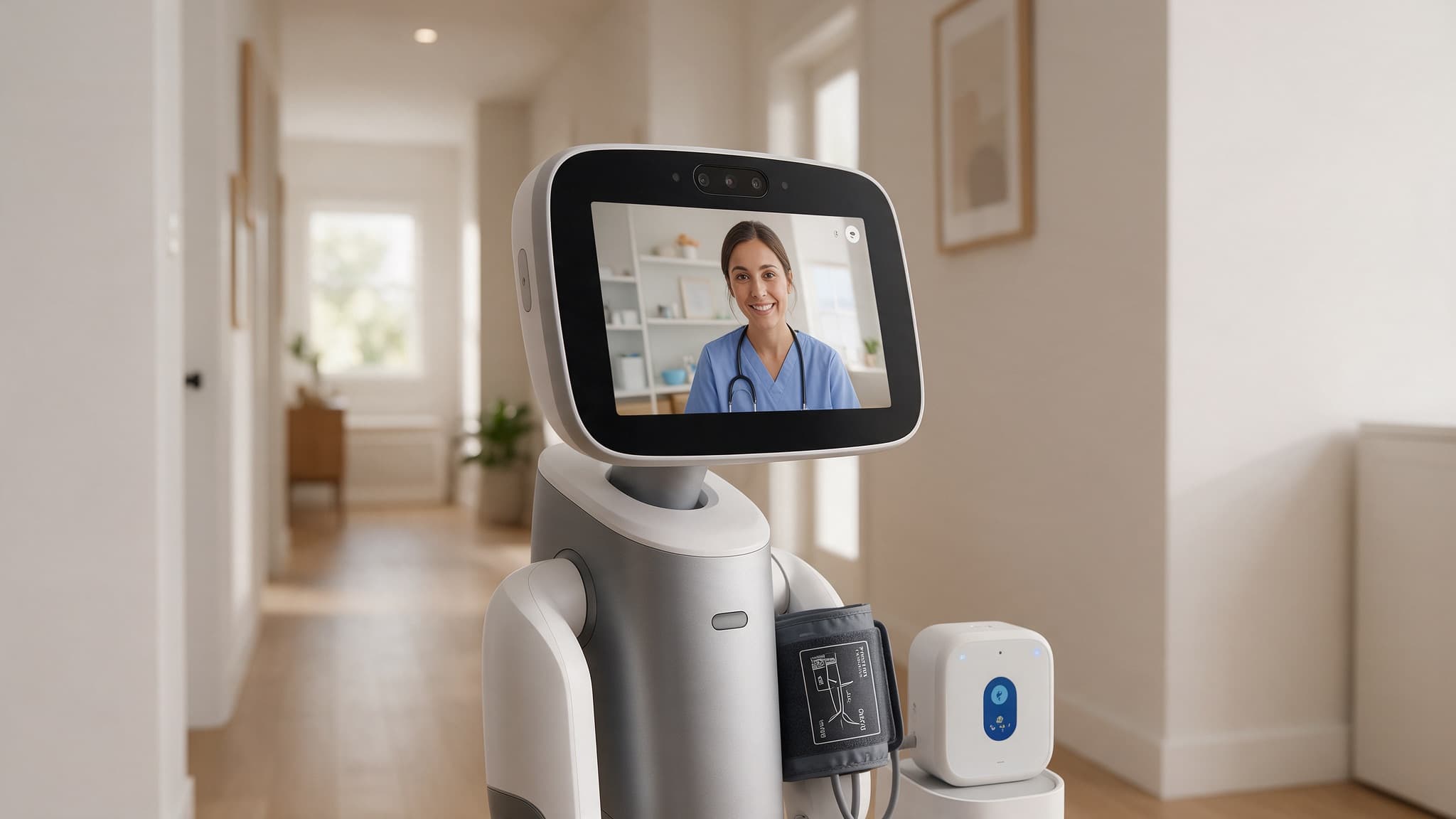
The most accurate sensors on longevity robots are the regulated medical devices they connect to — a validated blood-pressure cuff, oximeter, scale or glucose meter relayed to a care team by a telepresence or monitoring robot. Companion robots like ElliQ and PARO have accurate sensors for conversation and engagement and make no clinical claims; mobile home robots' camera-based fall detection is unvalidated and uncleared; reminder robots dispense accurately but have not been shown to improve outcomes; and consumer 'health robots' that read heart rate, breathing or blood pressure from a camera or radar are selling a lab demonstration as a measurement.
A robot's sensor is only accurate in a useful sense when it has been validated against a clinical reference for the measurement it claims, and by that test the most accurate sensors on longevity robots are the ones the robot did not build: the validated blood-pressure cuff, pulse oximeter, scale and glucose meter that a telepresence or monitoring robot connects to. Ranked on validated accuracy: telepresence and monitoring robots that integrate validated peripheral devices and relay readings to a care team first, because every reading comes from a regulated sensor and a person acts on it; social companion robots such as ElliQ and PARO second, whose sensors — microphones, cameras, touch — are accurate for what they do (conversation, engagement) and make no clinical claims, with trial evidence for engagement and none for outcomes; mobile home robots with camera and depth sensing for activity and fall detection third, technically capable and unvalidated as fall-risk or fall-detection devices, since no regulator has cleared one; reminder and dispensing robots fourth, accurate at dispensing and unproven at improving adherence or outcomes; and consumer 'AI health robots' with contactless radar or camera vital-sign sensing last, whose heart-rate and breathing estimates are unvalidated outside the lab and whose blood-pressure claims are not measurements. The site's tech section states the pattern: devices perform on their own instrument and disappear on a validated endpoint, and a robot's sensor is no exception.
- The most accurate sensor on a care robot is usually a regulated peripheral it connects to, not one it contains.
- Companion robots' sensors are accurate for engagement and claim nothing clinical, which is honest.
- No fall-detection or fall-risk device — robot or wearable — is regulator-cleared as such.
- Contactless vital-sign sensing on consumer robots is a research capability sold as a measurement.
- A robot that relays a validated cuff reading to a nurse has a more accurate sensor than one that estimates blood pressure from your face.
CureMed grades this on human trial evidence; animal data never raises a grade.
Longevity robot classes ranked on sensor accuracy
Ranked on: whether the sensor's output has been validated against a clinical reference for the claimed measurement; regulatory clearance for the claim; and whether the reading reaches someone who can act on it.
| # | Option | Verdict | Grade |
|---|---|---|---|
| 1 | Telepresence and monitoring robots with validated peripherals | Regulated sensors, relayed to a person | GRADE AEstablished |
| 2 | Social companion robots (ElliQ, PARO and peers) | Accurate for engagement; no clinical claim | GRADE BPromising |
| 3 | Mobile home robots with camera-based activity and fall detection | Capable in the lab; uncleared and unvalidated in homes | GRADE CEarly |
| 4 | Reminder and dispensing robots | Accurate dispensing; unproven adherence and outcomes | GRADE CEarly |
| 5 | Consumer 'AI health robots' with contactless vital-sign sensing | Research capability sold as measurement | GRADE DInsufficient or unsafe |
- 01
Telepresence and monitoring robots with validated peripherals
GRADE AEstablishedRegulated sensors, relayed to a personRobots such as temi and the health-system telepresence platforms used in home-care programmes, connected to validated upper-arm cuffs, pulse oximeters, scales and glucose meters, with readings relayed to a nurse or pharmacist. The robot's own sensors handle navigation and video; the clinical numbers come from cleared devices. Accurate because the measurement is not the robot's.
- 02
Social companion robots (ElliQ, PARO and peers)
GRADE BPromisingAccurate for engagement; no clinical claimMicrophones, cameras, touch and proximity sensors that serve conversation, reminders and engagement. ElliQ reports engagement and loneliness-score changes in deployments; PARO's cleanest trial beat a switched-off plush toy on engagement only, with no difference on the validated agitation instrument. The sensors do what they claim; the claims are not clinical, which is the honest position.
- 03
Mobile home robots with camera-based activity and fall detection
GRADE CEarlyCapable in the lab; uncleared and unvalidated in homesRobots with depth cameras and computer vision that patrol, detect a person on the floor, and alert a contact. Fall detection in real homes — lighting, furniture, pets, a person deliberately on the floor — has no independent validation and no regulator has cleared any device, robot or wearable, as a fall-risk or fall-detection device. Useful as a check-in camera; not a safety sensor.
- 04
Reminder and dispensing robots
GRADE CEarlyAccurate dispensing; unproven adherence and outcomesRobots and robotic dispensers that release the right dose at the right time and log whether it was taken. Dispensing accuracy is high; evidence that adherence or outcomes improve is thin, and the site's tech section notes reminder hardware has no outcome trials. A pharmacist's blister pack does the same job for a fraction of the price.
- 05
Consumer 'AI health robots' with contactless vital-sign sensing
GRADE DInsufficient or unsafeResearch capability sold as measurementRobots claiming heart rate, breathing rate, 'stress' or blood pressure from camera-based photoplethysmography or millimetre-wave radar. The techniques are real research; the products are unvalidated outside controlled conditions, uncleared, and the blood-pressure claim in particular is an estimate that no regulator accepts for clinical use.
Robot sensors, what they measure, and whether it is validated
Sensor types on longevity robots and their validation status
| Sensor | Claimed measurement | Validated against a reference? | Cleared for the claim? | Fit for |
|---|---|---|---|---|
| Connected upper-arm cuff | Blood pressure | Yes (validated-device lists) | Yes | Treatment decisions |
| Connected pulse oximeter | SpO₂, pulse | Yes | Yes | Clinical monitoring |
| Connected scale / glucose meter | Weight / glucose | Yes | Yes | Heart failure, diabetes monitoring |
| Microphone and speech recognition | Conversation, distress words | For speech, yes | n/a | Engagement, reminders |
| Depth camera / computer vision | Activity, posture, fall | Not in homes | No — no cleared fall-risk device exists | Check-ins |
| Touch and proximity | Interaction | For interaction | n/a | Companionship |
| Camera rPPG | Heart rate, 'stress' | Lab only | No | Demonstration |
| mmWave radar | Breathing, heart rate, presence | Lab and limited field | No for vital signs | Presence detection |
| Any contactless method | Blood pressure | No | No | Nothing clinical |
Frequently asked questions
Which longevity tech robots offer the most accurate sensors?
Ranked on validated accuracy: telepresence and monitoring robots that integrate regulated peripheral devices (cuff, oximeter, scale, glucose meter) and relay readings to a care team first; social companion robots such as ElliQ and PARO second, accurate for engagement with no clinical claim; mobile home robots with camera-based fall detection third, uncleared and unvalidated in homes; reminder and dispensing robots fourth; consumer 'AI health robots' with contactless vital-sign sensing last.
Can a robot detect falls reliably?
Not in a validated sense. Camera- and radar-based fall detection works in controlled tests and has no independent validation in real homes with variable lighting, furniture, pets and people deliberately on the floor. No regulator has cleared any device — robot or wearable — as a fall-risk or fall-detection device. Treat robot fall alerts as a check-in prompt, not a safety system.
Are companion robots' sensors accurate?
For what they claim — speech, touch, proximity, engagement — yes. ElliQ and PARO make no clinical measurement claims, which is the honest position. Their trial record is about engagement: PARO beat a switched-off look-alike plush toy on engagement only, with no difference on the validated agitation instrument.
Can a robot measure blood pressure without a cuff?
No. Camera- and radar-based blood-pressure estimation is a research technique, unvalidated outside the laboratory and not accepted by any regulator for clinical use. A robot that connects to a validated upper-arm cuff measures blood pressure; a robot that estimates it from your face does not.
Do medication-dispensing robots improve adherence?
They dispense accurately and log what was taken; evidence that adherence or outcomes improve is thin, and reminder hardware has no outcome trials. A pharmacist's blister pack with a simple alarm does the dispensing job at a fraction of the cost, and a pharmacist's review does more for adherence than any device.
What sensors actually predict independence in older adults?
A physiotherapist's balance and gait assessment, an audiologist's hearing test and an optometrist's vision check — the assessments behind the interventions with high-certainty evidence for fewer falls: balance exercise, hearing aids and cataract surgery. No robot sensor has been shown to change whether anyone stays independent.
Keep reading
- Longevity technology
The trial record for robots, sensors and what actually preserves independence.
- Which wearable devices support the best longevity tracking?
The wearable sensors ranked the same way.
- Best AI health app for continuous heart rate monitoring.
What heart-rate sensing can and cannot tell you.
- Free stack check
The adherence intervention that works.
More in Wearables & devices
- Best snoring solutions, ranked by evidence.
Mandibular advancement devices have real randomised-trial evidence for snoring and mild-to-moderate apnea; positional therapy and nasal strips rank below them.
- Best longevity robots with advanced biometric monitoring sensors.
Care-programme telepresence robots rank first for biometric monitoring — validated sensors and a staffed nurse response — ahead of unvalidated consumer devices.
- How to choose longevity robots with reliable health sensors?
Choosing a longevity robot means checking each sensor's validation: attached validated devices pass; built-in contactless vitals and fall detection fail.
- High-end longevity tech robots featuring AI health sensors.
A higher price buys mobility, build quality and voice, not a validated health sensor. Enterprise telepresence robots are the only class with outcome evidence.
- What are the top-rated longevity robots for seniors?
Companion robots like ElliQ rank first for seniors, with sustained daily use and loneliness gains; PARO's best trial matched only a switched-off toy.
- Premium longevity robots with continuous vital sign sensors.
Continuous vital signs come from validated wearables, not robots — robots that relay wearable data rank highest, ahead of radar- and camera-based sensors.