Which AI health smartwatch is best for longevity?

See more of CureMed in your Google results.
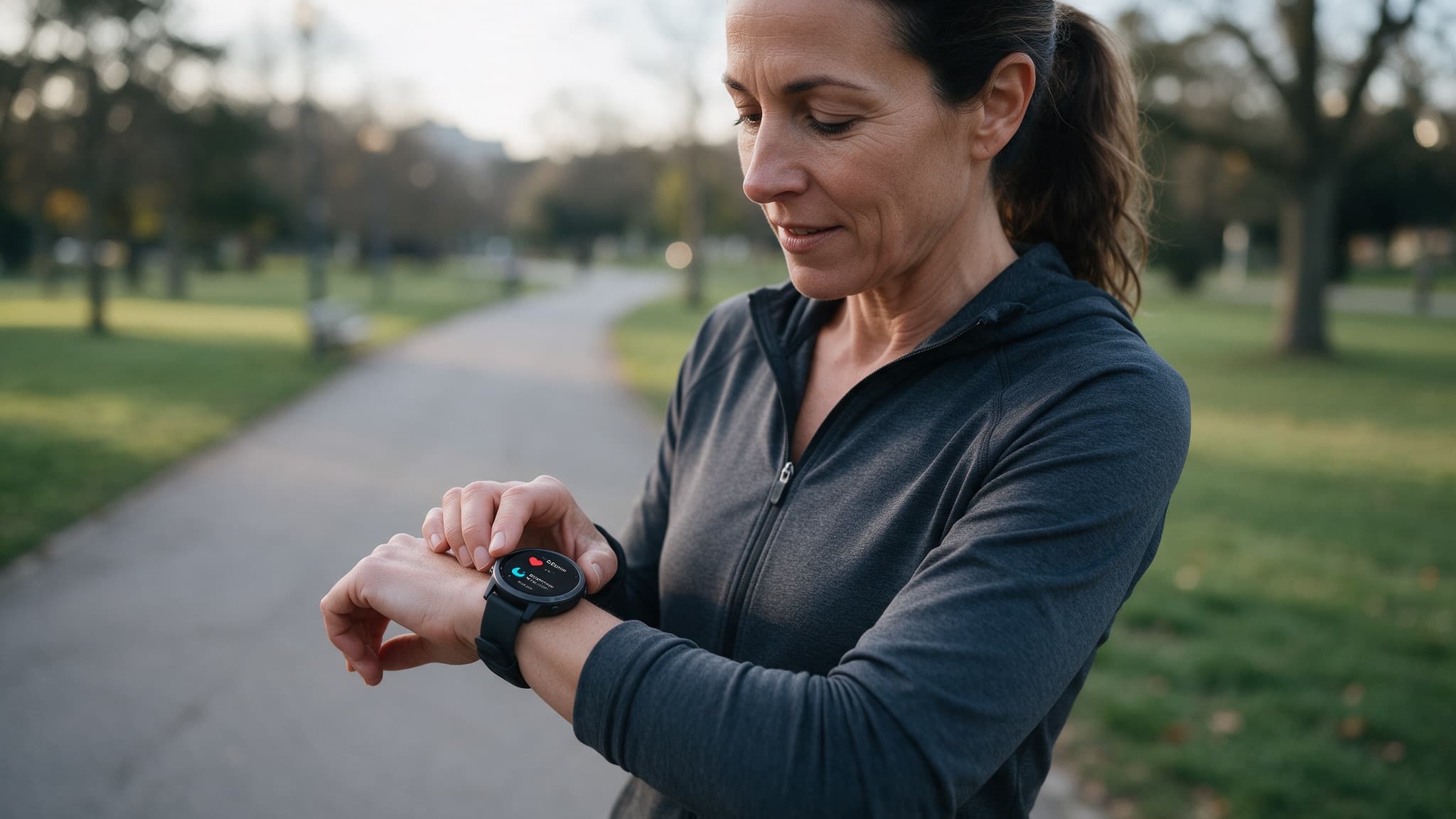
For longevity purposes specifically, Apple Watch and Samsung Galaxy Watch stand out because their irregular heart rhythm alerts and ECG features are actual cleared medical device functions that can catch a real, treatable heart condition. Garmin's training load and recovery data are built on well-validated sports-science methods, useful for guiding the exercise that most reliably predicts a longer, healthier life. Whoop specializes in recovery and strain tracking specifically. Across all of these, the flashier 'AI insights' and coaching features are proprietary and not independently proven to improve health outcomes — the real value comes from a handful of specific, validated features, not from how much AI marketing a watch uses.
The best AI health smartwatch for longevity purposes is the one whose most consequential features are regulator-cleared and validated, not the one with the most AI-branded marketing, and on that standard the field narrows quickly. Apple Watch and Samsung Galaxy Watch rank at the top for longevity-relevant purposes specifically because their irregular-rhythm notification and on-demand ECG features are cleared medical device functions with genuine outcome evidence for catching atrial fibrillation, a real and actionable cardiac finding. Garmin ranks close behind for a different reason: its training load, recovery and VO2 max estimate features, while not medical devices, are built on some of the more extensively validated sports-science algorithms in the consumer space, genuinely useful for the exercise dose that most reliably predicts longevity outcomes. Whoop ranks similarly for recovery and strain tracking specifically, with a screenless design focused entirely on that data rather than smartwatch functions generally. Across all of these devices, the honest caveat applies equally: the AI-branded 'insights', 'coaching' and wellness scores layered on top of the validated core features are proprietary and not independently validated against health outcomes, meaning the watch that is 'best for longevity' is best because of a small number of specific, validated features, not because of the AI layer marketed most heavily.
- The features that matter most for longevity are the regulator-cleared cardiac ones, present on Apple Watch and Samsung Galaxy Watch.
- Garmin's training and recovery algorithms are among the more extensively validated in the consumer sports-science space.
- Whoop specializes in recovery and strain tracking specifically, without general smartwatch functions.
- The AI-branded 'insights' and coaching layers on any of these devices are proprietary and not independently validated against health outcomes.
- No smartwatch's AI features currently change a lifespan outcome on their own; the value is in specific, validated data points used well.
CureMed ranks on published human evidence, and screens drug interactions first.

Apple Watch
Cleared cardiac features with genuine outcome relevance
See the full rankingSmartwatches ranked on validated, longevity-relevant features
Ranked on: the presence of regulator-cleared or well-validated features specifically relevant to longevity outcomes, independent of general AI marketing claims.
| # | Option | Verdict | Grade |
|---|---|---|---|
| 1 | Apple Watch | Cleared cardiac features with genuine outcome relevance | GRADE AEstablished |
| 2 | Samsung Galaxy Watch | Similar cleared cardiac features to Apple Watch | GRADE AEstablished |
| 3 | Garmin | Well-validated training and recovery algorithms | GRADE BPromising |
| 4 | Whoop | Specializes in recovery and strain tracking specifically | GRADE BPromising |
- 01
Apple Watch
GRADE AEstablishedCleared cardiac features with genuine outcome relevanceIrregular rhythm notification and on-demand ECG are cleared medical device functions with real evidence for detecting atrial fibrillation, a treatable condition with significant health consequences if undetected, making this among the most genuinely actionable smartwatch features for longevity purposes specifically.
- 02
Samsung Galaxy Watch
GRADE AEstablishedSimilar cleared cardiac features to Apple WatchOffers comparable irregular rhythm notification and ECG functionality with similar regulatory clearance in supported regions, making it a genuine alternative for the same core longevity-relevant cardiac feature set, with the choice between it and Apple Watch often coming down to ecosystem preference rather than a meaningful difference in this specific capability.
- 03
Garmin
GRADE BPromisingWell-validated training and recovery algorithmsTraining load, recovery time and VO2 max estimate features are built on some of the more extensively validated sports-science methodologies in the consumer wearable space, genuinely useful for guiding the aerobic exercise dose that most reliably predicts longevity-relevant outcomes, without the same cleared cardiac feature set as Apple or Samsung in most models.
- 04
Whoop
GRADE BPromisingSpecializes in recovery and strain tracking specificallyA screenless device focused entirely on recovery, strain and sleep tracking, with a genuinely useful and specific data set for those focused on training optimization, though without general smartwatch functions or the cleared cardiac features of Apple or Samsung.


Validated features versus AI marketing layers
What's validated versus what's proprietary marketing
| Feature type | Example | Validation status |
|---|---|---|
| Irregular rhythm notification / ECG | Apple Watch, Samsung Galaxy Watch | Regulator-cleared, genuine outcome evidence |
| Training load, VO2 max estimate | Garmin | Well-validated sports-science methodology, though estimated not directly measured |
| Recovery and strain score | Whoop | Proprietary algorithm; useful trend data, not independently outcome-validated |
| 'AI coaching' and wellness insights | All major brands | Proprietary; not independently validated against health outcomes |
| Sleep staging (light/deep/REM) | All major brands | Consumer accuracy varies; total duration and consistency more reliable than staging detail |
Frequently asked questions
Which AI health smartwatch is best for longevity?
Apple Watch and Samsung Galaxy Watch rank highest for their regulator-cleared irregular rhythm and ECG features, which can catch a real, treatable cardiac condition. Garmin ranks close behind for well-validated training and recovery data relevant to the exercise dose that predicts longevity outcomes. Whoop specializes in recovery and strain tracking. The AI-branded coaching layers on all of these are proprietary and not independently validated.
Do the AI features on smartwatches actually improve health outcomes?
The cleared cardiac features (irregular rhythm notification, ECG) have genuine outcome evidence for detecting atrial fibrillation. The broader 'AI insights' and coaching features common across brands are proprietary and have not been independently validated against actual health outcomes, which is worth distinguishing when evaluating a watch's health claims.
Is Garmin better than Apple Watch for longevity purposes?
They excel in different areas: Apple Watch has cleared cardiac features Garmin's mainstream models generally lack, while Garmin's training load and recovery data are built on well-validated sports-science methods particularly useful for guiding exercise. The better choice depends on whether cardiac monitoring or training optimization is the priority.
Is Whoop worth it compared to a full smartwatch?
For recovery and strain tracking specifically, Whoop offers a focused, well-regarded data set, but it lacks general smartwatch functions and the cleared cardiac features found on Apple Watch and Samsung Galaxy Watch, making it a reasonable specialist choice rather than a general health-tracking replacement.
Should I trust a smartwatch's 'readiness' or 'recovery' score?
These are proprietary composite scores that can be useful as a personal trend indicator, but they are not independently validated against health outcomes the way the cleared cardiac features are, so they should be treated as a rough guide rather than a scientifically established health measure.
What matters most when choosing a smartwatch for longevity?
Prioritize whether the specific features relevant to your goals are regulator-cleared or well-validated — cardiac rhythm detection for heart health concerns, sports-science-validated training metrics for exercise optimization — over the general amount of AI marketing a device uses, since the proprietary 'insights' layers common across brands are not independently proven to change health outcomes.
Keep reading
- What is the best AI tool for health tracking?
The broader ranking this smartwatch comparison draws on.
- Are Apple Watch or Garmin better for health tracking?
A direct head-to-head comparison.
- Which wearable devices support the best longevity tracking?
A broader wearables ranking beyond smartwatches specifically.
- Free stack check
Which of your medicines affect what a wearable measures.
More in Wearables & devices
- Best snoring solutions, ranked by evidence.
Mandibular advancement devices have real randomised-trial evidence for snoring and mild-to-moderate apnea; positional therapy and nasal strips rank below them.
- Which longevity tech robots offer the most accurate sensors?
Longevity robots are ranked on sensor accuracy against clinical references: validated peripherals beat camera-based fall detection and contactless vitals.
- Best longevity robots with advanced biometric monitoring sensors.
Care-programme telepresence robots rank first for biometric monitoring — validated sensors and a staffed nurse response — ahead of unvalidated consumer devices.
- How to choose longevity robots with reliable health sensors?
Choosing a longevity robot means checking each sensor's validation: attached validated devices pass; built-in contactless vitals and fall detection fail.
- High-end longevity tech robots featuring AI health sensors.
A higher price buys mobility, build quality and voice, not a validated health sensor. Enterprise telepresence robots are the only class with outcome evidence.
- What are the top-rated longevity robots for seniors?
Companion robots like ElliQ rank first for seniors, with sustained daily use and loneliness gains; PARO's best trial matched only a switched-off toy.