Which wearable offers most actionable longevity recommendations?

See more of CureMed in your Google results.
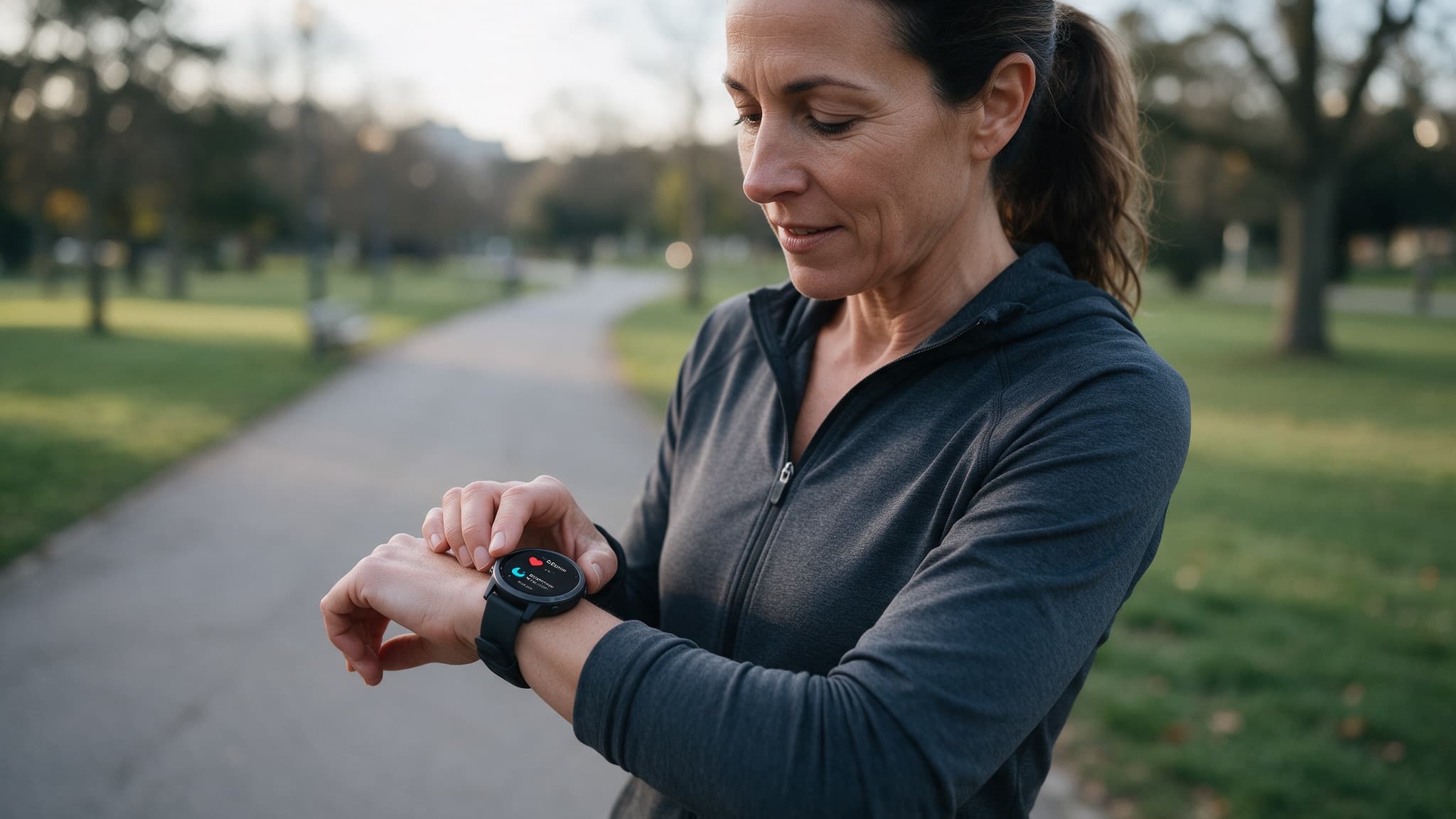
The most genuinely useful wearable recommendations are the ones that actually change based on your specific data — if your reading was different, would the advice actually be different too? Cardiac alerts pass this clearly: an irregular heartbeat reading tells you to see a doctor, a normal one doesn't. Garmin's training suggestions and Whoop's daily strain target genuinely adjust based on your actual recovery data. Sleep coaching on many devices often gives the same generic 'keep a consistent bedtime' advice regardless of your specific sleep pattern. And general 'AI wellness tips' across most brands tend to give everyone the same basic advice — move more, sleep well — no matter what their actual data shows, which isn't really personalized at all.
The test for whether a wearable's recommendation is actionable, rather than generic advice dressed in personalized-sounding language, is whether two people with genuinely different readings would receive genuinely different recommendations, and this ranking applies that test. Cardiac alert features on Apple Watch and Samsung Galaxy Watch rank highest, since an irregular rhythm notification leads to a specific, different action (see a doctor for evaluation) than a normal reading does, passing the actionability test clearly with real clinical stakes attached. Garmin's training load and recovery-based workout suggestions rank second, since a genuinely elevated training load reading leads to a different specific recommendation (reduce intensity, prioritize recovery) than a low training load reading does, representing real, specific personalization tied directly to the data. Whoop's recovery-based daily strain target rank similarly, adjusting a specific numeric target based on the individual's recovery score in a way that genuinely differs day to day and person to person. Sleep coaching features on several brands rank lower on this specific test, since while some do suggest specific bedtime adjustments based on data, many default to generic sleep hygiene advice (consistent bedtime, limit screens) regardless of the specific pattern detected, which is good advice that would apply to nearly anyone regardless of their actual data. General 'AI wellness coaching' or daily health tips featured across most brands rank lowest, since these frequently amount to the same evidence-based general advice (move more, sleep well, manage stress) delivered to users regardless of what their specific data actually shows, failing the actionability test even when a real reading was collected.
- The test: would two people with genuinely different readings receive genuinely different recommendations?
- Cardiac alerts and training-load-based workout adjustments pass this test clearly, with real personalization tied to the data.
- Whoop's daily strain target genuinely adjusts based on the individual's recovery score.
- Sleep coaching often defaults to generic advice regardless of the specific sleep pattern detected.
- General 'AI wellness coaching' frequently gives the same broad advice to everyone regardless of actual data.
CureMed ranks on published human evidence, and screens drug interactions first.
Recommendations ranked on whether they actually change based on data
Ranked on: whether two genuinely different readings from the same feature would lead to genuinely different, specific recommendations.
| # | Option | Verdict | Grade |
|---|---|---|---|
| 1 | Cardiac alerts (Apple Watch, Samsung Galaxy Watch) | Passes clearly, with real clinical stakes | GRADE AEstablished |
| 2 | Garmin training load and recovery-based workout suggestions | Genuine, specific personalization tied to training data | GRADE BPromising |
| 3 | Whoop's daily strain target | A specific numeric target that genuinely adjusts to recovery data | GRADE BPromising |
| 4 | Sleep coaching features (various brands) | Often defaults to generic advice regardless of the specific pattern | GRADE CEarly |
| 5 | General 'AI wellness coaching' or daily health tips | Frequently the same advice regardless of actual data | GRADE DInsufficient or unsafe |
- 01
Cardiac alerts (Apple Watch, Samsung Galaxy Watch)
GRADE AEstablishedPasses clearly, with real clinical stakesAn irregular rhythm notification leads to a specific, meaningfully different recommendation (seek medical evaluation) than a normal reading, representing genuine, high-stakes actionable personalization directly tied to the data collected.
- 02
Garmin training load and recovery-based workout suggestions
GRADE BPromisingGenuine, specific personalization tied to training dataAn elevated training load reading leads to a specific different suggestion (reduce intensity, prioritize recovery) than a low training load reading, representing real actionable adjustment based on the individual's actual data.
- 03
Whoop's daily strain target
GRADE BPromisingA specific numeric target that genuinely adjusts to recovery dataThe recommended daily strain target changes based on the individual's recovery score, providing a genuinely different, specific recommendation day to day that is directly tied to the data collected the previous night.
- 04
Sleep coaching features (various brands)
GRADE CEarlyOften defaults to generic advice regardless of the specific patternSome brands offer specific, data-tied bedtime adjustment suggestions, but many default to the same general sleep hygiene advice (consistent bedtime, limit screens before bed) regardless of the specific pattern detected, which is good advice that would apply broadly rather than a personalized recommendation tied to the individual's actual data.
- 05
General 'AI wellness coaching' or daily health tips
GRADE DInsufficient or unsafeFrequently the same advice regardless of actual dataBroad wellness tips featured across most brands frequently amount to standard, evidence-based general advice (move more, sleep well, manage stress) delivered similarly to users regardless of what their specific data shows, failing the actionability test even though real data was collected to generate the recommendation.
The actionability test, applied
Would different readings actually lead to different advice?
| Feature | Reading A | Reading B | Does the recommendation actually differ? |
|---|---|---|---|
| Cardiac rhythm alert | Irregular rhythm detected | Normal rhythm | Yes — seek medical evaluation vs. no action needed |
| Training load | High training load, poor recovery | Low training load, good recovery | Yes — reduce intensity vs. proceed as planned or increase |
| Whoop strain target | Recovery score 40% | Recovery score 85% | Yes — a lower vs. higher recommended strain target |
| Sleep coaching (generic version) | Fragmented sleep detected | Good sleep detected | Often not — both may receive 'maintain a consistent bedtime' advice |
| General wellness tip of the day | Any data pattern | Any different data pattern | Rarely — often the same broad advice regardless |
Frequently asked questions
Which wearable offers the most actionable longevity recommendations?
Ranked on whether recommendations actually change based on your data: cardiac alerts on Apple Watch and Samsung Galaxy Watch rank highest, since a different reading leads to a specific different action. Garmin's training load suggestions and Whoop's daily strain target also genuinely adjust to your data. Sleep coaching and general 'AI wellness' tips across most brands often default to the same advice regardless of your specific readings.
How can I tell if a wearable's recommendation is genuinely personalized?
Ask whether the recommendation would actually be different if your reading had come back meaningfully different. Cardiac alerts and training-load-based workout suggestions typically pass this test clearly. General wellness tips and much sleep coaching often fail it, giving the same broadly applicable advice regardless of the specific data.
Does Whoop give more actionable advice than a general smartwatch?
Its daily strain target genuinely adjusts based on your specific recovery score, which is a real example of actionable, data-tied personalization. General smartwatches offer different but also genuinely actionable features, particularly cardiac alerts, so the comparison depends on which specific feature is being evaluated.
Is sleep coaching on wearables actually personalized?
Some brands offer genuinely specific, data-tied bedtime adjustment suggestions, but many default to the same general sleep hygiene advice (consistent bedtime, limit screens) regardless of the specific sleep pattern detected — good general advice, but not always meaningfully personalized to your actual data.
Why do general 'AI wellness tips' on wearables feel less useful than expected?
Because they frequently amount to the same evidence-based general advice — move more, sleep well, manage stress — delivered to users regardless of what their specific data actually shows, which means the personalization is often more apparent than real, even though genuine data was collected to generate the tip.
Which specific feature should I trust most for actionable advice from a wearable?
Cardiac rhythm alerts on Apple Watch or Samsung Galaxy Watch have the clearest, highest-stakes example of genuinely actionable, data-tied recommendations. For training purposes, Garmin's training load suggestions and Whoop's strain target both genuinely adjust to your specific data in a meaningful way.
Keep reading
- Which AI health platform offers personalized wellness recommendations?
The same personalization test applied to health platforms generally.
- Which wearable provides best proactive health risk alerts?
A related ranking on the alert side specifically.
- What health wearable is best for daily coaching?
A deeper look at daily coaching features specifically.
- Free stack check
A genuinely personalized recommendation based on your actual medicines.
More in Wearables & devices
- Best snoring solutions, ranked by evidence.
Mandibular advancement devices have real randomised-trial evidence for snoring and mild-to-moderate apnea; positional therapy and nasal strips rank below them.
- Which longevity tech robots offer the most accurate sensors?
Longevity robots are ranked on sensor accuracy against clinical references: validated peripherals beat camera-based fall detection and contactless vitals.
- Best longevity robots with advanced biometric monitoring sensors.
Care-programme telepresence robots rank first for biometric monitoring — validated sensors and a staffed nurse response — ahead of unvalidated consumer devices.
- How to choose longevity robots with reliable health sensors?
Choosing a longevity robot means checking each sensor's validation: attached validated devices pass; built-in contactless vitals and fall detection fail.
- High-end longevity tech robots featuring AI health sensors.
A higher price buys mobility, build quality and voice, not a validated health sensor. Enterprise telepresence robots are the only class with outcome evidence.
- What are the top-rated longevity robots for seniors?
Companion robots like ElliQ rank first for seniors, with sustained daily use and loneliness gains; PARO's best trial matched only a switched-off toy.