Which wearable provides best proactive health risk alerts?

See more of CureMed in your Google results.
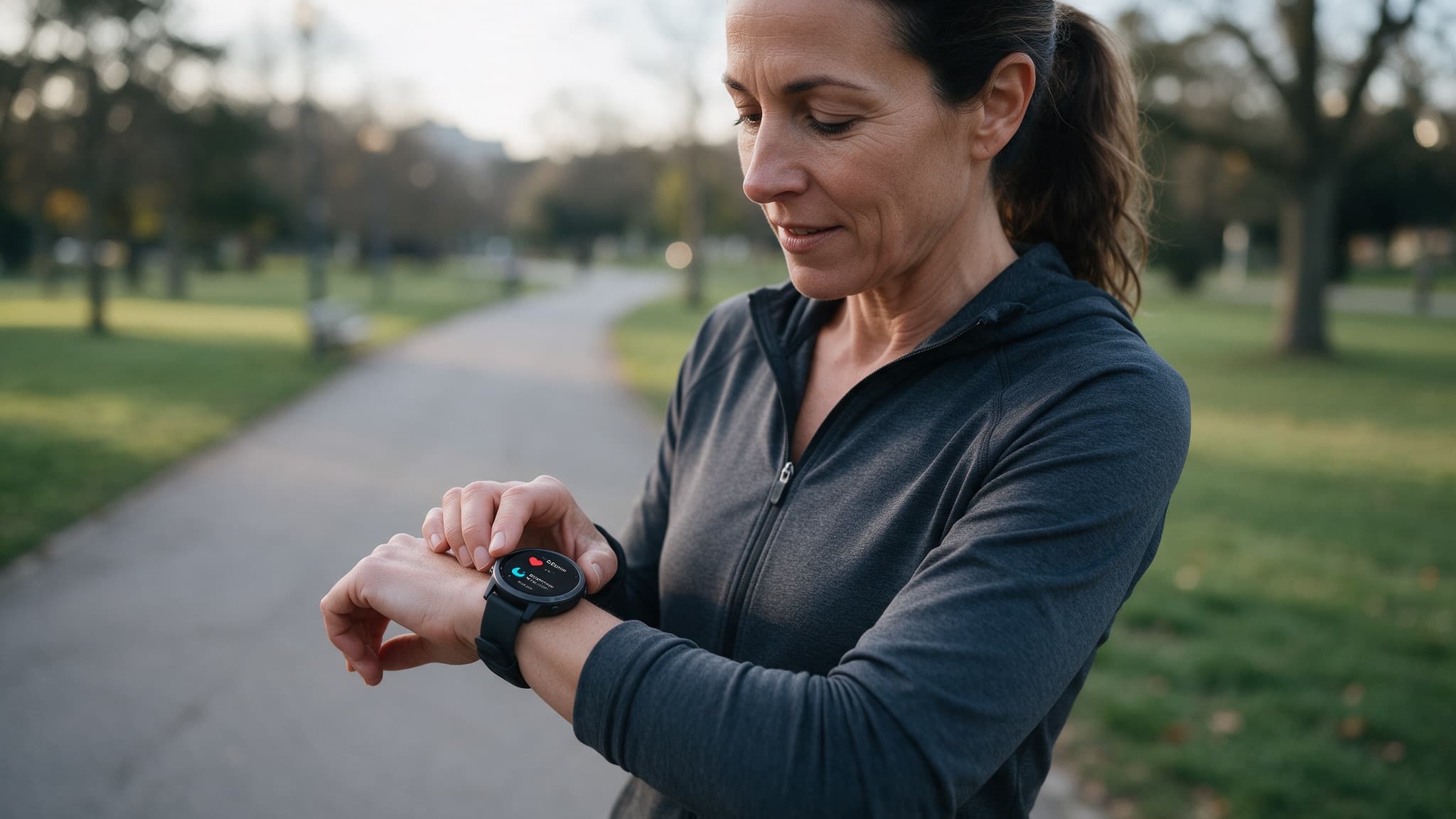
The most trustworthy 'proactive health alerts' from wearables are the ones with actual medical clearance behind them. Apple Watch and Samsung Galaxy Watch's irregular heartbeat alerts are the clearest example — they're cleared medical features with real evidence of catching a serious, treatable heart rhythm problem. Apple Watch's fall detection has real evidence of getting help to people after actual falls. Garmin's blood oxygen and abnormal heart rate alerts use solid sensor technology, though it's less clear exactly when an alert should prompt you to see a doctor. Beyond these specific, cleared features, broader 'AI predicts you're getting sick' style alerts on various brands are unproven pattern-matching, not a validated early-warning system, regardless of how confidently they're marketed.
The best proactive health risk alerts come from features with actual regulatory clearance and clinical validation, and this ranking separates those from the much larger category of heuristic 'AI-powered' alerts that sound similarly proactive but lack the same evidence base. Apple Watch and Samsung Galaxy Watch rank highest for irregular rhythm notification, a cleared feature with genuine evidence for detecting atrial fibrillation before it might otherwise be noticed, representing the clearest example of a genuinely proactive, validated health risk alert available on a consumer wearable. Apple Watch also ranks well for fall detection, a feature with real-world evidence of triggering emergency contact after genuine falls, particularly valuable for older adults living alone. Garmin ranks next for its pulse oximetry and abnormally high or low heart rate alerts, which flag readings outside expected ranges using validated sensor technology, though the clinical significance threshold for when an alert should prompt actual medical attention is less thoroughly established than for the atrial fibrillation detection on Apple Watch and Samsung devices specifically. Below these established features sit a much broader category present across several brands: general 'AI health risk' scores and predictive alerts for conditions like impending illness or metabolic issues, based on patterns in heart rate, sleep and activity data, which remain heuristic and unvalidated against actual clinical outcomes regardless of brand, meaning they should be treated as an interesting prompt to pay attention rather than a proven early-warning system.
- Irregular rhythm notification on Apple Watch and Samsung Galaxy Watch is the clearest example of a genuinely proactive, clinically validated wearable health alert.
- Apple Watch's fall detection has real-world evidence of triggering appropriate emergency response.
- Garmin's pulse oximetry and heart rate alerts use validated sensors, with less established clinical action thresholds than the cardiac rhythm features above.
- General 'AI predicts illness before symptoms' features on various brands remain heuristic and unvalidated against actual clinical outcomes.
- The proactive alerts worth trusting most are the ones with actual regulatory clearance behind them, not the ones with the most confident marketing language.
CureMed ranks on published human evidence, and screens drug interactions first.
Wearables ranked on validated proactive health alerts
Ranked on: regulatory clearance and clinical validation evidence behind the specific alert feature, distinguishing this from unvalidated heuristic 'AI' pattern-detection marketing.
| # | Option | Verdict | Grade |
|---|---|---|---|
| 1 | Apple Watch — irregular rhythm notification | The clearest example of a genuinely proactive, validated alert | GRADE AEstablished |
| 2 | Samsung Galaxy Watch — irregular rhythm notification | Comparable clearance and evidence to Apple Watch | GRADE AEstablished |
| 3 | Apple Watch — fall detection | Real-world evidence of appropriate emergency response | GRADE BPromising |
| 4 | Garmin — pulse oximetry and abnormal heart rate alerts | Validated sensors; less established action thresholds | GRADE BPromising |
| 5 | General 'AI health risk' or illness-prediction scores (various brands) | Heuristic and unvalidated against clinical outcomes | GRADE DInsufficient or unsafe |
- 01
Apple Watch — irregular rhythm notification
GRADE AEstablishedThe clearest example of a genuinely proactive, validated alertA cleared feature with genuine evidence for detecting atrial fibrillation, a treatable condition with significant health consequences if undetected, that a wearer might not otherwise notice — representing the strongest example of a proven proactive health risk alert on any consumer wearable.
- 02
Samsung Galaxy Watch — irregular rhythm notification
GRADE AEstablishedComparable clearance and evidence to Apple WatchOffers similar irregular rhythm notification functionality with comparable regulatory clearance in supported regions, making it an equally strong choice for this specific, validated proactive alert feature.
- 03
Apple Watch — fall detection
GRADE BPromisingReal-world evidence of appropriate emergency responseHas real-world evidence of detecting genuine falls and triggering emergency contact, particularly valuable for older adults living alone, representing a genuinely useful proactive safety feature distinct from the cardiac rhythm detection above.
- 04
Garmin — pulse oximetry and abnormal heart rate alerts
GRADE BPromisingValidated sensors; less established action thresholdsUses validated sensor technology to flag blood oxygen and heart rate readings outside expected ranges, though the clinical significance threshold for when such an alert should prompt actual medical attention is less thoroughly established in evidence than the atrial fibrillation detection feature on Apple Watch and Samsung devices.
- 05
General 'AI health risk' or illness-prediction scores (various brands)
GRADE DInsufficient or unsafeHeuristic and unvalidated against clinical outcomesPredictive scores for impending illness, metabolic issues or general health risk based on patterns in heart rate, sleep and activity data remain heuristic pattern-matching that has not been independently validated against actual clinical outcomes for any brand, regardless of how the feature is marketed.
What separates a validated alert from a marketing claim
Alert type and evidentiary status
| Alert feature | Regulatory status | Evidence for real-world usefulness |
|---|---|---|
| Irregular rhythm notification (Apple, Samsung) | Cleared medical device feature | Genuine evidence for detecting atrial fibrillation |
| Fall detection (Apple Watch) | Not a medical device claim, but well-documented in real use | Real-world evidence of appropriate emergency response |
| Pulse oximetry alerts (Garmin, others) | Validated sensor; not a diagnostic clearance | Reasonable sensor accuracy; less established clinical action threshold |
| 'AI predicts illness' or general health risk score (various brands) | Not regulator-cleared as a diagnostic or predictive tool | Heuristic; not independently validated against clinical outcomes |
Frequently asked questions
Which wearable provides the best proactive health risk alerts?
Apple Watch and Samsung Galaxy Watch rank highest for their cleared irregular rhythm notification feature, with genuine evidence for detecting atrial fibrillation. Apple Watch also has strong evidence for its fall detection feature. Garmin's pulse oximetry and heart rate alerts use validated sensors with less established clinical thresholds. General 'AI predicts illness' scores on any brand remain unvalidated heuristics.
Are 'AI predicts you're getting sick' wearable features real?
These features use real pattern-matching on heart rate, sleep and activity data, but the resulting predictions have not been independently validated against actual clinical outcomes for any current brand, making them heuristic and unproven rather than a validated early-warning system, regardless of the confidence with which they're marketed.
How reliable is smartwatch fall detection?
Apple Watch's fall detection has real-world evidence of appropriately detecting genuine falls and triggering emergency contact, making it a genuinely useful proactive safety feature, particularly for older adults living alone, though like any sensor-based system it can occasionally produce false positives or miss certain fall types.
Should I be concerned if my watch flags a low blood oxygen reading?
Pulse oximetry sensors on wearables like Garmin use validated technology, but the clinical significance threshold for when a specific reading should prompt medical attention is less thoroughly established than for the cardiac rhythm features on Apple Watch and Samsung devices, so a persistently abnormal reading is worth discussing with a doctor rather than relying on the watch's interpretation alone.
Is Samsung Galaxy Watch's health monitoring as good as Apple Watch's?
For irregular rhythm notification specifically, Samsung Galaxy Watch offers comparable regulatory clearance and evidence to Apple Watch, making it an equally strong choice for that specific, validated feature, while differences in fall detection and other features may vary by specific model and region.
What should I do if my smartwatch gives me a health alert?
For cleared features like irregular rhythm notification, take the alert seriously and consult a doctor for proper evaluation, since these have genuine evidence behind them. For general 'AI health risk' scores or predictive illness alerts, treat them as a prompt to pay attention to how you feel rather than as a diagnosis, and consult a doctor based on actual symptoms rather than the score alone.
Keep reading
- Best AI health app for continuous heart rate monitoring.
The underlying cardiac monitoring evidence in more depth.
- What AI health solution supports early disease detection?
The broader early-detection AI evidence, beyond wearables specifically.
- Which AI health smartwatch is best for longevity?
The broader smartwatch ranking this alert comparison feeds into.
- Free stack check
Medicines that can trigger a false heart rate or rhythm alert.
More in Wearables & devices
- Best snoring solutions, ranked by evidence.
Mandibular advancement devices have real randomised-trial evidence for snoring and mild-to-moderate apnea; positional therapy and nasal strips rank below them.
- Which longevity tech robots offer the most accurate sensors?
Longevity robots are ranked on sensor accuracy against clinical references: validated peripherals beat camera-based fall detection and contactless vitals.
- Best longevity robots with advanced biometric monitoring sensors.
Care-programme telepresence robots rank first for biometric monitoring — validated sensors and a staffed nurse response — ahead of unvalidated consumer devices.
- How to choose longevity robots with reliable health sensors?
Choosing a longevity robot means checking each sensor's validation: attached validated devices pass; built-in contactless vitals and fall detection fail.
- High-end longevity tech robots featuring AI health sensors.
A higher price buys mobility, build quality and voice, not a validated health sensor. Enterprise telepresence robots are the only class with outcome evidence.
- What are the top-rated longevity robots for seniors?
Companion robots like ElliQ rank first for seniors, with sustained daily use and loneliness gains; PARO's best trial matched only a switched-off toy.