Are Apple Watch or Garmin better for health tracking?

See more of CureMed in your Google results.
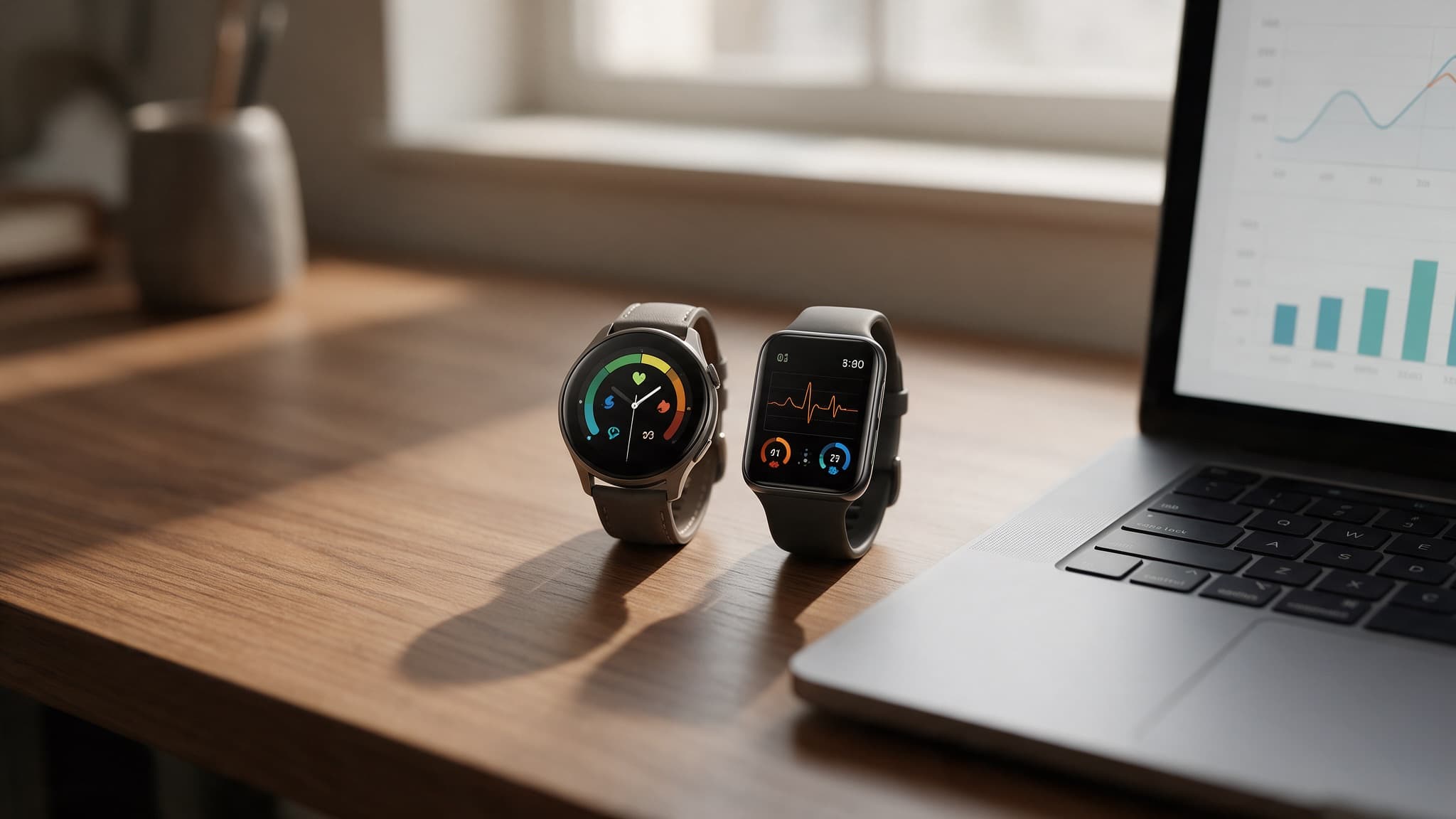
Apple Watch and Garmin are each better at different things. Apple Watch wins for cardiac health monitoring, with an actual medical-grade ECG feature and irregular heartbeat alerts that most Garmin watches don't have. Garmin wins for structured training, with more detailed and better-validated recovery and fitness metrics, plus a battery that lasts days instead of hours, which means more consistent tracking, especially overnight. If catching heart rhythm problems is your main concern, choose Apple Watch. If optimizing your training and having a watch that tracks continuously without daily charging matters more, choose Garmin.
Neither Apple Watch nor Garmin is uniformly better for health tracking; each excels in different areas, and the right choice depends on which health goal matters most. Apple Watch is better for cardiac monitoring specifically, with cleared irregular rhythm notification and on-demand ECG features that Garmin's mainstream lineup generally lacks, making it the stronger choice for someone whose primary concern is catching arrhythmias. Garmin is better for training and recovery metrics, with more extensively validated sports-science algorithms for training load, recovery time and VO2 max estimation, and significantly longer battery life that enables truly continuous, multi-day tracking without the daily charging Apple Watch requires, which matters for sleep tracking consistency and long-duration activity monitoring. Apple Watch generally offers a more polished, integrated smartphone experience and broader third-party health app ecosystem. Garmin generally offers more detailed, sport-specific metrics for structured training and typically at a lower price point for comparable tracking capability, plus multi-day battery life that some people find meaningfully improves actual long-term tracking consistency, since a watch that must be charged nightly is more often left off during sleep. For someone whose main health concern is cardiac monitoring, Apple Watch is the stronger specific choice; for someone focused on structured exercise training and consistent multi-day tracking, Garmin is generally the stronger choice.
- Apple Watch has an advantage for cardiac monitoring with cleared ECG and irregular rhythm features.
- Garmin has an advantage for training and recovery metrics with more extensively validated sports-science algorithms.
- Garmin's much longer battery life enables more consistent continuous and sleep tracking than a device requiring nightly charging.
- Apple Watch offers a more integrated smartphone experience; Garmin generally offers more sport-specific detail and often lower prices.
- The better choice depends on whether cardiac monitoring or training optimization is the primary health goal.
CureMed grades this on human trial evidence; animal data never raises a grade.
Feature-by-feature comparison
Apple Watch versus Garmin
| Category | Apple Watch | Garmin | Advantage |
|---|---|---|---|
| Cardiac monitoring (irregular rhythm, ECG) | Cleared medical device features on supported models | Limited or absent on most mainstream models | Apple Watch |
| Training load and recovery metrics | Basic; less sport-specific detail | Extensively validated, sport-specific detail | Garmin |
| Battery life | Roughly 18–36 hours, daily charging typical | Multiple days to weeks depending on model | Garmin |
| Continuous overnight tracking consistency | Depends on user charging habits, often interrupted | More consistent given longer battery life | Garmin |
| Smartphone integration and app ecosystem | More polished, broader third-party integration | More limited, though improving | Apple Watch |
| VO2 max estimate methodology | Present, less detailed methodology disclosed | More extensively validated sports-science approach | Garmin |
| Typical price for comparable tracking | Generally higher for equivalent features | Often lower for comparable tracking capability | Garmin |
| Sleep tracking presence | Present | Present, benefits from longer battery for consistency | Garmin (for consistency), roughly comparable in features |
Frequently asked questions
Are Apple Watch or Garmin better for health tracking?
Neither is uniformly better — Apple Watch has an advantage for cardiac monitoring with its cleared ECG and irregular rhythm features, while Garmin has an advantage for training and recovery metrics, battery life, and consistent multi-day tracking. The better choice depends on which health goal — cardiac monitoring or training optimization — matters most to you.
Does Garmin have an ECG feature like Apple Watch?
Most mainstream Garmin models do not have the cleared ECG and irregular rhythm notification features that Apple Watch offers; this is a specific area where Apple Watch has a genuine advantage for cardiac monitoring purposes.
Why does Garmin's longer battery life matter for health tracking?
A watch requiring nightly charging is more likely to be left off during sleep, interrupting overnight tracking consistency. Garmin's multi-day battery life enables more consistent continuous tracking, including sleep, without the charging interruptions common with Apple Watch's roughly 18 to 36 hour battery life.
Is Garmin's VO2 max estimate more accurate than Apple Watch's?
Garmin's training and recovery algorithms, including its VO2 max estimation, are generally built on more extensively validated sports-science methodology with more detailed sport-specific data, giving it an edge for users focused on structured training, though both remain estimates rather than a directly measured laboratory VO2 max.
Which watch is better for someone new to fitness tracking, not an athlete?
Apple Watch's more integrated smartphone experience and cardiac monitoring features may suit someone primarily interested in general health and safety monitoring, while Garmin's detailed training metrics are more valuable to someone already engaged in structured exercise; a casual user without specific training goals may find Apple Watch's broader ecosystem more immediately useful.
Is one brand cheaper than the other for similar features?
Garmin generally offers comparable fitness and health tracking capability at a lower price point than equivalent Apple Watch models, though Apple Watch's cardiac monitoring features and broader smartphone integration are specific value propositions not directly comparable on price alone.
Keep reading
- Which AI health smartwatch is best for longevity?
The broader smartwatch ranking this comparison feeds into.
- Whoop vs smartwatch, which optimizes performance and recovery?
A related comparison bringing in a third option.
- What smartwatch tracks sleep, HRV and stress best?
A deeper look at these specific tracking categories.
- Free stack check
How your medicines might affect what either watch measures.
More in Wearables & devices
- Best snoring solutions, ranked by evidence.
Mandibular advancement devices have real randomised-trial evidence for snoring and mild-to-moderate apnea; positional therapy and nasal strips rank below them.
- Which longevity tech robots offer the most accurate sensors?
Longevity robots are ranked on sensor accuracy against clinical references: validated peripherals beat camera-based fall detection and contactless vitals.
- Best longevity robots with advanced biometric monitoring sensors.
Care-programme telepresence robots rank first for biometric monitoring — validated sensors and a staffed nurse response — ahead of unvalidated consumer devices.
- How to choose longevity robots with reliable health sensors?
Choosing a longevity robot means checking each sensor's validation: attached validated devices pass; built-in contactless vitals and fall detection fail.
- High-end longevity tech robots featuring AI health sensors.
A higher price buys mobility, build quality and voice, not a validated health sensor. Enterprise telepresence robots are the only class with outcome evidence.
- What are the top-rated longevity robots for seniors?
Companion robots like ElliQ rank first for seniors, with sustained daily use and loneliness gains; PARO's best trial matched only a switched-off toy.