Which wearable gives most accurate recovery and strain insights?

See more of CureMed in your Google results.
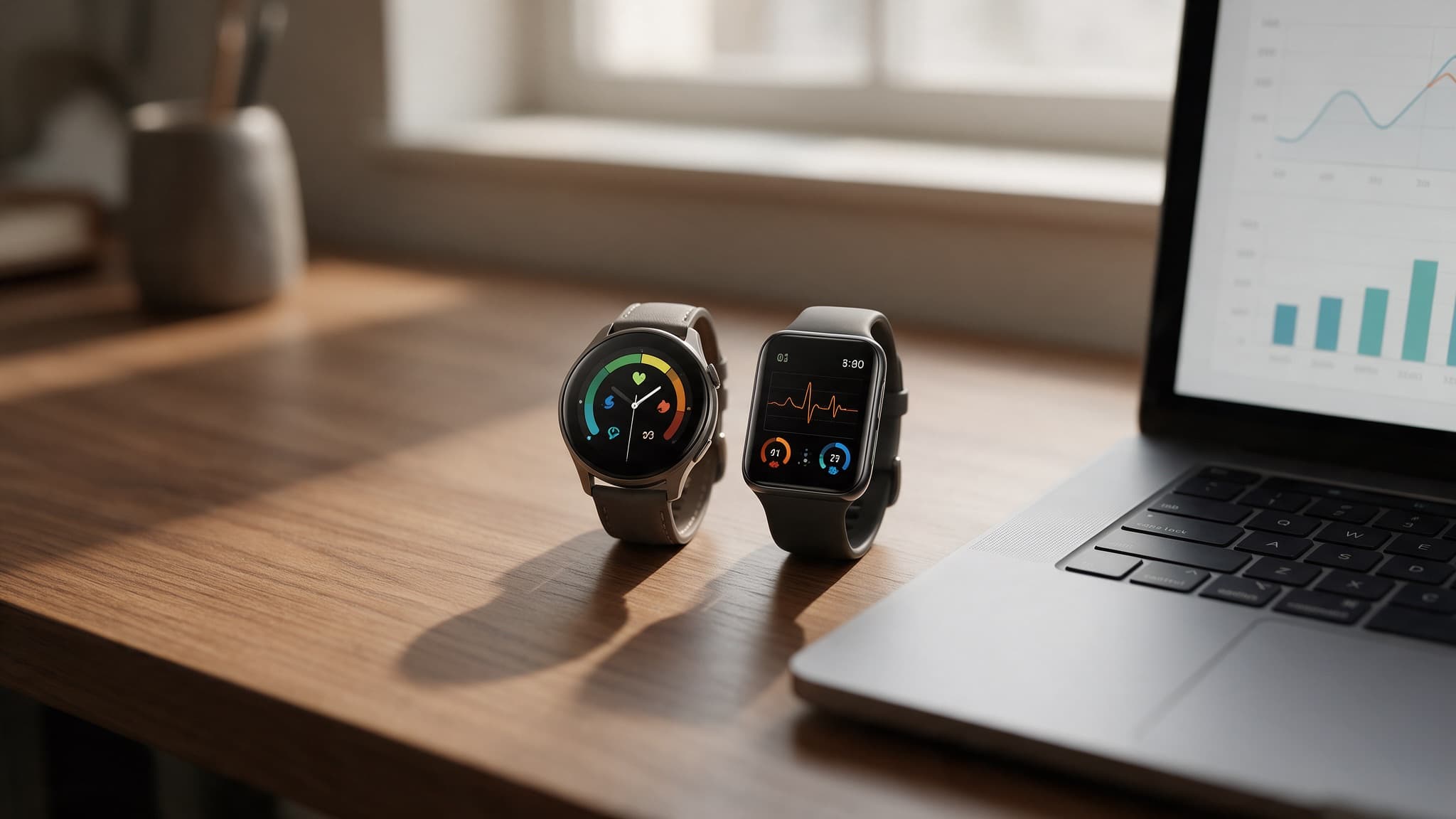
There are two different questions here: how accurately does a device measure your heart rate and heart rate variability, and how meaningful is the recovery or strain score it calculates from that data? For raw accuracy, a chest strap beats any wrist-worn device, especially during intense exercise. Among wrist-worn wearables, Whoop has the most focused approach to recovery and strain and reasonably solid validation of its underlying measurements. Garmin's training status feature draws on well-established sports science. Oura's ring form factor works well for comfortable overnight tracking feeding its readiness score. Across all of them, remember that the actual recovery or strain number is a proprietary calculation that hasn't been independently proven to predict your actual performance or health outcomes the way the raw heart rate measurement itself has been validated.
Accuracy for recovery and strain insights has two separate components worth distinguishing: how accurately the wearable captures the underlying physiological signal (heart rate, heart rate variability), and how validated the resulting proprietary score is against actual health or performance outcomes, and most comparisons conflate the two. On raw signal accuracy, chest-strap heart rate monitors rank first, since they use ECG-based sensing that is more accurate than wrist-based optical sensors, particularly during high-intensity movement, making them the gold-standard input for any recovery or strain calculation, even though they are not typically marketed as consumer 'wearables' in the smartwatch sense. Among wrist-worn devices with proprietary recovery and strain scoring, Whoop ranks highest, since its entire product is built around this specific calculation with a longer research and development history focused exclusively on it, and reasonably good published validation of its underlying heart rate variability measurement specifically. Garmin's training status and body battery features rank second, built on well-documented sports-science methodology, with slightly less singular focus than Whoop but broader integration with detailed training data. Oura ranks third, with strong sleep-tracking accuracy feeding into its readiness score, benefiting from a ring form factor that some users find more comfortable for continuous overnight wear than a wrist band. Apple Watch ranks fourth for this specific purpose, since its recovery-adjacent features are less central to the product than on Whoop or Garmin, though its underlying heart rate sensing is solid. The honest caveat across every device: even where the underlying heart rate variability signal is accurately measured, the proprietary scores built on top (a 'recovery' or 'strain' number) are not independently validated against actual performance or health outcomes the way a chest-strap heart rate reading is validated against actual heart rate.
- Accuracy of the underlying signal and validation of the resulting score are two different things, often conflated in marketing.
- Chest straps remain the gold standard for raw heart rate signal accuracy, especially during intense movement.
- Whoop has the most singular focus and reasonably good validation of its underlying HRV measurement specifically.
- Garmin's training status draws on well-documented sports-science methodology with broader training-data integration.
- No proprietary recovery or strain score is independently validated against actual outcomes the way a raw heart rate reading is.
This assessment is CureMed's, reviewed by the PharmD-led team at CureMed Labs.

Whoop
The most singular focus on this specific calculation
See the full rankingDevices ranked on underlying signal accuracy and score focus
Ranked on: the accuracy of the underlying heart rate and heart rate variability signal, and the depth of methodology and validation behind the resulting recovery or strain score.
| # | Option | Verdict | Grade |
|---|---|---|---|
| 1 | Chest-strap heart rate monitors | The gold standard for raw signal accuracy | GRADE AEstablished |
| 2 | Whoop | The most singular focus on this specific calculation | GRADE BPromising |
| 3 | Garmin (training status, body battery) | Well-documented sports-science methodology with broader training integration | GRADE BPromising |
| 4 | Oura | Strong sleep-tracking accuracy feeding a readiness score | GRADE BPromising |
| 5 | Apple Watch | Solid underlying sensing; less central focus on this specific feature | GRADE CEarly |
- 01
Chest-strap heart rate monitors
GRADE AEstablishedThe gold standard for raw signal accuracyECG-based chest strap sensing is more accurate than wrist-based optical sensors, particularly during high-intensity movement when optical sensors are most prone to error, making a chest strap the best input for any recovery or strain calculation, even though it lacks the general smartwatch functionality of wrist-worn devices.
- 02
Whoop
GRADE BPromisingThe most singular focus on this specific calculationWhoop's entire product is built around recovery and strain scoring specifically, with a longer development history focused exclusively on this calculation and reasonably good published validation of its underlying heart rate variability measurement, though the recovery score itself, like all such proprietary scores, is not independently validated against outcomes.
- 03
Garmin (training status, body battery)
GRADE BPromisingWell-documented sports-science methodology with broader training integrationBuilt on well-documented sports-science methodology with detailed integration into broader training data, offering a slightly less singular focus than Whoop but strong overall training-relevant context alongside the recovery-adjacent features.
- 04
Oura
GRADE BPromisingStrong sleep-tracking accuracy feeding a readiness scoreThe ring form factor benefits from strong sleep-tracking accuracy and is comfortable for continuous overnight wear for many users, feeding into a readiness score with the same caveat as other proprietary scores about independent outcome validation.
- 05
Apple Watch
GRADE CEarlySolid underlying sensing; less central focus on this specific featureUnderlying heart rate sensing is solid, but recovery-adjacent features are less central to the product's design and marketing than on Whoop or Garmin, making it a less specialized choice specifically for this purpose even though it remains a capable general health-tracking device.


Signal accuracy versus score validation
Two different accuracy questions
| Question | What it means | Which devices answer it best |
|---|---|---|
| Is the heart rate reading accurate? | How closely the sensor matches a clinical reference during rest and exercise | Chest straps, then most modern wrist devices at rest |
| Is the heart rate variability reading accurate? | How closely the HRV calculation matches a validated method | Chest straps; Whoop has reasonably good published validation among wrist/wearable options |
| Is the recovery/strain score meaningful? | Whether the proprietary score actually predicts performance or health outcomes | Not independently validated for any brand's proprietary score |
Frequently asked questions
Which wearable gives the most accurate recovery and strain insights?
For raw signal accuracy, a chest-strap heart rate monitor is the gold standard, especially during intense exercise. Among wrist-worn wearables, Whoop has the most singular focus on recovery and strain scoring with reasonably good validation of its underlying HRV measurement, followed by Garmin's well-documented training status features and Oura's readiness score built on strong sleep-tracking accuracy.
Is Whoop more accurate than a smartwatch for recovery tracking?
Whoop's singular focus on recovery and strain gives it reasonably good validation of its underlying heart rate variability measurement specifically, and a longer development history dedicated to this calculation than most general-purpose smartwatches, though the resulting recovery score, like other brands' proprietary scores, is not independently validated against actual outcomes.
Are recovery and strain scores scientifically proven?
The underlying signals (heart rate, heart rate variability) that feed these scores can be measured with reasonable accuracy by good devices, but the proprietary scores calculated from that data have not been independently validated against actual performance or health outcomes for any brand, which is worth understanding when deciding how much weight to give the number.
Should I use a chest strap instead of my smartwatch for accurate data?
For the most accurate raw heart rate data, particularly during high-intensity exercise when wrist-based optical sensors are most prone to error, a chest strap is genuinely more accurate. Many people use a chest strap specifically during workouts and rely on their smartwatch or ring for all-day and overnight tracking where a strap is impractical.
Why is Oura good for sleep-related recovery tracking?
The ring form factor is comfortable for continuous overnight wear for many users and Oura has built a strong reputation specifically for sleep-tracking accuracy, which feeds into its readiness score — though like other brands' scores, the readiness number itself has not been independently validated against outcomes.
Does Garmin's 'body battery' feature actually measure my energy levels?
It is a proprietary calculation built on well-documented sports-science methodology using heart rate variability and other data, providing a useful personal trend indicator, but like other brands' recovery scores it has not been independently validated against actual measured energy levels or performance outcomes.
Keep reading
- Whoop vs smartwatch, which optimizes performance and recovery?
A direct head-to-head on this specific question.
- Best AI health app for continuous heart rate monitoring.
The underlying heart rate accuracy question in more depth.
- What smartwatch tracks sleep, HRV and stress best?
A related ranking on the sleep and HRV side specifically.
- Free stack check
How medicines can affect your heart rate variability readings.
More in Wearables & devices
- Best snoring solutions, ranked by evidence.
Mandibular advancement devices have real randomised-trial evidence for snoring and mild-to-moderate apnea; positional therapy and nasal strips rank below them.
- Which longevity tech robots offer the most accurate sensors?
Longevity robots are ranked on sensor accuracy against clinical references: validated peripherals beat camera-based fall detection and contactless vitals.
- Best longevity robots with advanced biometric monitoring sensors.
Care-programme telepresence robots rank first for biometric monitoring — validated sensors and a staffed nurse response — ahead of unvalidated consumer devices.
- How to choose longevity robots with reliable health sensors?
Choosing a longevity robot means checking each sensor's validation: attached validated devices pass; built-in contactless vitals and fall detection fail.
- High-end longevity tech robots featuring AI health sensors.
A higher price buys mobility, build quality and voice, not a validated health sensor. Enterprise telepresence robots are the only class with outcome evidence.
- What are the top-rated longevity robots for seniors?
Companion robots like ElliQ rank first for seniors, with sustained daily use and loneliness gains; PARO's best trial matched only a switched-off toy.