Which robot sensors are best for long-term elderly care?

See more of CureMed in your Google results.
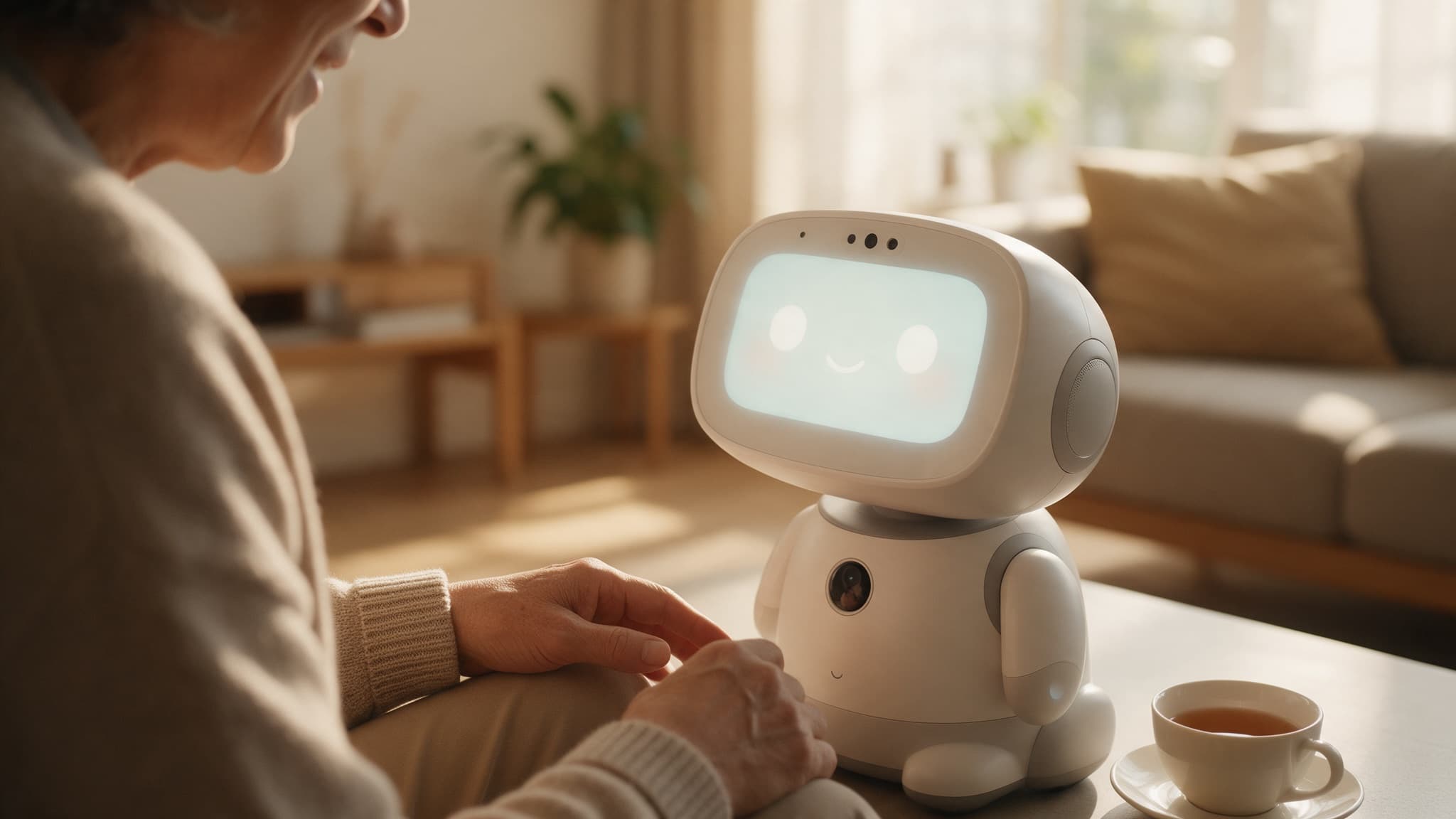
For long-term elderly care a sensor has to be tolerated for years and has to change what carers do. Attached validated devices — cuff, scale, oximeter, glucose meter — relayed by a robot or hub rank first because they are ordinary routine and drive real decisions; bed and presence sensors second, because knowing someone is in bed, breathing and up three times a night is private, tolerated and useful; ambient motion and gait sensing third, for spotting frailty trends; wearable relays fourth, where the person will wear them; voice sensors fifth, valuable for company but not as a clinical signal; and cameras last, the most information and the least accepted.
Long-term elderly care asks two things of a sensor that a demo never does: that the person tolerates it for years, and that it changes a care decision rather than adding a number. Ranked on both: attached validated devices first — the cuff, scale, oximeter and glucose meter a robot or hub relays — because they are tolerated as ordinary medical routine and their readings drive titration, diuretic adjustment and early review; bed and presence sensors second, whether radar in a robot or a mat under the mattress, because 'in bed, out of bed, breathing, up three times in the night' is tolerated, private and genuinely changes care planning for falls, infection and delirium; ambient activity sensing third — motion and door sensors, and radar gait analysis, which the site's tech section notes can detect frailty even though it cannot distinguish healthy cognition from mild impairment — tolerated because unobtrusive and useful for spotting decline over months; wearable relays fourth, valuable where the person will wear the device and abandoned where they will not, which in dementia is often; voice and conversation sensors fifth, tolerated and valued in companion robots, with no validated clinical signal despite the marketing around 'vocal biomarkers'; and camera-based monitoring last, the most information and the least tolerated, resented by many older adults and unvalidated for the fall detection it is sold on. The best long-term sensor is the one the person forgets about and the nurse acts on.
- In long-term care a sensor must be tolerated for years; cameras fail this and mats pass it.
- Attached validated devices change decisions; that is why they rank first despite being unglamorous.
- Bed and presence sensing is the quiet success of ambient care technology.
- Ambient activity sensing can detect frailty trends; it cannot diagnose cognition.
- Vocal biomarkers are marketing; conversation is valuable for a different reason.
CureMed grades this on human trial evidence; animal data never raises a grade.
Sensor types for long-term elderly care, ranked
Ranked on: tolerance over years; validation of the signal; whether the output changes a care or medication decision; and the privacy and dignity cost.
| # | Option | Verdict | Grade |
|---|---|---|---|
| 1 | Attached validated devices, relayed | Routine, validated, decision-changing | GRADE AEstablished |
| 2 | Bed and presence sensors | Private, tolerated, genuinely useful | GRADE AEstablished |
| 3 | Ambient activity sensing | Frailty trends over months; not cognition | GRADE BPromising |
| 4 | Wearable relays | Excellent when worn; often not worn | GRADE BPromising |
| 5 | Voice and conversation sensors | Valued for company; no validated clinical signal | GRADE CEarly |
| 6 | Camera-based monitoring | Most information, least tolerated, unvalidated for falls | GRADE DInsufficient or unsafe |
- 01
Attached validated devices, relayed
GRADE AEstablishedRoutine, validated, decision-changingUpper-arm cuff, connected scale, pulse oximeter, glucose meter, taken on a schedule and relayed by a robot, hub or phone into a care programme. Tolerated as ordinary medical routine, validated, and directly driving antihypertensive titration, diuretic adjustment, hypoglycaemia review and early escalation. Unglamorous and first.
- 02
Bed and presence sensors
GRADE AEstablishedPrivate, tolerated, genuinely usefulUnder-mattress mats, bedside radar, and radar in mobile robots detecting in-bed, out-of-bed, breathing and night-time rising. Tolerated because invisible; useful because night-time patterns predict falls, infection and delirium and prompt review of sedatives and diuretics timed badly. The quiet success of ambient care technology.
- 03
Ambient activity sensing
GRADE BPromisingFrailty trends over months; not cognitionMotion, door and appliance sensors plus radar gait analysis, building a picture of activity and walking speed over months. The tech section's finding: ambient sensing can detect frailty, and cannot distinguish healthy cognition from mild impairment. Useful for spotting decline and prompting a physiotherapy or medication review; not a diagnostic.
- 04
Wearable relays
GRADE BPromisingExcellent when worn; often not wornSmartwatches, pendants and patches relayed through a robot or hub, giving continuous heart rate, activity and a help button. The evidence for the sensors is good; long-term adherence in dementia and frailty is poor, and a device not worn measures nothing. Rank depends entirely on the person.
- 05
Voice and conversation sensors
GRADE CEarlyValued for company; no validated clinical signalMicrophones and speech systems in companion robots, tolerated and often enjoyed. 'Vocal biomarkers' for depression, cognition or respiratory illness are retrospective research with no validated deployment. The value of conversation in long-term care is conversation; the clinical signal is marketing.
- 06
Camera-based monitoring
GRADE DInsufficient or unsafeMost information, least tolerated, unvalidated for fallsRobot and fixed cameras for activity, posture and fall detection. Resented by many older adults, covered or unplugged, contested by families over dignity, and unvalidated in homes for the fall detection they are sold on, with no cleared device. Where consent is genuine and the need specific, a check-in tool; not a long-term monitoring backbone.
What each sensor changes in long-term care
Sensor signals and the care decisions they drive
| Signal | Sensor | Decision it changes | Pharmacist's use |
|---|---|---|---|
| Blood pressure trend | Cuff (relayed) | Titrate or deprescribe antihypertensives | Over-treatment causes falls; the third drug often goes |
| Daily weight | Connected scale | Diuretic adjustment in heart failure | Dose and timing |
| Night-time rising, time out of bed | Bed mat / radar | Falls review; infection screen; sedative and diuretic timing | Move the diuretic earlier; stop the hypnotic |
| Breathing at night | Radar / patch | Sleep-apnoea referral; respiratory review | Opioid and sedative review |
| Walking speed and activity over months | Ambient / radar gait | Physiotherapy referral; frailty review | Anticholinergic and sedative burden review |
| Glucose | CGM / meter | Hypoglycaemia prevention; regimen simplification | Deprescribe sulfonylureas in frailty |
| Heart rate and rhythm | Wearable | AF review; anticoagulation decision | Rate-control dosing |
| Voice and mood | Companion microphone | Social prescribing; carer alert | None validated |
| Video | Camera | Check-in after an alert | None |
Frequently asked questions
Which robot sensors are best for long-term elderly care?
Ranked on tolerance over years and on changing a care decision: attached validated devices (cuff, scale, oximeter, glucose meter) relayed by a robot or hub first; bed and presence sensors second; ambient activity and gait sensing third; wearable relays fourth, where the device will be worn; voice and conversation sensors fifth; camera-based monitoring last.
Why do bed sensors rank so highly for elderly care?
Because they are invisible, private and tolerated for years, and because night-time patterns — rising repeatedly, long periods out of bed, changed breathing — predict falls, infection and delirium and prompt reviews of badly timed diuretics and sedatives. Few sensors combine that acceptance with that decision value.
Can ambient sensors detect dementia?
No. Ambient activity and gait sensing can detect frailty and decline in activity over months, which is useful for prompting a physiotherapy or medication review; the site's tech section notes it cannot distinguish healthy cognition from mild cognitive impairment. Cognitive assessment is clinical.
Are cameras appropriate for monitoring older adults at home?
Rarely as a long-term backbone. They are the most information-rich sensor and the least tolerated — covered, unplugged, resented — and they are unvalidated for the fall detection they are sold on, with no cleared device anywhere. Where a person has genuinely consented for a specific purpose, a camera can be a check-in tool after an alert; it should not be the monitoring system.
Do vocal biomarkers from companion robots detect illness?
Not in any validated deployment. Voice-based detection of depression, cognitive decline or respiratory illness is retrospective research with level-1 evidence at best. The microphone in a companion robot is valuable for conversation, reminders and a call for help; the 'vocal biomarker' layer is marketing.
What does a pharmacist do with long-term care sensor data?
Reduce medicines. A low or falling blood-pressure trend means the third antihypertensive should go before it causes a fall; night-time rising means the diuretic moves earlier and the hypnotic stops; slowing gait prompts a review of anticholinergic and sedative burden; hypoglycaemia readings mean sulfonylureas are deprescribed in frailty. The sensors find the problem; deprescribing is usually the fix.
Keep reading
- Longevity technology
Ambient sensing, frailty detection and what preserves independence.
- Smart longevity care robots with fall detection sensors.
The fall-detection claim examined.
- What are the top-rated longevity robots for seniors?
The robots seniors keep using.
- Free stack check
The deprescribing review the sensors point to.
More in Wearables & devices
- Best snoring solutions, ranked by evidence.
Mandibular advancement devices have real randomised-trial evidence for snoring and mild-to-moderate apnea; positional therapy and nasal strips rank below them.
- Which longevity tech robots offer the most accurate sensors?
Longevity robots are ranked on sensor accuracy against clinical references: validated peripherals beat camera-based fall detection and contactless vitals.
- Best longevity robots with advanced biometric monitoring sensors.
Care-programme telepresence robots rank first for biometric monitoring — validated sensors and a staffed nurse response — ahead of unvalidated consumer devices.
- How to choose longevity robots with reliable health sensors?
Choosing a longevity robot means checking each sensor's validation: attached validated devices pass; built-in contactless vitals and fall detection fail.
- High-end longevity tech robots featuring AI health sensors.
A higher price buys mobility, build quality and voice, not a validated health sensor. Enterprise telepresence robots are the only class with outcome evidence.
- What are the top-rated longevity robots for seniors?
Companion robots like ElliQ rank first for seniors, with sustained daily use and loneliness gains; PARO's best trial matched only a switched-off toy.