Best smartwatch for HRV, sleep, and stress monitoring.

See more of CureMed in your Google results.
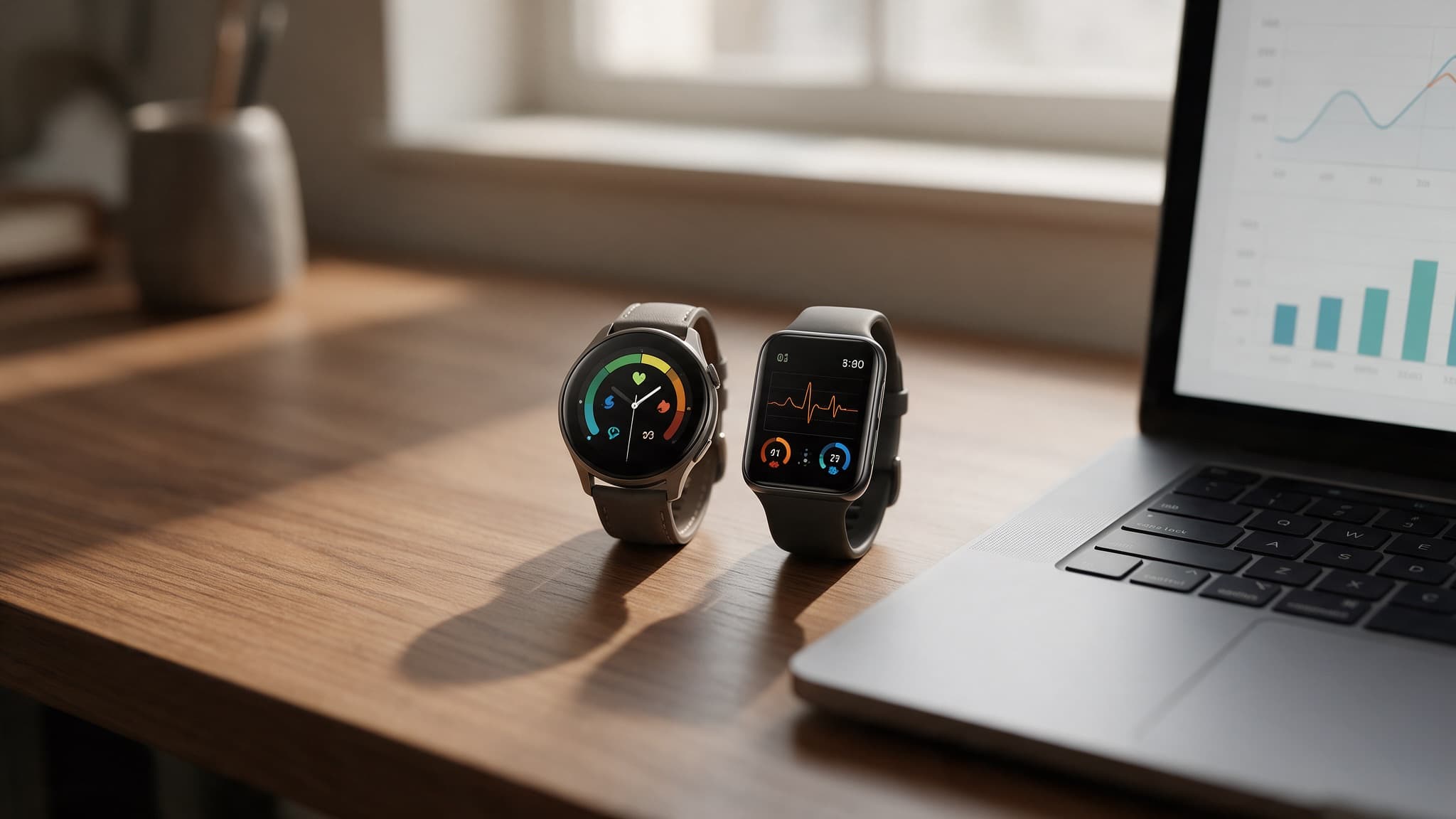
If you specifically want a smartwatch (not a ring) that handles HRV, sleep and stress tracking well, Apple Watch is the strongest all-around choice, combining solid readings across all three with broader smartphone features and cardiac safety monitoring. Samsung Galaxy Watch is a comparable alternative. Garmin's HRV tracking is strong given its sports-science focus, though its sleep tracking is generally less detailed. Worth knowing: a dedicated sleep ring like Oura still generally beats any smartwatch specifically for sleep tracking precision, since it's more comfortable for continuous overnight wear and built with a more singular focus on sleep — so if sleep tracking is your absolute top priority even above wanting a smartwatch, a ring is worth considering instead.
Restricting the comparison specifically to smartwatches, rather than including rings like Oura, changes the answer from the broader wearables ranking, since a smartwatch trades some sleep and HRV measurement precision for general smartphone functionality that a dedicated ring or band does not offer. Apple Watch ranks as the best all-around smartwatch specifically for this combination, with solid HRV measurement, reasonable sleep tracking (duration more reliably than detailed staging), and stress-adjacent features, combined with the broader smartphone integration and cleared cardiac features that distinguish it from ring-based competitors. Samsung Galaxy Watch ranks similarly, offering a comparable feature set for these three metrics with similar general smartwatch functionality, making the choice between it and Apple Watch largely a matter of ecosystem preference. Garmin ranks close behind, with well-documented HRV-based training status features and body battery scoring, generally with less mature sleep-stage detail than Apple Watch or Samsung, but strong for HRV specifically given its sports-science focus. Within this smartwatch-specific comparison, it's worth noting explicitly that a dedicated ring like Oura generally still edges out any smartwatch specifically for sleep tracking precision, given the comfort advantage for continuous overnight wear and a development focus more singularly dedicated to sleep; someone whose absolute priority is sleep tracking specifically, even above general smartwatch functionality, may prefer a ring over any smartwatch. For someone who wants a smartwatch specifically, with these three metrics as a genuine priority alongside general smartphone functionality, Apple Watch and Samsung Galaxy Watch are the strongest choices.
- Restricting to smartwatches specifically (excluding rings) changes the best choice for sleep tracking precision specifically.
- Apple Watch is the strongest all-around smartwatch choice for this combination of HRV, sleep and stress features.
- Samsung Galaxy Watch offers a comparable feature set, with the choice often coming down to ecosystem preference.
- Garmin's HRV-based features are strong given its sports-science focus, with generally less mature sleep-stage detail.
- A dedicated ring like Oura still generally edges out any smartwatch specifically for sleep tracking precision.
Graded by CureMed against human clinical evidence, and reviewed by CureMed Labs.

Apple Watch
The best all-around smartwatch choice for this combination
See the full rankingSmartwatches ranked for HRV, sleep and stress
Ranked on: overall performance across HRV measurement, sleep tracking and stress-adjacent features specifically among devices classified as smartwatches, combined with general smartphone functionality.
| # | Option | Verdict | Grade |
|---|---|---|---|
| 1 | Apple Watch | The best all-around smartwatch choice for this combination | GRADE AEstablished |
| 2 | Samsung Galaxy Watch | A comparable alternative to Apple Watch | GRADE AEstablished |
| 3 | Garmin | Strong HRV specifically; less mature sleep-stage detail | GRADE BPromising |
- 01
Apple Watch
GRADE AEstablishedThe best all-around smartwatch choice for this combinationSolid HRV measurement, reasonable sleep tracking (duration more reliably than detailed staging), and stress-adjacent features, combined with cleared cardiac safety features and the broadest smartphone integration among smartwatches, making it the strongest overall choice specifically within the smartwatch category for this combination of priorities.
- 02
Samsung Galaxy Watch
GRADE AEstablishedA comparable alternative to Apple WatchOffers a similar feature set across these three metrics with comparable general smartwatch functionality, making the choice between it and Apple Watch largely a matter of ecosystem preference (Android versus iOS) rather than a meaningful difference in these specific tracking capabilities.
- 03
Garmin
GRADE BPromisingStrong HRV specifically; less mature sleep-stage detailWell-documented HRV-based training status and body battery features reflect Garmin's sports-science focus, making it particularly strong for HRV specifically, generally with somewhat less detailed sleep-stage tracking maturity than Apple Watch or Samsung, though total sleep duration tracking remains solid.


The honest caveat: a ring may still beat any smartwatch for sleep specifically
Smartwatch versus ring for sleep tracking specifically
| Factor | Best smartwatch (Apple Watch) | Dedicated ring (Oura) |
|---|---|---|
| Comfort for continuous overnight wear | Good for many; a wrist device for some is less comfortable overnight | Generally very comfortable for continuous wear, including overnight |
| Sleep-tracking development focus | One feature among general smartwatch functions | A primary, more singular product focus |
| Sleep duration tracking | Reliable | Reliable, similarly strong |
| Sleep-stage detail | Reasonable | Generally considered slightly stronger given the focused development |
| General smartphone functionality | Extensive | Minimal to none |
Frequently asked questions
What is the best smartwatch for HRV, sleep, and stress monitoring?
Apple Watch is the strongest all-around smartwatch choice, combining solid HRV, sleep and stress-adjacent tracking with broader smartphone functionality and cardiac safety features. Samsung Galaxy Watch is a comparable alternative. Garmin is particularly strong for HRV given its sports-science focus, with generally less detailed sleep-stage tracking than Apple Watch or Samsung.
Is Apple Watch as good as a dedicated sleep ring for sleep tracking?
For sleep tracking specifically, a dedicated ring like Oura generally still edges out any smartwatch, including Apple Watch, given the comfort advantage for continuous overnight wear and a more singular development focus on sleep. Apple Watch remains a reasonable choice for sleep tracking as one feature among broader smartwatch functionality.
Why is Garmin considered strong for HRV specifically?
Garmin's training status and body battery features reflect a sports-science focus with well-documented HRV-based methodology, giving it particular strength for this specific metric, even though its sleep-tracking detail is generally considered somewhat less mature than Apple Watch's or Samsung's.
Should I choose a smartwatch or a ring if sleep is my main priority?
If sleep tracking precision is genuinely your top priority, even above wanting general smartwatch functionality, a dedicated ring like Oura is worth considering, since it generally edges out any smartwatch for this specific purpose given its comfort for continuous overnight wear and more focused development.
Is there a meaningful difference between Apple Watch and Samsung Galaxy Watch for these three metrics?
Not a substantial one for HRV, sleep and stress tracking specifically — both offer comparable capabilities across these metrics, and the choice between them generally comes down to ecosystem preference (iOS versus Android) rather than a meaningful accuracy or feature difference.
What does 'stress monitoring' actually mean on any of these smartwatches?
Across all major smartwatch brands, 'stress' scores are derived from heart rate variability and heart rate patterns rather than a direct measurement of psychological stress, and this derived score has not been independently validated against actual measured stress levels for any brand, which is worth keeping in mind regardless of which smartwatch you choose.
Keep reading
- What smartwatch tracks sleep, HRV and stress best?
The broader wearables ranking including rings.
- Are Apple Watch or Garmin better for health tracking?
A direct head-to-head between the two leading options here.
- Best health wearable for continuous recovery and strain insights.
A related ranking on recovery and strain specifically.
- Free stack check
Medicines that affect HRV, sleep and stress-related readings.
More in Wearables & devices
- Best snoring solutions, ranked by evidence.
Mandibular advancement devices have real randomised-trial evidence for snoring and mild-to-moderate apnea; positional therapy and nasal strips rank below them.
- Which longevity tech robots offer the most accurate sensors?
Longevity robots are ranked on sensor accuracy against clinical references: validated peripherals beat camera-based fall detection and contactless vitals.
- Best longevity robots with advanced biometric monitoring sensors.
Care-programme telepresence robots rank first for biometric monitoring — validated sensors and a staffed nurse response — ahead of unvalidated consumer devices.
- How to choose longevity robots with reliable health sensors?
Choosing a longevity robot means checking each sensor's validation: attached validated devices pass; built-in contactless vitals and fall detection fail.
- High-end longevity tech robots featuring AI health sensors.
A higher price buys mobility, build quality and voice, not a validated health sensor. Enterprise telepresence robots are the only class with outcome evidence.
- What are the top-rated longevity robots for seniors?
Companion robots like ElliQ rank first for seniors, with sustained daily use and loneliness gains; PARO's best trial matched only a switched-off toy.