Best smartwatch for athletes focused on longevity metrics.

See more of CureMed in your Google results.
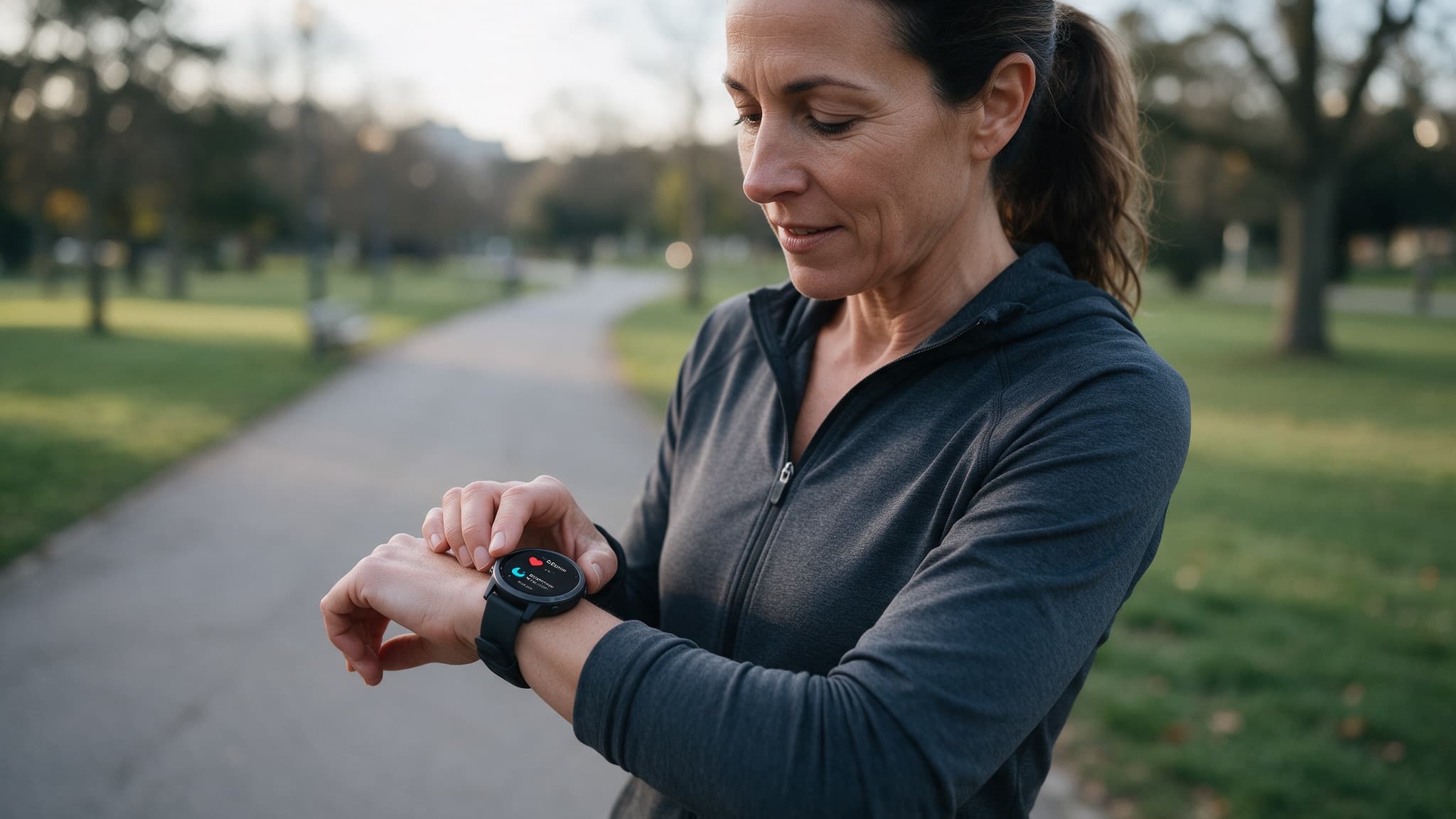
For a serious athlete who also cares about long-term health, Garmin is generally the strongest choice, combining detailed multi-sport tracking with well-validated fitness metrics like VO2 max that matter for both performance and longevity. Apple Watch adds real value through its heart rhythm safety alerts, which matter for any athlete's long-term health regardless of sport, though its sport-specific tracking is less detailed than Garmin's. Whoop is worth considering specifically if recovery management is your main limiting factor, with the deepest recovery data of any device, though it lacks both Garmin's sport-specific detail and Apple Watch's cardiac safety features.
Athletes have specific needs beyond what a general longevity-focused user requires — sport-specific accuracy across multiple activities, detailed training load and recovery data, and precise pace, power and heart-rate-zone tracking — while also benefiting from the same longevity-relevant metrics (VO2 max, cardiovascular health) that matter to everyone, and this ranking weighs both together. Garmin ranks highest for athletes specifically, since its extensive multi-sport tracking, well-validated VO2 max estimation, and detailed training load and recovery metrics serve both the specific demands of serious training and the longevity-relevant fitness measures that overlap substantially with athletic performance, making it the strongest single choice for this combined audience. Apple Watch ranks second, adding genuine longevity-specific value through its cleared cardiac safety features that matter for any athlete's long-term health regardless of sport, though with less specialized multi-sport tracking depth and VO2 max methodology than Garmin's more dedicated sports-science focus. Whoop ranks third specifically for athletes prioritizing recovery optimization as their primary concern, with the deepest recovery and strain tracking of any device discussed, though lacking Garmin's detailed sport-specific tracking across multiple disciplines and Apple Watch's cardiac safety features entirely. Samsung Galaxy Watch offers a reasonable alternative to Apple Watch for similar reasons. For a serious athlete whose primary goal includes both competitive performance and long-term health, Garmin's combination of sport-specific depth and longevity-relevant fitness tracking makes it the strongest overall choice, with Apple Watch worth considering specifically for its cardiac safety features and Whoop worth considering specifically for athletes whose primary limiting factor is recovery management.
- Athletes need both sport-specific training accuracy and the general longevity metrics that matter to everyone.
- Garmin's multi-sport tracking, VO2 max estimation and training load data serve both needs strongly.
- Apple Watch adds genuine longevity-specific value through cardiac safety features relevant to any athlete's long-term health.
- Whoop's deep recovery focus suits athletes whose primary limiting factor is recovery management specifically.
- The strongest overall choice for combined athletic and longevity goals is generally Garmin, given the substantial overlap between the two priorities.
This assessment is CureMed's, reviewed by the PharmD-led team at CureMed Labs.

Garmin
The strongest combination of sport-specific depth and longevity-relevant metrics
See the full rankingWatches ranked for athletes focused on longevity metrics
Ranked on: the combination of sport-specific training accuracy and depth, and the strength of longevity-relevant fitness metrics (VO2 max, cardiac safety) most valuable to a serious athlete's long-term health.
| # | Option | Verdict | Grade |
|---|---|---|---|
| 1 | Garmin | The strongest combination of sport-specific depth and longevity-relevant metrics | GRADE AEstablished |
| 2 | Apple Watch | Adds genuine longevity-specific value through cardiac safety | GRADE BPromising |
| 3 | Whoop | The deepest recovery tracking for athletes prioritizing recovery specifically | GRADE BPromising |
| 4 | Samsung Galaxy Watch | A comparable alternative to Apple Watch | GRADE BPromising |
- 01
Garmin
GRADE AEstablishedThe strongest combination of sport-specific depth and longevity-relevant metricsExtensive multi-sport tracking accuracy, well-validated VO2 max estimation, and detailed training load and recovery data serve both the specific demands of serious athletic training and the longevity-relevant fitness measures that substantially overlap with athletic performance, making it the strongest single choice for this combined audience.
- 02
Apple Watch
GRADE BPromisingAdds genuine longevity-specific value through cardiac safetyCleared cardiac safety features matter for any athlete's long-term health regardless of sport, contributing genuine longevity-specific value, though with less specialized multi-sport tracking depth and less sports-science-focused VO2 max methodology than Garmin.
- 03
Whoop
GRADE BPromisingThe deepest recovery tracking for athletes prioritizing recovery specificallyOffers the deepest recovery and strain tracking of any device discussed here, particularly valuable for athletes whose primary limiting factor is recovery management, though lacking both Garmin's detailed multi-sport tracking depth and Apple Watch's cardiac safety features.
- 04
Samsung Galaxy Watch
GRADE BPromisingA comparable alternative to Apple WatchOffers similar cardiac safety clearance and general fitness tracking to Apple Watch, making it a comparable alternative for the same combined value proposition, generally coming down to ecosystem preference.


What athletes specifically need beyond general longevity metrics
Athlete-specific requirements and how each device serves them
| Requirement | Best served by | Why |
|---|---|---|
| Multi-sport tracking accuracy | Garmin | Extensive dedicated sport profiles with validated accuracy across disciplines |
| VO2 max estimation for training | Garmin | Well-validated sports-science methodology |
| Detailed training load and periodization | Garmin | Established sports-science approach to progressive training |
| Recovery and strain optimization | Whoop, Garmin | Whoop's singular focus, or Garmin's integrated approach |
| Cardiac safety for long-term athlete health | Apple Watch, Samsung Galaxy Watch | Cleared irregular rhythm detection features |
| GPS accuracy for outdoor endurance sports | Garmin | Historically strong GPS accuracy and battery life for long sessions |
Frequently asked questions
What is the best smartwatch for athletes focused on longevity metrics?
Garmin ranks highest for combining detailed sport-specific training accuracy with well-validated longevity-relevant metrics like VO2 max, making it the strongest overall choice for serious athletes who also care about long-term health. Apple Watch adds genuine value through cardiac safety features, and Whoop offers the deepest recovery tracking for athletes prioritizing recovery management specifically.
Is Garmin better than Apple Watch for serious athletes?
For sport-specific training accuracy and depth, yes — Garmin's extensive multi-sport tracking and well-validated training metrics are generally stronger for serious athletic training than Apple Watch's more general fitness tracking, though Apple Watch offers cleared cardiac safety features that Garmin's mainstream lineup generally lacks.
Why would an athlete care about cardiac safety features specifically?
Serious athletic training, particularly endurance sports, can in rare cases interact with underlying cardiac conditions, and catching a genuine, treatable heart rhythm issue like atrial fibrillation matters for any athlete's long-term health regardless of sport, making this a genuinely relevant consideration even for someone primarily focused on athletic performance.
Should I choose Whoop instead of Garmin if I'm a serious athlete?
This depends on whether recovery management specifically is your primary limiting factor — Whoop offers the deepest recovery and strain tracking available, but lacks Garmin's detailed multi-sport tracking accuracy across different disciplines, which most serious athletes training in a specific sport will also want.
Does VO2 max tracking matter more for athletes than for general longevity purposes?
It matters significantly for both — VO2 max is central to endurance athletic performance and is also one of the more established fitness measures associated with mortality risk in research, making it a genuinely dual-purpose metric that serves athletes' performance and longevity goals simultaneously.
Can I combine Garmin with another device for the best of both worlds as an athlete?
Some serious athletes do pair Garmin with Whoop specifically for its deeper recovery focus, or wear a cardiac-capable smartwatch like Apple Watch alongside Garmin during non-training hours, accepting the added cost and complexity of using multiple devices to cover Garmin's gaps in cardiac safety features or Whoop's specialized recovery depth.
Keep reading
- Best fitness watch for maximizing lifespan and performance.
The broader lifespan-and-performance comparison this athlete-specific ranking builds on.
- VO₂ max testing for longevity
The evidence behind the key metric this ranking relies on.
- Best AI-powered wearable for personalized recovery optimization.
A deeper look at recovery-focused options for athletes.
- Free stack check
How performance-related medicines or supplements can affect training data.
More in Wearables & devices
- Best snoring solutions, ranked by evidence.
Mandibular advancement devices have real randomised-trial evidence for snoring and mild-to-moderate apnea; positional therapy and nasal strips rank below them.
- Which longevity tech robots offer the most accurate sensors?
Longevity robots are ranked on sensor accuracy against clinical references: validated peripherals beat camera-based fall detection and contactless vitals.
- Best longevity robots with advanced biometric monitoring sensors.
Care-programme telepresence robots rank first for biometric monitoring — validated sensors and a staffed nurse response — ahead of unvalidated consumer devices.
- How to choose longevity robots with reliable health sensors?
Choosing a longevity robot means checking each sensor's validation: attached validated devices pass; built-in contactless vitals and fall detection fail.
- High-end longevity tech robots featuring AI health sensors.
A higher price buys mobility, build quality and voice, not a validated health sensor. Enterprise telepresence robots are the only class with outcome evidence.
- What are the top-rated longevity robots for seniors?
Companion robots like ElliQ rank first for seniors, with sustained daily use and loneliness gains; PARO's best trial matched only a switched-off toy.