Best longevity supplements for cellular health and repair

See more of CureMed in your Google results.
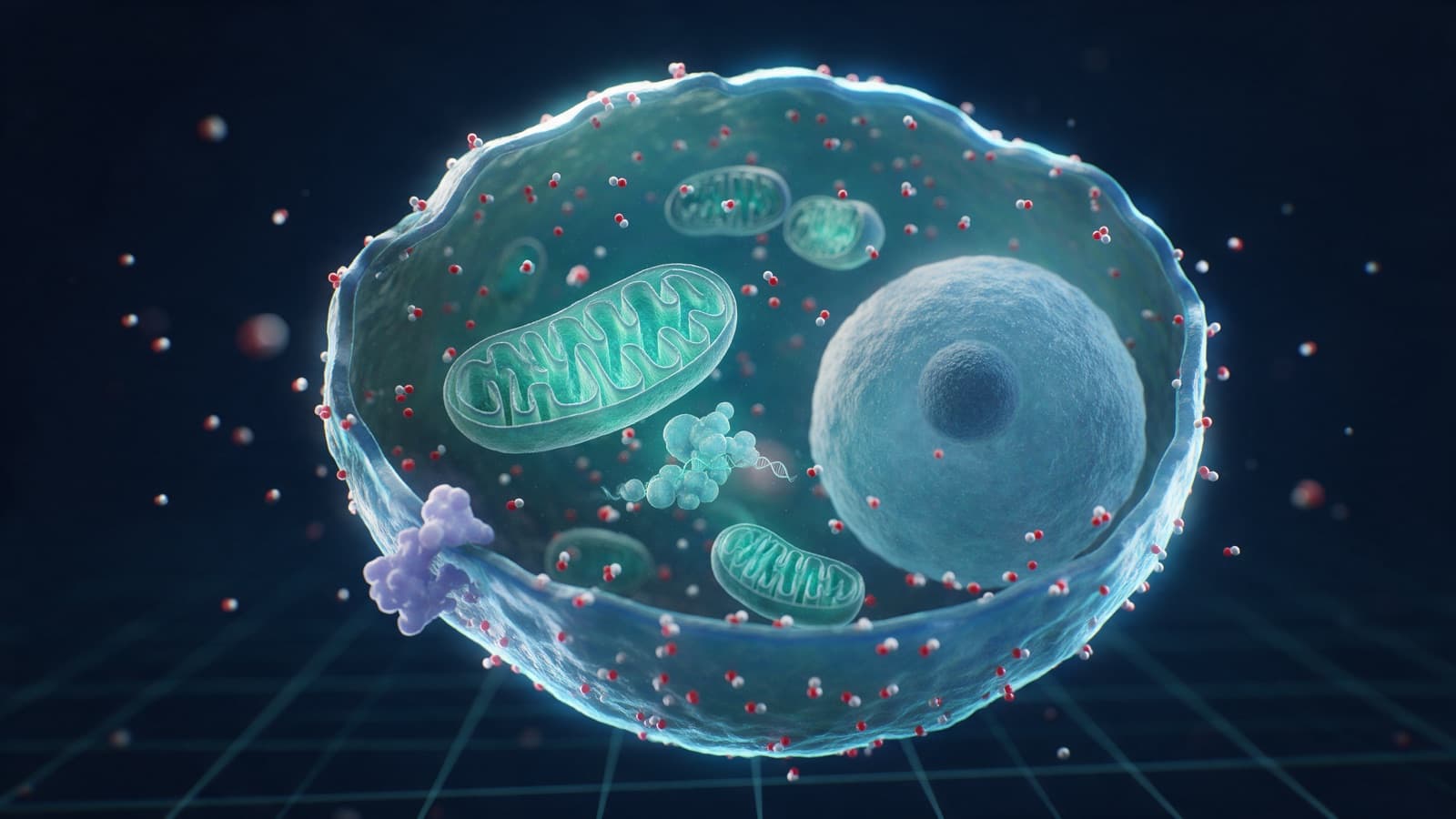
Lots of supplements promise to 'repair your cells' — help your mitochondria, clear out damaged parts, protect your DNA. This guide checks which of those claims have actually been tested in people, and ranks them by that evidence instead of by marketing.
Judged on human trials rather than mechanism, only a handful of supplements have shown a measurable effect on a cellular-repair pathway in people: creatine (cellular energy buffering, decades of trials), omega-3 (membrane composition and inflammation), NAD⁺ precursors (reliably raise NAD⁺, short trials), urolithin A (two randomised trials on mitochondrial markers), CoQ10 (one hard-outcome trial, in heart failure) and the glycine-plus-NAC combination (one small trial on oxidative stress). Everything else sold for 'cellular repair' rests on cell or animal work. Nothing on this list has been shown to extend human lifespan.
- No supplement has demonstrated repair of DNA damage, reversal of cellular senescence or extension of lifespan in a human trial. Those claims describe rodent and cell-culture work.
- The best-evidenced compounds are the unglamorous ones: creatine and omega-3 have hundreds of human trials; the fashionable 'cellular' compounds mostly have one or two small ones.
- NAD⁺ precursors (NMN, NR) raise the biomarker reliably, but no trial has yet connected that rise to a repair outcome that lasts beyond a few weeks.
- Urolithin A is the only 'mitophagy' supplement with randomised human trials — and they measured muscle endurance and mitochondrial gene markers, not ageing.
- For anyone on prescription medication, the interaction question decides safety more than the compound does. Screen the stack before adding to it.
CureMed ranks on published human evidence, and screens drug interactions first.

Creatine monohydrate
Best-evidenced cellular energy support
See the full rankingThe ranking
Ranked on: the strength of human clinical evidence that the compound changed a cellular-health measure that matters — function, an outcome, or at minimum a validated biomarker measured in people. Animal and cell data cannot raise a position. No commercial relationship influences the order.
| # | Option | Verdict | Grade |
|---|---|---|---|
| 1 | Creatine monohydrate | Best-evidenced cellular energy support | GRADE AEstablished |
| 2 | Omega-3 (EPA/DHA) | Strong for membranes and inflammation | GRADE AEstablished |
| 3 | NAD⁺ precursors (NMN, NR) | Raise the biomarker; outcome unproven | GRADE BPromising |
| 4 | Urolithin A | Only mitophagy compound with human RCTs | GRADE BPromising |
| 5 | Coenzyme Q10 | One hard-outcome trial, in a disease population | GRADE BPromising |
| 6 | Glycine + N-acetylcysteine (GlyNAC) | Promising pilot data on oxidative stress | GRADE CEarly |
| 7 | Spermidine | Autophagy in mice; unconvincing in people | GRADE CEarly |
| 8 | Taurine | Cheap, early, mostly rodent | GRADE CEarly |
| 9 | Fisetin and quercetin ('senolytics') | No human evidence of senescent-cell clearance | GRADE DInsufficient or unsafe |
| 10 | Oral glutathione and 'DNA repair' blends | Not recommended | GRADE DInsufficient or unsafe |
- 01
Creatine monohydrate
GRADE AEstablishedBest-evidenced cellular energy supportCreatine's job inside the cell is to buffer ATP — it is the phosphate reserve mitochondria draw on when demand spikes. That is why it has hundreds of human trials on muscle, strength and, increasingly, cognition in older adults. It is not marketed as a 'cellular repair' product, which is exactly why it is missing from most lists that use that phrase. Cheap, well-tolerated and the single most defensible item here.
- 02
Omega-3 (EPA/DHA)
GRADE AEstablishedStrong for membranes and inflammationCell membranes are built from the fatty acids you eat, and EPA/DHA change their composition measurably within weeks. Large human trials support cardiovascular and inflammatory benefit, clearest in people with low baseline intake. The effect is on the raw material of the cell rather than on 'repair' as marketed — but it is real, replicated and dose-dependent.
NAD⁺ is the co-factor used by the PARP enzymes that repair DNA and by the sirtuins that regulate cellular stress responses. That mechanism is genuine. Human randomised trials show NMN and NR raise blood NAD⁺ reliably and have reported gains in walking distance and muscle insulin sensitivity — but no trial has run longer than about ten weeks, none has measured DNA repair or a disease outcome, and the trials disagree with each other. A reasonable experiment; not an established intervention.
- 04
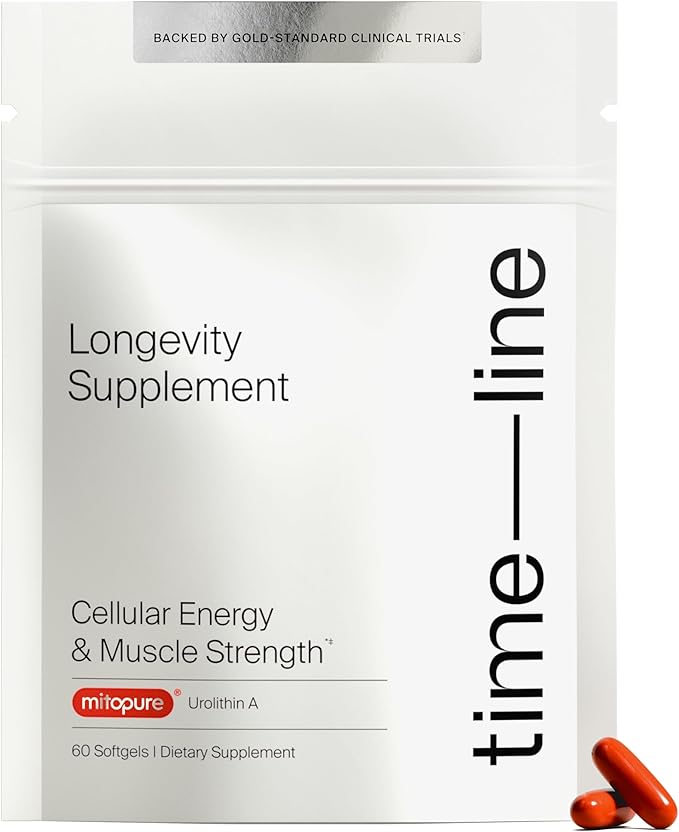
Urolithin A
GRADE BPromisingOnly mitophagy compound with human RCTsUrolithin A is a gut-microbiome metabolite of pomegranate ellagitannins that promotes mitophagy — the clearance of damaged mitochondria — in animal models. It is the one 'mitochondrial renewal' supplement with randomised, placebo-controlled human trials: in older and middle-aged adults it improved mitochondrial gene-expression markers and, in the larger trial, muscle endurance on some tests. Those are function and biomarker endpoints over a few months, not ageing outcomes. Honest but narrow.
- 05
Coenzyme Q10
GRADE BPromisingOne hard-outcome trial, in a disease populationCoQ10 carries electrons in the mitochondrial respiratory chain, and levels fall with age and with statin use. It is the rare compound here with a mortality endpoint: in the Q-SYMBIO trial, patients with chronic heart failure taking CoQ10 had fewer major cardiovascular events than placebo. That result belongs to heart failure, not to healthy ageing. Evidence for statin-related muscle symptoms is inconsistent; evidence for 'energy' in healthy adults is thin.
- 06
Glycine + N-acetylcysteine (GlyNAC)
GRADE CEarlyPromising pilot data on oxidative stressGlycine and cysteine are the rate-limiting building blocks of glutathione, the cell's principal antioxidant. A small randomised trial in older adults found the combination corrected glutathione deficiency and improved markers of oxidative stress, mitochondrial fat oxidation and physical function over sixteen weeks. It is one trial, in a small group, and it needs replication — but it is a genuine human result on a cellular mechanism, which is more than most of this category can say.
Spermidine induces autophagy in yeast, worms and mice, and the mechanism is a legitimate part of ageing biology. In humans, the largest randomised trial to date — testing a wheat-germ extract for memory in older adults — found no benefit over placebo. Observational associations with lower mortality remain, but they cannot separate spermidine from the diet that contains it. Wheat germ, aged cheese and legumes supply it without a capsule.
Taurine sits in every cell, stabilising membranes and mitochondrial function, and its decline with age is real. The result that made it famous — extended lifespan with supplementation — was in mice. Human trials are small, short and measure surrogate markers. Low cost changes the risk calculation, not the evidence.
- 09
Fisetin and quercetin ('senolytics')
GRADE DInsufficient or unsafeNo human evidence of senescent-cell clearanceSold on the promise of clearing senescent 'zombie' cells, a mechanism demonstrated in mice using doses far above supplement labels. No published human trial has shown that a fisetin or quercetin supplement reduces senescent-cell burden. The clinical trials that exist use intermittent high-dose protocols under medical supervision and are still reading out.
- 10
Oral glutathione and 'DNA repair' blends
GRADE DInsufficient or unsafeNot recommendedOral glutathione is largely broken down before absorption, and no supplement has been shown to increase DNA repair in a human trial. Products sold with 'DNA repair' or 'telomere' claims are describing cell-culture work. Where a blend does contain something useful, it is usually an underdosed version of a compound higher on this list.



What each compound actually acts on
The phrase 'cellular health' hides the fact that these compounds do very different things. The table maps each one to the system it genuinely affects and to the best human evidence for it, so you can match a supplement to what you are actually trying to change.
Cellular system, compound, and the human evidence behind it
| Cellular system | Best-evidenced compound | What the human trials measured |
|---|---|---|
| Cellular energy (ATP buffering) | Creatine | Strength, lean mass and cognitive endpoints across hundreds of trials |
| Membrane composition and inflammation | Omega-3 (EPA/DHA) | Cardiovascular events and inflammatory markers in large trials |
| NAD⁺ metabolism (DNA-repair co-factor) | NMN / NR | Blood NAD⁺, walking distance, muscle insulin sensitivity — all under ten weeks |
| Mitophagy (clearing damaged mitochondria) | Urolithin A | Mitochondrial gene markers and muscle endurance in two randomised trials |
| Mitochondrial electron transport | Coenzyme Q10 | Cardiovascular events — in heart-failure patients only |
| Glutathione / oxidative stress | Glycine + NAC | Glutathione levels, oxidative-stress markers and gait speed in one small trial |
| Autophagy | Spermidine | No benefit on memory in the largest randomised trial |
| Senescent-cell clearance | Fisetin / quercetin | No human trial has shown clearance at supplement doses |
What none of these supplements has shown
Three substitutions to watch for
- Species substitution: a mitophagy or autophagy result in mice or worms presented as though it had been demonstrated in people. This underpins most 'cellular renewal' marketing.
- Marker substitution: a rise in a blood level (NAD⁺, glutathione) presented as though it were the downstream outcome the marker is supposed to predict. Raising a co-factor is not the same as repairing what it participates in.
- Dose substitution: a product citing a human trial while containing a fraction of the dose the trial used. Urolithin A and NAD⁺ precursors are the most common examples in this category.
How to choose — and what a pharmacist would check first
The checks that matter more than the ingredient
| Check | Why it matters here | What good looks like |
|---|---|---|
| Interactions with your prescriptions | NAC, omega-3 and CoQ10 all interact with common medicines (anticoagulants, statins, blood-pressure drugs). The compound is rarely the risk; the combination is. | Every item screened against your full medication list before you start |
| Dose versus the trial | The human trials for urolithin A, GlyNAC and NMN used specific daily amounts; many products contain less | Label dose falls inside the range the cited trial used |
| One mechanism, one compound | Stacking three 'mitochondrial' products does not triple the effect — it triples cost and interaction risk | One well-evidenced compound per system you are actually trying to change |
| Third-party testing | NAD⁺ precursors and urolithin A are expensive and have a documented history of underdosed products | A batch-specific certificate of analysis, not a generic one |
Frequently asked questions
What is the best supplement for cellular repair?
On human evidence, creatine monohydrate — it supports the cell's energy buffer and has hundreds of trials behind it. If you mean 'repair' in the sense of clearing damaged mitochondria, urolithin A is the only compound with randomised human trials, and those measured muscle endurance and mitochondrial markers rather than repair itself.
Do NAD+ supplements repair DNA?
Not in any human trial to date. NAD⁺ is a co-factor for the PARP enzymes that repair DNA, and NMN and NR reliably raise blood NAD⁺ in people. No trial has measured whether that rise increases DNA repair or reduces damage, and none has run beyond roughly ten weeks.
Is urolithin A worth taking?
It has better human evidence than almost anything else sold for mitochondrial health — two randomised, placebo-controlled trials showing improved mitochondrial gene markers and, in one, muscle endurance. It is also expensive, the effects were modest, and the trials measured function over months, not ageing. A reasonable choice if you understand exactly what was shown.
Which supplements help mitochondria?
With human data: creatine (energy buffering), coenzyme Q10 (electron transport, with a hard-outcome trial only in heart failure), urolithin A (mitophagy markers), and the glycine-plus-NAC combination (mitochondrial fat oxidation in one small trial). PQQ, alpha-lipoic acid and most 'mitochondrial complex' blends rest on animal or cell work.
Can supplements clear senescent cells?
No published human trial has shown that a fisetin or quercetin supplement reduces senescent-cell burden. The mechanism was demonstrated in mice at doses far above supplement labels, and the human trials that exist use intermittent high-dose protocols under medical supervision.
Can I take these alongside prescription medication?
Several cannot be assumed safe: NAC, omega-3 and CoQ10 interact with common medicines including anticoagulants and blood-pressure drugs, and the interaction data for newer compounds barely exists. Screen the whole stack against your medication list before adding anything — that check prevents more harm than any single ingredient choice.
Keep reading
- The best longevity supplements, ranked by human evidence
The full shelf, ranked on the same rule.
- NMN: what the human trials actually show
The ten-week ceiling and the trials that disagree.
- NMN vs NR
Two NAD⁺ precursors, compared on human data.
- Best senolytic supplements
Why 'senescent-cell clearance' is still a mouse result.
- Spermidine: autophagy, diet and the human trial
The mechanism is real; the capsule is unproven.
- Free stack check
Screen a supplement routine against your current medication first.
More in Supplements
- Best sleep aids, ranked by evidence.
Diphenhydramine stops working in about three nights. Melatonin is modest for insomnia, strong for jet lag. Every OTC sleep aid ranked on its human trials.
- The sleep stack on trial: magnesium threonate, theanine and apigenin against placebo
The Huberman-style sleep stack got its first placebo-controlled trial: in 103 healthy adults over two weeks it did no better than placebo on sleep.
- Creatine without exercise: what the new trial actually found
A 2026 trial reported 1.1 kg (2.4 lb) more lean mass on creatine with no exercise. It rests on 13 people per group, and a scan counts water as lean mass.
- The best vitamins for longevity, ranked by human trial evidence
Vitamin D if your level is low, B12 if you are at risk, magnesium for most. Graded only on human randomised trials, including the two that showed harm.
- Which OTC brands pharmacists recommend most — and where the evidence disagrees
Pharmacists name the same OTC brands every year. For immune support and joint health, the trials behind the two biggest sellers do not back how people use them.
- OTC cold and flu remedies, ranked by evidence
The FDA says the decongestant in most cold products does not work. Zinc works only above a dose most lozenges miss. Every OTC cold remedy ranked on its trials.