Best longevity supplements stack for men over forty.

See more of CureMed in your Google results.
Men over forty are sold big supplement stacks built around testosterone and 'vitality'. The supplements that actually have evidence for men in this age group are few — mainly creatine, omega-3 and vitamin D if you are low — and the most important step is a blood test and a strength routine, not more capsules.
For a healthy man over forty, the supplements with human trial evidence for outcomes that matter form a short core: creatine monohydrate (3–5 g daily, for the muscle and strength that decline fastest after forty), omega-3 EPA/DHA (if he does not eat oily fish twice a week), and vitamin D only if a blood test shows deficiency. Two things belong ahead of the stack: a blood panel — ApoB, lipoprotein(a), HbA1c, ferritin, testosterone if symptomatic — and a resistance-training routine, without which creatine does little. Testosterone 'boosters', most men's multivitamins and NAD⁺ products add cost, not evidence.
- Muscle loss accelerates after forty and is the most healthspan-relevant change in men; creatine plus resistance training is the best-evidenced supplement response to it.
- Cardiovascular disease is the leading cause of death in men, and ApoB and lipoprotein(a) predict it better than any supplement changes it. Test them before building a stack.
- Over-the-counter 'testosterone boosters' — tribulus, fenugreek, D-aspartic acid, tongkat ali — have not raised testosterone meaningfully or improved any outcome in controlled trials. Low testosterone with symptoms is a medical diagnosis, not a supplement question.
- Vitamin D helps only if deficient; omega-3 helps most if fish intake is low. Both are decided by the panel and the diet, not the age on the label.
- Zinc, magnesium, saw palmetto and multivitamins are commonly stacked and rarely earn it: useful for a measured deficiency or a specific symptom, otherwise not.
CureMed grades this on human trial evidence; animal data never raises a grade.

Two things that come before the stack
- A blood panel: ApoB and lipoprotein(a) (cardiovascular risk that no supplement fixes and a statin does), HbA1c with fasting insulin, ferritin, vitamin D, and testosterone with SHBG only if there are symptoms — low libido, fatigue, loss of muscle despite training. The panel decides whether vitamin D belongs in the stack at all, and whether the real problem is one no stack addresses.
- Two resistance sessions a week: creatine adds to training and does little without it, and resistance training is the intervention with randomised evidence for the muscle loss that defines this decade. The stack is a supplement to the routine, in the literal sense.
The stack, ranked
Ranked on: human trial evidence for an outcome relevant to men over forty — muscle, strength, cardiovascular risk, bone — at the dose on the label. Marketing to men plays no part; several of the best-evidenced items are never sold as men's products.
| # | Option | Verdict | Grade |
|---|---|---|---|
| 1 | Creatine monohydrate | Core — with training | GRADE AEstablished |
| 2 | Omega-3 (EPA/DHA) | Core — if fish intake is low | GRADE AEstablished |
| 3 | Vitamin D | Conditional — test first | GRADE BPromising |
| 4 | Protein powder | Convenience for the target | GRADE BPromising |
| 5 | Magnesium | Optional; modest evidence for sleep and cramps | GRADE CEarly |
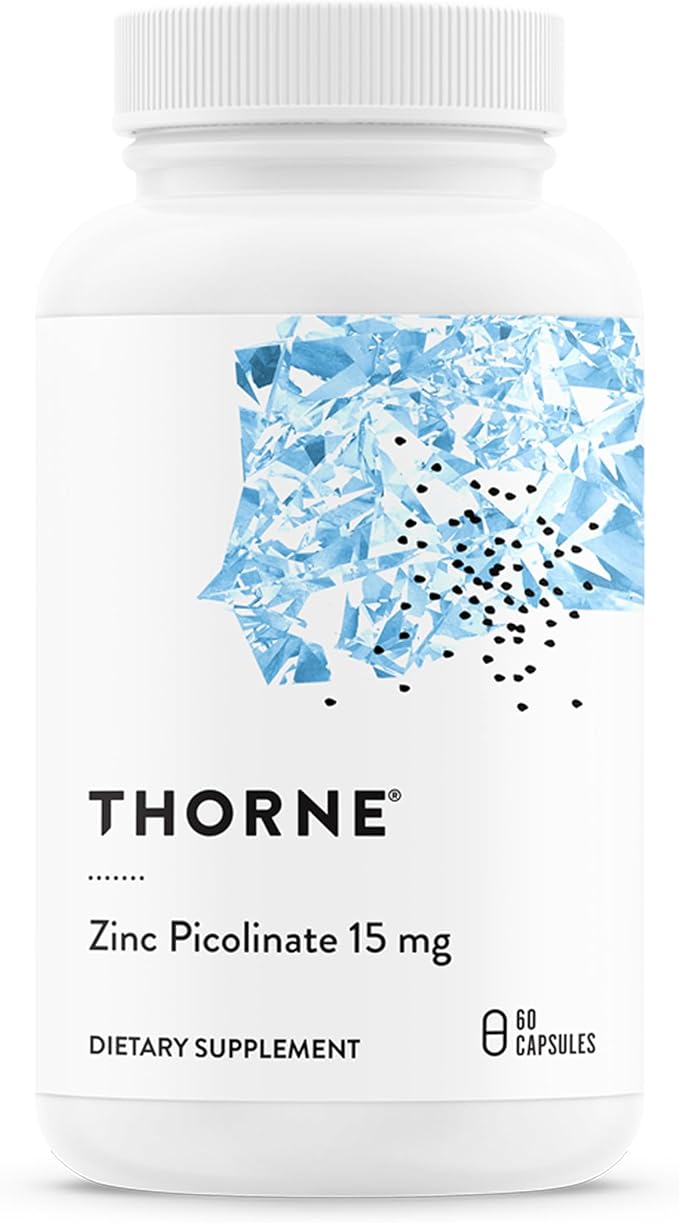
| 6 | Zinc | Only for measured deficiency | GRADE CEarly |
| 7 | NAD⁺ precursors (NMN, NR) | Optional experiment; not a men's supplement | GRADE BPromising |
| 8 | Saw palmetto | No better than placebo for urinary symptoms | GRADE DInsufficient or unsafe |
| 9 | Testosterone 'boosters' (tribulus, fenugreek, D-aspartic acid, tongkat ali, 'T-support' blends) | Not recommended | GRADE DInsufficient or unsafe |
| 10 | Men's multivitamins | Insurance for a diet that does not need it | GRADE DInsufficient or unsafe |
- 01
Creatine monohydrate
GRADE AEstablishedCore — with training3–5 g daily. Hundreds of randomised trials on strength and lean mass, including in men over fifty and sixty with resistance training, plus growing evidence on cognition in older adults. Cheap, safe in healthy kidneys, and the single best-evidenced response to the muscle loss that starts in this decade. Check kidney function first if there is any history of kidney disease.
- 02
Omega-3 (EPA/DHA)
GRADE AEstablishedCore — if fish intake is low1–2 g EPA+DHA daily for a man who does not eat oily fish twice a week. Large trials show cardiovascular benefit clearest in low-intake and high-triglyceride populations, and men over forty with rising ApoB and triglycerides are often exactly that. Redundant if the fish is already on the plate; interacts with anticoagulants.
- 03
Vitamin D
GRADE BPromisingConditional — test first1,000–2,000 IU daily if the panel shows deficiency; nothing if it does not. Randomised evidence for bone and muscle in deficient adults; large trials in replete men were null for cardiovascular disease, cancer and mortality. The blood level, not the age, decides.
- 04
Protein powder
GRADE BPromisingConvenience for the targetWhey or plant protein to reach 1.2–1.6 g/kg daily when food falls short. It is food in a tub, and it is what turns the resistance sessions into retained muscle. Earns its place on adherence, not novelty.
- 05
Magnesium
GRADE CEarlyOptional; modest evidence for sleep and crampsSmall trials suggest modest benefit for sleep quality and muscle cramps, mainly in people with low intake. Common in men who eat few legumes and greens. Reasonable at 200–400 mg of glycinate or citrate; not a longevity intervention.
- 06
Zinc
GRADE CEarlyOnly for measured deficiencySold to men for testosterone; the effect exists only in zinc-deficient men and is absent in replete ones. Excess zinc causes copper deficiency. Test, do not assume.
Raise NAD⁺ reliably in short trials; no outcome evidence, no trial specific to men over forty. A defensible experiment once the core is in place, at a price that buys a year of creatine.
- 08
Saw palmetto
GRADE DInsufficient or unsafeNo better than placebo for urinary symptomsThe largest randomised trial found no benefit over placebo for benign prostatic symptoms, even at high doses. Urinary symptoms in men over forty warrant a clinical assessment, not a supplement.
- 09
Testosterone 'boosters' (tribulus, fenugreek, D-aspartic acid, tongkat ali, 'T-support' blends)
GRADE DInsufficient or unsafeNot recommendedControlled trials show no meaningful rise in testosterone in healthy men and no improvement in strength, body composition or libido. Genuinely low testosterone with symptoms is a medical diagnosis with an approved treatment and a specialist conversation about its risks — not a supplement decision.
- 10
Men's multivitamins
GRADE DInsufficient or unsafeInsurance for a diet that does not need itLarge trials in healthy adults show no reduction in cardiovascular disease, cancer or mortality. Where a specific deficiency exists — vitamin D, B12, iron — the specific correction works and the multivitamin's dose usually does not.


The interactions a man over forty actually meets
Common medicines after forty and the stack items that interact
| If you take | Watch | Why |
|---|---|---|
| A statin | CoQ10 (optional), grapefruit-containing products | CoQ10 evidence for statin muscle symptoms is inconsistent; grapefruit raises statin levels |
| Blood-pressure medicine | Magnesium, high-dose vitamin D with thiazides, liquorice-containing 'adrenal' products | Additive blood-pressure effects; calcium handling; liquorice raises blood pressure |
| An anticoagulant or antiplatelet | Omega-3, high-dose vitamin E, fish-oil blends | Additive bleeding tendency |
| Metformin or a GLP-1 medicine | Nothing in the core stack; B12 worth checking on long-term metformin | Metformin lowers B12 absorption |
| Thyroid medication | Calcium, iron, magnesium within four hours of the dose | Reduce absorption |
| Finasteride or an alpha-blocker | Saw palmetto (pointless duplication) | No added benefit; muddles assessment |
Frequently asked questions
What supplements should a man over 40 take for longevity?
A short core with human evidence: creatine monohydrate (3–5 g daily, with resistance training), omega-3 EPA/DHA if he does not eat oily fish twice a week, and vitamin D only if a blood test shows deficiency. Protein powder to reach 1.2–1.6 g/kg counts as food. Test first, train, then supplement.
Do testosterone boosters work?
No. Tribulus, fenugreek, D-aspartic acid, tongkat ali and blended 'T-support' products have not raised testosterone meaningfully or improved strength, body composition or libido in controlled trials of healthy men. Low testosterone with symptoms is a medical diagnosis with an approved treatment; it is not a supplement question.
Is creatine safe for men over 40?
Yes, for men with healthy kidneys — it is among the most studied supplements in existence, with trials in men into their seventies and eighties. It raises serum creatinine slightly, which is not kidney damage but should be noted before kidney tests. Anyone with existing kidney disease should check with a clinician first.
Should men over 40 take a multivitamin?
Not routinely. Large trials in healthy adults show no reduction in cardiovascular disease, cancer or mortality. Where a specific deficiency exists — vitamin D, B12 on long-term metformin, iron with a documented cause — the specific correction works and the multivitamin's dose usually does not.
What blood tests should a man over 40 get before starting supplements?
ApoB and lipoprotein(a) for cardiovascular risk, HbA1c with fasting insulin, ferritin, vitamin D, kidney and liver function, and testosterone with SHBG only if there are symptoms. The panel decides whether vitamin D belongs in the stack at all and whether the real issue is one no supplement addresses.
Is NMN worth it for men over 40?
It is a defensible experiment, not a men's supplement. Trials show it raises NAD⁺ reliably over a few weeks with no outcome evidence and none specific to this group. Once the core stack, the training and the panel are in place, it is an optional addition at a price that buys a year of creatine.
Keep reading
- The best longevity supplements, ranked by human evidence
The full shelf, ordered on the same standard.
- Best longevity workout routine for healthy aging adults
The training that makes creatine worth taking.
- Which blood tests are best for tracking longevity?
The panel that comes before the stack.
- What are the best clinically proven longevity supplements?
Proven for what, in whom, at what dose.
- Free stack check
Screen the stack against a statin, blood-pressure or anticoagulant medicine.
More in Supplements
- Best sleep aids, ranked by evidence.
Diphenhydramine stops working in about three nights. Melatonin is modest for insomnia, strong for jet lag. Every OTC sleep aid ranked on its human trials.
- The sleep stack on trial: magnesium threonate, theanine and apigenin against placebo
The Huberman-style sleep stack got its first placebo-controlled trial: in 103 healthy adults over two weeks it did no better than placebo on sleep.
- Creatine without exercise: what the new trial actually found
A 2026 trial reported 1.1 kg (2.4 lb) more lean mass on creatine with no exercise. It rests on 13 people per group, and a scan counts water as lean mass.
- The best vitamins for longevity, ranked by human trial evidence
Vitamin D if your level is low, B12 if you are at risk, magnesium for most. Graded only on human randomised trials, including the two that showed harm.
- Which OTC brands pharmacists recommend most — and where the evidence disagrees
Pharmacists name the same OTC brands every year. For immune support and joint health, the trials behind the two biggest sellers do not back how people use them.
- OTC cold and flu remedies, ranked by evidence
The FDA says the decongestant in most cold products does not work. Zinc works only above a dose most lozenges miss. Every OTC cold remedy ranked on its trials.