Advanced early disease detection technology for high risk patients.

See more of CureMed in your Google results.
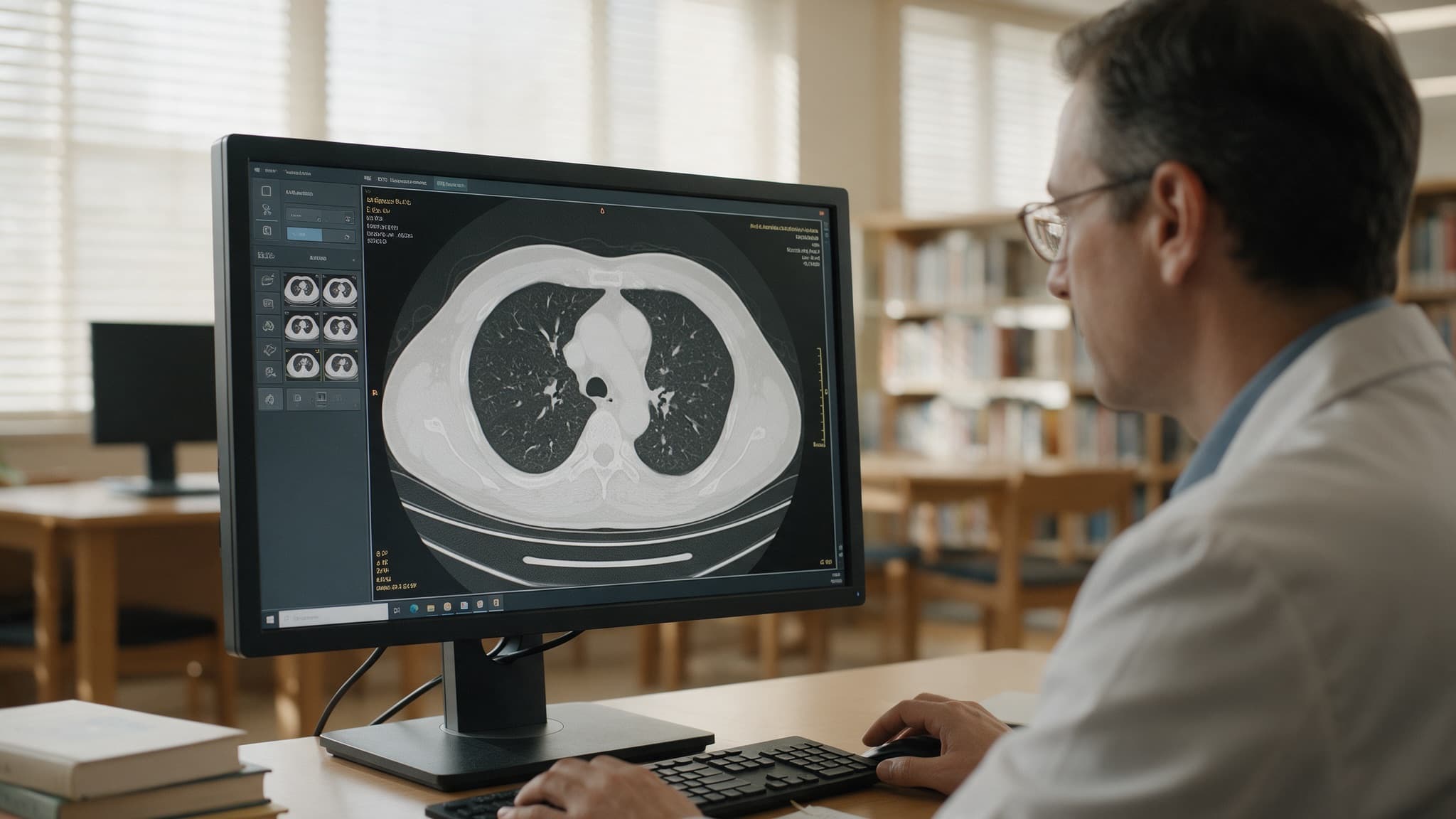
Advanced detection is worth it for people at genuinely high risk — a strong family history, a known gene, heavy smoking, a previous cancer or a chronic liver condition — because in those people the disease is common enough for the test to find it. The best examples: lung CT for heavy smokers, breast MRI for BRCA carriers, frequent colonoscopy for Lynch syndrome, blood tests that catch cancer relapse after treatment, and heart scans and genetic tests for inherited cholesterol problems. Whole-body MRI and multi-cancer blood tests remain unproven even for high-risk people.
Advanced detection technology is justified exactly where risk is high enough that the disease is common in the person tested, and the technology ranks by how well its indication is defined: low-dose CT for heavy smokers (randomised mortality benefit); annual breast MRI plus mammography for BRCA carriers and others at very high lifetime risk (strong evidence for earlier detection in that group); colonoscopy every one to two years from young adulthood for Lynch syndrome (mortality reduction in carriers); ctDNA molecular residual disease monitoring after cancer treatment (detects relapse months before imaging in trials, with treatment-changing evidence arriving); coronary calcium scoring and, with symptoms or very high risk, CT coronary angiography; targeted genetic testing and cascade screening for familial hypercholesterolaemia and lipoprotein(a); surveillance endoscopy for Barrett's oesophagus; and liver ultrasound with AFP for cirrhosis or chronic hepatitis B. What stays unproven even at high risk: whole-body MRI (no indication defined, findings in a third), multi-cancer blood tests (missed their trial; may have a future role in high-risk groups, not yet shown), polygenic scores as the trigger for surveillance. The principle is the same in every row: the technology is advanced because the risk is high and defined, not because the machine is new.
- High risk is a defined state — a gene, a history, an exposure — not a feeling; every technology here has an indication written down.
- In defined high-risk groups the same test that harms the general population saves lives: low-dose CT in smokers, breast MRI in BRCA carriers.
- ctDNA residual-disease monitoring is the genuinely new technology with real evidence, and it is for people who have had cancer, not for the well.
- Cascade testing — checking relatives once a genetic risk is found — is the cheapest advanced detection there is.
- Whole-body MRI has no defined high-risk indication; it is unproven at low risk and unproven at high.
Graded by CureMed against human clinical evidence, and reviewed by CureMed Labs.
Advanced detection technologies, ranked by high-risk indication
Ranked on: how precisely the high-risk group is defined, the evidence that the technology improves an outcome in that group, and how much harm it avoids by being restricted to them. A technology without a defined high-risk indication cannot rank above D.
| # | Option | Verdict | Grade |
|---|---|---|---|
| 1 | Low-dose CT — heavy smokers and recent ex-smokers | The model: defined group, randomised mortality benefit | GRADE AEstablished |
| 2 | Annual breast MRI plus mammography — BRCA1/2 carriers and very high lifetime risk | Strong evidence for earlier detection in a defined group | GRADE AEstablished |
| 3 | Colonoscopy every 1–2 years from the twenties — Lynch syndrome and similar hereditary syndromes | Mortality reduction in carriers | GRADE AEstablished |
| 4 | ctDNA molecular residual disease monitoring — after treatment for cancer | The new technology with real evidence, for survivors not the well | GRADE BPromising |
| 5 | Coronary calcium score and CT coronary angiography — high cardiovascular risk | Calcium scoring for risk; angiography with symptoms or very high risk | GRADE BPromising |
| 6 | Targeted genetic testing and cascade screening — familial hypercholesterolaemia, Lp(a), hereditary cancer syndromes | Find one, then test the family: the cheapest advanced detection | GRADE AEstablished |
| 7 | Surveillance endoscopy — Barrett's oesophagus | Defined precursor, defined interval | GRADE BPromising |
| 8 | Liver ultrasound with AFP every six months — cirrhosis and chronic hepatitis B | Finds hepatocellular carcinoma while it is treatable | GRADE BPromising |
| 9 | Multi-cancer blood tests — in high-risk groups | A plausible future role; not shown yet | GRADE CEarly |
| 10 | Polygenic risk scores as a trigger for surveillance | Weak individually, even for the highest scores | GRADE DInsufficient or unsafe |
| 11 | Whole-body MRI — for 'high-risk' patients | No defined high-risk indication exists | GRADE DInsufficient or unsafe |
- 01
Low-dose CT — heavy smokers and recent ex-smokers
GRADE AEstablishedThe model: defined group, randomised mortality benefitAdults in their fifties to seventies with a substantial pack-year history who smoke or quit within fifteen years: annual low-dose CT reduced lung-cancer deaths in randomised trials. Outside that group the same scan is a false-positive machine. The clearest example of advanced detection earning its place by indication.
- 02
Annual breast MRI plus mammography — BRCA1/2 carriers and very high lifetime risk
GRADE AEstablishedStrong evidence for earlier detection in a defined groupFor women with a pathogenic BRCA variant, a very high calculated lifetime risk or prior chest radiation, annual MRI from young adulthood detects cancers earlier and smaller than mammography alone, and guidelines recommend it. In average-risk women MRI adds false positives without benefit; in this group it is standard of care.
- 03
Colonoscopy every 1–2 years from the twenties — Lynch syndrome and similar hereditary syndromes
GRADE AEstablishedMortality reduction in carriersCarriers of Lynch-syndrome mismatch-repair variants have a high lifetime colorectal-cancer risk that begins young and progresses fast; intensive colonoscopic surveillance reduces cancer incidence and mortality in cohorts of carriers. Familial adenomatous polyposis has its own, more intensive schedule. The test is ordinary; the interval is the advanced part.
- 04
ctDNA molecular residual disease monitoring — after treatment for cancer
GRADE BPromisingThe new technology with real evidence, for survivors not the wellTumour-informed ctDNA assays detect molecular relapse months before imaging in colorectal, breast, lung and other cancers, and randomised trials are showing that acting on the result — escalating or de-escalating adjuvant therapy — changes outcomes in some settings. Approved companion diagnostics exist. It is advanced detection for people who have had cancer, with an indication and a growing evidence base — and it is not a screening test.
- 05
Coronary calcium score and CT coronary angiography — high cardiovascular risk
GRADE BPromisingCalcium scoring for risk; angiography with symptoms or very high riskA calcium score reclassifies intermediate risk and is reasonable at high risk to confirm disease burden; CT coronary angiography visualises soft plaque and stenosis and is indicated with symptoms or, in some guidelines, at very high risk. Both feed treatment with outcome evidence. Angiography in the asymptomatic low-risk person is where this technology becomes harm.
- 06
Targeted genetic testing and cascade screening — familial hypercholesterolaemia, Lp(a), hereditary cancer syndromes
GRADE AEstablishedFind one, then test the family: the cheapest advanced detectionA young person with a very high LDL, a family with early heart attacks, a cluster of breast or colon cancer: targeted testing identifies the variant, and cascade screening of relatives finds carriers decades before disease at almost no cost. Lipoprotein(a) runs in families and is measured once. The most efficient advanced detection in medicine, and the most under-used.
- 07
Surveillance endoscopy — Barrett's oesophagus
GRADE BPromisingDefined precursor, defined intervalBarrett's oesophagus carries a risk of progression to adenocarcinoma that surveillance endoscopy with biopsy is designed to catch at the dysplasia stage, where endoscopic treatment is curative. Evidence is observational and the intervals are guideline-defined; the indication is clear.
- 08
Liver ultrasound with AFP every six months — cirrhosis and chronic hepatitis B
GRADE BPromisingFinds hepatocellular carcinoma while it is treatableIn cirrhosis from any cause and in chronic hepatitis B carriers meeting risk criteria, six-monthly ultrasound with alpha-fetoprotein detects liver cancer at a stage where resection, ablation or transplant is possible, with survival benefit in cohorts. Cheap and defined; not for people without liver disease.
- 09
Multi-cancer blood tests — in high-risk groups
GRADE CEarlyA plausible future role; not shown yetWhere cancer prevalence is high — strong hereditary risk, certain exposures — a test with modest sensitivity has a better chance of being useful, and trials in such groups are under way. The general-population trial missed, stage I sensitivity remains around 17%, and no high-risk-group outcome data exist yet. Not a replacement for the surveillance above.
- 10
Polygenic risk scores as a trigger for surveillance
GRADE DInsufficient or unsafeWeak individually, even for the highest scoresThe top few percent of a polygenic score carry a modestly raised risk that rarely reaches the threshold at which advanced surveillance is justified, and no trial shows that surveillance triggered by a score improves outcomes. A monogenic variant defines high risk; a polygenic score describes a population.
- 11
Whole-body MRI — for 'high-risk' patients
GRADE DInsufficient or unsafeNo defined high-risk indication existsEven in genuinely high-risk people, the appropriate surveillance is organ-specific — breast MRI for BRCA, colonoscopy for Lynch, low-dose chest CT for smokers — and whole-body MRI adds the same third-of-patients incidental-finding rate without evidence of benefit. The one setting with data, Li-Fraumeni syndrome, uses it as part of a structured protocol in a rare group; it is not a general high-risk tool.
Who counts as high risk, and what that unlocks
Defined high-risk states and their advanced surveillance
| High-risk state | How it is defined | Advanced detection indicated | Interval |
|---|---|---|---|
| Heavy smoking history | Pack-years and recency, per guideline | Low-dose chest CT | Yearly |
| BRCA1/2 or very high breast-cancer risk | Pathogenic variant; risk model; prior chest radiation | Breast MRI plus mammography | Yearly from young adulthood |
| Lynch syndrome / FAP | Mismatch-repair or APC variant | Colonoscopy; other organ surveillance per syndrome | Every 1–2 years; FAP more often |
| Prior cancer treated with curative intent | Oncology history | ctDNA residual-disease monitoring where validated; standard surveillance imaging | Per protocol |
| Familial hypercholesterolaemia / high Lp(a) | Very high LDL, family history, genetic test; Lp(a) level | Cascade testing of relatives; early ApoB-lowering; calcium score | Once for genetics; lipids yearly |
| High cardiovascular risk | Risk score, calcium score, family history | Calcium score; CT angiography with symptoms or very high risk | Once; as indicated |
| Barrett's oesophagus | Endoscopic diagnosis | Surveillance endoscopy with biopsy | Per dysplasia grade |
| Cirrhosis; chronic hepatitis B | Diagnosis; viral status and age | Liver ultrasound with AFP | Every 6 months |
| Strong family history without a known variant | Two or more close relatives; young onset | Genetic counselling and targeted testing; earlier guideline screening | Once; then per result |
Frequently asked questions
What advanced early detection technology is best for high-risk patients?
It depends on the defined risk: low-dose chest CT for heavy smokers; annual breast MRI plus mammography for BRCA carriers and very high lifetime risk; colonoscopy every one to two years for Lynch syndrome; ctDNA residual-disease monitoring after cancer treatment; calcium scoring and, with symptoms or very high risk, CT coronary angiography; targeted genetic and cascade testing for familial hypercholesterolaemia and Lp(a); surveillance endoscopy for Barrett's; liver ultrasound with AFP for cirrhosis. Whole-body MRI and polygenic scores have no defined high-risk indication.
What makes someone high risk enough for advanced screening?
A defined state, not a worry: a pathogenic variant such as BRCA or a Lynch-syndrome gene, a strong family history with young-onset cases, a heavy smoking history, a previous cancer, or a chronic condition like cirrhosis or Barrett's oesophagus. Each has a written indication and a surveillance schedule. A genetic counsellor or physician can tell you which, if any, applies.
Is whole-body MRI appropriate for high-risk patients?
Not as a general tool. Genuine high-risk states have organ-specific surveillance — breast MRI, colonoscopy, chest CT — and whole-body MRI adds a finding in about a third of people without evidence of benefit. The one setting with structured data is Li-Fraumeni syndrome, a rare condition where it is part of a defined protocol; that is not a licence to use it for anyone who feels at risk.
What is ctDNA residual disease monitoring?
A blood test, usually tumour-informed, that detects circulating tumour DNA after cancer treatment and can identify molecular relapse months before imaging. Randomised trials are showing that acting on the result — escalating or de-escalating therapy — changes outcomes in some cancers, and approved assays exist. It is the genuinely new detection technology with real evidence, for people who have had cancer, not a screening test for the well.
Do multi-cancer blood tests work better in high-risk people?
Plausibly, because a test with modest sensitivity finds more when the disease is common — and trials in high-risk groups are under way. But the general-population trial missed, stage I sensitivity remains around 17%, and no outcome data in high-risk groups exist yet. They do not replace the organ-specific surveillance high-risk states already have.
What is cascade screening?
Testing the relatives of someone found to carry a genetic risk — familial hypercholesterolaemia, a hereditary cancer syndrome, a high lipoprotein(a) — to find carriers decades before disease. It is the cheapest advanced detection in medicine: one confirmed case can identify several at-risk relatives with a single test each, and the treatments that follow have outcome evidence.
Keep reading
- Early disease detection
The full evidence ledger, including ctDNA companion diagnostics and MRD monitoring.
- How to choose the best early disease screening?
Risk comes first — the five questions.
- What is the most accurate early disease detection method?
Accuracy by disease, and why population decides it.
- Which blood tests are best for tracking longevity?
Lp(a) and ApoB — the cascade-testing markers.
More in Early disease detection
- What blood tests detect serious diseases at early stages?
ApoB, Lp(a), HbA1c and fasting insulin rank as the top blood tests for catching serious disease early — with multi-cancer blood tests not yet worth ordering.
- How to get comprehensive early disease detection at once?
A single morning can cover comprehensive early disease detection: a blood panel, key measurements, guideline cancer screens, and imaging with real evidence.
- Best early disease detection package for proactive health monitoring.
An annual evidence-based blood panel plus guideline cancer screens, assembled yourself for a few hundred a year, ranks first, ahead of paid subscriptions.
- Comprehensive early disease detection tests for full body screening.
Full-body screening ranked organ by organ: the best test for heart, metabolic, kidney, liver, thyroid, colon, breast and prostate beats one whole-body scan.
- Premium early disease detection program for preventive healthcare.
The best premium detection programmes buy physician time, follow-through, fitness testing, and coordinated screening — not whole-body MRI or blood tests.
- Best early disease detection services for long term wellness.
A primary-care physician who runs the evidence-based schedule and owns every result ranks first for decades; single-test services like whole-body MRI rank last.