What blood tests detect serious diseases at early stages?

See more of CureMed in your Google results.
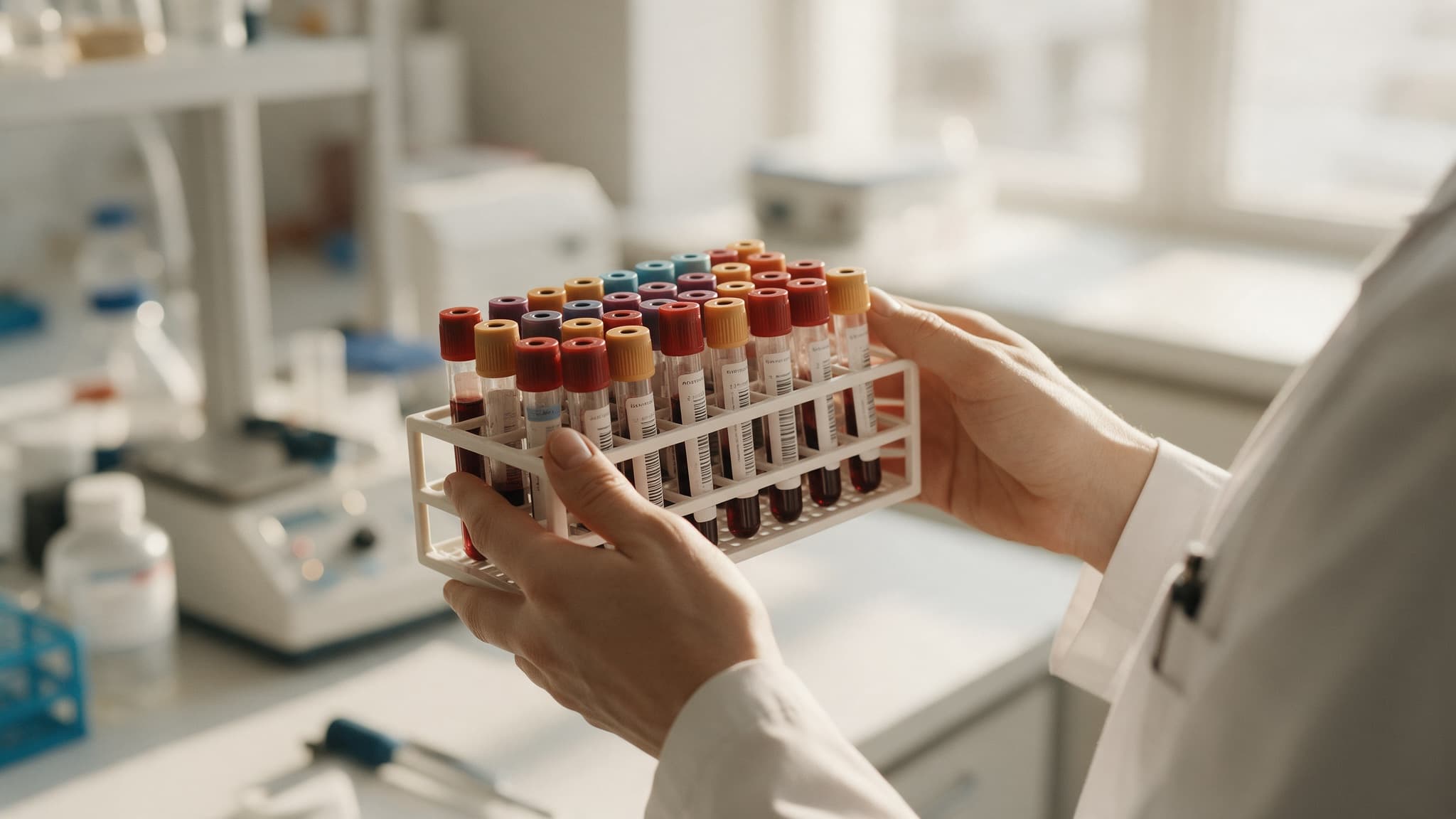
The blood tests that really find serious disease early are ordinary ones: cholesterol particle tests (ApoB and Lp(a)) for heart disease, HbA1c and fasting insulin for diabetes, kidney and liver tests, a full blood count with ferritin, a thyroid test, and one-off screens for hepatitis and HIV. PSA needs a conversation first, and the Alzheimer's blood test is for people with symptoms. The expensive multi-cancer blood tests miss most early cancers. Get the ordinary list yearly and act on what is abnormal.
The blood tests that genuinely catch serious disease early are the unglamorous ones, and I rank them by how much disease they find and how much doing something about it helps: ApoB and a once-in-a-lifetime lipoprotein(a), because atherosclerosis is the disease most likely to kill you and these find it decades before the event; HbA1c with fasting glucose and insulin, because type 2 diabetes is preceded by years of detectable insulin resistance; eGFR and urine albumin, because chronic kidney disease is silent until late and slowed by treatment; ALT, AST and GGT with a full blood count, because fatty liver disease, alcohol damage and blood cancers show here first; ferritin with the full blood count, because iron deficiency is the commonest treatable cause of fatigue and, in men and post-menopausal women, a signal of hidden bleeding; TSH, because thyroid disease is common, silent and cheap to treat; hepatitis B and C and HIV screens once, because all three are treatable and often silent for years; PSA only after a conversation about its false positives; and p-tau217 only if there are cognitive symptoms. I would not order a multi-cancer blood test yet — Galleri finds fewer than one in five stage I cancers and its randomised trial missed — and I would not pay for hundred-analyte panels that bury these dozen tests in noise. Order this list once a year, act on the abnormal ones, and you have most of what a blood test can do for early detection.
- Cardiovascular disease kills more people than every cancer combined, and ApoB plus Lp(a) detects the process decades early with a treatment that has mortality evidence.
- Insulin resistance is visible in fasting insulin years before HbA1c moves; that is the earliest stage of the commonest metabolic disease.
- Kidney disease is silent until it is advanced; eGFR and urine albumin catch it while it can still be slowed.
- Ferritin in a man or post-menopausal woman is a bleeding screen as much as an iron test.
- The multi-cancer blood test is the one that markets itself as early detection and is the one that detects least at early stages.
CureMed grades this on human trial evidence; animal data never raises a grade.
Blood tests that detect serious disease early, ranked
Ranked on: how much serious disease each test detects at a stage where treatment changes the outcome, weighted by how common and how deadly the disease is and by the strength of the evidence for acting on the result. A test that finds disease you cannot yet treat ranks below one that finds disease you can.
| # | Option | Verdict | Grade |
|---|---|---|---|
| 1 | ApoB and lipoprotein(a) | Finds the biggest killer decades early; the treatment works | GRADE AEstablished |
| 2 | HbA1c with fasting glucose and fasting insulin | Catches diabetes years before it is diabetes | GRADE AEstablished |
| 3 | eGFR and urine albumin-to-creatinine ratio | Kidney disease is silent until late; this finds it early | GRADE AEstablished |
| 4 | Liver enzymes (ALT, AST, GGT) with a full blood count | Fatty liver, alcohol damage and blood cancers show here first | GRADE AEstablished |
| 5 | Ferritin (with the full blood count) | The commonest treatable cause of fatigue, and a bleeding screen | GRADE AEstablished |
| 6 | TSH | Common, silent, cheap to find and treat | GRADE BPromising |
| 7 | Hepatitis B, hepatitis C and HIV screens | Once, because all three are treatable and silent for years | GRADE BPromising |
| 8 | hs-CRP | A risk refiner, not a disease finder | GRADE BPromising |
| 9 | PSA | Finds prostate cancer early — and finds cancers that would never matter | GRADE CEarly |
| 10 | p-tau217 (Alzheimer's blood test) | Excellent test — for people with symptoms | GRADE CEarly |
| 11 | Multi-cancer early detection blood tests (Galleri and similar) | Sold as early detection; detects least at early stages | GRADE DInsufficient or unsafe |
| 12 | Hundred-analyte 'longevity panels' | The dozen useful tests, buried | GRADE DInsufficient or unsafe |
- 01
ApoB and lipoprotein(a)
GRADE AEstablishedFinds the biggest killer decades early; the treatment worksAtherosclerosis builds silently for decades and ApoB counts the particles that build it more accurately than LDL; lipoprotein(a) is a genetic risk factor that raises cardiovascular and aortic-valve risk and that nothing else detects. Order ApoB with every lipid panel and Lp(a) once in a lifetime. A high result leads to ApoB-lowering therapy with randomised mortality evidence. If you have one blood test this year, this is it.
- 02
HbA1c with fasting glucose and fasting insulin
GRADE AEstablishedCatches diabetes years before it is diabetesHbA1c finds established dysglycaemia; fasting insulin rises years earlier, while the pancreas is still compensating, and that is the stage at which weight, activity and diet reverse the process most reliably. Order all three annually from forty, earlier with a family history or a large waist. Act on an HbA1c of 5.7% or above and on a fasting insulin in the upper range.
- 03
eGFR and urine albumin-to-creatinine ratio
GRADE AEstablishedKidney disease is silent until late; this finds it earlyChronic kidney disease produces no symptoms until most function is gone, and it is slowed by blood-pressure control, SGLT2 inhibitors and avoiding nephrotoxic drugs — all of which work better earlier. The urine albumin test finds damage before eGFR falls. Annually for anyone with hypertension, diabetes or a family history; every few years for everyone else.
- 04
Liver enzymes (ALT, AST, GGT) with a full blood count
GRADE AEstablishedFatty liver, alcohol damage and blood cancers show here firstMetabolic fatty liver disease is now the commonest liver condition and is reversible early; a raised ALT is often the first sign. GGT flags alcohol. The full blood count catches anaemia, and its white-cell and platelet lines are where leukaemias and marrow disorders first appear. Cheap, annual, and I read the platelet count as carefully as the haemoglobin.
- 05
Ferritin (with the full blood count)
GRADE AEstablishedThe commonest treatable cause of fatigue, and a bleeding screenLow ferritin is iron deficiency long before anaemia; in a menstruating woman it is usually dietary or menstrual, and in a man or post-menopausal woman it is a reason to look for gastrointestinal blood loss — including colorectal cancer. High ferritin flags inflammation, liver disease or haemochromatosis. Pair it with hs-CRP, because inflammation inflates it.
- 06
TSH
GRADE BPromisingCommon, silent, cheap to find and treatHypothyroidism mimics ageing — fatigue, weight gain, low mood, high cholesterol — and is treated with a generic tablet. Overactive thyroid causes palpitations and bone loss. One TSH every few years, or whenever symptoms suggest it; annually over sixty.
- 07
Hepatitis B, hepatitis C and HIV screens
GRADE BPromisingOnce, because all three are treatable and silent for yearsEach can run silently for a decade while damaging the liver or immune system, and each is now treatable or curable. Guidelines recommend at least one lifetime screen for adults; I would order all three once, and repeat with any risk exposure.
- 08
hs-CRP
GRADE BPromisingA risk refiner, not a disease finderPersistently raised hs-CRP adds to cardiovascular risk estimates and points to hidden inflammation. It spikes with any infection, so it must be repeated a month apart before acting on it. Useful alongside ApoB; not a screen on its own.
- 09
PSA
GRADE CEarlyFinds prostate cancer early — and finds cancers that would never matterPSA detects prostate cancer early and reduces prostate-cancer deaths modestly in trials, at the cost of many false positives, biopsies and overdiagnosed cancers that would never have caused harm. I would order it only after a conversation about that trade, generally from fifty, earlier with a family history or African ancestry.
- 10
p-tau217 (Alzheimer's blood test)
GRADE CEarlyExcellent test — for people with symptomsMatches amyloid PET closely and is approved for people with cognitive symptoms, where it guides diagnosis and eligibility for treatment. In a well adult it finds pathology years early with no treatment that changes the course enough to justify knowing. I would not order it as a screen.
- 11
Multi-cancer early detection blood tests (Galleri and similar)
GRADE DInsufficient or unsafeSold as early detection; detects least at early stagesDetects about 17% of stage I cancers, so misses more than four in five at the stage that matters; the only randomised trial missed its primary endpoint; a false positive takes months and multiple scans to resolve. I would not order it until the mortality data read out, and I would not let it replace the guideline cancer screens that do have evidence.
- 12
Hundred-analyte 'longevity panels'
GRADE DInsufficient or unsafeThe dozen useful tests, buriedEverything above is in there somewhere, alongside markers with no target, no noise band and no treatment. The extra analytes generate findings and retests, not decisions. Order the list on this page individually for a fraction of the price.
What I would order, and when
A pharmacist's early-detection blood panel
| Test | How often | Act on | Then what |
|---|---|---|---|
| ApoB | Yearly | > 80 mg/dL general; > 60–70 with risk | Diet, weight; ApoB-lowering therapy where indicated |
| Lipoprotein(a) | Once in a lifetime | ≥ 50 mg/dL (≥ 125 nmol/L) | Lower ApoB more aggressively; screen relatives |
| HbA1c, fasting glucose, fasting insulin | Yearly from 40; earlier with risk | HbA1c ≥ 5.7%; insulin in upper range | Weight, activity, diet; medication at 6.5% |
| eGFR + urine ACR | Yearly with hypertension or diabetes; every 2–3 years otherwise | eGFR < 60 or ACR ≥ 3 mg/mmol | Blood pressure to target; nephrology if progressing |
| ALT, AST, GGT | Yearly | Any elevation, confirmed on repeat | Alcohol, weight; imaging for fatty liver; hepatitis screen |
| Full blood count + ferritin | Yearly | Anaemia; ferritin < 30 or > 300 | Find the cause — bleeding in men and post-menopausal women |
| TSH | Every 2–3 years; yearly over 60 | Outside the reference range | Treat; recheck in 6–8 weeks |
| Hepatitis B, hepatitis C, HIV | Once; repeat with exposure | Any positive | Treatment — all three are treatable |
| hs-CRP | With ApoB; repeat a month apart if raised | > 3 mg/L twice | Look for a source; refine cardiovascular risk |
| PSA | From 50 after discussion; 45 with risk | Rising trend more than a single value | Repeat; MRI before biopsy |
Frequently asked questions
What blood tests detect serious diseases at early stages?
ApoB and a once-in-a-lifetime lipoprotein(a) for atherosclerosis; HbA1c with fasting glucose and insulin for diabetes years before it develops; eGFR and urine albumin for silent kidney disease; liver enzymes and a full blood count for fatty liver, alcohol damage and blood cancers; ferritin for iron deficiency and hidden bleeding; TSH for thyroid disease; and one-off hepatitis B, C and HIV screens. PSA needs a conversation first; the Alzheimer's blood test is for people with symptoms; multi-cancer blood tests miss most early cancers.
Can a blood test detect cancer early?
Mostly no. A full blood count can reveal leukaemias and marrow disorders, and a low ferritin in a man or post-menopausal woman is a reason to look for bowel cancer, but most solid cancers are found early by colonoscopy, mammography, cervical screening and low-dose CT in smokers — not by blood. Multi-cancer blood tests detect about 17% of stage I cancers and their randomised trial missed; I would not rely on one.
Which single blood test is most worth getting?
ApoB with a lipoprotein(a). Cardiovascular disease kills more people than all cancers combined, ApoB detects the process decades before an event more accurately than LDL, Lp(a) finds a genetic risk nothing else detects, and the treatment that follows has randomised mortality evidence. Ask for both by name; standard panels leave them out.
How early can a blood test detect diabetes?
Years before HbA1c reaches the diabetic range. Fasting insulin rises while the pancreas is still compensating — the earliest detectable stage of insulin resistance, and the one most reliably reversed by weight, activity and diet. Order HbA1c, fasting glucose and fasting insulin together, yearly from forty or earlier with risk factors.
Should I get a multi-cancer blood test like Galleri?
Not yet. It detects about 17% of stage I cancers, so it misses more than four in five at the stage early detection is meant to catch; the only randomised trial missed its primary endpoint; and a false positive took a median 162 days and multiple scans to resolve. Keep the guideline cancer screens, which have outcome evidence, and revisit the blood test when its mortality data read out.
Are the big 'longevity panels' worth it?
No. The dozen useful tests on this page are in there, buried among markers with no target, no known noise band and no treatment, which generate findings and retests rather than decisions. Order the useful dozen individually — they cost a fraction of the panel and every one leads somewhere.
Keep reading
- Early disease detection
The full evidence ledger, including the multi-cancer test trials.
- Best longevity blood tests and biomarkers to monitor
Targets, noise bands and retest intervals for each marker.
- Which early disease detection tests are worth paying for?
The same tests ranked on value.
- Free stack check
Several supplements move liver and kidney markers — tell me what you take before you test.
More in Early disease detection
- How to get comprehensive early disease detection at once?
A single morning can cover comprehensive early disease detection: a blood panel, key measurements, guideline cancer screens, and imaging with real evidence.
- Best early disease detection package for proactive health monitoring.
An annual evidence-based blood panel plus guideline cancer screens, assembled yourself for a few hundred a year, ranks first, ahead of paid subscriptions.
- Comprehensive early disease detection tests for full body screening.
Full-body screening ranked organ by organ: the best test for heart, metabolic, kidney, liver, thyroid, colon, breast and prostate beats one whole-body scan.
- Advanced early disease detection technology for high risk patients.
Advanced detection earns its place only where risk is high and defined: low-dose CT for smokers, breast MRI for BRCA carriers, ctDNA monitoring after cancer.
- Premium early disease detection program for preventive healthcare.
The best premium detection programmes buy physician time, follow-through, fitness testing, and coordinated screening — not whole-body MRI or blood tests.
- Best early disease detection services for long term wellness.
A primary-care physician who runs the evidence-based schedule and owns every result ranks first for decades; single-test services like whole-body MRI rank last.