Comprehensive early disease detection tests for full body screening.

See more of CureMed in your Google results.
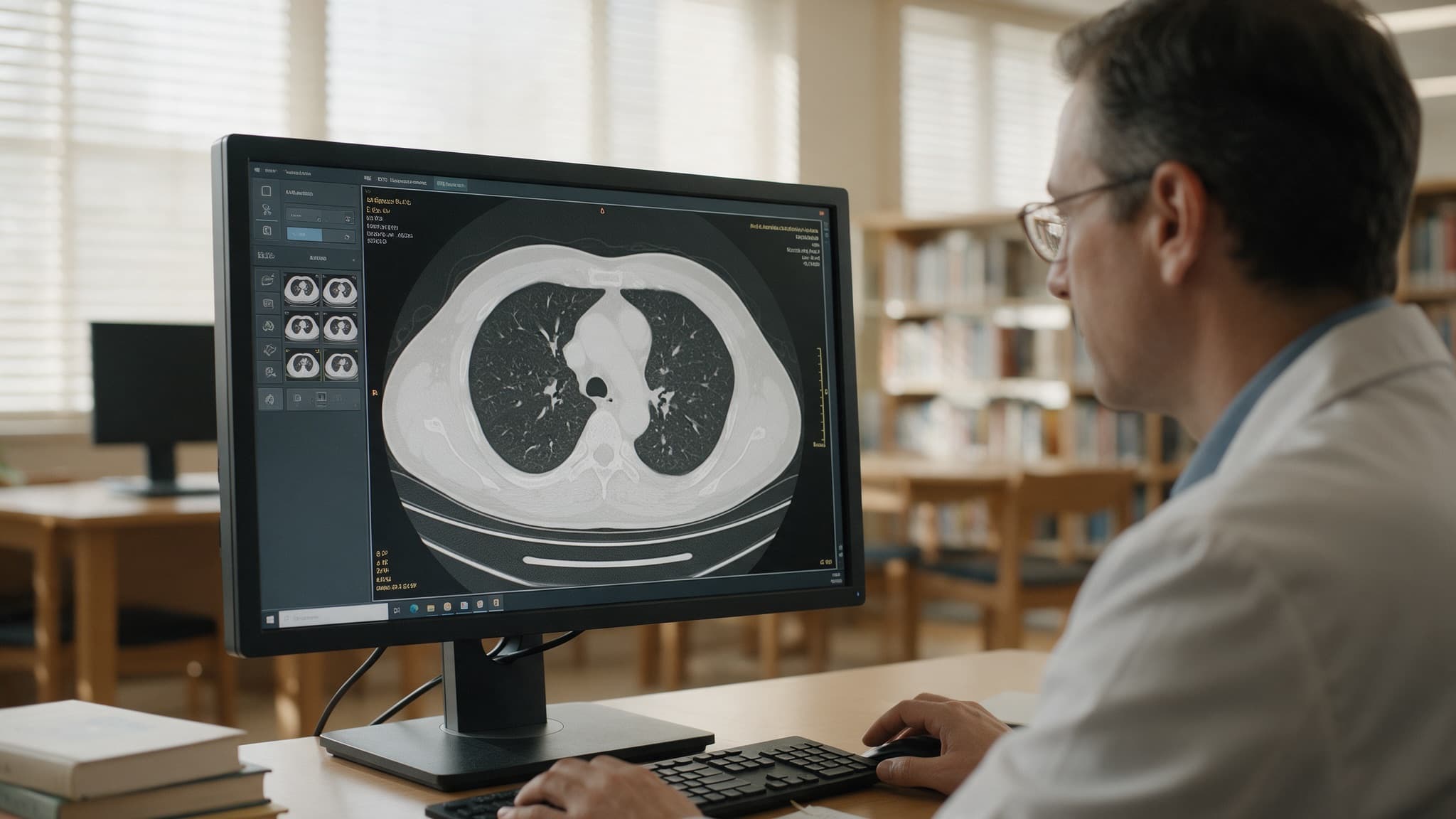
A genuine full-body screen is a set of tests, one for each organ system, each proven for that organ: blood tests and a blood-pressure cuff for the heart, metabolism, kidneys, liver, blood and thyroid; colonoscopy or a stool test for the colon; mammography and cervical screening; a lung CT for heavy smokers only; a skin check; PSA after a conversation; and cognitive tests when symptoms appear. A whole-body MRI covers every one of these worse and finds something in a third of healthy people. Comprehensive means thirteen small decisions, not one big scan.
Comprehensive full-body screening is real, and it is not a whole-body scan: it is the best-evidenced test for each organ system, run on its own interval. Ranked by organ system on the evidence for each test: heart and vessels — ApoB, lipoprotein(a), blood pressure, and a coronary calcium score at intermediate risk; metabolism — HbA1c, fasting glucose and insulin, waist; kidneys — eGFR and urine albumin; liver — ALT, AST, GGT; blood — full blood count and ferritin; thyroid — TSH; colon — colonoscopy or an approved stool or blood-based test; breast — mammography in the guideline range; cervix — HPV or cytology screening; lungs — low-dose CT in heavy smokers only; skin — a full-skin examination; prostate — PSA after a conversation about its trade-offs; brain — cognitive assessment when symptoms arise, with p-tau217 for people who have them. Whole-body MRI covers every system worse than the system-specific test and adds a finding in a third of people with no benefit; multi-cancer blood tests cover cancer worse than the guideline screens. Full-body screening done comprehensively is thirteen decisions, most of them cheap, not one expensive scan.
- 'Full body' is a property of the list, not of the machine: a scan that images everything detects each disease worse than the test designed for it.
- The heart, metabolism and kidneys — the systems that fail most often — are screened by blood and a cuff, not by imaging.
- Cancer screening is organ-specific by design, because each cancer has its own precursor, its own test and its own interval.
- Lung and prostate screening are the two where the population matters most: life-saving in heavy smokers and after an informed conversation respectively, harmful otherwise.
- The brain is the system where the accurate test exists and the reason to use it in the well does not, yet.
CureMed grades this on human trial evidence; animal data never raises a grade.
Full-body screening, organ system by organ system
Ranked on: for each organ system, the test with the strongest evidence that finding its commonest serious disease early improves an outcome; systems are ordered by how much premature death and disability their diseases cause. Grades apply to the test for that system, in the population it is indicated for.
| # | Option | Verdict | Grade |
|---|---|---|---|
| 1 | Heart and blood vessels — ApoB, lipoprotein(a), blood pressure, calcium score at intermediate risk | The system that kills most; screened by blood and a cuff | GRADE AEstablished |
| 2 | Metabolism — HbA1c, fasting glucose and insulin, waist circumference | Diabetes is detectable years before it is diabetes | GRADE AEstablished |
| 3 | Kidneys — eGFR and urine albumin-to-creatinine ratio | Silent until late; slowed by early treatment | GRADE AEstablished |
| 4 | Liver — ALT, AST, GGT | Fatty liver is common, silent and reversible early | GRADE AEstablished |
| 5 | Blood — full blood count and ferritin | Anaemia, iron deficiency, hidden bleeding, blood cancers | GRADE AEstablished |
| 6 | Thyroid — TSH | Common, silent, cheap, treatable | GRADE BPromising |
| 7 | Colon — colonoscopy, or an approved stool-DNA or blood-based test | Finds and removes the precursor; mortality evidence | GRADE AEstablished |
| 8 | Breast — mammography in the guideline range | Proven benefit with quantified harms | GRADE BPromising |
| 9 | Cervix — HPV testing or cytology | One of the great successes of screening | GRADE AEstablished |
| 10 | Lungs — low-dose CT, heavy smokers only | Life-saving in one population; harmful outside it | GRADE AEstablished |
| 11 | Skin — full-skin examination | Cheap, low-harm, and early melanoma detection changes survival | GRADE BPromising |
| 12 | Prostate — PSA, after a conversation | Finds cancer early, and cancers that never matter | GRADE CEarly |
| 13 | Brain — cognitive assessment when symptoms arise; p-tau217 for people who have them | The accurate test exists; the reason to screen the well does not, yet | GRADE CEarly |
| 14 | Whole-body MRI as full-body screening | Covers every system worse than the system's own test | GRADE DInsufficient or unsafe |
| 15 | Multi-cancer blood tests as cancer screening | Covers cancer worse than the organ-specific screens | GRADE DInsufficient or unsafe |
- 01
Heart and blood vessels — ApoB, lipoprotein(a), blood pressure, calcium score at intermediate risk
GRADE AEstablishedThe system that kills most; screened by blood and a cuffApoB yearly and Lp(a) once quantify atherogenic risk decades before an event; blood pressure is the single most consequential screen in medicine; a coronary calcium score reclassifies intermediate risk to guide a statin decision. Each feeds treatment with randomised mortality evidence. No imaging beyond the calcium score is needed in the asymptomatic.
- 02
Metabolism — HbA1c, fasting glucose and insulin, waist circumference
GRADE AEstablishedDiabetes is detectable years before it is diabetesFasting insulin rises first, HbA1c later; a waist measurement adds the visceral-fat signal that drives both. Yearly from forty or earlier with risk. The treatment at the early stage is lifestyle, and it works best exactly then.
- 03
Kidneys — eGFR and urine albumin-to-creatinine ratio
GRADE AEstablishedSilent until late; slowed by early treatmentUrine albumin detects damage before eGFR falls; both are cheap. Chronic kidney disease is slowed by blood-pressure control and SGLT2 inhibitors, and the earlier the better. Yearly with hypertension or diabetes.
- 04
Liver — ALT, AST, GGT
GRADE AEstablishedFatty liver is common, silent and reversible earlyA raised ALT is often the first sign of metabolic fatty liver disease; GGT flags alcohol. Confirmed elevation leads to imaging and a hepatitis screen. Yearly, with the panel.
- 05
Blood — full blood count and ferritin
GRADE AEstablishedAnaemia, iron deficiency, hidden bleeding, blood cancersThe blood count catches anaemia and the white-cell and platelet abnormalities of marrow disease; ferritin finds iron deficiency before anaemia and, in men and post-menopausal women, is a reason to look for gastrointestinal blood loss. Yearly.
- 06
Thyroid — TSH
GRADE BPromisingCommon, silent, cheap, treatableEvery two to three years, yearly over sixty, and with any suggestive symptom. Both under- and over-activity are treated with generic medicines.
- 07
Colon — colonoscopy, or an approved stool-DNA or blood-based test
GRADE AEstablishedFinds and removes the precursor; mortality evidenceColonoscopy on the guideline schedule detects and removes precancerous polyps; stool-DNA and blood-based tests are less sensitive for precursors but proven enough for people who will not have a colonoscopy. A positive on either leads to colonoscopy.
- 08
Breast — mammography in the guideline range
GRADE BPromisingProven benefit with quantified harmsRandomised evidence of reduced breast-cancer mortality; false positives and overdiagnosis are measured and real. Supplemental imaging for dense breasts is a discussion, not a default.
- 09
Cervix — HPV testing or cytology
GRADE AEstablishedOne of the great successes of screeningCervical screening detects precancerous change and has reduced cervical-cancer incidence and mortality wherever it is delivered on schedule. HPV-based testing extends the interval.
- 10
Lungs — low-dose CT, heavy smokers only
GRADE AEstablishedLife-saving in one population; harmful outside itAnnual low-dose CT reduces lung-cancer mortality in people with a heavy smoking history; in never-smokers it generates false positives and overdiagnosis without the benefit. The population is the whole decision.
- 11
Skin — full-skin examination
GRADE BPromisingCheap, low-harm, and early melanoma detection changes survivalYearly with significant sun exposure or a history of skin cancer; sooner for any changing lesion. The full-body screen that genuinely involves the full body, done by eye.
- 12
Prostate — PSA, after a conversation
GRADE CEarlyFinds cancer early, and cancers that never matterModest reduction in prostate-cancer deaths in trials against many false positives, biopsies and overdiagnosed cancers. From fifty after an informed conversation, earlier with family history or African ancestry; a rising trend matters more than one value; MRI before biopsy.
- 13
Brain — cognitive assessment when symptoms arise; p-tau217 for people who have them
GRADE CEarlyThe accurate test exists; the reason to screen the well does not, yetPlasma p-tau217 matches amyloid PET and guides diagnosis and treatment eligibility in symptomatic people. In the cognitively well it finds pathology years early with no treatment that changes the course enough to justify it. Screen for symptoms; test the symptomatic.
- 14
Whole-body MRI as full-body screening
GRADE DInsufficient or unsafeCovers every system worse than the system's own testNon-contrast screening protocols are less sensitive than targeted imaging for any specific condition, image nothing about the blood, metabolism or vessels that the panel does not do better, and produce a critical or indeterminate finding in roughly a third of healthy adults with no evidence of benefit. It is one test wearing the name of thirteen.
- 15
Multi-cancer blood tests as cancer screening
GRADE DInsufficient or unsafeCovers cancer worse than the organ-specific screensDetects about 17% of stage I cancers, missed its randomised endpoint, and does not replace colorectal, breast, cervical or lung screening for any of the cancers those detect. A supplement to the list at best, and not yet an evidence-based one.
The full-body checklist
Thirteen systems, thirteen tests
| System | Test | Interval | Whole-body MRI covers it? |
|---|---|---|---|
| Heart and vessels | ApoB; Lp(a) once; blood pressure; calcium score at intermediate risk | Yearly; once; weekly at home; once | No — cannot see ApoB, pressure or calcium burden as well |
| Metabolism | HbA1c, fasting glucose, fasting insulin; waist | Yearly | No |
| Kidneys | eGFR; urine albumin | Yearly with risk | Structure only; not function |
| Liver | ALT, AST, GGT | Yearly | Fat, sometimes; not enzymes |
| Blood | Full blood count; ferritin | Yearly | No |
| Thyroid | TSH | 2–3 years; yearly over 60 | Nodules, not function — and nodules are mostly benign |
| Colon | Colonoscopy or approved stool / blood test | Guideline interval | No — cannot see polyps |
| Breast | Mammography | Guideline interval | Not to screening standard |
| Cervix | HPV test or cytology | Guideline interval | No |
| Lungs | Low-dose CT, heavy smokers | Yearly | Worse than dedicated low-dose CT |
| Skin | Full-skin examination | Yearly with exposure | No |
| Prostate | PSA after discussion | By discussion | Not as a screen |
| Brain | Cognitive assessment; p-tau217 if symptomatic | When symptoms arise | Structure only; not the pathology that matters early |
Frequently asked questions
What are the most comprehensive tests for full-body screening?
The best-evidenced test for each organ system: ApoB, Lp(a), blood pressure and a calcium score at intermediate risk for the heart; HbA1c and fasting insulin for metabolism; eGFR and urine albumin for kidneys; liver enzymes; a full blood count and ferritin; TSH; colonoscopy or an approved stool or blood test for the colon; mammography; cervical screening; low-dose CT in heavy smokers; a skin examination; PSA after a conversation; and cognitive testing with p-tau217 when symptoms arise. A whole-body MRI covers each of these worse than the test designed for it.
Is a whole-body MRI a good full-body screening test?
No. Screening protocols are non-contrast and less sensitive than targeted imaging for any specific condition; the scan sees nothing about the blood, metabolism or vessels that the panel does not measure better; it cannot detect colon polyps or screen breasts to standard; and it produces a critical or indeterminate finding in about a third of healthy adults with no evidence of benefit. It is one test wearing the name of thirteen.
Which organ systems are screened by blood tests rather than imaging?
The ones that fail most often: heart and vessels (ApoB, Lp(a)), metabolism (HbA1c, insulin), kidneys (eGFR, urine albumin), liver (enzymes), blood (count and ferritin) and thyroid (TSH). One fasting draw and a first-morning urine cover all six; imaging adds nothing for early detection in the asymptomatic except a calcium score at intermediate cardiovascular risk.
How is cancer covered in a full-body screen?
Organ by organ, because each cancer has its own precursor, test and interval: colonoscopy or an approved stool or blood test for colon; mammography for breast; HPV or cytology for cervix; low-dose CT for lung in heavy smokers; a skin examination for melanoma; PSA for prostate after an informed conversation. Multi-cancer blood tests detect about 17% of stage I cancers and do not replace any of these.
Should brain screening be part of a full-body check?
Screen for symptoms, and test the symptomatic. Plasma p-tau217 matches amyloid PET and guides diagnosis and treatment eligibility in people with cognitive symptoms; in the cognitively well it finds pathology years early with no treatment that changes the course enough to justify knowing. A brain MRI in the asymptomatic finds incidental structure, not the pathology that matters early.
How often should a full-body screen be repeated?
The blood panel, measurements and skin check yearly; Lp(a) once; cancer screens on their guideline intervals; low-dose CT yearly for heavy smokers; a calcium score once at intermediate risk; TSH every two to three years; prostate and brain testing by conversation and by symptoms. Comprehensive means each test on its own schedule, not everything at once every year.
Keep reading
- How to get comprehensive early disease detection at once?
The same checklist arranged into one morning.
- What blood tests detect serious diseases at early stages?
The six blood-tested systems in detail.
- Early disease detection
The full evidence ledger, including whole-body MRI and multi-cancer tests.
- Which early disease detection tests are worth paying for?
The same tests ranked on value.
More in Early disease detection
- What blood tests detect serious diseases at early stages?
ApoB, Lp(a), HbA1c and fasting insulin rank as the top blood tests for catching serious disease early — with multi-cancer blood tests not yet worth ordering.
- How to get comprehensive early disease detection at once?
A single morning can cover comprehensive early disease detection: a blood panel, key measurements, guideline cancer screens, and imaging with real evidence.
- Best early disease detection package for proactive health monitoring.
An annual evidence-based blood panel plus guideline cancer screens, assembled yourself for a few hundred a year, ranks first, ahead of paid subscriptions.
- Advanced early disease detection technology for high risk patients.
Advanced detection earns its place only where risk is high and defined: low-dose CT for smokers, breast MRI for BRCA carriers, ctDNA monitoring after cancer.
- Premium early disease detection program for preventive healthcare.
The best premium detection programmes buy physician time, follow-through, fitness testing, and coordinated screening — not whole-body MRI or blood tests.
- Best early disease detection services for long term wellness.
A primary-care physician who runs the evidence-based schedule and owns every result ranks first for decades; single-test services like whole-body MRI rank last.