Best early disease detection package for proactive health monitoring.

See more of CureMed in your Google results.
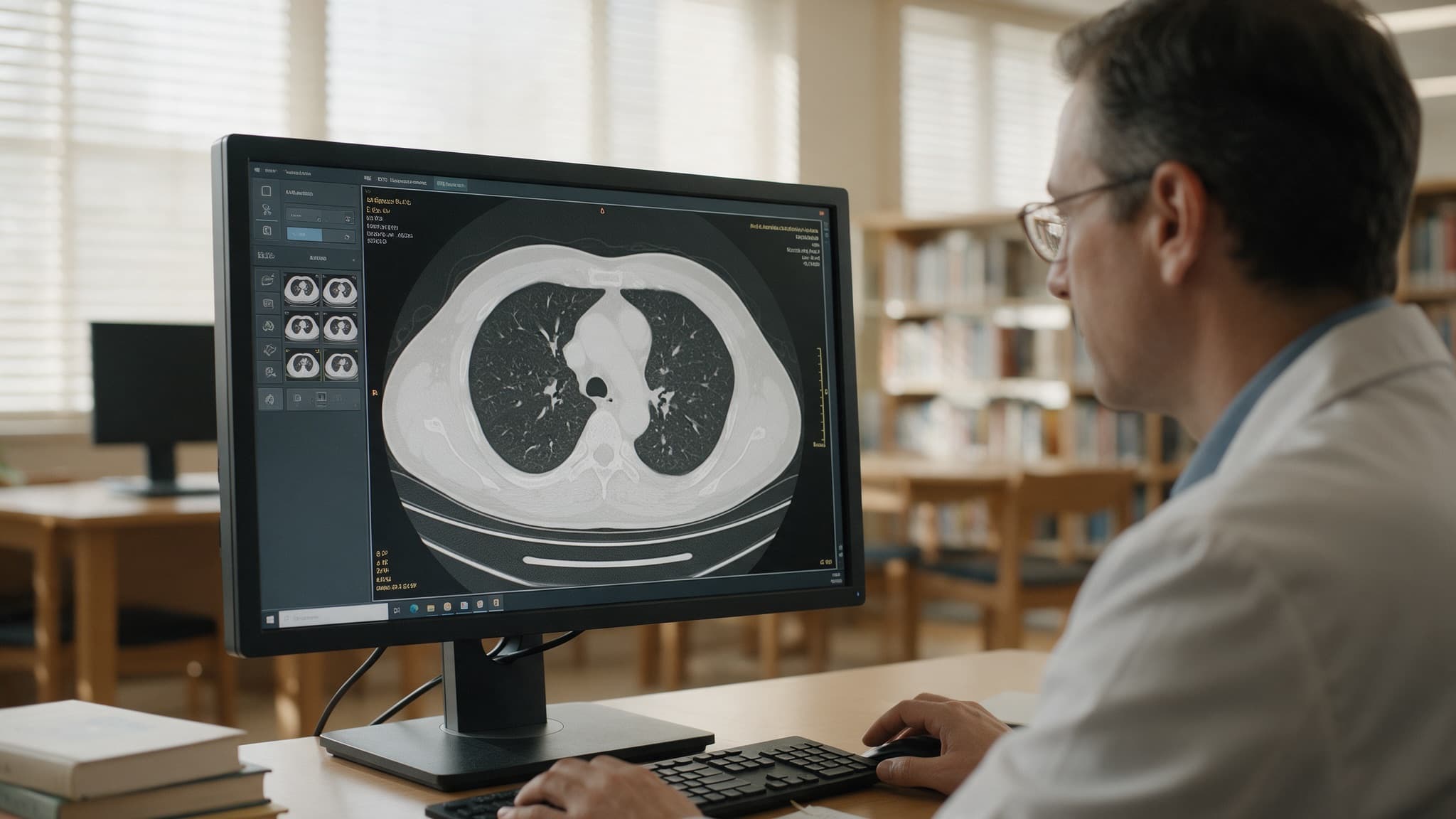
The best early-detection package is one you put together from tests that have been proven to help — a yearly blood panel, blood pressure and waist, a skin check, the cancer screens for your age, a lung CT if you smoke heavily, a heart calcium scan if you are at medium risk, and a review of your medicines — for a few hundred a year. Guideline screening programmes come next. Blood-panel subscriptions and concierge memberships each get half of it right at a much higher price, and packages built around whole-body MRI or multi-cancer blood tests are built around the tests with the weakest evidence.
The best early disease detection package for proactive monitoring is the one built from components with outcome evidence and repeated on their own intervals — and ranked against the packages actually sold, it comes first by a wide margin: an annual evidence-based blood panel (ApoB, Lp(a), HbA1c with insulin, kidney, liver, blood count and ferritin, TSH), blood pressure and waist, a skin examination, guideline cancer screens on schedule, low-dose CT for heavy smokers, a calcium score at intermediate risk, and a medication review — assembled with your physician for a few hundred a year or less. Second: national or insurer guideline screening programmes, which contain the cancer screens with mortality evidence and nothing else. Third: blood-panel subscriptions, which cover the useful markers cheaply but bury them in a hundred others and provide little physician time. Fourth: concierge diagnostic memberships, which add real consultation time and VO₂max and DEXA, and wrap them in whole-body MRI and novelty tests at a price ten to fifty times the first option. Fifth: MRI-led memberships, which are built around the test with the worst evidence-to-finding ratio. Last: multi-cancer blood-test subscriptions, which monitor proactively for a cancer signal the test mostly misses. Proactive monitoring is a schedule of components, not a product.
- A package is a bundle of decisions; the best package is the one where every decision was made on evidence, which is the one you assemble.
- Guideline screening programmes are underrated packages: they contain exactly the cancer screens with mortality data, free or covered.
- Blood-panel subscriptions get the blood right and the physician time wrong; concierge memberships get the time right and the imaging wrong.
- The two package types built around a single flagship test — MRI and multi-cancer blood tests — are built around the two tests with the least evidence.
- Monitoring means intervals: yearly for the panel, once for Lp(a), guideline schedules for cancer, three months after any change.
Graded by CureMed against human clinical evidence, and reviewed by CureMed Labs.
Early detection packages, ranked
Ranked on: how much of the evidence-based screening list each package contains, how much of the evidence-free list it adds, the physician time and follow-up it provides, and total cost including the cascade its findings trigger.
| # | Option | Verdict | Grade |
|---|---|---|---|
| 1 | The evidence-based package you assemble with your physician | Every component has evidence; nothing is added for margin | GRADE AEstablished |
| 2 | National or insurer guideline screening programmes | The cancer screens with mortality evidence, and only those | GRADE AEstablished |
| 3 | Blood-panel subscriptions (hundred-analyte, app-based) | Right blood, wrong signal-to-noise, little physician time | GRADE CEarly |
| 4 | Concierge diagnostic memberships | Real consultation time and VO₂max; wrapped in imaging without evidence | GRADE CEarly |
| 5 | MRI-led memberships | Built around the test with the worst finding-to-benefit ratio | GRADE DInsufficient or unsafe |
| 6 | Multi-cancer blood-test subscriptions | Monitors for a signal the test mostly misses | GRADE DInsufficient or unsafe |
| 7 | 'Executive physical' bundles | Prestige packaging; documented omissions and grade-D inclusions | GRADE DInsufficient or unsafe |
- 01
The evidence-based package you assemble with your physician
GRADE AEstablishedEvery component has evidence; nothing is added for marginAnnual fasting panel with ApoB, Lp(a) once, HbA1c and fasting insulin, eGFR and urine albumin, liver enzymes, full blood count and ferritin, TSH; blood pressure and waist; a full-skin exam; guideline cancer screens on schedule; low-dose CT if a heavy smoker; a calcium score at intermediate risk; a pharmacist's medication review; a physician to act on the results. Cost: a few hundred a year or less, often largely covered. The package every other package is measured against.
- 02
National or insurer guideline screening programmes
GRADE AEstablishedThe cancer screens with mortality evidence, and only thoseColorectal, breast and cervical screening, plus lung CT for smokers in many systems, delivered on evidence-based intervals at no or low cost. They contain nothing that lacks evidence and omit the blood panel and measurements — which is why they are the second half of the first package rather than a rival to it.
- 03
Blood-panel subscriptions (hundred-analyte, app-based)
GRADE CEarlyRight blood, wrong signal-to-noise, little physician timeThe useful markers are in there — at a fair price — alongside dozens with no target, no noise band and no treatment, generating flags and retests. Physician involvement is thin and asynchronous; cancer screening is absent; the medication review is absent. Useful for the blood if you have a physician to interpret it and the discipline to ignore the rest.
- 04
Concierge diagnostic memberships
GRADE CEarlyReal consultation time and VO₂max; wrapped in imaging without evidenceThe genuine value is extended physician time, measured VO₂max, DEXA and a coordinated plan — things the first package struggles to buy. The price, ten to fifty times higher, buys whole-body MRI, epigenetic age, continuous glucose monitoring in non-diabetics and multi-analyte novelty, none with outcome evidence, and a follow-up cascade that the membership rarely prices. Worth it only if the imaging is declined and the contact time is frequent.
- 05
MRI-led memberships
GRADE DInsufficient or unsafeBuilt around the test with the worst finding-to-benefit ratioA whole-body MRI produces a critical or indeterminate finding in about a third of healthy adults, has no evidence of benefit, and is opposed as a screen by radiology bodies; the membership adds a few blood markers around it. It is proactive at generating findings and unproven at preventing disease.
- 06
Multi-cancer blood-test subscriptions
GRADE DInsufficient or unsafeMonitors for a signal the test mostly missesAnnual Galleri-type testing detects about 17% of stage I cancers, missed its randomised endpoint, and resolves false positives over months of imaging. As a monitoring package it is the least sensitive component sold at the highest recurring price, and it is marketed as a substitute for the guideline screens it does not replace.
- 07
'Executive physical' bundles
GRADE DInsufficient or unsafePrestige packaging; documented omissions and grade-D inclusionsStudies of top-hospital executive packages found services the USPSTF recommends against included and recommended lung CT omitted, at prices from the low thousands to twenty-five thousand. Institutional endorsement of low-value care, in the authors' words.
What proactive monitoring actually looks like
The package as a schedule
| Component | Interval | Trigger for sooner | Who acts |
|---|---|---|---|
| Evidence-based blood panel | Yearly | Three months after any treatment or lifestyle change; new symptoms | Physician, with a pharmacist's review |
| Lipoprotein(a); hepatitis and HIV screens | Once | New exposure | Physician |
| Blood pressure | Home readings weekly; clinic yearly | Average ≥ 130/80 | Physician |
| Waist and weight | Yearly; monthly at home if changing | Rising trend | You, then physician |
| Skin examination | Yearly with sun exposure or history | A changing lesion | Dermatologist or trained GP |
| Colorectal, breast, cervical screening | Guideline intervals | Symptoms; family history | Screening programme |
| Low-dose CT (heavy smokers) | Yearly | — | Programme or physician |
| Coronary calcium score | Once at intermediate risk; repeat after years if zero | — | Physician |
| Medication and supplement review | Yearly and at every change | Any new prescription or supplement | Pharmacist |
Frequently asked questions
What is the best early disease detection package for proactive health monitoring?
The one assembled from components with outcome evidence: an annual blood panel with ApoB and Lp(a), HbA1c and insulin, kidney, liver, blood count, ferritin and TSH; blood pressure, waist and a skin exam; guideline cancer screens on schedule; low-dose CT for heavy smokers; a calcium score at intermediate risk; and a medication review — for a few hundred a year. Guideline screening programmes rank next. Blood-panel subscriptions and concierge memberships each get half right at a higher price; MRI-led and multi-cancer blood-test packages are built around the tests with the least evidence.
Are concierge diagnostic memberships worth it for proactive monitoring?
Only with the imaging declined. Their real value is extended physician time, measured VO₂max, DEXA and a coordinated plan. Their price — ten to fifty times an assembled package — mostly buys whole-body MRI, epigenetic age and novelty panels without outcome evidence, plus an unpriced follow-up cascade. Ask for the contact frequency in writing and the imaging removed, and they can be a reasonable choice.
Is a blood-panel subscription a good early detection package?
It gets the blood partly right — the useful markers are included at a fair price — and everything else wrong: dozens of analytes with no target or treatment that generate flags, thin asynchronous physician involvement, no cancer screening and no medication review. Useful for the blood if you have a physician to interpret it and can ignore the noise.
Why do MRI-led packages rank last?
Because they are built around whole-body MRI, which produces a critical or indeterminate finding in about a third of healthy adults, has no evidence of benefit, is opposed as a screen by radiology bodies, and triggers a follow-up cascade with documented harm. A package organised around that test is proactive at generating findings, not at preventing disease.
How often should a proactive monitoring package be repeated?
The blood panel, measurements and skin exam yearly; lipoprotein(a) and hepatitis and HIV screens once; cancer screens on guideline intervals; low-dose CT yearly for heavy smokers; a calcium score once at intermediate risk; the medication review yearly and at every change. Retest three months after any treatment or lifestyle change and sooner for new symptoms.
Can a multi-cancer blood test be the core of a monitoring package?
No. It detects about 17% of stage I cancers, its randomised trial missed its primary endpoint, and false positives take months of imaging to resolve. It is the least sensitive component sold at the highest recurring price, and it does not replace the colorectal, breast, cervical and lung screens that have mortality evidence.
Keep reading
- How to get comprehensive early disease detection at once?
The first-ranked package, arranged in one morning.
- How to choose the best longevity clinic package?
Unbundling the concierge memberships.
- Which early disease detection tests are worth paying for?
The components ranked on value.
- Longevity health clinics
The pricing tiers and the evidence ledger behind them.
More in Early disease detection
- What blood tests detect serious diseases at early stages?
ApoB, Lp(a), HbA1c and fasting insulin rank as the top blood tests for catching serious disease early — with multi-cancer blood tests not yet worth ordering.
- How to get comprehensive early disease detection at once?
A single morning can cover comprehensive early disease detection: a blood panel, key measurements, guideline cancer screens, and imaging with real evidence.
- Comprehensive early disease detection tests for full body screening.
Full-body screening ranked organ by organ: the best test for heart, metabolic, kidney, liver, thyroid, colon, breast and prostate beats one whole-body scan.
- Advanced early disease detection technology for high risk patients.
Advanced detection earns its place only where risk is high and defined: low-dose CT for smokers, breast MRI for BRCA carriers, ctDNA monitoring after cancer.
- Premium early disease detection program for preventive healthcare.
The best premium detection programmes buy physician time, follow-through, fitness testing, and coordinated screening — not whole-body MRI or blood tests.
- Best early disease detection services for long term wellness.
A primary-care physician who runs the evidence-based schedule and owns every result ranks first for decades; single-test services like whole-body MRI rank last.