How to get comprehensive early disease detection at once?

See more of CureMed in your Google results.
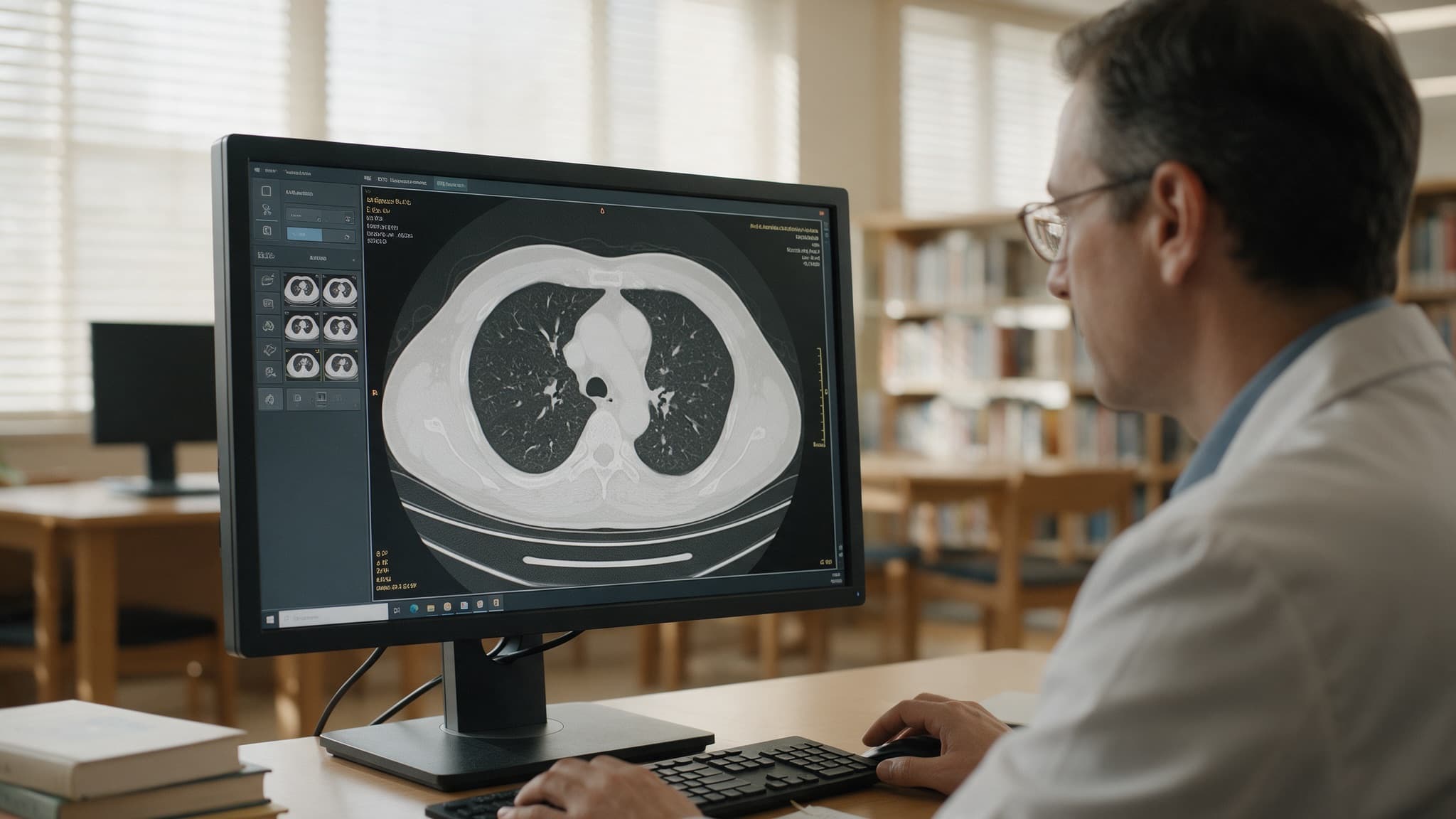
You can get genuinely comprehensive early detection in one morning: one fasting blood draw covering heart, metabolic, kidney, liver, blood and thyroid disease; three quick measurements — blood pressure, waist, a skin check; the cancer screens for your age and sex booked the same day; a lung CT if you are a heavy smoker and a heart calcium scan if you are at medium risk; and a review of your medicines. That covers what actually kills people. Whole-body MRIs, multi-cancer blood tests and huge panels add cost and worry, not coverage.
Comprehensive early detection at once is achievable in a single morning, provided 'comprehensive' means every test with outcome evidence for a person like you rather than every test a clinic can sell. Ranked by how much serious disease each component covers: a fasting blood panel — ApoB, lipoprotein(a), HbA1c with fasting glucose and insulin, eGFR and urine albumin, liver enzymes, full blood count and ferritin, TSH, one-off hepatitis and HIV screens — covers cardiovascular, metabolic, kidney, liver, haematological and thyroid disease in one draw; three measurements — blood pressure, waist and weight, and a full-skin examination — cover hypertension, obesity and skin cancer in ten minutes; guideline cancer screens by age and sex — colorectal, breast, cervical — are booked the same day even if performed later; low-dose CT for heavy smokers and a coronary calcium score at intermediate cardiovascular risk are the two imaging tests worth adding; and a medication review ties it together. What comprehensive does not mean: a whole-body MRI, a multi-cancer blood test, a hundred-analyte panel or a genome sequence, each of which adds cost and findings without evidence. Arrange the evidence-based list with your physician or a reputable laboratory and you have done in one morning what the packages charge thousands for and do worse.
- Comprehensive is a property of coverage, not of the number of tests: the evidence-based list covers the diseases that cause most deaths, and the packages cover the ones that generate most findings.
- One fasting blood draw covers six organ systems; that is the core of a comprehensive screen and it costs very little.
- The measurements nobody sells — blood pressure, waist, a skin exam — cover three of the most consequential conditions in ten minutes.
- Cancer screening is age- and sex-specific and cannot be replaced by a blood test or a scan; it is booked, not bundled.
- The general health check as a bundle has no mortality benefit in 17 randomised trials; the components do — which is why the list is built from components.
CureMed ranks on published human evidence, and screens drug interactions first.
The components, ranked by what each covers
Ranked on: how much serious, treatable disease each component detects early relative to its cost and burden, for a typical adult. Components with outcome evidence rank above components that generate findings.
| # | Option | Verdict | Grade |
|---|---|---|---|
| 1 | One fasting blood draw — the evidence-based panel | Six organ systems in one needle | GRADE AEstablished |
| 2 | Three measurements — blood pressure, waist and weight, full-skin examination | Three of the most consequential conditions in ten minutes | GRADE AEstablished |
| 3 | Guideline cancer screens by age and sex — booked the same day | The only cancer early detection with outcome evidence | GRADE AEstablished |
| 4 | Low-dose CT, if you are a heavy smoker or recent ex-smoker | The one cancer imaging screen with a mortality benefit | GRADE AEstablished |
| 5 | Coronary artery calcium score, at intermediate cardiovascular risk | One low-dose scan that settles the statin question | GRADE BPromising |
| 6 | A medication and supplement review | The component that makes the results actionable | GRADE AEstablished |
| 7 | Targeted genetic testing, with a strong family history | Comprehensive for the few, not the many | GRADE BPromising |
| 8 | Whole-body MRI | The package's centrepiece; the plan's omission | GRADE DInsufficient or unsafe |
| 9 | Multi-cancer blood test, hundred-analyte panel, genome sequence | Coverage in name; findings in practice | GRADE DInsufficient or unsafe |
- 01
One fasting blood draw — the evidence-based panel
GRADE AEstablishedSix organ systems in one needleApoB and lipoprotein(a); HbA1c, fasting glucose and fasting insulin; eGFR and urine albumin-to-creatinine ratio; ALT, AST and GGT; full blood count and ferritin; TSH; hepatitis B, hepatitis C and HIV once. Cardiovascular, metabolic, renal, hepatic, haematological and thyroid disease, each at a stage where treatment changes the course. Ask for ApoB and Lp(a) by name.
- 02
Three measurements — blood pressure, waist and weight, full-skin examination
GRADE AEstablishedThree of the most consequential conditions in ten minutesBlood pressure is the most consequential screen in medicine and needs a cuff; waist and weight define metabolic risk; a full-skin check by a trained clinician finds the melanomas and non-melanoma cancers sun exposure causes. None is sold in a package because none has a margin.
- 03
Guideline cancer screens by age and sex — booked the same day
GRADE AEstablishedThe only cancer early detection with outcome evidenceColorectal screening (colonoscopy or an approved stool or blood-based test), mammography and cervical screening within guideline ages. They cannot be done in the same morning as the blood draw, but they can be booked in it, and a comprehensive plan is not complete until they are.
- 04
Low-dose CT, if you are a heavy smoker or recent ex-smoker
GRADE AEstablishedThe one cancer imaging screen with a mortality benefitAnnual low-dose chest CT reduces lung-cancer deaths in randomised trials in people with a heavy smoking history. Add it to the plan if you qualify; it is not for never-smokers, in whom it mostly generates false positives.
- 05
Coronary artery calcium score, at intermediate cardiovascular risk
GRADE BPromisingOne low-dose scan that settles the statin questionFor adults whose ApoB, blood pressure and history put them at intermediate risk, a calcium score reclassifies in both directions and guides a treatment with outcome evidence. Same morning as the blood draw if a scanner is nearby; not needed at very low risk or if already treated.
- 06
A medication and supplement review
GRADE AEstablishedThe component that makes the results actionableSeveral common medicines and supplements move liver, kidney and thyroid markers, and the treatments the panel leads to interact with what you already take. A pharmacist's review at the same visit turns a list of results into a set of decisions. It is the cheapest line on the plan and the one every package omits.
- 07
Targeted genetic testing, with a strong family history
GRADE BPromisingComprehensive for the few, not the manyWhere a specific cancer or familial hypercholesterolaemia runs strongly in the family, a targeted gene test changes screening intervals and sometimes treatment. Add it for the family history; skip whole-genome sequencing, which is comprehensive in data and not in decisions.
- 08
Whole-body MRI
GRADE DInsufficient or unsafeThe package's centrepiece; the plan's omissionA finding in roughly a third of healthy people, most not disease, no evidence of benefit, and a follow-up cascade with documented harm. It is what makes a package feel comprehensive and what makes it worse than the components. Leave it out.
- 09
Multi-cancer blood test, hundred-analyte panel, genome sequence
GRADE DInsufficient or unsafeCoverage in name; findings in practiceGalleri misses most stage I cancers and its trial missed; the large panels bury the useful dozen tests in noise; sequencing a healthy adult yields variants of uncertain significance. None adds coverage of a disease that the evidence-based list does not already cover better.
How to arrange it in one morning
The comprehensive morning
| Time | Component | Where | Prepares for |
|---|---|---|---|
| Before | Fast overnight; bring every medicine and supplement you take; note family history of cancer, heart disease and diabetes | Home | Accurate fasting values; the medication review; the genetic-testing decision |
| 08:00 | Fasting blood draw — the evidence-based panel; first-morning urine for albumin | Laboratory or clinic | Six organ systems |
| 08:30 | Blood pressure (seated, twice), waist, weight; full-skin examination | Clinic | Hypertension, metabolic risk, skin cancer |
| 09:00 | Medication and supplement review; family-history review | Pharmacist or physician | Interpreting the panel; deciding on genetic testing |
| 09:30 | Book: colorectal, breast and cervical screening as due; low-dose CT if a heavy smoker; calcium score if intermediate risk | Clinic front desk | The cancer and imaging screens with evidence |
| 10:00 | Home. Results in days; a follow-up to act on the abnormal ones | — | Decisions, not a dashboard |
Frequently asked questions
How can I get comprehensive early disease detection in one visit?
One fasting blood draw — ApoB, Lp(a), HbA1c with fasting glucose and insulin, eGFR and urine albumin, liver enzymes, full blood count and ferritin, TSH, one-off hepatitis and HIV screens — plus blood pressure, waist and weight, a full-skin examination, a medication review, and the guideline cancer screens booked the same morning. Add low-dose CT if you are a heavy smoker and a coronary calcium score at intermediate cardiovascular risk. That covers the diseases that cause most deaths in about two hours.
Is a comprehensive screening package worth it?
Usually not. Packages are built around a whole-body MRI, a multi-cancer blood test and a hundred-analyte panel — the components with the least evidence and the most findings — and often omit blood pressure, a skin exam, a medication review and the guideline cancer screens. Cochrane found no mortality benefit from the general health check as a bundle in 17 trials; the components with evidence are what to assemble instead.
Does a whole-body MRI make a screen more comprehensive?
It makes it feel comprehensive and makes it worse. Around a third of healthy adults have a critical or indeterminate finding, most of which is not disease, there is no evidence of benefit, and the follow-up cascade has documented psychological, physical and financial harm. It covers no disease that the evidence-based list does not already cover better.
What should I bring to a comprehensive screening visit?
Every medicine and supplement you take, a family history of cancer, heart disease and diabetes, and an overnight fast. The medicines make the results interpretable and the treatments safe; the family history decides whether targeted genetic testing is worth adding; the fast makes the glucose, insulin and lipid values accurate.
Can cancer screening be done at the same time?
It can be booked at the same time and should be. Colorectal, breast and cervical screening are performed separately within guideline ages, and low-dose CT for heavy smokers on its own schedule; none is replaced by a blood test or a scan. A comprehensive plan is not complete until they are booked.
How often should the comprehensive morning be repeated?
Yearly for the blood panel and measurements, with lipoprotein(a) and the hepatitis and HIV screens once in a lifetime unless there is new exposure; cancer screens on their guideline intervals; a calcium score once, repeated only if the first was zero and years have passed. The follow-up to act on abnormal results matters more than the repeat.
Keep reading
- What blood tests detect serious diseases at early stages?
The blood panel in detail, with targets and actions.
- How to choose the best early disease screening?
The five questions that decide what goes in the morning.
- How to choose the best longevity clinic package?
Unbundling what the packages sell.
- Free stack check
The medication review, done before the visit.
More in Early disease detection
- What blood tests detect serious diseases at early stages?
ApoB, Lp(a), HbA1c and fasting insulin rank as the top blood tests for catching serious disease early — with multi-cancer blood tests not yet worth ordering.
- Best early disease detection package for proactive health monitoring.
An annual evidence-based blood panel plus guideline cancer screens, assembled yourself for a few hundred a year, ranks first, ahead of paid subscriptions.
- Comprehensive early disease detection tests for full body screening.
Full-body screening ranked organ by organ: the best test for heart, metabolic, kidney, liver, thyroid, colon, breast and prostate beats one whole-body scan.
- Advanced early disease detection technology for high risk patients.
Advanced detection earns its place only where risk is high and defined: low-dose CT for smokers, breast MRI for BRCA carriers, ctDNA monitoring after cancer.
- Premium early disease detection program for preventive healthcare.
The best premium detection programmes buy physician time, follow-through, fitness testing, and coordinated screening — not whole-body MRI or blood tests.
- Best early disease detection services for long term wellness.
A primary-care physician who runs the evidence-based schedule and owns every result ranks first for decades; single-test services like whole-body MRI rank last.