Best early disease detection services for long term wellness.

See more of CureMed in your Google results.
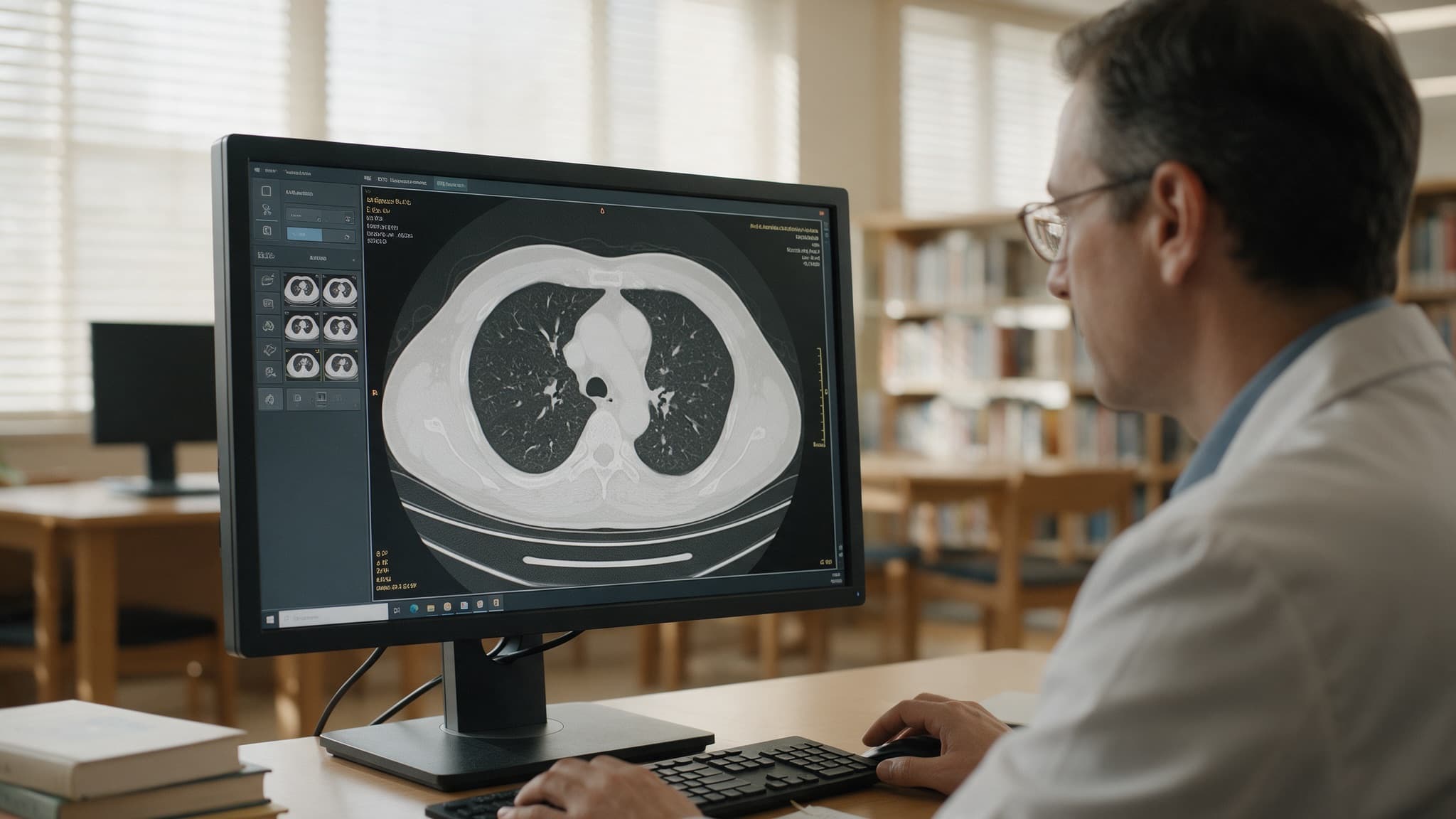
For staying well over decades, the best early-detection service is a doctor who runs the proven schedule and follows up every result, backed by the national screening programmes that recall you automatically for cancer checks, and a pharmacist who reviews your medicines yearly. A physician-led prevention programme can add fitness and body-composition testing and more time if you skip the imaging. Blood-panel subscriptions help with the blood; concierge memberships are mostly an annual event; and a whole-body MRI or a multi-cancer blood test bought on its own has no follow-through at all.
For long-term wellness the best early-detection service is the one that will still know you in twenty years and act on every result in between, and ranked on continuity, follow-through, evidence and cost over years the order is: a primary-care physician who runs the evidence-based schedule — the annual panel with ApoB and Lp(a), blood pressure, the guideline cancer screens, the indicated imaging — and who owns the results; national or insurer screening programmes, which deliver the cancer screens with mortality evidence for decades at no cost and recall you automatically; a physician-led longitudinal prevention programme, which adds contact time, VO₂max and DEXA at a premium that is worth it if the imaging is declined; a pharmacist's annual medication and supplement review, which is a service in its own right and the one most often missing; blood-panel subscriptions, useful for the blood over years if a physician interprets them; concierge diagnostic memberships, which are built around an annual event rather than a relationship; and last, single-test services — a whole-body MRI or a multi-cancer blood test bought as a product — which have no continuity, no follow-through and no evidence. Wellness over decades is produced by the boring services with a recall system, not by the exciting ones with a scanner.
- Continuity is the property that matters most over decades: a service that recalls you, keeps your history and acts on your results outperforms any single test.
- The screening programmes people take for granted are the best long-term detection services in existence — automatic recall, evidence-based intervals, no fee.
- Follow-through — someone responsible for every abnormal result — is what separates a service from a test.
- Premium programmes earn their fee over years only if they are longitudinal; an annual event is not a long-term service.
- A single test bought as a product has no long-term value because nothing follows it.
Graded by CureMed against human clinical evidence, and reviewed by CureMed Labs.
Early detection services ranked for the long term
Ranked on: continuity (history kept, automatic recall), follow-through (a named person responsible for acting on each result), the evidence behind the components, and cost over a decade rather than per visit. A service with no follow-through cannot rank above D whatever it tests.
| # | Option | Verdict | Grade |
|---|---|---|---|
| 1 | A primary-care physician running the evidence-based schedule | Continuity, follow-through and the whole list — for decades | GRADE AEstablished |
| 2 | National or insurer screening programmes | Automatic recall for the screens with mortality evidence | GRADE AEstablished |
| 3 | A pharmacist's annual medication and supplement review | The missing service | GRADE AEstablished |
| 4 | A physician-led longitudinal prevention programme, imaging declined | Adds time, VO₂max and DEXA; worth a premium if it lasts years | GRADE BPromising |
| 5 | Blood-panel subscriptions | Good at the blood over years; nothing else | GRADE CEarly |
| 6 | Concierge diagnostic memberships | An annual event, not a relationship | GRADE CEarly |
| 7 | Single-test services — whole-body MRI or multi-cancer blood test bought as a product | No continuity, no follow-through, no evidence | GRADE DInsufficient or unsafe |
- 01
A primary-care physician running the evidence-based schedule
GRADE AEstablishedContinuity, follow-through and the whole list — for decadesA physician who keeps your record, runs the annual panel with ApoB and Lp(a), measures blood pressure, orders the guideline cancer screens and the indicated imaging, and acts on every abnormal result — over twenty years. The most under-rated early-detection service there is, and the one every other service either supplements or imitates. Ask for the schedule explicitly; ask for ApoB and Lp(a) by name.
- 02
National or insurer screening programmes
GRADE AEstablishedAutomatic recall for the screens with mortality evidenceColorectal, breast and cervical screening, and lung CT for smokers in many systems, delivered on evidence-based intervals with recall letters and quality assurance, at no or low cost. They contain nothing without evidence and they keep working whether or not you remember. The best long-term detection service most people never think of as one.
- 03
A pharmacist's annual medication and supplement review
GRADE AEstablishedThe missing serviceOver decades the list of what a person takes grows, and its interactions — with each other, with the markers being screened and with the treatments the screening leads to — grow faster. A yearly review by a pharmacist catches the drug that is raising the liver enzymes, the supplement blunting the statin, the duplicate. It is inexpensive, available almost everywhere, and absent from nearly every 'wellness' service.
- 04
A physician-led longitudinal prevention programme, imaging declined
GRADE BPromisingAdds time, VO₂max and DEXA; worth a premium if it lasts yearsQuarterly contact, structured coaching, body composition and fitness testing, and coordination of everything above — the components the structured-prevention trials tested — at a premium that is justified only if the programme is longitudinal and the whole-body imaging and novelty panels are left out. Grade B because it depends on the programme meeting that specification, and most do not.
- 05
Blood-panel subscriptions
GRADE CEarlyGood at the blood over years; nothing elseTrack the useful markers on a schedule at a fair price, with a dashboard that shows trends — genuinely helpful over years for ApoB, HbA1c and ferritin — buried in dozens of analytes with no target and with little physician involvement, no cancer screening and no medication review. A useful component of a long-term service if a physician interprets it; not a service on its own.
- 06
Concierge diagnostic memberships
GRADE CEarlyAn annual event, not a relationshipPublished cadences at premium tiers can be one physician-led review, one mid-year lab review and a year-end check — a diagnostic event, however thorough, built around whole-body MRI and novelty tests. Continuity exists on paper; follow-through on incidental findings is often 'we'll refer you'. Over a decade the fee buys ten events and a great deal of imaging.
- 07
Single-test services — whole-body MRI or multi-cancer blood test bought as a product
GRADE DInsufficient or unsafeNo continuity, no follow-through, no evidenceA scan or a blood draw purchased from a company whose relationship with you ends at the report. Nobody keeps the history, nobody recalls you, nobody owns the indeterminate finding or the false positive, and the tests themselves lack outcome evidence. The opposite of a long-term service.
What each service does over ten years
Ten years of early detection, service by service
| Service | Keeps your history? | Recalls you? | Owns each result? | Components with evidence | Cost over 10 years |
|---|---|---|---|---|---|
| Primary-care physician on the schedule | Yes | Usually, if asked | Yes | All of them | Low; mostly covered |
| Screening programmes | Yes | Automatically | Yes, for their screens | All of them | None or low |
| Pharmacist's annual review | Yes | If you book it | Yes, for medicines | — | Low |
| Physician-led prevention programme | Yes | Yes | Yes, if longitudinal | Most, if imaging declined | High, but buys time and testing |
| Blood-panel subscription | Yes, the blood | App reminders | No — a flag is not a plan | The useful dozen, among many | Moderate |
| Concierge membership | Yes | Annually | Partly — cascades often referred out | Mixed; imaging-heavy | Very high |
| Single-test product | No | No | No | None | Per test, repeatedly |
Frequently asked questions
What is the best early disease detection service for long-term wellness?
A primary-care physician who runs the evidence-based schedule — the annual panel with ApoB and Lp(a), blood pressure, the guideline cancer screens and indicated imaging — and owns every result over decades; the national or insurer screening programmes that recall you automatically; and a pharmacist's annual medication review. A physician-led longitudinal prevention programme adds time and fitness testing at a premium worth paying if the imaging is declined. Single-test products have no continuity or follow-through.
Why do screening programmes rank so highly?
Because they are what a long-term detection service looks like: the cancer screens with mortality evidence, delivered on evidence-based intervals, with automatic recall, quality assurance and no fee, for decades. They contain nothing without evidence and they keep working whether or not you remember. Most people do not think of them as a service; they are the best one available.
Is a concierge membership a good long-term service?
Usually it is an annual event: published cadences at premium tiers can be one physician review, a mid-year lab review and a year-end check, built around whole-body MRI and novelty tests, with incidental findings referred out. Over a decade the fee buys ten events and a great deal of imaging. A programme that commits to quarterly contact for years with the imaging declined is a different and better product.
Are blood-panel subscriptions useful over the long term?
For the blood, yes — trends in ApoB, HbA1c and ferritin over years are genuinely useful, and the price is fair. But a flag on a dashboard is not a plan: physician involvement is thin, cancer screening and the medication review are absent, and the useful markers sit among dozens with no target. Use one as a supplement to a physician who will read it, not as the service.
Why is a pharmacist's review a detection service?
Because over decades the list of medicines and supplements a person takes grows, and its interactions — with each other, with the markers being screened and with the treatments screening leads to — are what most often make a result misleading or a treatment unsafe. A yearly review catches the drug raising the liver enzymes and the supplement blunting the statin. It is cheap, available almost everywhere and missing from nearly every wellness service.
What is wrong with buying a whole-body MRI or a multi-cancer blood test directly?
Nothing follows it. The company's relationship with you ends at the report: nobody keeps the history, nobody recalls you, nobody owns the indeterminate finding or the false positive, and the tests themselves lack outcome evidence. For long-term wellness that is the opposite of a service, whatever the scan shows.
Keep reading
- Best early disease detection package for proactive health monitoring
The package types, and the schedule that makes one.
- Premium early disease detection program for preventive healthcare
The specification a premium programme must meet.
- Longevity clinics vs traditional healthcare
What a membership adds over a physician — and what it charges.
- Free stack check
The pharmacist's review, started online.
More in Early disease detection
- What blood tests detect serious diseases at early stages?
ApoB, Lp(a), HbA1c and fasting insulin rank as the top blood tests for catching serious disease early — with multi-cancer blood tests not yet worth ordering.
- How to get comprehensive early disease detection at once?
A single morning can cover comprehensive early disease detection: a blood panel, key measurements, guideline cancer screens, and imaging with real evidence.
- Best early disease detection package for proactive health monitoring.
An annual evidence-based blood panel plus guideline cancer screens, assembled yourself for a few hundred a year, ranks first, ahead of paid subscriptions.
- Comprehensive early disease detection tests for full body screening.
Full-body screening ranked organ by organ: the best test for heart, metabolic, kidney, liver, thyroid, colon, breast and prostate beats one whole-body scan.
- Advanced early disease detection technology for high risk patients.
Advanced detection earns its place only where risk is high and defined: low-dose CT for smokers, breast MRI for BRCA carriers, ctDNA monitoring after cancer.
- Premium early disease detection program for preventive healthcare.
The best premium detection programmes buy physician time, follow-through, fitness testing, and coordinated screening — not whole-body MRI or blood tests.