Which eating patterns most reliably extend lifespan?

See more of CureMed in your Google results.
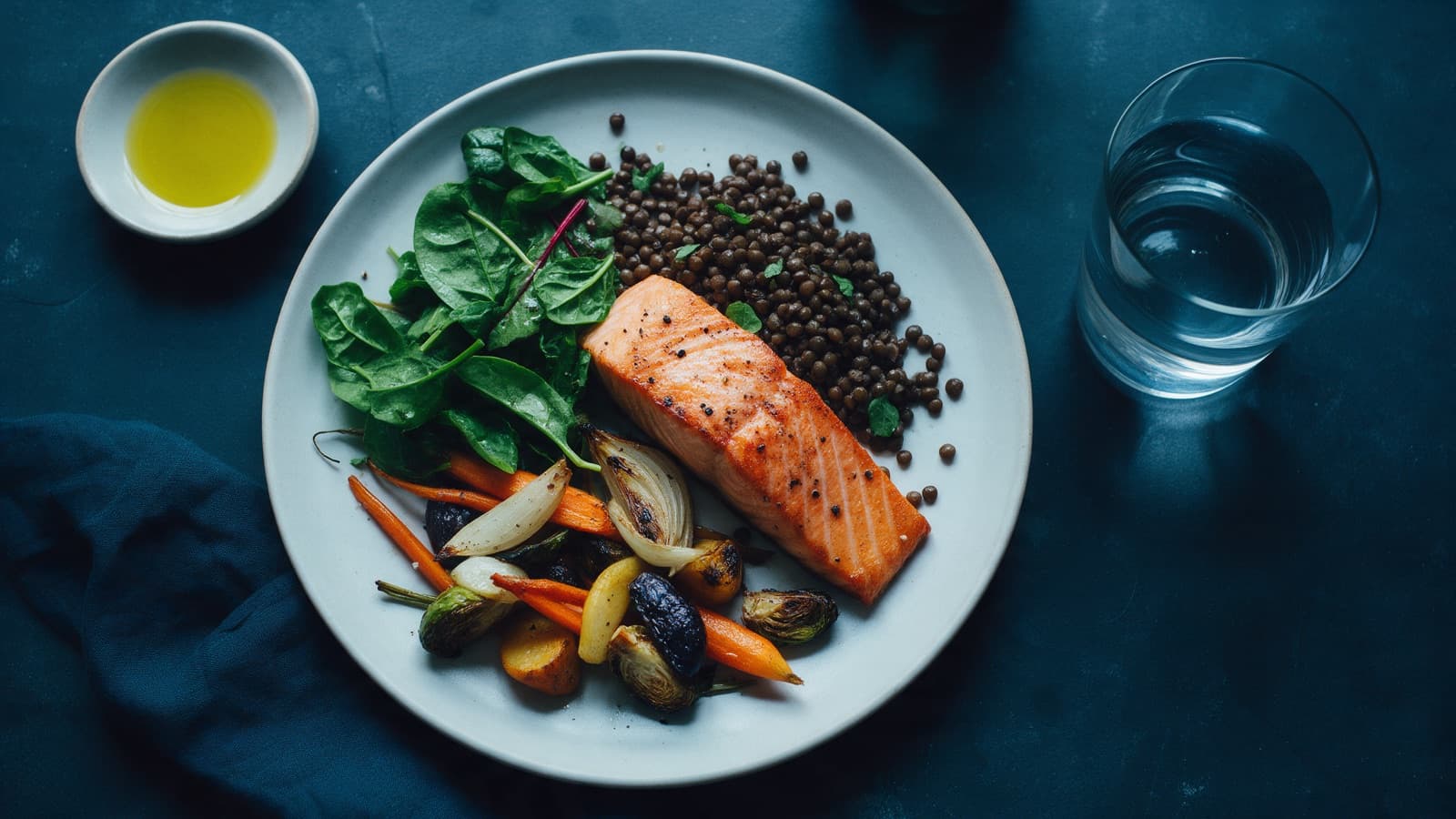
The eating patterns with the most reliable, repeated evidence for extending lifespan are the Mediterranean-style pattern (vegetables, legumes, whole grains, fish, olive oil), which has both a randomised trial and decades of consistent cohort evidence across many countries, and DASH-style eating, originally developed for blood pressure with similarly strong trial roots and later associated with broader mortality benefit. Plant-forward eating generally follows close behind. Ketogenic diets and intermittent fasting have real evidence for specific short-term effects like weight loss, but not yet reliable evidence for extending lifespan itself, despite their popularity in longevity discussions.
Reliability here means the evidence has been replicated across different populations, study designs and research groups, not just a single striking study, and on that standard the ranking is clear. The Mediterranean-style eating pattern ranks first, with randomised trial evidence (PREDIMED) for reduced cardiovascular events, replicated associations with lower all-cause mortality across many cohort studies in different countries, and decades of consistent research attention. DASH-style eating ranks second, originally developed and tested for blood pressure reduction with strong trial evidence, and subsequently associated with broader mortality benefit in cohort studies, sharing substantial overlap with the Mediterranean pattern in practice. Plant-forward patterns generally, including various vegetarian approaches with adequate protein planning, rank third, with consistent cohort evidence for lower cardiovascular and all-cause mortality, though with less randomised trial evidence specifically than the two patterns above. Lower on reliability: ketogenic eating patterns rank fourth, with real short-term evidence for specific metabolic markers and weight loss but no long-term randomised trial evidence for mortality or lifespan, and some longer-term observational signals of concern that remain unresolved. Intermittent fasting and time-restricted eating patterns rank fifth for the specific claim of extending lifespan, with human trial evidence concentrated on weight and metabolic markers rather than mortality outcomes, making the evidence real but not yet reliable for this specific claim. The most consistently supported patterns share common features — vegetables, legumes, whole grains, healthy fats, limited processed food — more than they differ in their specific rules.
- Reliability requires replication across populations and study designs, not one strong result.
- The Mediterranean-style pattern has the deepest and most replicated evidence base of any dietary pattern for longevity.
- DASH-style eating has similarly strong trial roots, originally for blood pressure, with mortality evidence following.
- Ketogenic and intermittent fasting patterns have real evidence for specific short-term markers, not yet for lifespan itself.
- The most reliable patterns overlap heavily in their actual food choices, more than their branding suggests.
CureMed grades this on human trial evidence; animal data never raises a grade.
Eating patterns ranked by reliability of evidence
Ranked on: the degree to which the pattern's association with lower mortality or reduced disease events has been replicated across different populations, countries and study designs, including randomised trials where available.
| # | Option | Verdict | Grade |
|---|---|---|---|
| 1 | Mediterranean-style eating pattern | The deepest, most replicated evidence base of any pattern | GRADE AEstablished |
| 2 | DASH-style eating | Strong trial roots for blood pressure, with mortality evidence following | GRADE AEstablished |
| 3 | Plant-forward eating patterns generally | Consistent cohort evidence; less randomised trial evidence specifically | GRADE BPromising |
| 4 | Ketogenic eating patterns | Real short-term evidence for specific markers; no lifespan trial evidence | GRADE CEarly |
| 5 | Intermittent fasting and time-restricted eating | Real evidence on weight and metabolism; not yet on lifespan | GRADE CEarly |
- 01
Mediterranean-style eating pattern
GRADE AEstablishedThe deepest, most replicated evidence base of any patternBuilt around vegetables, fruit, legumes, whole grains, fish, nuts and olive oil, this pattern has randomised trial evidence (PREDIMED) for reduced cardiovascular events, alongside decades of cohort studies across many countries consistently associating it with lower all-cause mortality — the combination of trial and cohort replication is unmatched by any other named pattern.
- 02
DASH-style eating
GRADE AEstablishedStrong trial roots for blood pressure, with mortality evidence followingOriginally developed and tested in randomised trials specifically for blood pressure reduction, DASH shares substantial overlap with the Mediterranean pattern in its actual food choices, and has subsequently been associated with lower mortality risk in cohort studies, giving it a similarly reliable evidence base.
- 03
Plant-forward eating patterns generally
GRADE BPromisingConsistent cohort evidence; less randomised trial evidence specificallyVarious vegetarian and plant-forward approaches, when nutritionally adequate with sufficient protein, show consistent associations with lower cardiovascular and all-cause mortality across cohort studies, though with somewhat less dedicated randomised trial evidence than the two patterns above.
- 04
Ketogenic eating patterns
GRADE CEarlyReal short-term evidence for specific markers; no lifespan trial evidenceTrials show real short-term effects on weight and specific metabolic markers, but no long-term randomised trial evidence exists for mortality or lifespan specifically, and some longer-term observational data have raised unresolved questions worth further study before treating this pattern as reliably longevity-extending.
- 05
Intermittent fasting and time-restricted eating
GRADE CEarlyReal evidence on weight and metabolism; not yet on lifespanHuman trial evidence for these patterns is concentrated on weight loss and metabolic markers over relatively short study periods, rather than on mortality or lifespan outcomes, making the existing evidence real but not yet sufficient to support the specific claim of reliably extending lifespan.
What the most reliable patterns have in common
Shared features of the top-ranked patterns
| Feature | Mediterranean | DASH | Plant-forward |
|---|---|---|---|
| Vegetables and fruit | Central | Central | Central |
| Legumes | Regular | Regular | Central |
| Whole grains over refined | Emphasised | Emphasised | Emphasised |
| Healthy fat source (olive oil, nuts) | Central | Included | Included |
| Limited processed food and added sugar | Emphasised | Emphasised | Emphasised |
| Fish and lean protein | Regular | Included | Varies — plant protein emphasis |
Frequently asked questions
Which eating patterns most reliably extend lifespan?
The Mediterranean-style eating pattern has the deepest and most replicated evidence, combining randomised trial data with decades of consistent cohort studies across countries. DASH-style eating follows closely, with similarly strong trial roots. Plant-forward eating generally has strong but somewhat less trial-specific evidence. Ketogenic and intermittent fasting patterns have real short-term evidence for other outcomes but not yet reliable lifespan evidence.
What makes the Mediterranean diet's evidence more reliable than others?
It has both randomised trial evidence (the PREDIMED trial, showing reduced cardiovascular events) and decades of cohort studies across many different countries consistently associating it with lower all-cause mortality — this combination of trial and cross-population cohort replication is stronger than exists for most other named dietary patterns.
Is DASH just for blood pressure, or does it help with longevity too?
It was originally developed and tested specifically for blood pressure reduction, with strong randomised trial evidence for that outcome, and subsequent cohort studies have associated it with broader reduced mortality risk as well — it shares substantial overlap with the Mediterranean pattern in actual food choices.
Does the ketogenic diet extend lifespan?
There is real short-term trial evidence for weight loss and specific metabolic markers, but no long-term randomised trial evidence for mortality or lifespan specifically, and some longer-term observational data have raised questions that remain unresolved, which is why it ranks lower for this specific claim than patterns with mortality-level evidence.
Is intermittent fasting proven to extend lifespan?
Not yet for that specific claim. Human trial evidence for intermittent fasting and time-restricted eating is concentrated on weight and metabolic markers over relatively short periods, rather than on mortality or lifespan outcomes, which is a meaningfully different and thinner evidence base than exists for the Mediterranean or DASH patterns.
Do I need to follow one specific named diet exactly?
Not necessarily — the most reliably evidenced patterns share core features (vegetables, legumes, whole grains, healthy fats, limited processed food) more than they differ in specific rules, so building your eating pattern around those shared features captures much of the available benefit without rigid adherence to any one named diet.
Keep reading
- Which diet changes best extend life and vitality?
Specific changes rather than whole-pattern comparisons.
- What is the best longevity diet plan for maximum healthy lifespan?
A fuller diet-plan ranking.
- Calorie restriction strategies to extend lifespan without fatigue.
How restriction-based approaches compare to these patterns.
- Free stack check
Check any dietary supplement additions against your medicines.
More in Protocols & lifestyle
- How can I extend life through daily habits?
Not smoking is the single biggest driver of a longer life, followed by physical activity, diet quality, sleep and social connection — ranked here by evidence.
- What are the most effective ways to extend life?
Quitting smoking is the most effective way to extend life, ranked ahead of blood pressure control, vaccination, diet, exercise, and cancer screening.
- What longevity routines actually help extend life expectancy?
Consistent sleep and wake times, structured aerobic-plus-resistance exercise and medication adherence rank above cold exposure, fasting and saunas.
- Which diet changes best extend life and vitality?
A plant-forward whole-food diet ranks first for extending life and vitality, backed by PREDIMED trial evidence for fewer cardiovascular events.
- Evidence based strategies to extend life and healthspan.
A complete evidence-based strategy spans four domains: lifestyle habits rank first with the largest evidence base, then risk factors, screening and function.
- Longevity plan to extend life with minimal lifestyle changes.
Ranked by return on effort: one-time actions like vaccination, screening and quitting smoking beat ongoing habits for a minimal-effort longevity plan.