How can I extend life through daily habits?

See more of CureMed in your Google results.
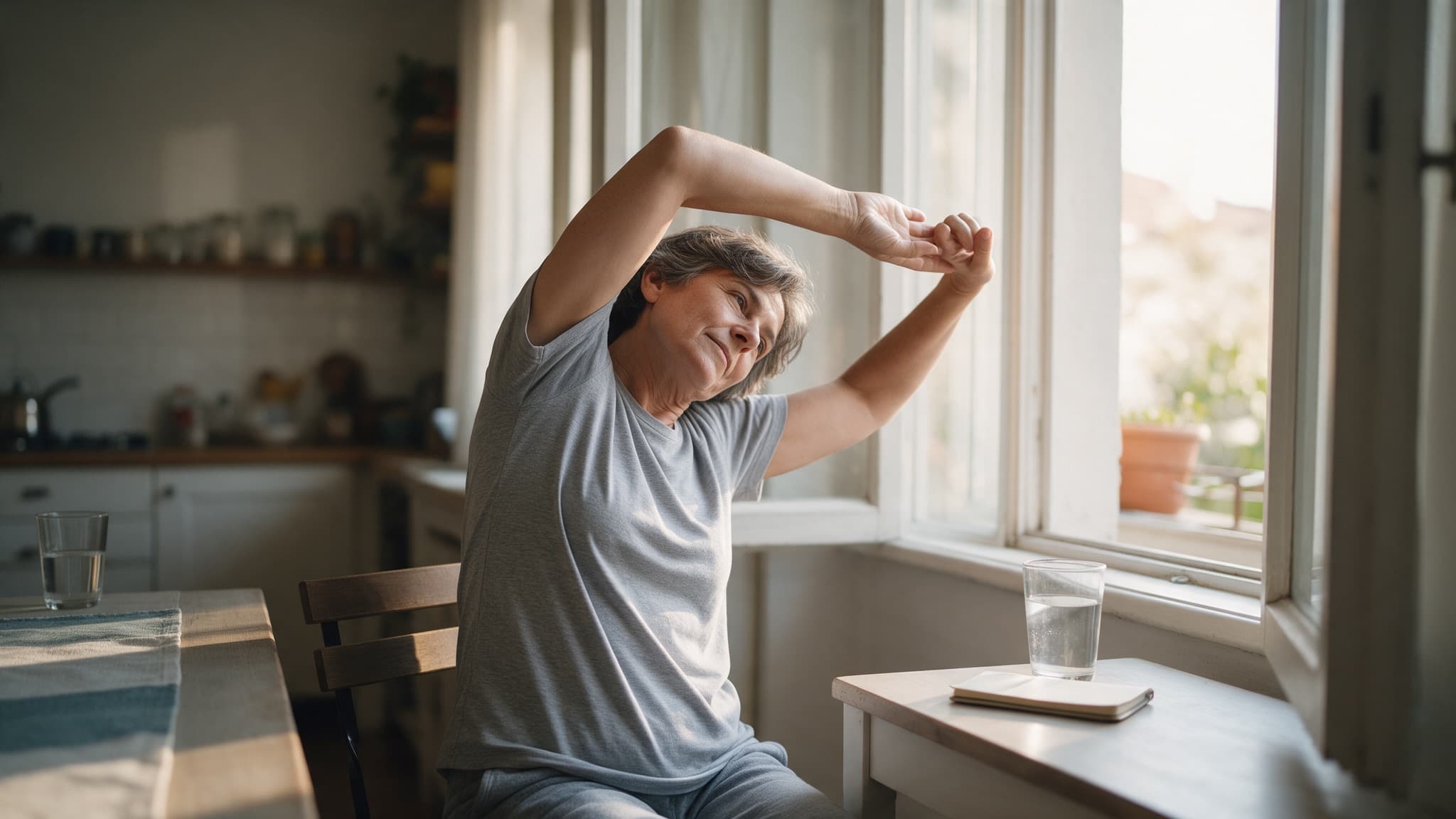
The daily habits that add years to life, ranked by the size of the effect: not smoking, moving your body regularly, eating mostly plants with fish and less red meat and sugar, sleeping seven to eight hours, drinking little or no alcohol, staying socially connected, protecting your skin from the sun, and managing stress. None of them is exotic, and doing the first four well outperforms any supplement or test on the market.
Daily habits extend life in proportion to the size of the risk they remove, and cohort studies that track combinations of habits are unusually consistent about the ranking. First: not smoking, or quitting, which is the single largest modifiable predictor of early death and adds years even when quit after 60. Second: regular physical activity, with a clear dose-response down to mortality and a floor effect where even light activity beats none. Third: a dietary pattern built on vegetables, legumes, whole grains, nuts and fish, with red and processed meat and refined carbohydrate kept low — Mediterranean-style eating has the strongest trial evidence of any diet. Fourth: 7–8 hours of reasonably regular sleep, since both short and disrupted sleep predict higher mortality. Fifth: alcohol kept low or at zero, given the accumulating evidence that the safest amount is less than most guidelines used to say. Sixth: social connection and a sense of purpose, which predicts mortality in cohorts to a degree comparable with smoking. Seventh: sun protection, for skin cancer and photoageing. Eighth: stress management with a genuine outlet, weaker evidence than the rows above and still a consistent finding. A person who adopts the top four habits well is doing more for their lifespan than any supplement, test or clinic on this site.
- Not smoking is the single largest daily habit for lifespan; quitting at any age still adds years.
- Physical activity has a dose-response relationship with mortality, and light activity already beats none.
- A Mediterranean-style dietary pattern has the strongest trial evidence of any diet for hard outcomes.
- Loneliness predicts mortality comparably to smoking, which puts social habits on this list, not on a separate one.
- The habits with cohort and trial evidence outperform every supplement stack for lifespan extension.
CureMed ranks on published human evidence, and screens drug interactions first.
Daily habits ranked by effect on lifespan
Ranked on: the size and consistency of the effect on mortality and healthy lifespan in cohort studies and, where available, randomised trials.
| # | Option | Verdict | Grade |
|---|---|---|---|
| 1 | Not smoking (or quitting) | The single largest modifiable predictor of early death | GRADE AEstablished |
| 2 | Regular physical activity | Dose-response down to mortality; some beats none | GRADE AEstablished |
| 3 | A plant-forward dietary pattern | Mediterranean-style eating has the strongest trial evidence of any diet | GRADE AEstablished |
| 4 | Regular, sufficient sleep | Both short and disrupted sleep predict higher mortality | GRADE AEstablished |
| 5 | Low or no alcohol | The safest amount is lower than older guidelines suggested | GRADE BPromising |
| 6 | Social connection and purpose | Predicts mortality comparably to smoking | GRADE BPromising |
| 7 | Daily sun protection | Skin cancer and photoageing prevention | GRADE BPromising |
| 8 | Stress management with a genuine outlet | Weaker evidence; consistent direction | GRADE CEarly |
- 01
Not smoking (or quitting)
GRADE AEstablishedThe single largest modifiable predictor of early deathSmokers lose roughly a decade of life expectancy on average, and quitting even after 60 recovers meaningful years. No other daily habit on this list moves the needle as far for as many people. If only one habit changes, this is the one.
- 02
Regular physical activity
GRADE AEstablishedDose-response down to mortality; some beats none150–300 minutes of moderate activity a week, or the equivalent, is associated with substantially lower all-cause mortality in cohorts, with resistance training adding an independent benefit for muscle and bone. Even activity below guideline levels reduces risk compared with sedentary behaviour — there is no threshold below which it stops helping.
- 03
A plant-forward dietary pattern
GRADE AEstablishedMediterranean-style eating has the strongest trial evidence of any dietVegetables, legumes, whole grains, nuts, olive oil and fish, with red and processed meat and refined carbohydrate kept low. The PREDIMED trial and decades of cohort data show reduced cardiovascular events and mortality. Adopted as a daily pattern rather than an occasional meal, it is the diet with the best hard-outcome evidence.
- 04
Regular, sufficient sleep
GRADE AEstablishedBoth short and disrupted sleep predict higher mortalitySeven to eight hours with reasonably consistent timing is associated with the lowest mortality in most cohorts; both shorter and, to a lesser extent, much longer sleep are associated with higher risk, and untreated sleep apnoea carries its own cardiovascular cost.
- 05
Low or no alcohol
GRADE BPromisingThe safest amount is lower than older guidelines suggestedNewer analyses that correct for reverse causation (sick people who already drink less) find risk rising from low levels rather than a protective 'moderate' zone. Keeping intake low or at zero is the evidence-consistent habit, particularly alongside any regular medication.
- 06
Social connection and purpose
GRADE BPromisingPredicts mortality comparably to smokingLoneliness and social isolation are associated with mortality increases in cohorts on the same order as smoking a moderate amount. Maintaining relationships, group activities and a sense of purpose is a daily habit with real evidence, not a soft add-on to the list.
- 07
Daily sun protection
GRADE BPromisingSkin cancer and photoageing preventionDaily broad-spectrum sunscreen reduces skin cancer incidence and photoageing in trial evidence; this is the habit most directly connected to the site's skincare and anti-ageing pharma sections, where retinoids and sunscreen are the two interventions with real trial support.
- 08
Stress management with a genuine outlet
GRADE CEarlyWeaker evidence; consistent directionChronic stress is associated with worse cardiovascular and metabolic outcomes; the evidence for specific stress-management techniques changing hard outcomes is weaker than for the rows above, though consistently in the helpful direction. Worth doing; not worth doing instead of the top four.
What a realistic daily routine looks like
A daily routine built from the ranking
| Time of day | Habit | Minimum viable version |
|---|---|---|
| Morning | Sunscreen; protein at breakfast | SPF 30+ on face and hands; eggs or yoghurt |
| Daytime | 30 minutes of activity; mostly water | A brisk walk; skip the sugary drink |
| Meals | Vegetables and legumes at two meals; fish twice a week | A side salad; canned beans count |
| Evening | Alcohol optional and low; wind-down routine | One drink or none; screens off 30 minutes before bed |
| Weekly | Two resistance-training sessions; one social activity | Bodyweight exercises at home; a call to a friend |
| Nightly | 7–8 hours, consistent timing | Same wake time every day, weekends included |
Frequently asked questions
How can I extend life through daily habits?
By ranking effort where the evidence is largest: quit smoking first; add regular physical activity; eat a plant-forward, Mediterranean-style diet; get 7–8 hours of consistent sleep; keep alcohol low or at zero; stay socially connected; protect your skin from the sun daily; and manage stress with a genuine outlet. The first four habits have the strongest and most consistent evidence for lifespan.
Which daily habit adds the most years to life?
Not smoking, or quitting if you do. Smokers lose roughly a decade of life expectancy on average, and quitting even after 60 recovers meaningful years — a larger and more consistent effect than any other single daily habit.
Is diet or exercise more important for longevity?
Both have strong, independent evidence and work through different pathways — diet mainly on metabolic and cardiovascular risk, exercise on fitness, muscle, mood and cardiovascular risk together — so the honest answer is both, not one instead of the other. Cohort studies that track combined habits show the largest mortality reductions in people who do several well.
How much alcohol is safe for longevity?
Newer analyses correcting for reverse causation find risk rising from low levels rather than a protective moderate zone that older guidelines described. The evidence-consistent daily habit is keeping alcohol low or at zero, particularly for anyone on regular medication.
Does loneliness really affect lifespan?
Yes, and the effect size in cohort studies is comparable to smoking a moderate amount. Social connection and a sense of purpose belong on the same list as diet and exercise, not as an afterthought, and maintaining relationships is a daily habit worth the same deliberate attention.
Should I check a new habit against my medicines?
Yes, for anything major: a big increase in leafy greens changes warfarin dosing needs, starting vigorous exercise changes insulin requirements in diabetes, and stopping alcohol changes how several sedatives, antidepressants and blood-pressure medicines are metabolised. A five-minute check with a pharmacist before a big change prevents most of these problems.
Keep reading
- What are the most effective ways to extend life?
The same question ranked across every domain, not just habits.
- What longevity routines actually help extend life expectancy?
Routines built from these habits in practice.
- Daily habits with the best longevity benefits
A complementary ranking with more detail per habit.
- Free stack check
Check a new habit against your medicines.
More in Protocols & lifestyle
- What are the most effective ways to extend life?
Quitting smoking is the most effective way to extend life, ranked ahead of blood pressure control, vaccination, diet, exercise, and cancer screening.
- What longevity routines actually help extend life expectancy?
Consistent sleep and wake times, structured aerobic-plus-resistance exercise and medication adherence rank above cold exposure, fasting and saunas.
- Which diet changes best extend life and vitality?
A plant-forward whole-food diet ranks first for extending life and vitality, backed by PREDIMED trial evidence for fewer cardiovascular events.
- Evidence based strategies to extend life and healthspan.
A complete evidence-based strategy spans four domains: lifestyle habits rank first with the largest evidence base, then risk factors, screening and function.
- Longevity plan to extend life with minimal lifestyle changes.
Ranked by return on effort: one-time actions like vaccination, screening and quitting smoking beat ongoing habits for a minimal-effort longevity plan.
- Holistic longevity program to extend life and wellness.
Physical health fundamentals rank first in a genuinely holistic longevity program; mental health and social connection carry mortality risk just as strong.