Which regenerative medicine treatments work best for joint pain?

See more of CureMed in your Google results.
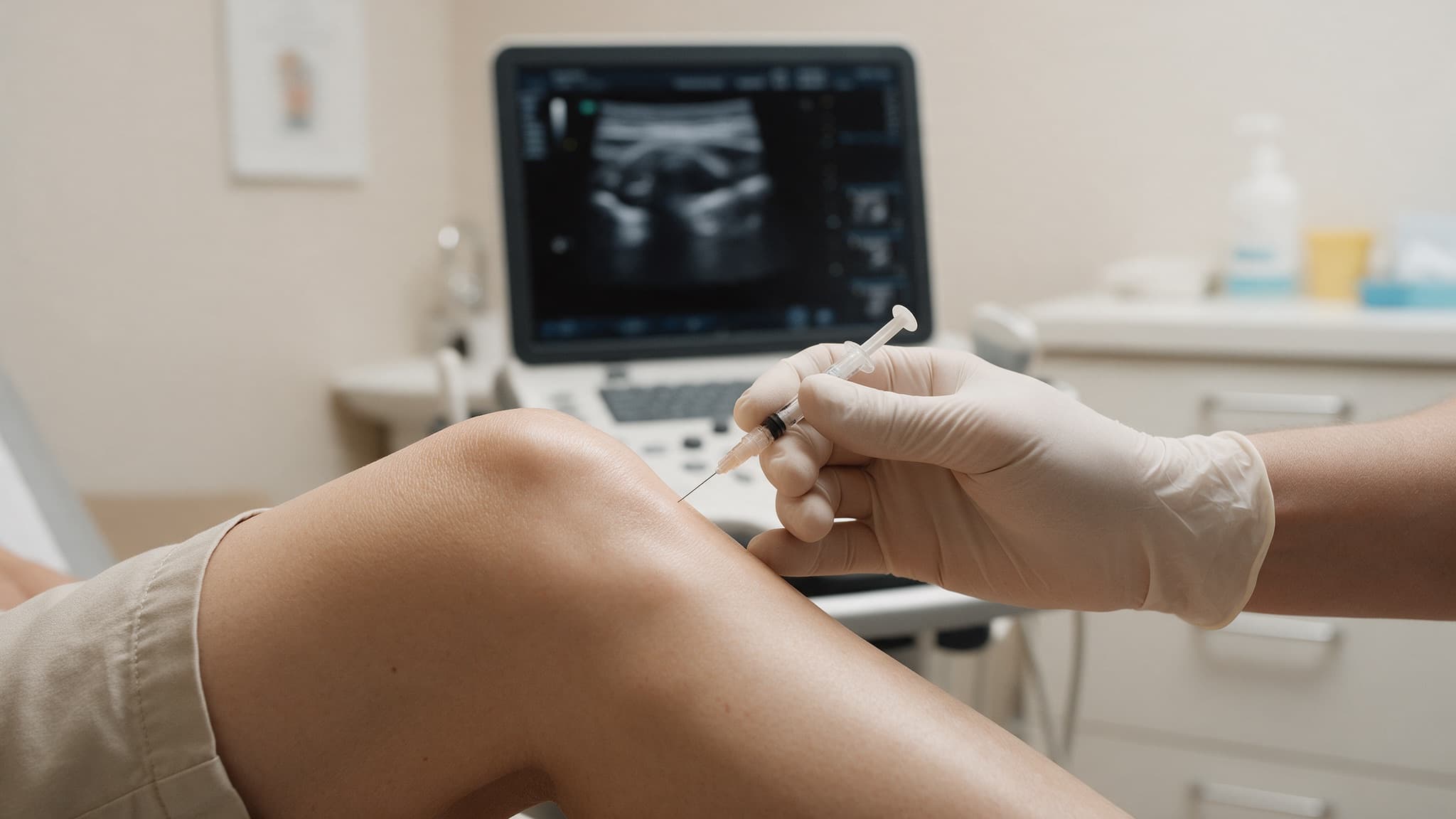
For sore joints, the treatments with the best evidence are not regenerative: a structured exercise programme, losing weight (including with GLP-1 drugs, which reduced knee arthritis pain in a trial), and a steroid injection for a bad flare. Among regenerative options, cartilage cell implantation is approved but only for specific cartilage defects in younger people; PRP injections help a little; hyaluronic-acid injections help briefly; 'stem cell' injections have not beaten placebo; exosome and IV stem-cell products have no evidence and have caused harm. Start with exercise and weight.
For joint pain the treatments that work best are ranked by randomised evidence, and the honest ranking puts the non-regenerative options first: structured exercise therapy (the strongest evidence for pain and function in osteoarthritis of any intervention), weight loss where weight is a factor (including GLP-1 agonists, which reduced knee osteoarthritis pain substantially in a randomised trial), and short-term corticosteroid injections for flares. Among regenerative treatments, autologous chondrocyte implantation (MACI) is approved and effective — for focal cartilage defects in younger patients, not for osteoarthritis; platelet-rich plasma has modest evidence in knee osteoarthritis that is better against hyaluronic acid than against placebo; hyaluronic-acid injections give small, short-lived benefit; bone-marrow and adipose 'stem cell' injections have not beaten placebo consistently in randomised trials; exosome and IV 'stem cell' products have no controlled evidence and documented harms. My advice: exercise and weight first, a steroid injection for a flare, PRP as a reasonable trial if you want an injectable and understand the limits, and no cell product outside a trial or an approved indication.
- Exercise therapy is the best-evidenced treatment for joint pain from osteoarthritis and the one most often skipped for an injection.
- The most effective new joint-pain treatment of the decade is a weight-loss drug, not a cell product: GLP-1 agonists cut knee osteoarthritis pain in a randomised trial.
- The only approved regenerative joint treatment, autologous chondrocyte implantation, treats focal cartilage defects in the young, not worn joints in the old.
- PRP's evidence is modest and inconsistent; 'stem cell' injections have not beaten placebo; exosomes have no trials and a harm record.
- A steroid injection works for a flare and harms cartilage with repeated use; it is a bridge, not a plan.
CureMed grades this on human trial evidence; animal data never raises a grade.
Treatments for joint pain, ranked on evidence
Ranked on: randomised evidence for pain and function in the joints and conditions the treatment is sold for, weighted by effect size, durability, safety and whether the treatment is approved or lawful for the use. Regenerative and non-regenerative treatments are ranked on the same scale.
| # | Option | Verdict | Grade |
|---|---|---|---|
| 1 | Structured exercise therapy | The best-evidenced treatment for osteoarthritic joint pain | GRADE AEstablished |
| 2 | Weight loss, including GLP-1 agonists where indicated | Each kilogram matters; the drugs made it achievable | GRADE AEstablished |
| 3 | Autologous chondrocyte implantation (MACI, NOVOCART) | Approved and effective — for focal cartilage defects, not arthritis | GRADE AEstablished |
| 4 | Corticosteroid injection for a flare | Works for weeks; harms cartilage with repetition | GRADE BPromising |
| 5 | Platelet-rich plasma (PRP) injection | Modest, inconsistent evidence in knee osteoarthritis | GRADE CEarly |
| 6 | Hyaluronic-acid (viscosupplement) injection | Small, short-lived benefit | GRADE CEarly |
| 7 | Bone-marrow or adipose 'stem cell' injection (BMAC, SVF, cultured MSCs) | Has not beaten placebo consistently; Phase 3 mixed | GRADE CEarly |
| 8 | Prolotherapy | Small trials, small effects | GRADE CEarly |
| 9 | Exosome, secretome and 'IV stem cell' products for joints | No controlled evidence; documented harm | GRADE DInsufficient or unsafe |
| 10 | Unapproved clinic 'stem cell therapy' for ageing joints | Not one of the approved products; a harm record | GRADE DInsufficient or unsafe |
- 01
Structured exercise therapy
GRADE AEstablishedThe best-evidenced treatment for osteoarthritic joint painDozens of randomised trials show land-based and aquatic exercise programmes reduce pain and improve function in knee and hip osteoarthritis, with effect sizes comparable to analgesics and durability that injections lack. Supervised programmes and strength work do best. It is the treatment every guideline puts first and most patients are never prescribed.
- 02
Weight loss, including GLP-1 agonists where indicated
GRADE AEstablishedEach kilogram matters; the drugs made it achievableWeight loss reduces knee osteoarthritis pain in proportion to the amount lost. In a randomised trial in people with obesity and knee osteoarthritis, semaglutide produced substantial weight loss and a large reduction in pain compared with placebo. For the overweight patient with knee pain, this is the most effective medical treatment available.
- 03
Autologous chondrocyte implantation (MACI, NOVOCART)
GRADE AEstablishedApproved and effective — for focal cartilage defects, not arthritisThe one regenerative joint treatment with an approval: a patient's own cartilage cells expanded and implanted into a defined cartilage defect, typically in a younger patient after injury, with randomised evidence of better outcomes than microfracture. It does not treat the diffuse cartilage loss of osteoarthritis and is not offered by longevity clinics.
- 04
Corticosteroid injection for a flare
GRADE BPromisingWorks for weeks; harms cartilage with repetitionReliable short-term pain relief in osteoarthritis flares, with benefit fading over weeks and randomised evidence that repeated injections accelerate cartilage loss. A bridge to exercise, not a maintenance treatment.
- 05
Platelet-rich plasma (PRP) injection
GRADE CEarlyModest, inconsistent evidence in knee osteoarthritisMeta-analyses of randomised trials in knee osteoarthritis show PRP outperforming hyaluronic acid and, less consistently, placebo on pain at six to twelve months; preparation varies widely between clinics and the largest placebo-controlled trials have been null or small. Low risk. A reasonable trial for someone who wants an injectable and understands that the effect is modest and the product unstandardised.
- 06
Hyaluronic-acid (viscosupplement) injection
GRADE CEarlySmall, short-lived benefitApproved devices with many trials showing a small benefit over placebo that several guidelines judge not clinically important; effect lasts weeks to a few months. Safe. Worth little, and worth less than the exercise it often replaces.
- 07
Bone-marrow or adipose 'stem cell' injection (BMAC, SVF, cultured MSCs)
GRADE CEarlyHas not beaten placebo consistently; Phase 3 mixedRandomised trials of mesenchymal stromal cell injection for knee osteoarthritis show inconsistent results; the better-controlled trials find no advantage over placebo or hyaluronic acid on pain or cartilage, and no product is approved for osteoarthritis. Same-day bedside preparations are unregulated in most settings. Not recommended outside a trial.
- 08
Prolotherapy
GRADE CEarlySmall trials, small effectsDextrose injections have small randomised trials suggesting modest benefit in knee osteoarthritis and some tendon conditions, with low risk. Not regenerative in any biological sense; not harmful; not much.
- 09
Exosome, secretome and 'IV stem cell' products for joints
GRADE DInsufficient or unsafeNo controlled evidence; documented harmNo randomised trial supports exosome or intravenous cell products for joint pain; composition is unverified; FDA has warned against unapproved exosome products, and the harm record for unapproved cell products includes bacterial infections with hospitalisation. Refuse.
- 10
Unapproved clinic 'stem cell therapy' for ageing joints
GRADE DInsufficient or unsafeNot one of the approved products; a harm recordClinics selling stem-cell injections for worn joints are not offering MACI, Ryoncil or any approved product; they are selling minimally manipulated cell preparations or imported products without a trial. The published harms — infections, tumours, blindness after ocular use — come from this market. Refuse.
What I would do for joint pain, in order
A pharmacist's sequence for osteoarthritic joint pain
| Step | Do | Expect | Then |
|---|---|---|---|
| 1 | A supervised exercise programme — strength and mobility — for twelve weeks; topical NSAID for pain | Less pain, better function within weeks; durable | Continue for life; it is the treatment |
| 2 | Weight loss if overweight — diet and activity; a GLP-1 agonist where indicated | Pain falls with each kilogram lost | Maintain; reassess the joint |
| 3 | A corticosteroid injection for a flare that blocks exercise | Weeks of relief | Use it to get back to step 1; no more than a few a year |
| 4 | PRP if an injectable is wanted and steps 1–3 are in place | Modest benefit over months in some | One course; judge honestly at six months |
| 5 | Orthopaedic assessment for surgery when function is failing despite the above | Joint replacement has excellent outcomes | Do not let an injection delay a needed operation |
| Never | Exosomes, IV stem cells, clinic 'stem cell therapy' | Cost, risk, no evidence | — |
Frequently asked questions
Which regenerative medicine treatments work best for joint pain?
Honestly ranked, the best treatments are not regenerative: structured exercise therapy, weight loss including GLP-1 agonists where indicated, and a corticosteroid injection for a flare. Among regenerative options, autologous chondrocyte implantation is approved and effective for focal cartilage defects in younger patients, not for arthritis; PRP has modest, inconsistent evidence; hyaluronic acid helps briefly; stem-cell injections have not beaten placebo consistently; exosome and IV cell products have no evidence and documented harms.
Do stem cell injections work for joint pain?
Not on current evidence. Randomised trials of bone-marrow, adipose and cultured mesenchymal cell injections for knee osteoarthritis are inconsistent, and the better-controlled ones find no advantage over placebo or hyaluronic acid on pain or cartilage. No cell product is approved for osteoarthritis, and clinic preparations are unregulated. I would not have one outside a clinical trial.
Is PRP worth trying for joint pain?
As an adjunct once exercise and weight are addressed, and with realistic expectations. Meta-analyses in knee osteoarthritis show modest benefit over hyaluronic acid and less consistently over placebo at six to twelve months; preparations vary widely between clinics and the largest placebo-controlled trials were null or small. It is low-risk. One course, judged honestly at six months, is a reasonable trial.
What is the best treatment for osteoarthritis joint pain?
A supervised exercise programme — the strongest evidence of any intervention for pain and function — plus weight loss where weight is a factor, with topical NSAIDs for pain and a corticosteroid injection to get through a flare. GLP-1 agonists reduced knee osteoarthritis pain substantially in a randomised trial in people with obesity. Surgery when function fails despite all of this.
Are there any approved regenerative treatments for joints?
Yes — autologous chondrocyte implantation (MACI and similar), which expands a patient's own cartilage cells and implants them into a defined cartilage defect, usually after injury in a younger patient, with randomised evidence of better outcomes than microfracture. It does not treat the diffuse cartilage loss of osteoarthritis, and it is not what clinics selling 'stem cell therapy' for joints are offering.
Are exosome injections safe for joints?
There is no controlled evidence they work, their composition is unverified, regulators have warned against unapproved exosome products, and the published harm record for unapproved cell and exosome products includes bacterial infections requiring hospitalisation. I would refuse them.
Keep reading
- Regenerative medicine: what is approved, what is in trials, and what is only being sold
The full evidence ledger and the documented harms.
- What is the most effective regenerative medicine for knees?
The knee in detail, including the GLP-1 trial.
- Best longevity workout routine for healthy aging adults
The strength work that is step one.
- Free stack check
Screen your pain medicines against your blood-pressure and kidney picture.
More in Regenerative medicine
- What is the most effective regenerative medicine for knees?
Exercise, weight loss and MACI rank above PRP, hyaluronic acid and cell injections on randomised evidence, split by osteoarthritis versus cartilage injury.
- Which regenerative medicine options help avoid joint replacement?
Exercise, weight loss, and semaglutide delay joint replacement more than any injection, ranking above osteotomy and MACI — stem-cell injections show no benefit.
- What regenerative medicine is best for chronic back pain?
Exercise and cognitive-behavioural approaches beat every injection for chronic back pain in trials, ranking above radiofrequency ablation and intradiscal PRP.
- Which regenerative medicine therapy is safest for arthritis patients?
PRP is the safest regenerative injection for arthritis, but exercise, weight loss, and topical NSAIDs rank safer still, and stem-cell injections rank last.
- Best regenerative medicine treatments for osteoarthritis relief without surgery.
Supervised exercise gives the largest, most durable relief for osteoarthritis without surgery, ahead of weight loss with semaglutide, topical NSAIDs and PRP.
- Best regenerative medicine options for tendon and ligament injuries.
Progressive loading and eccentric exercise beat PRP, steroids and surgery for tendon and ligament healing — ranked per tendon: Achilles, patellar, rotator cuff.