What is the most effective regenerative medicine for knees?

See more of CureMed in your Google results.
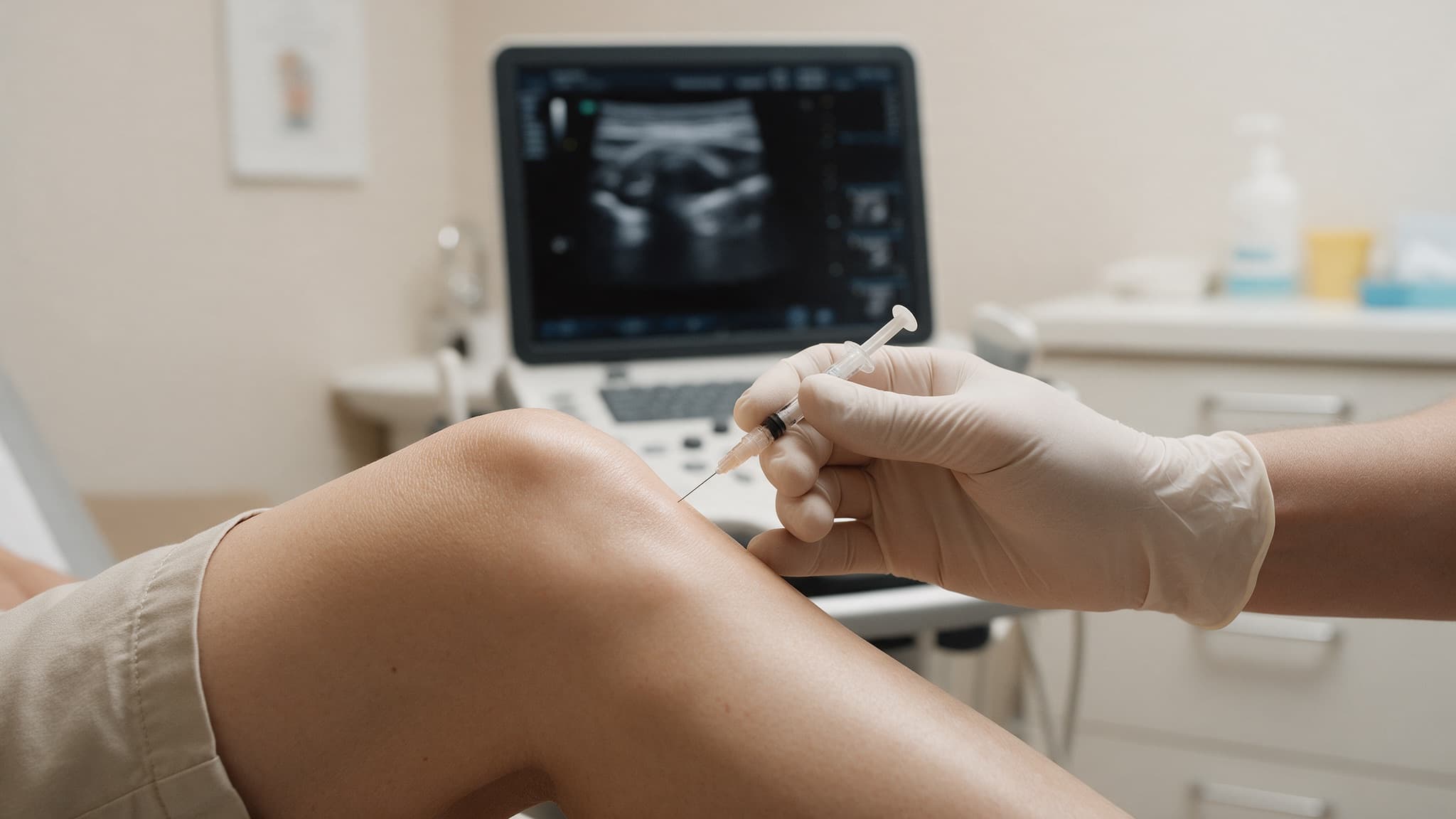
What works for a knee depends on what is wrong with it. For arthritis — the commonest problem — exercise, weight loss (semaglutide cut knee arthritis pain sharply in a trial) and a steroid injection for flares beat every regenerative option; PRP helps a little; stem-cell injections have not beaten placebo. For a specific cartilage defect in a younger knee, cartilage cell implantation (MACI) is approved and works. For a worn meniscus, exercise equals surgery. Get the diagnosis first.
The most effective regenerative medicine for a knee depends on what is wrong with it, and for the commonest problem — osteoarthritis — the most effective treatments are not regenerative. Ranked by diagnosis: for knee osteoarthritis, structured exercise (strongest evidence of any intervention), weight loss with semaglutide where obesity is present (a randomised trial showed large pain reduction), a corticosteroid injection for flares, and PRP as a modest adjunct; hyaluronic acid gives small brief benefit; bone-marrow and adipose 'stem cell' injections have not beaten placebo consistently and are not approved. For a focal cartilage defect in a younger knee, autologous chondrocyte implantation (MACI) is approved and outperforms microfracture — the one genuinely effective regenerative knee treatment, for that indication only. For a degenerative meniscal tear, exercise therapy matches arthroscopic surgery in randomised trials; for a ligament injury, rehabilitation with or without reconstruction depending on instability. Exosomes and clinic 'stem cell' products have no evidence for any knee diagnosis. Get the diagnosis first; the most effective treatment follows from it.
- 'Knee pain' is four diagnoses — osteoarthritis, cartilage defect, meniscal tear, ligament injury — and the most effective treatment differs for each.
- For osteoarthritis, exercise and weight loss outperform every injection, and semaglutide is the most effective drug treatment in a randomised trial.
- MACI is the effective regenerative knee treatment — for a focal cartilage defect, typically after injury, in a younger patient.
- Arthroscopy for a degenerative meniscal tear is no better than exercise in randomised trials.
- PRP is a modest adjunct; stem-cell injections are unproven; exosomes are untested.
CureMed ranks on published human evidence, and screens drug interactions first.
Knee treatments ranked, by diagnosis
Ranked on: randomised evidence for pain, function and structural outcomes in the specific knee diagnosis the treatment is offered for, weighted by effect size, durability, safety and approval status. The diagnosis is named on every line.
| # | Option | Verdict | Grade |
|---|---|---|---|
| 1 | Structured exercise therapy — knee osteoarthritis | Strongest evidence of any intervention | GRADE AEstablished |
| 2 | Weight loss with semaglutide where obesity is present — knee osteoarthritis | The most effective drug treatment in a randomised trial | GRADE AEstablished |
| 3 | Autologous chondrocyte implantation (MACI) — focal cartilage defect | The effective regenerative knee treatment, for its indication | GRADE AEstablished |
| 4 | Exercise therapy — degenerative meniscal tear | Matches arthroscopy in randomised trials | GRADE AEstablished |
| 5 | Rehabilitation, with reconstruction if unstable — ligament injury | Rehab first; surgery for instability | GRADE AEstablished |
| 6 | Corticosteroid injection — osteoarthritis flare | Weeks of relief; cartilage cost with repetition | GRADE BPromising |
| 7 | PRP injection — knee osteoarthritis | Modest adjunct; inconsistent trials | GRADE CEarly |
| 8 | Hyaluronic-acid injection — knee osteoarthritis | Small, brief, safe | GRADE CEarly |
| 9 | Bone-marrow aspirate, adipose SVF or cultured MSC injection — knee osteoarthritis | Not consistently better than placebo; not approved | GRADE CEarly |
| 10 | Exosomes, 'IV stem cells', imported cell products — any knee diagnosis | No evidence; harm record | GRADE DInsufficient or unsafe |
- 01
Structured exercise therapy — knee osteoarthritis
GRADE AEstablishedStrongest evidence of any interventionSupervised strengthening of the quadriceps and hip, mobility and aerobic work reduce pain and improve function in knee osteoarthritis across dozens of randomised trials, with effects comparable to analgesics and durable beyond the programme. Every guideline's first line; most patients' last resort.
- 02
Weight loss with semaglutide where obesity is present — knee osteoarthritis
GRADE AEstablishedThe most effective drug treatment in a randomised trialIn a randomised, placebo-controlled trial in people with obesity and knee osteoarthritis, weekly semaglutide produced substantial weight loss and a large reduction in knee pain scores versus placebo over 68 weeks. Weight loss by any means helps; this trial showed how much. Indicated by the obesity, not the knee alone.
- 03
Autologous chondrocyte implantation (MACI) — focal cartilage defect
GRADE AEstablishedThe effective regenerative knee treatment, for its indicationFor a defined full-thickness cartilage defect, typically after injury in a patient under fifty, a patient's own cartilage cells are expanded and implanted; randomised trials show better function than microfracture at two to five years. Approved. Not a treatment for the diffuse cartilage loss of osteoarthritis.
- 04
Exercise therapy — degenerative meniscal tear
GRADE AEstablishedMatches arthroscopy in randomised trialsIn middle-aged patients with a degenerative meniscal tear, supervised exercise produced outcomes equivalent to arthroscopic partial meniscectomy in randomised trials, without the surgery. Arthroscopy for this diagnosis is now discouraged by guidelines.
- 05
Rehabilitation, with reconstruction if unstable — ligament injury
GRADE AEstablishedRehab first; surgery for instabilityFor anterior cruciate ligament injury, structured rehabilitation with delayed reconstruction only if instability persists produced outcomes comparable to early reconstruction in randomised trials. Regenerative injectables have no role.
- 06
Corticosteroid injection — osteoarthritis flare
GRADE BPromisingWeeks of relief; cartilage cost with repetitionReliable short-term relief; randomised evidence that repeated injections over years accelerate cartilage loss. Use to get back to exercise, a few times a year at most.
- 07
PRP injection — knee osteoarthritis
GRADE CEarlyModest adjunct; inconsistent trialsMeta-analyses show PRP outperforms hyaluronic acid on pain at six to twelve months and less consistently outperforms placebo; the largest placebo-controlled trial found no benefit on pain or cartilage at twelve months. Preparation varies widely. Low risk. A reasonable one-course trial once exercise and weight are in place.
- 08
Hyaluronic-acid injection — knee osteoarthritis
GRADE CEarlySmall, brief, safeMany trials, small benefit over placebo that several guidelines judge not clinically important, lasting weeks to months. Safe; low value.
- 09
Bone-marrow aspirate, adipose SVF or cultured MSC injection — knee osteoarthritis
GRADE CEarlyNot consistently better than placebo; not approvedRandomised trials are inconsistent and the better-controlled ones show no advantage over placebo or hyaluronic acid on pain or cartilage; no product is approved for osteoarthritis. Clinic preparations are unregulated. Outside a trial, no.
- 10
Exosomes, 'IV stem cells', imported cell products — any knee diagnosis
GRADE DInsufficient or unsafeNo evidence; harm recordNo randomised evidence for any knee diagnosis, unverified composition, regulatory warnings, and documented infections from unapproved products. Refuse.
Diagnosis first
What is wrong with the knee, and what works
| Diagnosis | Typical patient | Most effective treatment | Regenerative option with evidence | What does not work |
|---|---|---|---|---|
| Osteoarthritis | Over 45; gradual pain; stiffness | Exercise; weight loss (semaglutide if obese); steroid for flares | None approved; PRP modest | Stem-cell injections; exosomes; arthroscopy |
| Focal cartilage defect | Under 50; after injury; locking or catching | MACI or microfracture, by size | MACI — approved | Injections of any kind |
| Degenerative meniscal tear | Middle-aged; mechanical symptoms with wear | Exercise therapy | None | Arthroscopy (no better than exercise) |
| Ligament injury | Younger; sport; instability | Rehabilitation; reconstruction if unstable | None | Injectables |
| Patellofemoral pain | Younger; anterior pain with stairs | Hip and quadriceps strengthening | None | Injections; surgery |
Frequently asked questions
What is the most effective regenerative medicine for knees?
It depends on the diagnosis. For osteoarthritis, the commonest problem, the most effective treatments are not regenerative: structured exercise, weight loss with semaglutide where obesity is present, and a steroid injection for flares; PRP is a modest adjunct and stem-cell injections have not beaten placebo. For a focal cartilage defect in a younger knee, autologous chondrocyte implantation (MACI) is approved and outperforms microfracture — the one effective regenerative knee treatment, for that indication only.
Does semaglutide help knee osteoarthritis?
Yes, in a randomised, placebo-controlled trial in people with obesity and knee osteoarthritis: weekly semaglutide produced substantial weight loss and a large reduction in knee pain scores over 68 weeks. It is indicated by the obesity rather than the knee, and it is the most effective drug treatment for this knee that a trial has shown.
Are stem cell injections effective for knee arthritis?
Not consistently. Randomised trials of bone-marrow, adipose and cultured mesenchymal cell injections are mixed, and the better-controlled ones find no advantage over placebo or hyaluronic acid on pain or cartilage. No cell product is approved for osteoarthritis and clinic preparations are unregulated. I would not have one outside a clinical trial.
Is MACI effective, and who is it for?
Yes, for a defined full-thickness cartilage defect — typically after injury in a patient under fifty — where a patient's own expanded cartilage cells are implanted, with randomised evidence of better function than microfracture at two to five years. It is approved. It does not treat the diffuse cartilage loss of osteoarthritis, and it is not what clinics offering 'stem cell therapy' provide.
Should I have arthroscopy for a torn meniscus?
For a degenerative tear in a middle-aged knee, no: supervised exercise produced equivalent outcomes to arthroscopic partial meniscectomy in randomised trials, and guidelines now discourage the surgery for this diagnosis. A traumatic tear with locking in a younger knee is a different situation and a surgical opinion.
Is PRP worth it for a knee?
As a one-course adjunct once exercise and weight are addressed, with modest expectations. Meta-analyses show benefit over hyaluronic acid and inconsistent benefit over placebo; the largest placebo-controlled trial found no difference at twelve months. It is low-risk and unstandardised. Judge it honestly at six months and do not let it replace step one.
Keep reading
- Which regenerative medicine treatments work best for joint pain?
All joints, ranked on the same scale.
- Regenerative medicine: what is approved, what is in trials, and what is only being sold
The full evidence ledger, including MACI and the MSC trials.
- Mounjaro vs Ozempic
The GLP-1 agonists compared.
- Best longevity workout routine for healthy aging adults
The strengthening that is step one.
More in Regenerative medicine
- Which regenerative medicine treatments work best for joint pain?
Exercise therapy beats every regenerative option for joint pain; GLP-1 drugs, PRP, and stem-cell injections rank next by evidence, not marketing.
- Which regenerative medicine options help avoid joint replacement?
Exercise, weight loss, and semaglutide delay joint replacement more than any injection, ranking above osteotomy and MACI — stem-cell injections show no benefit.
- What regenerative medicine is best for chronic back pain?
Exercise and cognitive-behavioural approaches beat every injection for chronic back pain in trials, ranking above radiofrequency ablation and intradiscal PRP.
- Which regenerative medicine therapy is safest for arthritis patients?
PRP is the safest regenerative injection for arthritis, but exercise, weight loss, and topical NSAIDs rank safer still, and stem-cell injections rank last.
- Best regenerative medicine treatments for osteoarthritis relief without surgery.
Supervised exercise gives the largest, most durable relief for osteoarthritis without surgery, ahead of weight loss with semaglutide, topical NSAIDs and PRP.
- Best regenerative medicine options for tendon and ligament injuries.
Progressive loading and eccentric exercise beat PRP, steroids and surgery for tendon and ligament healing — ranked per tendon: Achilles, patellar, rotator cuff.