Which regenerative medicine options help avoid joint replacement?

See more of CureMed in your Google results.
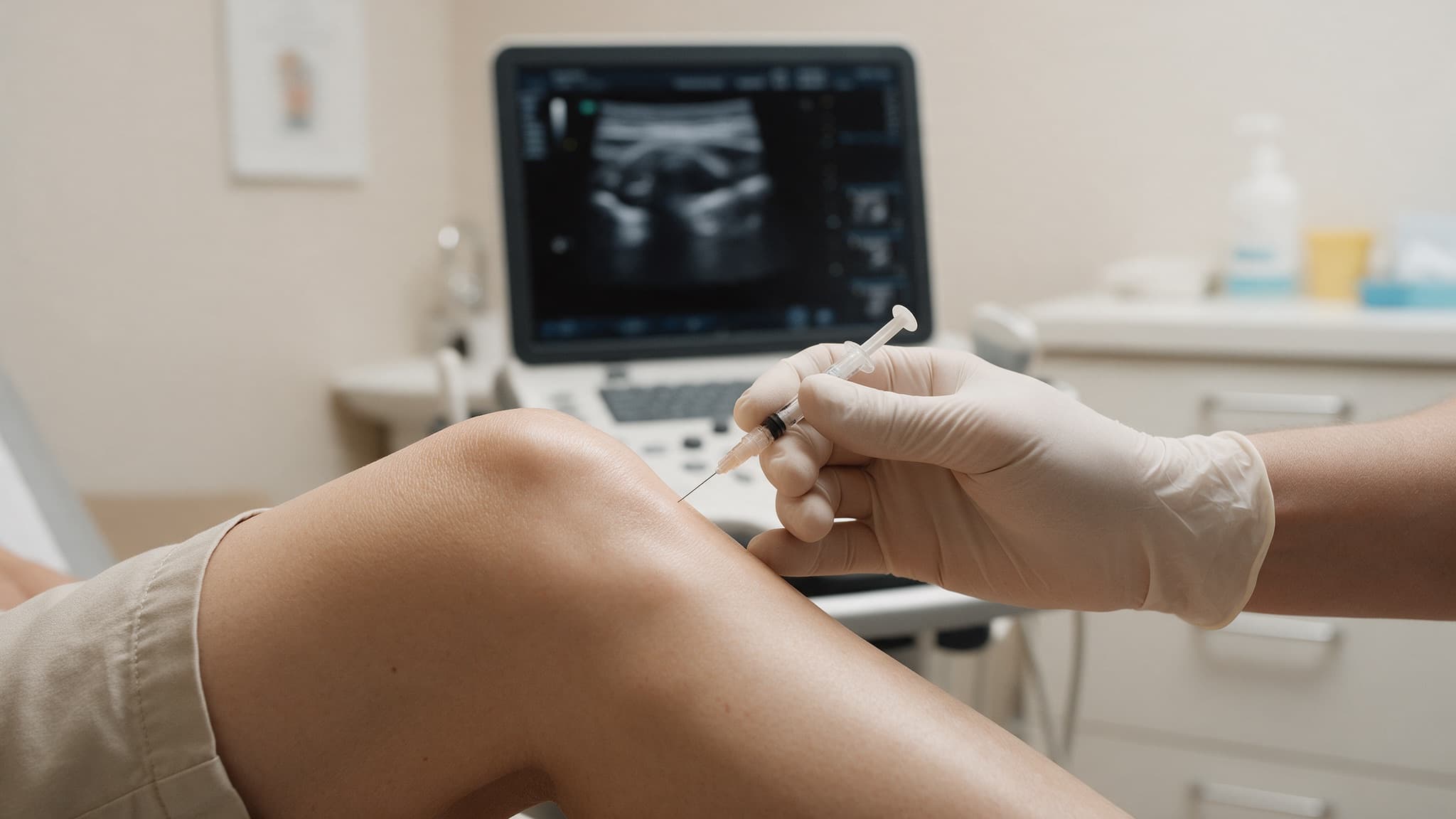
The best ways to avoid or put off a joint replacement are not regenerative: exercise, weight loss (with semaglutide if you are obese), offloading braces, and for younger active knees a realignment operation (osteotomy). Cartilage cell implantation (MACI) prevents later arthritis in younger people with a specific cartilage defect. Steroid injections buy weeks, PRP maybe a few months; stem-cell injections have not been shown to regrow cartilage or delay surgery. And delaying a replacement you need makes the eventual result worse — the aim is to avoid an unnecessary one.
The options that genuinely help avoid or delay joint replacement are ranked by how much they preserve function and postpone surgery in trials, and the top of the list is not regenerative: structured exercise and weight loss (including semaglutide where obesity is present) delay progression and the need for surgery more than any injection; offloading braces and footwear help medial knee osteoarthritis; high tibial osteotomy realigns a younger, active knee and postpones replacement by a decade in many patients; and autologous chondrocyte implantation (MACI) repairs focal cartilage defects before they become arthritis — the one regenerative option with evidence for preventing later surgery, in that narrow indication. Corticosteroid injections buy weeks; PRP buys modest months in some; bone-marrow and adipose 'stem cell' injections have not been shown to delay replacement or regrow cartilage; exosomes have no evidence. The honest caveat: joint replacement has excellent outcomes and its results are worse when it is delayed past the point of severe functional loss — so the goal is to avoid an unnecessary replacement, not to avoid a necessary one.
- The interventions that delay replacement longest are exercise, weight loss and, in the right knee, osteotomy — none of them regenerative.
- MACI prevents later surgery in a specific group — younger patients with a focal cartilage defect — by repairing it before it becomes osteoarthritis.
- No stem-cell injection has been shown to regrow cartilage in an arthritic joint or to delay replacement in a randomised trial.
- A joint replacement delayed too long — into severe deformity, muscle loss and deconditioning — has worse outcomes; delay is only wise while function is preserved.
- The clinics that promise to make replacement unnecessary are selling the products with the least evidence to the patients with the most to lose from delay.
CureMed ranks on published human evidence, and screens drug interactions first.
Options for avoiding joint replacement, ranked
Ranked on: randomised and cohort evidence that the option preserves function and postpones or prevents joint replacement, in the patients and joints it is used for, weighted by durability and safety. Options that treat symptoms without changing the trajectory rank lower; options with no evidence rank last.
| # | Option | Verdict | Grade |
|---|---|---|---|
| 1 | Structured exercise and weight loss | Delays progression and surgery more than any injection | GRADE AEstablished |
| 2 | Offloading — unloader braces, footwear, walking aids | Shifts load off the worn compartment | GRADE BPromising |
| 3 | High tibial or distal femoral osteotomy | Realigns a younger, active knee; postpones replacement by years | GRADE AEstablished |
| 4 | Autologous chondrocyte implantation (MACI) — focal cartilage defect | Repairs the defect before it becomes arthritis | GRADE AEstablished |
| 5 | Partial (unicompartmental) knee replacement | Not avoidance — but a smaller operation that preserves more | GRADE BPromising |
| 6 | Corticosteroid injection | Buys weeks; repeated use accelerates cartilage loss | GRADE CEarly |
| 7 | PRP injection | Modest months in some; no evidence of delaying replacement | GRADE CEarly |
| 8 | Hyaluronic-acid injection | Small brief benefit; no effect on the joint's course | GRADE CEarly |
| 9 | Bone-marrow, adipose or cultured 'stem cell' injection | No cartilage regrowth and no delayed replacement shown | GRADE DInsufficient or unsafe |
| 10 | Exosomes, 'IV stem cells', imported cell products | No evidence; harm record | GRADE DInsufficient or unsafe |
- 01
Structured exercise and weight loss
GRADE AEstablishedDelays progression and surgery more than any injectionSupervised strengthening preserves function and reduces pain in osteoarthritis across dozens of trials; weight loss reduces load and symptoms in proportion; together they are associated with lower rates of progression to replacement in cohorts and are the foundation of every 'avoid surgery' programme that works. Semaglutide, where obesity is present, made large weight loss and large pain reduction achievable in a randomised trial.
- 02
Offloading — unloader braces, footwear, walking aids
GRADE BPromisingShifts load off the worn compartmentFor medial-compartment knee osteoarthritis, valgus unloader braces and lateral-wedge or supportive footwear reduce pain and improve function in trials; a cane in the opposite hand reduces knee load substantially. Cheap, reversible, and a genuine way to postpone surgery in a knee that is worn on one side.
- 03
High tibial or distal femoral osteotomy
GRADE AEstablishedRealigns a younger, active knee; postpones replacement by yearsFor a younger, active patient with single-compartment knee osteoarthritis and malalignment, osteotomy shifts load to the healthier compartment and postpones replacement by a decade or more in many cohorts, preserving the native joint for demanding activity. Surgery, with a recovery, and the best-evidenced joint-preserving operation there is.
- 04
Autologous chondrocyte implantation (MACI) — focal cartilage defect
GRADE AEstablishedRepairs the defect before it becomes arthritisFor a defined full-thickness cartilage defect, usually after injury in a patient under fifty, MACI restores a durable cartilage surface with randomised evidence of better function than microfracture — and by treating the defect early, it is the one regenerative option that plausibly prevents the arthritis that leads to replacement. Not applicable to established, diffuse osteoarthritis.
- 05
Partial (unicompartmental) knee replacement
GRADE BPromisingNot avoidance — but a smaller operation that preserves moreWhere one compartment is worn and the rest of the knee is healthy, a partial replacement preserves ligaments and bone, recovers faster and feels more natural than a total replacement, with good long-term results in registries. If the goal behind 'avoiding replacement' is preserving the knee, this is often the answer.
- 06
Corticosteroid injection
GRADE CEarlyBuys weeks; repeated use accelerates cartilage lossReliable short-term relief and no effect on the trajectory; randomised evidence that repeated injections over two years increased cartilage loss. A bridge to exercise, not a way to avoid surgery.
- 07
PRP injection
GRADE CEarlyModest months in some; no evidence of delaying replacementModest, inconsistent benefit on pain at six to twelve months in knee osteoarthritis meta-analyses; no trial shows PRP changes cartilage loss or postpones replacement. Low risk. An adjunct, not a strategy.
- 08
Hyaluronic-acid injection
GRADE CEarlySmall brief benefit; no effect on the joint's courseApproved, safe, small benefit over placebo for weeks to months; no evidence of delaying surgery.
- 09
Bone-marrow, adipose or cultured 'stem cell' injection
GRADE DInsufficient or unsafeNo cartilage regrowth and no delayed replacement shownThe specific promise — that injected cells regrow cartilage and make replacement unnecessary — has not been demonstrated in any randomised trial; MRI cartilage outcomes in the better-controlled trials are unchanged, and no product is approved for osteoarthritis. Sold most heavily to exactly the patients who lose most from delaying a needed operation.
- 10
Exosomes, 'IV stem cells', imported cell products
GRADE DInsufficient or unsafeNo evidence; harm recordNo controlled evidence for any joint, unverified composition, regulatory warnings and documented infections. Refuse.
When avoiding the replacement stops being wise
Delay well, or stop delaying
| Sign | What it means | What to do |
|---|---|---|
| Pain controlled with exercise, weight loss and occasional injection; function preserved | Delay is working | Continue; reassess yearly |
| Night pain; pain at rest; needing daily opioids or high-dose NSAIDs | Symptoms outrunning the joint-preserving options | Orthopaedic assessment now |
| Progressive deformity — bow-legged or knock-kneed — and loss of range | Structural failure; later surgery becomes harder and results worse | Do not delay for injections |
| Muscle wasting, falls, giving way | Deconditioning that worsens surgical recovery | Surgery sooner, with prehabilitation |
| Stopping activities that keep you healthy — walking, work, sleep | The joint is now costing years of health, not just comfort | The replacement is the health-preserving choice |
Frequently asked questions
Which regenerative medicine options help avoid joint replacement?
Honestly, the options that delay replacement longest are not regenerative: structured exercise and weight loss (with semaglutide where obesity is present), offloading braces and walking aids, and for younger active knees an osteotomy. Autologous chondrocyte implantation (MACI) prevents later arthritis in younger patients with a focal cartilage defect — the one regenerative option with that evidence. Stem-cell injections have not been shown to regrow cartilage or delay surgery; exosomes have no evidence.
Can stem cell injections regrow cartilage and prevent a knee replacement?
No randomised trial has shown either. MRI cartilage outcomes in the better-controlled trials of bone-marrow, adipose and cultured cell injections are unchanged, pain benefits are inconsistent, and no product is approved for osteoarthritis. The promise is sold most heavily to the patients who lose most from delaying a needed operation.
What is osteotomy and who is it for?
A realignment operation — usually of the upper tibia — that shifts load from a worn knee compartment to a healthier one. For a younger, active patient with single-compartment osteoarthritis and malalignment, it postpones replacement by a decade or more in many cohorts and preserves the native joint for demanding activity. It is the best-evidenced joint-preserving surgery.
Is a partial knee replacement a way to avoid a total one?
It is a smaller operation that preserves more: where one compartment is worn and the rest of the knee is healthy, a unicompartmental replacement keeps the ligaments and bone, recovers faster and feels more natural, with good long-term registry results. If the goal behind avoiding replacement is preserving the knee, it is often the right answer.
When is it a mistake to keep delaying a joint replacement?
When pain occurs at night or at rest, when daily opioids or high-dose NSAIDs are needed, when deformity and loss of range are progressing, when muscle wasting, falls or giving way appear, or when the joint is stopping the activities that keep you healthy. Outcomes after replacement are worse in patients who arrive deconditioned and deformed; delay past those signs subtracts from the result.
Do PRP or hyaluronic acid injections delay joint replacement?
No trial shows either changes cartilage loss or postpones surgery. PRP gives modest, inconsistent pain benefit for some months; hyaluronic acid a small brief benefit. Both are safe adjuncts to an exercise and weight programme; neither is a strategy for avoiding replacement.
Keep reading
- What is the most effective regenerative medicine for knees?
The knee by diagnosis, including MACI and the semaglutide trial.
- Which regenerative medicine treatments work best for joint pain?
All joint treatments on one scale.
- Regenerative medicine: what is approved, what is in trials, and what is only being sold
The full evidence ledger and the harm record.
- Best longevity workout routine for healthy aging adults
The strengthening programme at the top of the ranking.
More in Regenerative medicine
- Which regenerative medicine treatments work best for joint pain?
Exercise therapy beats every regenerative option for joint pain; GLP-1 drugs, PRP, and stem-cell injections rank next by evidence, not marketing.
- What is the most effective regenerative medicine for knees?
Exercise, weight loss and MACI rank above PRP, hyaluronic acid and cell injections on randomised evidence, split by osteoarthritis versus cartilage injury.
- What regenerative medicine is best for chronic back pain?
Exercise and cognitive-behavioural approaches beat every injection for chronic back pain in trials, ranking above radiofrequency ablation and intradiscal PRP.
- Which regenerative medicine therapy is safest for arthritis patients?
PRP is the safest regenerative injection for arthritis, but exercise, weight loss, and topical NSAIDs rank safer still, and stem-cell injections rank last.
- Best regenerative medicine treatments for osteoarthritis relief without surgery.
Supervised exercise gives the largest, most durable relief for osteoarthritis without surgery, ahead of weight loss with semaglutide, topical NSAIDs and PRP.
- Best regenerative medicine options for tendon and ligament injuries.
Progressive loading and eccentric exercise beat PRP, steroids and surgery for tendon and ligament healing — ranked per tendon: Achilles, patellar, rotator cuff.