Best longevity diet plan for maximum lifespan extension.

See more of CureMed in your Google results.
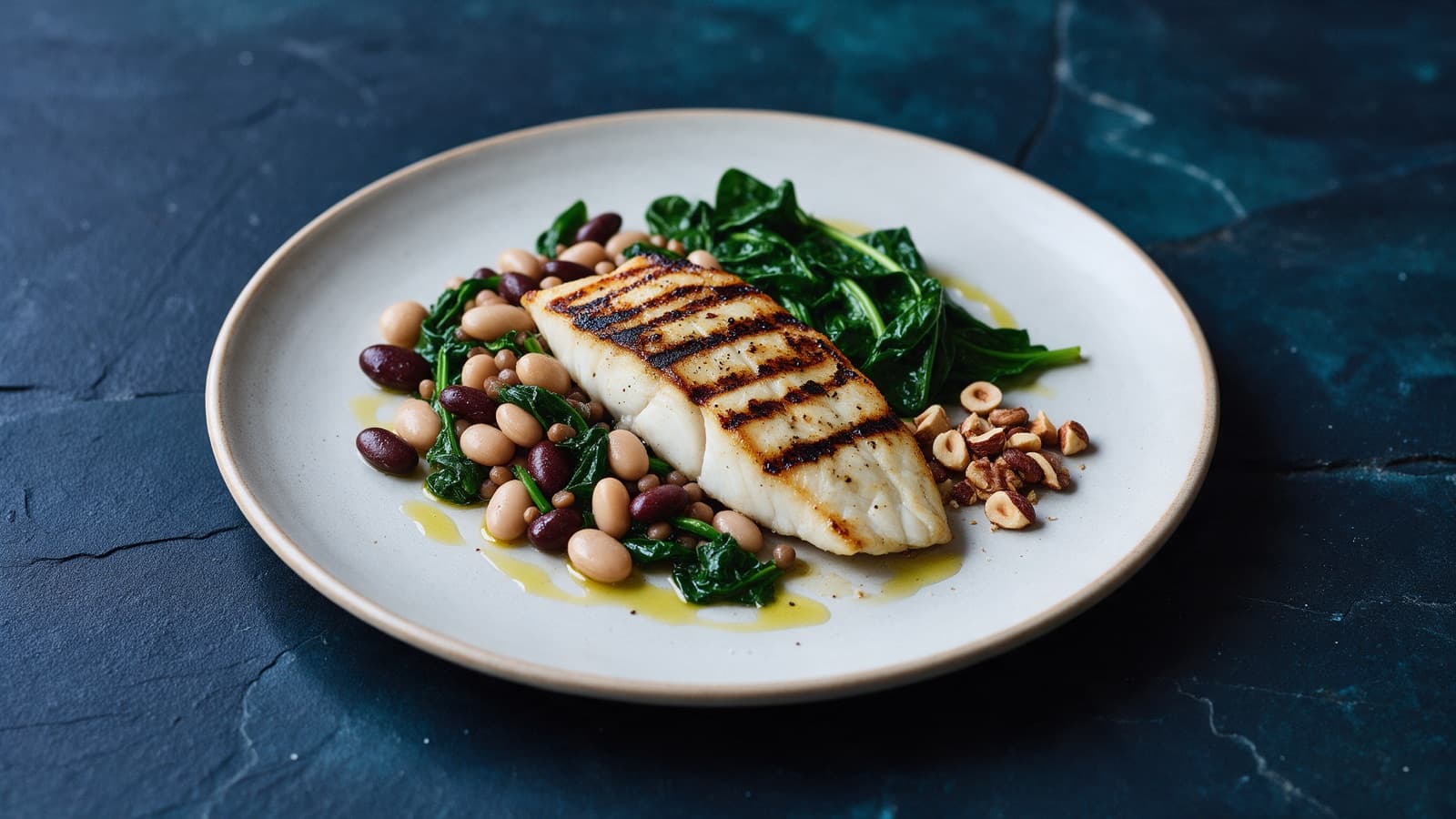
There is no proven 'longevity diet' that makes people live longer — that has never been tested. But one way of eating, the Mediterranean pattern, has real trial evidence for fewer heart attacks and strokes. This guide describes it plainly, explains what the fasting and restriction diets actually show, and gives a week you could eat tomorrow.
No diet has been shown to extend human lifespan in a trial — that outcome has never been measured. The dietary pattern with the strongest evidence for the outcomes that predict lifespan is the Mediterranean pattern: it has randomised-trial evidence for fewer cardiovascular events and consistent cohort evidence for lower mortality. Its skeleton is shared by every other diet with outcome data: mostly plants, olive oil as the main fat, fish and legumes as protein, minimal ultra-processed food and red meat, and not too many calories. The 'maximum lifespan' diets — extreme calorie restriction, prolonged fasting, carnivore, longevity 'protocols' — have no human outcome evidence at all.
- The Mediterranean pattern is the only diet with a large randomised trial showing fewer heart attacks and strokes — the outcomes that drive most deaths — rather than a change in a blood marker.
- Calorie restriction extends lifespan in animals; in the human trial that tested it, two years of restriction improved risk markers but was hard to sustain and measured no lifespan outcome.
- Protein adequacy — roughly 1.2–1.6 g per kilogram per day in older adults — is the component most 'longevity diets' get wrong, and the one with the clearest randomised evidence for preserving muscle.
- Intermittent fasting and time-restricted eating produce weight loss comparable to ordinary calorie restriction in trials, not superior, and no longevity outcome.
- Ultra-processed food intake is consistently associated with higher mortality across cohorts; removing it does more than adding any superfood.
CureMed grades this on human trial evidence; animal data never raises a grade.
What the human evidence actually supports
Ranked on: the strength of human evidence for outcomes that predict lifespan — cardiovascular events, diabetes, all-cause mortality — with randomised trials weighted above cohort studies and both above animal data. Popularity and novelty play no part.
| # | Option | Verdict | Grade |
|---|---|---|---|
| 1 | Mediterranean pattern | The only diet with hard-outcome RCT evidence | GRADE AEstablished |
| 2 | Adequate protein, spread across the day | The component most longevity diets neglect | GRADE AEstablished |
| 3 | Minimal ultra-processed food | Consistent across every cohort | GRADE AEstablished |
| 4 | Traditional diets of long-lived populations | Consistent with the above; not a formula | GRADE BPromising |
| 5 | Modest calorie restriction | Improves risk markers; sustainability is the problem | GRADE BPromising |
| 6 | Intermittent fasting / time-restricted eating | Equivalent to calorie restriction, not better | GRADE CEarly |
| 7 | Fasting-mimicking and prolonged fasting protocols | Small trials, biomarker endpoints | GRADE CEarly |
| 8 | Carnivore, extreme low-carbohydrate and other elimination diets | No human outcome evidence | GRADE DInsufficient or unsafe |
- 01
Mediterranean pattern
GRADE AEstablishedThe only diet with hard-outcome RCT evidenceA large randomised trial in adults at cardiovascular risk found that a Mediterranean diet supplemented with extra-virgin olive oil or nuts reduced major cardiovascular events compared with a lower-fat control. That is the outcome most diets only claim to affect. Cohort studies across many countries associate the pattern with lower all-cause mortality. Its structure — plants, olive oil, fish, legumes, nuts, little red or processed meat — is the skeleton of every other evidence-based diet.
- 02
Adequate protein, spread across the day
GRADE AEstablishedThe component most longevity diets neglectRandomised trials in older adults show that protein intake of roughly 1.2–1.6 g per kilogram per day, combined with resistance training, preserves muscle and function better than the standard 0.8 g. Muscle loss is one of the strongest predictors of frailty and mortality after sixty. Many plant-heavy and restriction-based 'longevity' plans fall well below this, which is the most common way they do harm.
- 03
Minimal ultra-processed food
GRADE AEstablishedConsistent across every cohortHigher intake of ultra-processed food is associated with higher all-cause mortality, cardiovascular disease and diabetes in large cohorts across multiple countries, with a dose-response relationship. A randomised feeding study found people ate roughly 500 more calories per day on an ultra-processed diet than on a matched unprocessed one. Removing it does more than adding any single 'longevity food'.
- 04
Traditional diets of long-lived populations
GRADE BPromisingConsistent with the above; not a formulaThe diets of Okinawa, Sardinia, Ikaria and similar regions are observational evidence, confounded by activity, social structure and selection. What they show is consistent with the Mediterranean skeleton — plant-heavy, legumes as protein, modest calories — rather than pointing to any specific ingredient. Treat them as corroboration, not as a prescription.
- 05
Modest calorie restriction
GRADE BPromisingImproves risk markers; sustainability is the problemThe two-year human trial of calorie restriction in non-obese adults found improved cardiometabolic risk markers and modest weight loss; participants achieved about half the intended restriction, and no lifespan outcome was measured. In animals restriction is the most reproducible lifespan intervention known. In humans, the evidence supports not overeating far more than it supports deliberate restriction.
- 06
Intermittent fasting / time-restricted eating
GRADE CEarlyEquivalent to calorie restriction, not betterRandomised trials comparing time-restricted or alternate-day eating with ordinary calorie restriction find similar weight loss and similar changes in risk markers — when calories are matched, the window adds little. There is no human longevity outcome. It is a legitimate way to eat less for people who find it easier; it is not a mechanism beyond that.
- 07
Fasting-mimicking and prolonged fasting protocols
GRADE CEarlySmall trials, biomarker endpointsPeriodic multi-day low-calorie protocols have small randomised trials showing changes in weight, IGF-1 and other markers over months. None measures a disease or lifespan outcome, and the marker changes overlap with those from ordinary weight loss. Interesting; not evidence for the claims made about them.
- 08
Carnivore, extreme low-carbohydrate and other elimination diets
GRADE DInsufficient or unsafeNo human outcome evidenceVery-low-carbohydrate diets have short-term trial evidence for weight and glucose in specific populations. Diets that eliminate plant foods entirely have none for any outcome and remove the components — fibre, legumes, whole grains — most consistently associated with lower mortality in cohorts. Sold on mechanism and testimonial.
The plan: what a week looks like
The plan below is the Mediterranean skeleton with protein corrected upward for adults over fifty, which is where the original trial populations and the muscle-preservation trials overlap. It is deliberately unexotic; the evidence does not reward exotic.
Daily structure
| Component | Target | Why |
|---|---|---|
| Vegetables and fruit | Five or more portions, mostly vegetables | Highest-consistency association with lower mortality across cohorts |
| Legumes | Most days | Primary plant protein in every long-lived-population diet; fibre |
| Whole grains | Daily, in place of refined | Cohort and trial evidence for cardiovascular and metabolic outcomes |
| Extra-virgin olive oil | Main added fat | The supplemented arm of the largest Mediterranean trial |
| Fish and seafood | Two or more times a week | Omega-3 source with cardiovascular outcome evidence |
| Protein total | 1.2–1.6 g/kg body weight, spread across meals | Randomised evidence for muscle preservation in older adults |
| Nuts | A small handful most days | The other supplemented arm of the same trial |
| Red and processed meat | Rarely; processed meat least of all | Processed meat has the most consistent adverse association |
| Ultra-processed food | As little as practical | Dose-response association with mortality; drives overeating |
| Alcohol | Low or none | No protective threshold in corrected analyses |
What the 'maximum lifespan' claims leave out
- Species: every lifespan-extension result is in animals. The mouse literature on calorie restriction is real and large; the human literature measures risk markers over two years.
- Sustainability: the human calorie-restriction trial achieved half the intended restriction despite intensive support. A diet that cannot be kept produces no outcome.
- Protein: restriction and plant-only protocols routinely push protein below what preserves muscle in older adults, trading a theoretical longevity mechanism for a proven frailty risk.
- Windows versus content: trials comparing fasting schedules with matched calorie restriction find the schedule adds little. What is eaten matters more than when.
- Single ingredients: no 'longevity food' — olive oil, blueberries, green tea, turmeric — has an outcome effect on its own. The pattern has evidence; the ingredient has a press release.
Frequently asked questions
What is the best diet for longevity?
On human evidence, the Mediterranean pattern: mostly plants, olive oil as the main fat, fish and legumes as protein, nuts, and little red or processed meat. It is the only diet with a large randomised trial showing fewer cardiovascular events, and cohort studies across many countries associate it with lower mortality. For adults over fifty, protein should be raised to the upper end of the range.
Has any diet been proven to extend human lifespan?
No. Lifespan has never been measured as an outcome in a human diet trial; the results that exist are for cardiovascular events, diabetes, weight and blood markers over a few years. Every 'lifespan extension' claim for a diet comes from animal studies, where calorie restriction in particular has a large and reproducible effect.
Does calorie restriction work in humans?
The two-year randomised trial in non-obese adults found improved cardiometabolic markers and modest weight loss, but participants achieved only about half the intended restriction and no lifespan outcome was measured. The practical lesson is that not overeating has strong evidence and deliberate restriction has weak evidence and poor sustainability.
Is intermittent fasting good for longevity?
Trials comparing time-restricted or alternate-day eating with ordinary calorie restriction find similar weight loss and marker changes — when calories are matched, the eating window adds little. There is no human longevity outcome. It is a reasonable way to eat less for people who find it easier, not a mechanism beyond that.
How much protein should I eat for longevity?
For adults over fifty, randomised trials support roughly 1.2–1.6 g per kilogram of body weight per day, spread across meals and combined with resistance training, to preserve muscle and function. Many plant-heavy or restriction-based longevity plans fall well below this, which is their most common flaw.
Are blue-zone diets the best model?
They are useful corroboration, not a formula. The diets of long-lived regions are observational, confounded by activity and social structure, and consistent with the Mediterranean skeleton — plant-heavy, legumes, modest calories — rather than pointing to any specific ingredient. Copying the pattern is sensible; copying a single food from one region is not.
Keep reading
- Best longevity diet plan for maximum healthy lifespan
The companion plan, weighted toward muscle, bone and brain.
- Which daily habits offer the best longevity benefits?
Diet is one of seven; here is where it ranks.
- What is the best longevity protocol for beginners?
A sequenced starting plan that includes this diet.
- The best longevity supplements, ranked by human evidence
What the capsules add on top of the plate — which is little.
- Which blood tests are best for tracking longevity?
How to see whether the diet is working.
- Free stack check
Screen dietary changes and supplements against your medication.
More in Protocols & lifestyle
- How can I extend life through daily habits?
Not smoking is the single biggest driver of a longer life, followed by physical activity, diet quality, sleep and social connection — ranked here by evidence.
- What are the most effective ways to extend life?
Quitting smoking is the most effective way to extend life, ranked ahead of blood pressure control, vaccination, diet, exercise, and cancer screening.
- What longevity routines actually help extend life expectancy?
Consistent sleep and wake times, structured aerobic-plus-resistance exercise and medication adherence rank above cold exposure, fasting and saunas.
- Which diet changes best extend life and vitality?
A plant-forward whole-food diet ranks first for extending life and vitality, backed by PREDIMED trial evidence for fewer cardiovascular events.
- Evidence based strategies to extend life and healthspan.
A complete evidence-based strategy spans four domains: lifestyle habits rank first with the largest evidence base, then risk factors, screening and function.
- Longevity plan to extend life with minimal lifestyle changes.
Ranked by return on effort: one-time actions like vaccination, screening and quitting smoking beat ongoing habits for a minimal-effort longevity plan.