Prescription antiaging treatments for collagen boost and firmness.

See more of CureMed in your Google results.
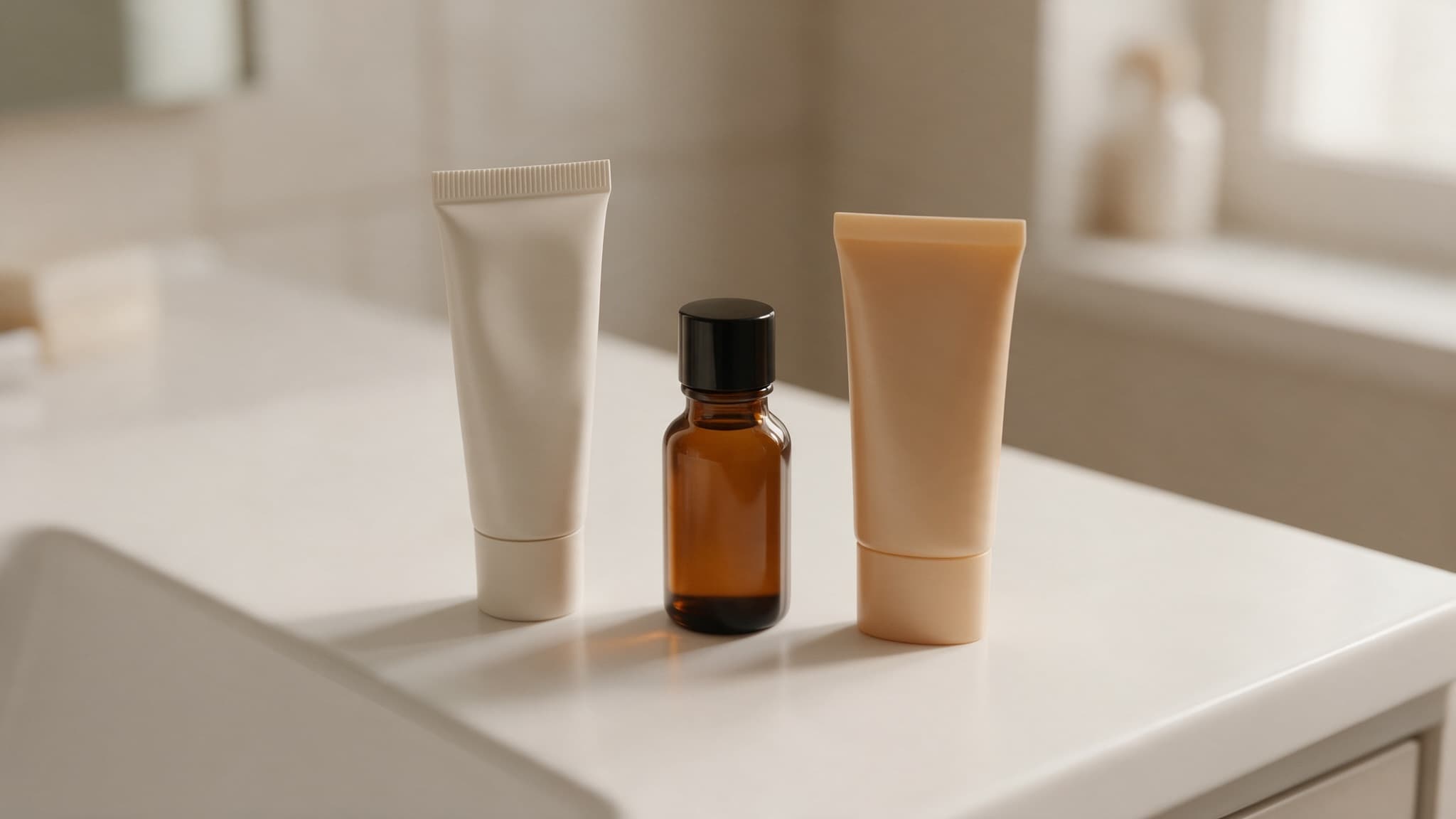
Firmness comes from collagen, and 'collagen boost' can be checked with a skin biopsy. The treatments that pass: tretinoin cream (the only cream with proof), laser resurfacing, collagen-stimulating injectables like poly-L-lactic acid, microneedling, and to a lesser degree radiofrequency and ultrasound tightening. Collagen supplements and 'collagen-boosting' creams have no biopsy evidence — collagen cannot be applied through the skin. All of it depends on sunscreen, because sun destroys the collagen you are building.
'Collagen boost' is a claim that can be verified by biopsy or by validated firmness measures, and the prescription and physician-administered treatments rank by which have been: tretinoin first, the only topical with randomised trials showing new collagen on biopsy over months of use; ablative and fractional lasers second, with histological evidence of collagen remodelling and controlled trials on wrinkles and laxity, at the cost of downtime and operator dependence; biostimulatory injectables — poly-L-lactic acid and calcium hydroxylapatite — third, approved with controlled trials for volume and histology showing collagen deposition; microneedling, with and without radiofrequency, fourth, with smaller controlled trials and histology; non-invasive radiofrequency and ultrasound tightening fifth, with modest, variable trial effects; and hyaluronic-acid fillers, which restore volume immediately and show some local collagen stimulation on biopsy. Below all of them: oral collagen supplements (small hydration and elasticity gains in industry-funded trials, no dermal collagen biopsy evidence) and 'collagen-boosting' creams, which cannot deliver collagen through skin and rest on peptide trials that are small. Every treatment above depends on sunscreen, because ultraviolet light degrades the collagen being built.
- Collagen claims are checkable by biopsy; only tretinoin among topicals, and the energy and biostimulatory procedures among treatments, have that evidence.
- Tretinoin is the only prescription cream that builds collagen in randomised trials with histology — everything else on the shelf infers it.
- Procedures build collagen with downtime, cost and operator dependence in proportion to their effect; the ablative end works best and hurts most.
- Biostimulatory fillers are the only injectables designed to build collagen rather than replace volume, and they have trials to show it.
- Collagen cannot be applied through skin and oral collagen has no dermal-biopsy evidence; the supplements sit at the bottom for that reason.
CureMed grades this on human trial evidence; animal data never raises a grade.
Collagen and firmness treatments, ranked on evidence
Ranked on: biopsy-confirmed collagen deposition and controlled trials on firmness, elasticity or laxity, weighted by trial quality and by how much of the result depends on the operator. Mechanism without human histology or measurement does not rank above C.
| # | Option | Verdict | Grade |
|---|---|---|---|
| 1 | Tretinoin (topical) | The only cream with new collagen on biopsy | GRADE AEstablished |
| 2 | Ablative and fractional laser resurfacing | Histological remodelling; the largest procedural effect, with downtime | GRADE AEstablished |
| 3 | Biostimulatory injectables — poly-L-lactic acid, calcium hydroxylapatite | Designed to build collagen; trials and histology to show it | GRADE BPromising |
| 4 | Microneedling, with or without radiofrequency | Controlled trials and histology, smaller | GRADE BPromising |
| 5 | Non-invasive radiofrequency and ultrasound tightening | Modest, variable measured effects | GRADE CEarly |
| 6 | Hyaluronic-acid fillers | Immediate volume; some local collagen stimulation | GRADE BPromising |
| 7 | Topical peptides and growth-factor serums | Small trials on appearance; no biopsy-confirmed collagen | GRADE CEarly |
| 8 | Oral collagen supplements | Small hydration and elasticity gains; no dermal biopsy evidence | GRADE CEarly |
| 9 | 'Collagen-boosting' creams containing collagen | Collagen cannot be applied through skin | GRADE DInsufficient or unsafe |
- 01
Tretinoin (topical)
GRADE AEstablishedThe only cream with new collagen on biopsyRandomised, vehicle-controlled trials over six to twelve months show increased dermal collagen on biopsy alongside reduced fine wrinkles and roughness. Prescription-only, generic, no downtime, no operator. The collagen treatment to start with and to keep, under daily sunscreen.
- 02
Ablative and fractional laser resurfacing
GRADE AEstablishedHistological remodelling; the largest procedural effect, with downtimeCO₂ and erbium ablative resurfacing and fractional variants show collagen remodelling on histology and controlled trials for wrinkles, texture and laxity. Effect scales with depth, as do downtime, pigmentation risk in darker skin types and dependence on the operator. The strongest procedural collagen evidence, at the highest cost.
- 03
Biostimulatory injectables — poly-L-lactic acid, calcium hydroxylapatite
GRADE BPromisingDesigned to build collagen; trials and histology to show itApproved fillers that stimulate collagen deposition over months rather than replacing volume, with controlled trials for facial volume and laxity and biopsy evidence of new collagen. Results develop over three to six months and last one to two years; nodules are the specific risk and the injector matters.
- 04
Microneedling, with or without radiofrequency
GRADE BPromisingControlled trials and histology, smallerControlled trials show improved texture, fine lines and, with radiofrequency, laxity, with histology showing collagen deposition. Less effect than ablative lasers, less downtime, and safer across skin types. Device and depth determine results.
- 05
Non-invasive radiofrequency and ultrasound tightening
GRADE CEarlyModest, variable measured effectsMonopolar radiofrequency and micro-focused ultrasound have controlled trials showing modest improvement in laxity in some patients and little in others, with histology suggesting collagen remodelling. Little downtime; unpredictable response; manufacturer-funded evidence predominates.
- 06
Hyaluronic-acid fillers
GRADE BPromisingImmediate volume; some local collagen stimulationApproved devices with controlled trials for volume restoration; biopsy studies show fibroblast stretching and local collagen synthesis around the implant. Firmness by volume rather than by collagen building, with a small collagen bonus. Injector-dependent.
- 07
Topical peptides and growth-factor serums
GRADE CEarlySmall trials on appearance; no biopsy-confirmed collagenSignal peptides such as Matrixyl are marketed on collagen synthesis in cell culture; human trials are small, short and measure appearance rather than dermal collagen. Modest effect, unverified mechanism in skin.
- 08
Oral collagen supplements
GRADE CEarlySmall hydration and elasticity gains; no dermal biopsy evidenceMeta-analyses of industry-funded trials find small improvements in hydration and elasticity over eight to twelve weeks; no trial shows increased dermal collagen on biopsy, and ingested collagen is digested to amino acids like any protein. Plausible small effect; unproven mechanism.
- 09
'Collagen-boosting' creams containing collagen
GRADE DInsufficient or unsafeCollagen cannot be applied through skinCollagen molecules are far too large to penetrate the epidermis; a cream containing collagen moisturises the surface and does nothing to the dermis. The claim is a category error.
Matching the treatment to the goal and the tolerance
Effect, downtime and dependence
| Treatment | Collagen evidence | Effect size | Downtime | Operator dependence | Lasts |
|---|---|---|---|---|---|
| Tretinoin | Biopsy, RCTs | Moderate, cumulative | None (irritation early) | None | While used |
| Ablative laser | Histology, controlled trials | Large | Days to weeks | High | Years |
| Fractional laser | Histology, controlled trials | Moderate–large | Days | High | 1–2 years |
| PLLA / CaHA | Histology, controlled trials | Moderate | Minimal | High | 1–2 years |
| Microneedling ± RF | Histology, smaller trials | Moderate | 1–3 days | Moderate | 6–12 months |
| RF / ultrasound tightening | Histology, variable trials | Small–moderate, unpredictable | None | Moderate | 6–12 months |
| HA filler | Some local histology | Immediate volume | Minimal | High | 6–12 months |
| Oral collagen | None on biopsy | Small (hydration) | None | None | While taken |
| Collagen creams | None | Surface only | None | None | — |
Frequently asked questions
What prescription treatments actually boost collagen?
Ranked on biopsy-confirmed and controlled evidence: tretinoin (the only cream with new dermal collagen on biopsy in randomised trials), ablative and fractional laser resurfacing (histological remodelling, largest procedural effect), biostimulatory injectables such as poly-L-lactic acid and calcium hydroxylapatite (designed to build collagen, with trials and histology), microneedling with or without radiofrequency, and to a lesser degree non-invasive radiofrequency and ultrasound. Collagen supplements and creams have no dermal biopsy evidence.
Does tretinoin really increase collagen?
Yes — it is the only topical with randomised, vehicle-controlled trials showing increased dermal collagen on biopsy, over six to twelve months of use, alongside fewer fine wrinkles and smoother texture. It is prescription-only, generic, needs no operator and no downtime beyond early irritation, and requires daily sunscreen to hold the gain.
Do collagen supplements work for skin firmness?
Meta-analyses of mostly industry-funded trials show small improvements in hydration and elasticity over eight to twelve weeks. No trial shows increased dermal collagen on biopsy, and ingested collagen is digested to amino acids like any protein. A small, plausible effect with an unproven mechanism — and not a substitute for the treatments with histological evidence.
Can a cream containing collagen firm the skin?
No. Collagen molecules are far too large to pass through the epidermis; a collagen cream moisturises the surface and does nothing to the dermis where firmness is decided. The claim is a category error. Creams that plausibly affect collagen work through retinoids (tretinoin, with biopsy evidence) or, more weakly, signal peptides (small appearance trials only).
Which procedure builds the most collagen?
Ablative laser resurfacing has the largest procedural effect and the strongest histological evidence, with days to weeks of downtime, pigmentation risk in darker skin types and high dependence on the operator. Fractional lasers, biostimulatory injectables and microneedling trade some effect for less downtime and broader safety across skin types.
What undoes collagen treatments?
Ultraviolet exposure, which activates the enzymes that degrade dermal collagen, and smoking, which does the same. Daily broad-spectrum sunscreen is what makes any collagen treatment last; without it, the next summer removes what the treatment built.
Keep reading
- Best longevity peptides for skin health and wrinkle reduction
Why the peptide 'collagen' claim is a cell-culture result.
- Which antiaging medicines deliver clinically proven wrinkle reduction results?
The wrinkle evidence, by wrinkle type.
- Best longevity skincare routine to slow visible aging
The sunscreen-and-tretinoin foundation every procedure depends on.
- Skincare, graded
Every skincare intervention on the site by evidence tier.
More in Anti-aging pharma
- Rapamycin for longevity: what the human evidence actually shows
The only 48-week human trial (PEARL, n=129) missed its primary endpoint. What rapamycin has actually shown, the real risks, and who should never take it.
- The AI-designed drug that made patients 'biologically younger': what the trial actually measured
An AI-designed drug lowered predicted biological age across six clocks. It was a secondary analysis of 42 lung-disease patients. Here's what that means.
- Is there a pill that can make you live to 150?
No pill has ever extended human lifespan in a trial. Here is what the compounds behind the 'live to 150' headlines actually proved, and in which species.
- What are the most effective antiaging prescription treatments available?
Tretinoin, botulinum toxin and statins rank on randomised evidence above rapamycin, metformin and senolytics, which lack trial evidence for anti-ageing use.
- Which antiaging medicines deliver clinically proven wrinkle reduction results?
Botulinum toxin has the largest measured effect on dynamic wrinkles in randomised trials, ahead of tretinoin for photoaging and fillers for static folds.
- What antiaging pharmaceuticals work best for skin rejuvenation?
Tretinoin ranks first for skin rejuvenation, improving texture, fine wrinkles, and pigmentation in decades of trials, ahead of hydroquinone and Botox.