Best longevity skincare routine to slow visible aging.

See more of CureMed in your Google results.
Most of what makes skin look older is sun damage, and most of what you can do about it comes down to two things: sunscreen every day, and a retinoid at night. This guide ranks the popular ingredients by what has actually been tested in people, and gives a short routine that follows from the evidence.
Only two skincare interventions have randomised human trials showing they slow visible ageing: daily broad-spectrum sunscreen, which cut measured skin ageing by 24% over four and a half years in a randomised trial of 903 adults, and topical retinoids (tretinoin by prescription, retinol or retinaldehyde over the counter), which have decades of controlled trials on wrinkles and photodamage. A second tier — vitamin C, niacinamide, alpha-hydroxy acids and the copper peptide GHK-Cu — has smaller trials with modest, real effects. Collagen drinks, most 'anti-ageing' peptides, stem-cell and growth-factor creams rest on thin or manufacturer-funded evidence. The routine that follows from this is three products, not twelve.
- Ultraviolet exposure causes the majority of visible skin ageing. Daily sunscreen is the single intervention with a randomised trial showing slower measured ageing in adults — and it works by prevention, so it cannot be caught up on later.
- Retinoids are the only topical class with consistent controlled-trial evidence for reversing existing photodamage — fine lines, pigmentation and texture — with effects that build over six to twelve months.
- Vitamin C, niacinamide and alpha-hydroxy acids have smaller trials showing modest improvements; they are reasonable additions, not substitutes for the two above.
- GHK-Cu (copper peptide) is the best-evidenced cosmetic peptide, with topical trials showing improved skin density and fine lines — modest, real, and nothing to do with injecting it.
- Oral collagen has small, largely industry-funded trials on hydration and elasticity; it is not harmful, but it is not the evidence base the marketing implies.
Graded by CureMed against human clinical evidence, and reviewed by CureMed Labs.

Daily broad-spectrum sunscreen (SPF 15 or higher)
The only proven way to slow ageing you have not yet had
See the full rankingRed light therapy mask: do at-home devices actually deliver anti-aging benefits?
Red light masks in 35 seconds, on the two trials that used a sham mask. 59 adults wore a red and near-infrared mask 9 minutes a day, 5 days a week: after 12 weeks, lines beside the eyes had improved in 86%, against 17% with a dimmed fake, in a trial paid for by the mask's maker. In a 4-week trial of 95 women, specialists rating photos saw no difference. Daily sunscreen comes first: 24% less skin ageing over 4.5 years in 903 adults.
The ranking
Ranked on: the strength of controlled human evidence for a visible outcome — measured photoageing, wrinkles, pigmentation, texture — at concentrations available in real products. Cell-culture and marketing claims cannot raise a position. No commercial relationship influences the order.
| # | Option | Verdict | Grade |
|---|---|---|---|
| 1 | Daily broad-spectrum sunscreen (SPF 15 or higher) | The only proven way to slow ageing you have not yet had | GRADE AEstablished |
| 2 | Topical retinoids (tretinoin; retinaldehyde or retinol OTC) | The only class that reverses existing damage | GRADE AEstablished |
| 3 | Vitamin C (L-ascorbic acid, 10–20%) | Modest, real, and unstable | GRADE BPromising |
| 4 | Niacinamide (4–5%) | Well-tolerated, small trials, broad effects | GRADE BPromising |
| 5 | Alpha-hydroxy acids (glycolic, lactic) | Texture and pigmentation; increase sun sensitivity | GRADE BPromising |
| 6 | Azelaic acid (10–20%) | Real evidence for pigmentation; gentler than acids | GRADE BPromising |
| 7 | GHK-Cu (copper peptide), topical | Best-evidenced cosmetic peptide; modest | GRADE CEarly |
| 8 | Oral collagen peptides | Small, industry-funded, surrogate endpoints | GRADE CEarly |
| 9 | Growth-factor, stem-cell and exosome creams | No credible human evidence | GRADE DInsufficient or unsafe |
| 10 | 'Anti-ageing' peptides other than GHK-Cu | Cell-culture claims | GRADE DInsufficient or unsafe |
- 01
Daily broad-spectrum sunscreen (SPF 15 or higher)
GRADE AEstablishedThe only proven way to slow ageing you have not yet hadIn a randomised trial of 903 adults under 55 in Nambour, Australia, people told to use a broad-spectrum SPF 15+ sunscreen every day showed 24% less skin ageing after four and a half years than people who used it when they felt like it, and no detectable increase in skin ageing at all (Hughes et al., Annals of Internal Medicine 2013; publicly funded; measured on casts of the back of the hand). That sits alongside the established reduction in skin cancer. Ultraviolet light drives most visible ageing — pigmentation, collagen breakdown, coarse wrinkling — and sunscreen prevents rather than repairs, which is why it ranks first and why starting late still helps. Apply every morning, reapply outdoors. Tinted mineral formulas add protection against visible light, which drives pigmentation in darker skin.
- 02
Topical retinoids (tretinoin; retinaldehyde or retinol OTC)
GRADE AEstablishedThe only class that reverses existing damageTretinoin has decades of randomised trials showing improvement in fine wrinkles, pigmentation and roughness from photodamage, with histological evidence of new collagen. Over-the-counter retinol and retinaldehyde convert to the same active molecule and have controlled trials of their own, with gentler onset. Effects appear over three to six months and continue improving to a year. Start two or three nights a week at a low concentration, moisturise over it, and expect a few weeks of dryness. Not for pregnancy.
- 03
Vitamin C (L-ascorbic acid, 10–20%)
GRADE BPromisingModest, real, and unstableControlled trials of topical L-ascorbic acid show modest improvements in fine lines and pigmentation and some protection against UV-induced damage when used under sunscreen. The evidence is smaller than for retinoids and the molecule oxidises quickly — a serum that has turned orange has lost its active. A reasonable morning addition; not a substitute for the two above.
- 04
Niacinamide (4–5%)
GRADE BPromisingWell-tolerated, small trials, broad effectsRandomised trials show modest improvement in fine lines, blotchiness and barrier function at 4–5%. It is compatible with retinoids and acids, rarely irritates, and is cheap. Higher concentrations marketed as 'more' have no evidence of adding benefit and more irritation.
- 05
Alpha-hydroxy acids (glycolic, lactic)
GRADE BPromisingTexture and pigmentation; increase sun sensitivityControlled trials show improved texture, fine lines and pigmentation at 8–10%, with histological thickening of the epidermis. They raise sun sensitivity, which makes sunscreen non-negotiable alongside them, and they compete with retinoids for tolerance — most people do better alternating nights than layering.
- 06
Azelaic acid (10–20%)
GRADE BPromisingReal evidence for pigmentation; gentler than acidsRandomised trials in melasma and post-inflammatory hyperpigmentation show azelaic acid measurably improves blotchiness and uneven tone, with a milder irritation profile than glycolic or salicylic acid and safety data in pregnancy that most actives lack. It is a naturally occurring dicarboxylic acid, not a trend ingredient, and layers reasonably well with retinoids and niacinamide. Effects on pigmentation build over eight to twelve weeks, in line with the other second-tier actives on this list.
The one peptide with real topical trials, showing increased skin density and reduced fine lines over twelve weeks. The effect is modest and the trials are small. It is a cosmetic ingredient with a thin but genuine evidence base — not the systemic anti-ageing compound sold online for injection, which has no human evidence at all.
- 08
Oral collagen peptides
GRADE CEarlySmall, industry-funded, surrogate endpointsRandomised trials — most funded by manufacturers — report modest improvements in skin hydration, elasticity and wrinkle depth over eight to twelve weeks. The measurements are instrumental rather than visible, the effect sizes are small, and independent replication is limited. Not harmful; not the evidence base the category implies. Adequate dietary protein does the same job for the same amino acids.
- 09
Growth-factor, stem-cell and exosome creams
GRADE DInsufficient or unsafeNo credible human evidenceLarge proteins do not cross intact skin, cells and vesicles in a jar are not viable by the time they are applied, and the trials that exist are tiny, uncontrolled and manufacturer-run. Priced on the vocabulary. Nothing in this category has evidence that approaches a retinoid at a fraction of the cost.
- 10
'Anti-ageing' peptides other than GHK-Cu
GRADE DInsufficient or unsafeCell-culture claimsSignal peptides, neurotransmitter-inhibiting peptides and the rest are marketed on mechanism demonstrated in cultured cells. Human trials, where they exist, are small, short and sponsor-run, and none approaches the evidence for retinoids. Injectable 'skin peptides' sold online are covered on the peptides hub and carry the same absence of evidence with added injection risk.




The routine that follows from the evidence
Three steps, with optional additions
| When | Step | Detail |
|---|---|---|
| Morning | Cleanse | Gentle, non-foaming. Skin does not need to be stripped to accept sunscreen. |
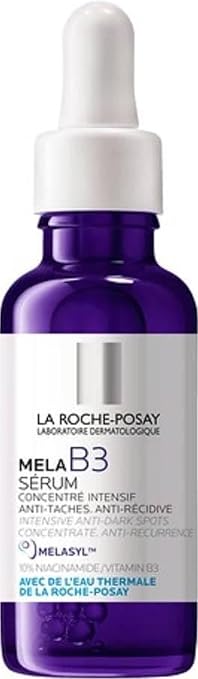
| Morning (optional) | Vitamin C serum | 10–20% L-ascorbic acid, stored dark and cool; discard once it discolours. |
| Morning | Broad-spectrum SPF 30+ | The non-negotiable step. Reapply every two hours outdoors; tinted mineral formulas for pigmentation-prone or darker skin. |
| Evening | Cleanse | Same gentle cleanser. Remove sunscreen. |
| Evening | Retinoid | Start 2–3 nights a week at the lowest strength; increase over months as tolerated. Moisturise over it if dry. |
| Evening (optional) | Niacinamide or an AHA | Niacinamide layers with anything; alternate an AHA with the retinoid rather than combining. |
| Any time | Moisturiser | Plain, fragrance-free. The barrier work that lets the actives be tolerated. |
What a pharmacist would add
- Pregnancy and breastfeeding: no retinoids, including over-the-counter retinol. Sunscreen, vitamin C, niacinamide and AHAs are fine.
- Oral isotretinoin, doxycycline and several other medicines increase sun sensitivity; sunscreen becomes essential rather than advisable while on them.
- Retinoids and benzoyl peroxide or AHAs used at the same time inactivate or irritate; alternate nights rather than layering.
- Prescription tretinoin is more potent than any over-the-counter retinoid, and cheaper than most premium serums. If the goal is reversing existing photodamage, it is the rational choice to ask about.
- Skin cancer screening: anyone with significant past sun exposure, many moles or a family history should be checked periodically. It is the skin-ageing intervention with the highest stakes and the one no routine replaces.
Frequently asked questions
What is the best skincare routine to slow visible ageing?
Broad-spectrum sunscreen every morning and a retinoid every evening, built up slowly. Those two carry almost all of the randomised human evidence for slowing and partly reversing visible skin ageing. A gentle cleanser and plain moisturiser support them; vitamin C, niacinamide or an alpha-hydroxy acid are reasonable additions with smaller evidence.
Does sunscreen really prevent skin ageing?
Yes. In a randomised trial of 903 adults under 55 in Australia, those assigned to daily SPF 15+ sunscreen for four and a half years showed 24% less skin ageing than those using it at their discretion, on top of the established reduction in skin cancer (Annals of Internal Medicine, 2013). Because ultraviolet light drives most visible ageing, prevention is the highest-value step at any age.
Which at-home devices actually deliver anti-aging benefits?
Red light (LED) masks are the only at-home device with sham-controlled trials, and the result is modest and slow. In a 2025 trial of 59 adults aged 30 to 65, a red and near-infrared mask worn 9 minutes a day, 5 days a week, improved crow's feet by at least one grade in 86% of users after 12 weeks, against 17% with a dimmed sham mask (25 of 29 against 5 of 30; Park et al., Medicine 2025). The mask's maker paid for that trial. A separate 2025 trial, whose authors declare no competing interests, gave 95 women aged 45 to 60 a red mask or a sham two or three times a week for 4 weeks: blinded specialists saw no difference on a wrinkle scale, although measured wrinkle length between the brows and beside one eye was shorter and the women were more satisfied (Bragato et al., Lasers in Medical Science 2025). Read together: a small effect around the eyes, after about three months of near-daily use, and nothing visible at four weeks.
How should you prioritize spending on anti-aging products and treatments?
Spend in the order of the evidence. First, a broad-spectrum sunscreen every morning: 24% less skin ageing over four and a half years in a randomised trial of 903 adults. Second, a retinoid at night. Only then the extras, such as vitamin C, a peptide serum or a red light mask, whose best trial is 59 people over 12 weeks and was paid for by the manufacturer. A device does not replace the first two.
Which anti-aging treatments give the most visible results?
At home, a nightly retinoid gives the most visible change in skin that is already sun-damaged, over six to twelve months, and daily sunscreen prevents the most. A red light mask improved crow's feet in one 12-week trial and showed nothing to blinded specialists in a 4-week trial. In-clinic procedures such as lasers go further than anything used at home, with cost and downtime to match.
Retinol or tretinoin — which is better for anti-ageing?
Tretinoin is the more potent, better-evidenced and usually cheaper option, available on prescription. Over-the-counter retinol and retinaldehyde convert to the same active molecule with gentler onset and their own controlled trials; retinaldehyde is the stronger of the two. Either works if used consistently; tretinoin works faster and further.
Do collagen supplements improve skin?
Small randomised trials, most funded by manufacturers, report modest improvements in hydration and elasticity measured by instrument over eight to twelve weeks. The effects are small, independent replication is limited, and adequate dietary protein supplies the same amino acids. It is not harmful; it is not the evidence base the marketing implies.
Are peptide serums worth it?
One is defensible: the copper peptide GHK-Cu has small topical trials showing modest improvement in skin density and fine lines. Other cosmetic peptides are marketed on cell-culture mechanisms with little or no human evidence. None approaches a retinoid, and injectable 'skin peptides' sold online have no human evidence and real injection risk.
Can skincare slow ageing in the rest of the body?
No. Skincare acts on the skin. A retinoid improves the structure of photodamaged skin; sunscreen prevents further damage. Neither slows biological ageing, and products borrowing longevity-medicine vocabulary — senolytic serums, NAD⁺ creams — are using it as branding rather than describing an effect.
Keep reading
- GHK-Cu: the copper peptide, graded
The one cosmetic peptide with real topical trials.
- Which daily habits offer the best longevity benefits?
Skin ageing is not biological ageing; here is what moves the latter.
- The best longevity supplements, ranked by human evidence
Where collagen and other oral 'skin' supplements sit on the shelf.
- Early disease detection
Skin cancer screening — the skin intervention with the highest stakes.
- Free stack check
Screen topicals and supplements against your medication — several raise sun sensitivity.
More in Skincare
- Best hair loss treatments, ranked by evidence.
Topical minoxidil and oral finasteride hold the real randomised trial evidence for hair loss, ranking above laser caps, PRP, microneedling and hair vitamins.
- Best acne treatment, ranked by evidence.
Benzoyl peroxide and adapalene have decades of randomised trial evidence for acne, ranking above salicylic acid, azelaic acid, and hydrocolloid patches.