Which antiaging medicines deliver clinically proven wrinkle reduction results?

See more of CureMed in your Google results.
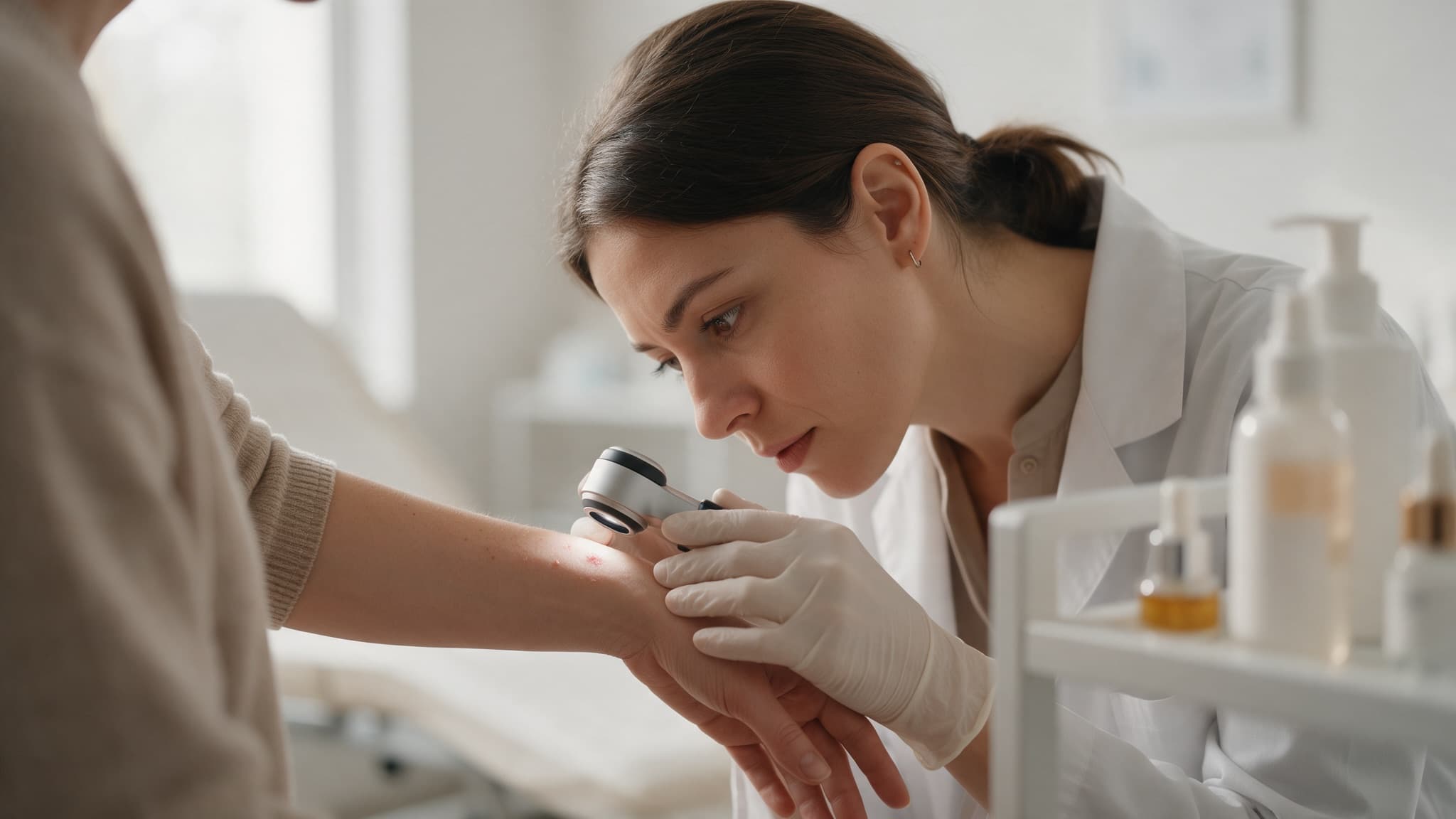
For wrinkles, the medicines with real trial evidence are: Botox-type injections for expression lines, tretinoin (and the stronger tazarotene) cream for sun-damage wrinkles, and hyaluronic-acid fillers for deep folds. Over-the-counter retinol, peptides and vitamin C have much weaker evidence. Daily sunscreen is the only thing shown in a trial to reduce future skin ageing, so it goes under all of them.
Ranked on randomised trials with wrinkle severity as the measured outcome, the medicines with clinically proven wrinkle reduction are: botulinum toxin for dynamic lines (glabellar, forehead, crow's feet — approved on multiple randomised trials with the largest measured effect for the lines it treats); tretinoin for photoageing wrinkles (decades of randomised, vehicle-controlled trials with histological confirmation over six to twelve months); tazarotene, a stronger retinoid with comparable trial evidence and more irritation; hyaluronic-acid fillers for static folds such as the nasolabial fold (controlled trials against no treatment, with operator-dependent results); and adapalene, a gentler retinoid with smaller photoageing trials. Over-the-counter retinol, peptides and vitamin C rank below all of them on evidence. Daily sunscreen is not a wrinkle treatment but is the only intervention with a randomised trial showing less skin ageing over four years, and it underwrites every result above. Each medicine treats a different kind of wrinkle; the ranking is by evidence for the kind each treats.
- Wrinkles are not one thing: dynamic lines respond to neuromodulators, photoageing wrinkles to retinoids, deep static folds to fillers. The best-evidenced medicine depends on which you have.
- Tretinoin is the only topical with decades of randomised, histologically confirmed trials for wrinkle reduction; retinol is not tretinoin.
- Botulinum toxin has the largest measured effect of any wrinkle medicine — for the expression lines it treats, and for three to four months.
- Fillers are approved devices with controlled trials; the injector matters more than the product.
- Sunscreen is the one intervention that reduces future wrinkles in a randomised trial, and every result above is undone without it.
CureMed grades this on human trial evidence; animal data never raises a grade.
Medicines ranked on proven wrinkle reduction
Ranked on: randomised, controlled human trials with wrinkle severity as a measured outcome — size, duration, use of validated scales or histology, and independence from the manufacturer — for the type of wrinkle each medicine treats.
| # | Option | Verdict | Grade |
|---|---|---|---|
| 1 | Botulinum toxin (onabotulinumtoxinA and relatives) | Largest measured effect, for dynamic lines | GRADE AEstablished |
| 2 | Tretinoin (topical) | Decades of randomised, histologically confirmed trials | GRADE AEstablished |
| 3 | Tazarotene (topical) | Comparable trials to tretinoin; more potent, more irritating | GRADE AEstablished |
| 4 | Hyaluronic-acid dermal fillers | Controlled trials for static folds; operator-dependent | GRADE BPromising |
| 5 | Adapalene (topical) | Gentler retinoid; smaller photoageing trials | GRADE BPromising |
| 6 | Over-the-counter retinol and retinaldehyde | Weaker molecules, weaker trials | GRADE CEarly |
| 7 | Topical peptides (GHK-Cu, Matrixyl, Argireline) | Small trials, modest effects | GRADE CEarly |
| 8 | Topical vitamin C, niacinamide, alpha-hydroxy acids | Supporting evidence for texture and pigmentation | GRADE CEarly |
| 9 | Daily sunscreen (the foundation, not a treatment) | The only intervention proven to reduce future skin ageing | GRADE AEstablished |
- 01
Botulinum toxin (onabotulinumtoxinA and relatives)
GRADE AEstablishedLargest measured effect, for dynamic linesApproved for glabellar, forehead and lateral canthal lines on multiple randomised, placebo-controlled trials using validated line-severity scales, with responder rates far above placebo and a well-characterised safety profile in trained hands. Effect lasts three to four months. Treats expression lines only; does nothing for texture, pigmentation or static folds.
- 02
Tretinoin (topical)
GRADE AEstablishedDecades of randomised, histologically confirmed trialsVehicle-controlled trials over six to twelve months show reduced fine wrinkles, roughness and mottled pigmentation, with biopsy-confirmed new collagen. The only topical with this depth of evidence. Irritation is expected early and manageable; sun sensitivity requires the sunscreen underneath. Prescription-only in most jurisdictions.
- 03
Tazarotene (topical)
GRADE AEstablishedComparable trials to tretinoin; more potent, more irritatingRandomised trials against vehicle and against tretinoin show similar or slightly greater improvement in fine wrinkles and pigmentation over 24 weeks, at the cost of more irritation. An option where tretinoin is tolerated and more effect is wanted.
- 04
Hyaluronic-acid dermal fillers
GRADE BPromisingControlled trials for static folds; operator-dependentApproved for nasolabial folds and other areas on controlled trials against no treatment or against collagen fillers, measuring fold severity for six to twelve months. Reversible with hyaluronidase. Vascular occlusion is the serious risk and depends on the injector's anatomy knowledge, which is why the grade is B despite approval.
- 05
Adapalene (topical)
GRADE BPromisingGentler retinoid; smaller photoageing trialsApproved for acne and available over the counter in some countries; smaller randomised trials show improvement in photoageing wrinkles with less irritation than tretinoin. A reasonable entry retinoid on evidence that is real but thinner.
- 06
Over-the-counter retinol and retinaldehyde
GRADE CEarlyWeaker molecules, weaker trialsRetinol must be converted in the skin and is far less potent than tretinoin; trials are smaller, shorter and mostly manufacturer-run, showing modest improvement. Better than nothing, not a substitute for the prescription, and often what people use believing it is.
Small vehicle-controlled trials over eight to twelve weeks show modest reductions in wrinkle depth; most are manufacturer-funded. A third line behind a retinoid and sunscreen.
- 08
Topical vitamin C, niacinamide, alpha-hydroxy acids
GRADE CEarlySupporting evidence for texture and pigmentationSmall trials show improvements in texture, tone and pigmentation, with wrinkle effects smaller and less consistent than retinoids. Useful adjuncts; not wrinkle medicines.
- 09
Daily sunscreen (the foundation, not a treatment)
GRADE AEstablishedThe only intervention proven to reduce future skin ageingA randomised trial of daily versus discretionary sunscreen showed measurably less skin ageing at four and a half years. It does not reduce existing wrinkles; it prevents the next ones, and every medicine above it is undone without it. Graded A and listed last because it is the floor of the ranking, not a rung.
Which medicine for which wrinkle
Matching the evidence to the wrinkle
| Wrinkle type | Where | Best-evidenced medicine | What else helps | What does not |
|---|---|---|---|---|
| Dynamic (expression) lines | Glabella, forehead, crow's feet | Botulinum toxin | Retinoid for the texture around them | Peptides sold as 'topical botox' |
| Fine photoageing wrinkles | Cheeks, around the eyes, chest, hands | Tretinoin or tazarotene | Adapalene; sunscreen to hold the gain | Retinol at the same claim |
| Static folds | Nasolabial, marionette | Hyaluronic-acid filler | Retinoid for surface quality | Any topical |
| Texture, roughness, mottling | Diffuse | Tretinoin | Vitamin C, AHAs, niacinamide | Collagen supplements for texture |
| Future wrinkles | Everywhere exposed | Daily sunscreen | Not smoking; retinoid | Everything else, without it |
Frequently asked questions
Which medicines have clinically proven wrinkle reduction?
On randomised trials with wrinkle severity as the outcome: botulinum toxin for dynamic expression lines (largest measured effect, three to four months per treatment); tretinoin and tazarotene for photoageing wrinkles (decades of vehicle-controlled, histologically confirmed trials); hyaluronic-acid fillers for static folds; and adapalene on smaller trials. Over-the-counter retinol, peptides and vitamin C rank below them. Daily sunscreen is the only intervention proven to reduce future skin ageing.
Is tretinoin really better than retinol for wrinkles?
Yes, on evidence and on potency. Tretinoin is the active retinoic acid with decades of randomised, biopsy-confirmed trials on wrinkles; retinol must be converted in the skin, is far less potent, and has smaller, shorter, mostly manufacturer-run trials showing modest effects. Retinol is better than nothing and is often used in the belief that it is equivalent. It is not.
What is the most effective treatment for crow's feet and frown lines?
Botulinum toxin, approved for exactly those lines on multiple randomised, placebo-controlled trials with validated severity scales, and with the largest measured effect of any wrinkle medicine. It works on expression lines by relaxing the muscle, lasts three to four months, and does nothing for skin texture, pigmentation or static folds, which need a retinoid or a filler.
Do dermal fillers count as clinically proven?
Hyaluronic-acid fillers are approved devices with controlled trials measuring fold severity for six to twelve months, so yes for the static folds they treat. They rank B rather than A because results and the serious risk — vascular occlusion — depend on the injector's skill and anatomical knowledge more than on the product.
Do peptide creams reduce wrinkles?
Modestly, in small vehicle-controlled trials over eight to twelve weeks that are mostly manufacturer-funded. GHK-Cu and Matrixyl have the best of that evidence; Argireline's 'topical botox' effect is a fraction of the injectable's. They are a reasonable third line behind sunscreen and a retinoid, not a replacement for either.
Does sunscreen reduce wrinkles?
It reduces future ones: a randomised trial of daily versus discretionary sunscreen showed measurably less skin ageing at four and a half years. It does not reverse existing wrinkles. Every wrinkle medicine above it depends on it — tretinoin in particular increases sun sensitivity — which is why it is the floor of the ranking rather than a rung.
Keep reading
- Best longevity skincare routine to slow visible aging
The full routine, in order of evidence.
- What are the most effective antiaging prescription treatments available?
Skin prescriptions against the systemic ones.
- Best longevity peptides for skin health and wrinkle reduction
The peptide tier in detail.
- Skincare, graded
Every skincare intervention on the site by evidence tier.
More in Anti-aging pharma
- Rapamycin for longevity: what the human evidence actually shows
The only 48-week human trial (PEARL, n=129) missed its primary endpoint. What rapamycin has actually shown, the real risks, and who should never take it.
- The AI-designed drug that made patients 'biologically younger': what the trial actually measured
An AI-designed drug lowered predicted biological age across six clocks. It was a secondary analysis of 42 lung-disease patients. Here's what that means.
- Is there a pill that can make you live to 150?
No pill has ever extended human lifespan in a trial. Here is what the compounds behind the 'live to 150' headlines actually proved, and in which species.
- What are the most effective antiaging prescription treatments available?
Tretinoin, botulinum toxin and statins rank on randomised evidence above rapamycin, metformin and senolytics, which lack trial evidence for anti-ageing use.
- What antiaging pharmaceuticals work best for skin rejuvenation?
Tretinoin ranks first for skin rejuvenation, improving texture, fine wrinkles, and pigmentation in decades of trials, ahead of hydroquinone and Botox.
- Which doctor-prescribed antiaging drugs are safest long term?
Statins and antihypertensives top the safety ranking with 30-plus years of data; growth hormone and testosterone 'optimisation' rank lowest, with real harm.