Holistic longevity program to extend life and wellness.

See more of CureMed in your Google results.
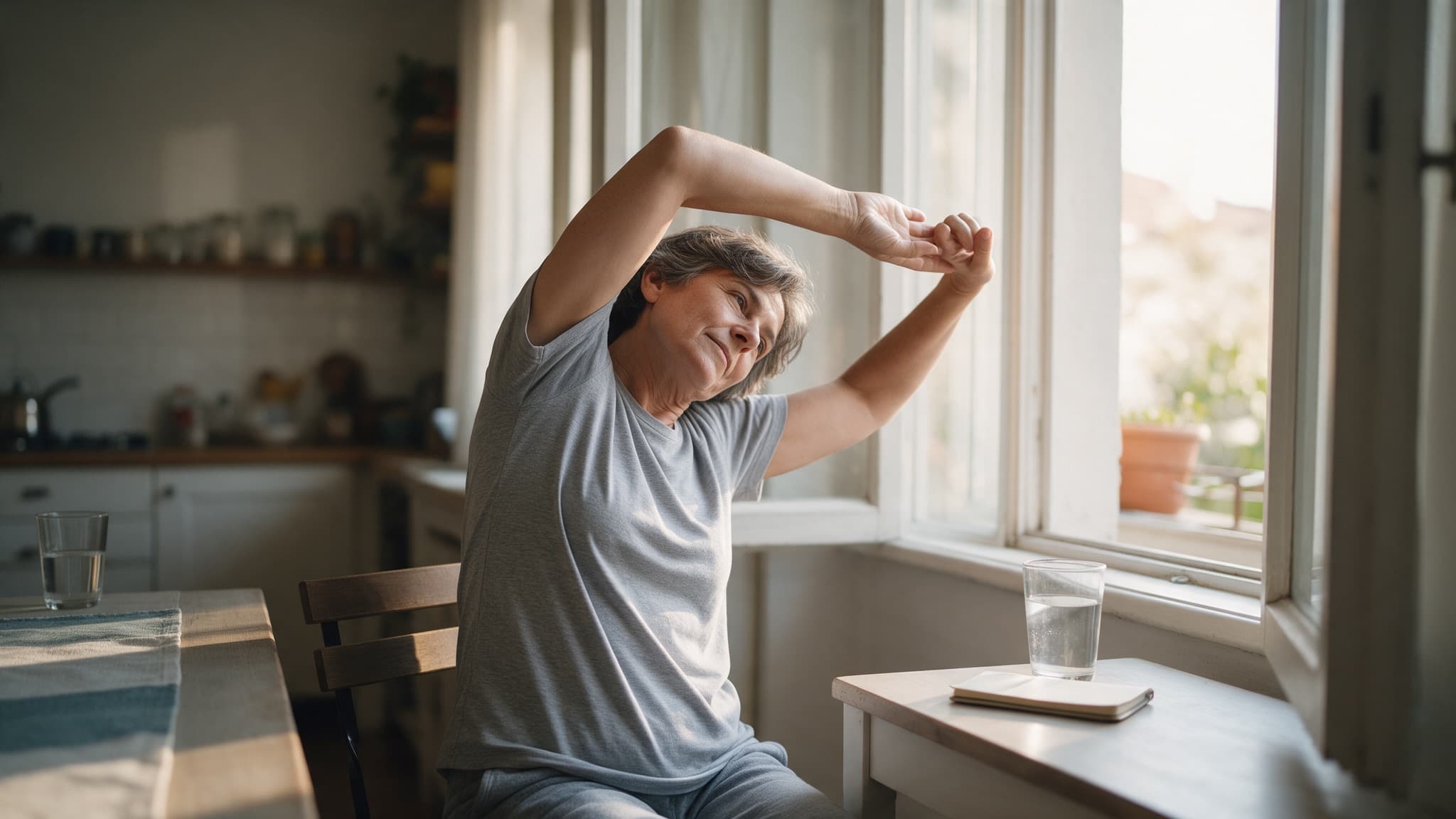
A truly holistic longevity program treats physical health (heart health, exercise, sleep), mental health and relationships, and conventional preventive medicine (screenings, vaccines, treating existing conditions) as equally important — because they all have real evidence for extending life and wellness. Purpose and meaning matter too, with somewhat weaker evidence. Ironically, many commercial programs that call themselves 'holistic' are actually narrower than mainstream medicine, because they skip mental health treatment and screening in favor of supplements and rituals.
A genuinely holistic longevity program addresses every domain with real evidence, and the word 'holistic' is too often used to mean 'alternative' rather than 'complete' — this ranking uses the honest meaning. First: physical health fundamentals (cardiovascular risk control, physical activity, sleep), which have the deepest evidence base of any domain and must anchor any program calling itself comprehensive. Second: mental health and social connection, given that depression, chronic stress and loneliness each have mortality associations comparable to major physical risk factors, yet are frequently the first thing dropped from 'holistic' programs that focus on supplements and rituals instead. Third: preventive medicine (screening, vaccination, medication adherence for existing conditions), which a genuinely holistic view must include rather than treating conventional medicine as separate from 'wellness.' Fourth: purpose and meaning, with cohort evidence (including work on ikigai and similar constructs) associating a sense of purpose with lower mortality, weaker in causal strength than the domains above but consistently positive. Ranking notably absent or low from many commercial 'holistic' programs despite belonging here: mental health treatment when clinically indicated (often replaced with wellness language alone) and conventional preventive medicine (often positioned as opposed to 'holistic' approaches rather than part of them). A program is holistic in the meaningful sense only if it treats mental health and conventional screening with the same seriousness as diet and supplements — most commercial 'holistic' programs do the opposite.
- 'Holistic' should mean 'covers every evidenced domain,' not 'alternative to conventional medicine' — the two get conflated often.
- Mental health and social connection have mortality evidence as strong as major physical risk factors, and are frequently underweighted in commercial wellness programs.
- Preventive medicine (screening, vaccination, medication) belongs inside a holistic program, not outside it.
- Purpose and meaning have real cohort evidence, weaker in causal strength than physical and mental health domains.
- Many commercial 'holistic' programs are actually narrower than conventional medicine, not broader, because they drop mental health treatment and screening.
This assessment is CureMed's, reviewed by the PharmD-led team at CureMed Labs.
Domains ranked by evidence, for a genuinely comprehensive program
Ranked on: the strength of human evidence linking the domain to mortality or major morbidity, applied to what a comprehensive program should actually cover.
| # | Option | Verdict | Grade |
|---|---|---|---|
| 1 | Physical health fundamentals | The deepest evidence base; must anchor any comprehensive program | GRADE AEstablished |
| 2 | Mental health and social connection | Mortality associations comparable to major physical risk factors; often the first thing dropped | GRADE AEstablished |
| 3 | Preventive medicine (screening, vaccination, medication adherence) | Belongs inside a holistic program, not positioned against it | GRADE AEstablished |
| 4 | Purpose and meaning | Real cohort evidence, weaker causal strength than the domains above | GRADE BPromising |
- 01
Physical health fundamentals
GRADE AEstablishedThe deepest evidence base; must anchor any comprehensive programCardiovascular risk control, regular physical activity, adequate sleep — decades of trial and cohort evidence. No program can call itself holistic while treating this domain as secondary to supplements or alternative practices.
- 02
Mental health and social connection
GRADE AEstablishedMortality associations comparable to major physical risk factors; often the first thing droppedDepression, chronic unmanaged stress and social isolation each carry mortality associations in cohort studies comparable to smoking or physical inactivity. A program that addresses diet and supplements in detail while treating mental health as an afterthought is not holistic in any meaningful sense.
- 03
Preventive medicine (screening, vaccination, medication adherence)
GRADE AEstablishedBelongs inside a holistic program, not positioned against itGuideline cancer screening, recommended vaccinations, and taking prescribed medication for existing conditions as directed are all evidence-backed longevity interventions. Programs that frame 'holistic' as an alternative to this, rather than inclusive of it, are working against their own stated goal.
- 04
Purpose and meaning
GRADE BPromisingReal cohort evidence, weaker causal strength than the domains aboveConstructs like ikigai and general 'sense of purpose' measures are associated with lower mortality in cohort studies, though the evidence is less able to establish causation than for the domains above (people with a strong sense of purpose may also be healthier for other reasons). Worth including; not a substitute for the stronger-evidenced domains.
What commercial 'holistic' programs typically get backwards
Common gaps in commercial 'holistic' longevity programs
| Domain | What a genuinely holistic program does | What many commercial programs do instead |
|---|---|---|
| Mental health | Screens for depression/anxiety; refers to treatment when indicated | Offers 'mindfulness' content only, avoids clinical language |
| Preventive medicine | Actively tracks and encourages due screenings and vaccines | Positions itself as an alternative to 'conventional' medicine |
| Cardiovascular risk | Blood pressure/cholesterol checks integrated into the program | Deprioritised in favor of supplement protocols |
| Social connection | Structured programming for relationships and community | Treated as a minor add-on, if included at all |
| Evidence transparency | States which parts have strong vs. weak evidence | Presents all elements (proven and unproven) with equal confidence |
Frequently asked questions
What should a genuinely holistic longevity program include?
Physical health fundamentals (cardiovascular risk control, activity, sleep), mental health and social connection treated with clinical seriousness, conventional preventive medicine (screening, vaccination, medication adherence), and purpose/meaning. A program is holistic in the meaningful sense only if it covers all of these, not if it substitutes supplements and rituals for mental health treatment and screening.
Why do many 'holistic' longevity programs skip mental health treatment?
Often because positioning against 'conventional' medicine is part of the program's marketing, and mental health treatment (therapy, medication when indicated) is seen as conventional. This is backwards from an evidence standpoint — depression and chronic stress have mortality associations comparable to major physical risk factors and deserve the same seriousness as diet.
Is purpose and meaning really important for longevity?
Cohort studies find a sense of purpose (sometimes measured as ikigai or similar constructs) associated with lower mortality, though the evidence is weaker at establishing causation than for physical health and mental health domains — people with strong purpose may also be healthier for other reasons. Worth including in a comprehensive program; not a substitute for the stronger-evidenced domains.
Should a holistic program include conventional screening and vaccines?
Yes — a program that treats conventional preventive medicine as separate from or opposed to 'holistic' wellness is narrower than the word implies, not broader. Guideline cancer screening, recommended vaccinations and adherence to prescribed medication all have strong evidence and belong inside a genuinely comprehensive program.
How do I tell if a 'holistic' longevity program is actually comprehensive?
Check whether it addresses mental health with clinical seriousness (screening, referral pathways, not just mindfulness content) and whether it actively tracks conventional preventive care. If it offers detailed supplement or diet protocols but is vague about depression screening or overdue medical screenings, it's likely using 'holistic' to mean 'alternative' rather than 'complete.'
Does social connection belong in a longevity program the same way diet does?
Yes — loneliness and social isolation carry mortality associations in cohort studies on a similar order to smoking, which is a stronger evidence base than many popular 'wellness' interventions. A comprehensive program should structure social connection with the same deliberateness as exercise or nutrition, not treat it as a minor add-on.
Keep reading
- Evidence based strategies to extend life and healthspan
The domain-by-domain evidence this program should be built from.
- What longevity routines actually help extend life expectancy?
How to build daily routines across these domains.
- Longevity health clinics
How a genuinely comprehensive program should be delivered clinically.
- Free stack check
The medication-adherence domain, checked.
More in Protocols & lifestyle
- How can I extend life through daily habits?
Not smoking is the single biggest driver of a longer life, followed by physical activity, diet quality, sleep and social connection — ranked here by evidence.
- What are the most effective ways to extend life?
Quitting smoking is the most effective way to extend life, ranked ahead of blood pressure control, vaccination, diet, exercise, and cancer screening.
- What longevity routines actually help extend life expectancy?
Consistent sleep and wake times, structured aerobic-plus-resistance exercise and medication adherence rank above cold exposure, fasting and saunas.
- Which diet changes best extend life and vitality?
A plant-forward whole-food diet ranks first for extending life and vitality, backed by PREDIMED trial evidence for fewer cardiovascular events.
- Evidence based strategies to extend life and healthspan.
A complete evidence-based strategy spans four domains: lifestyle habits rank first with the largest evidence base, then risk factors, screening and function.
- Longevity plan to extend life with minimal lifestyle changes.
Ranked by return on effort: one-time actions like vaccination, screening and quitting smoking beat ongoing habits for a minimal-effort longevity plan.