Best clinically tested antiaging medicine and pharmaceutical treatments.

See more of CureMed in your Google results.
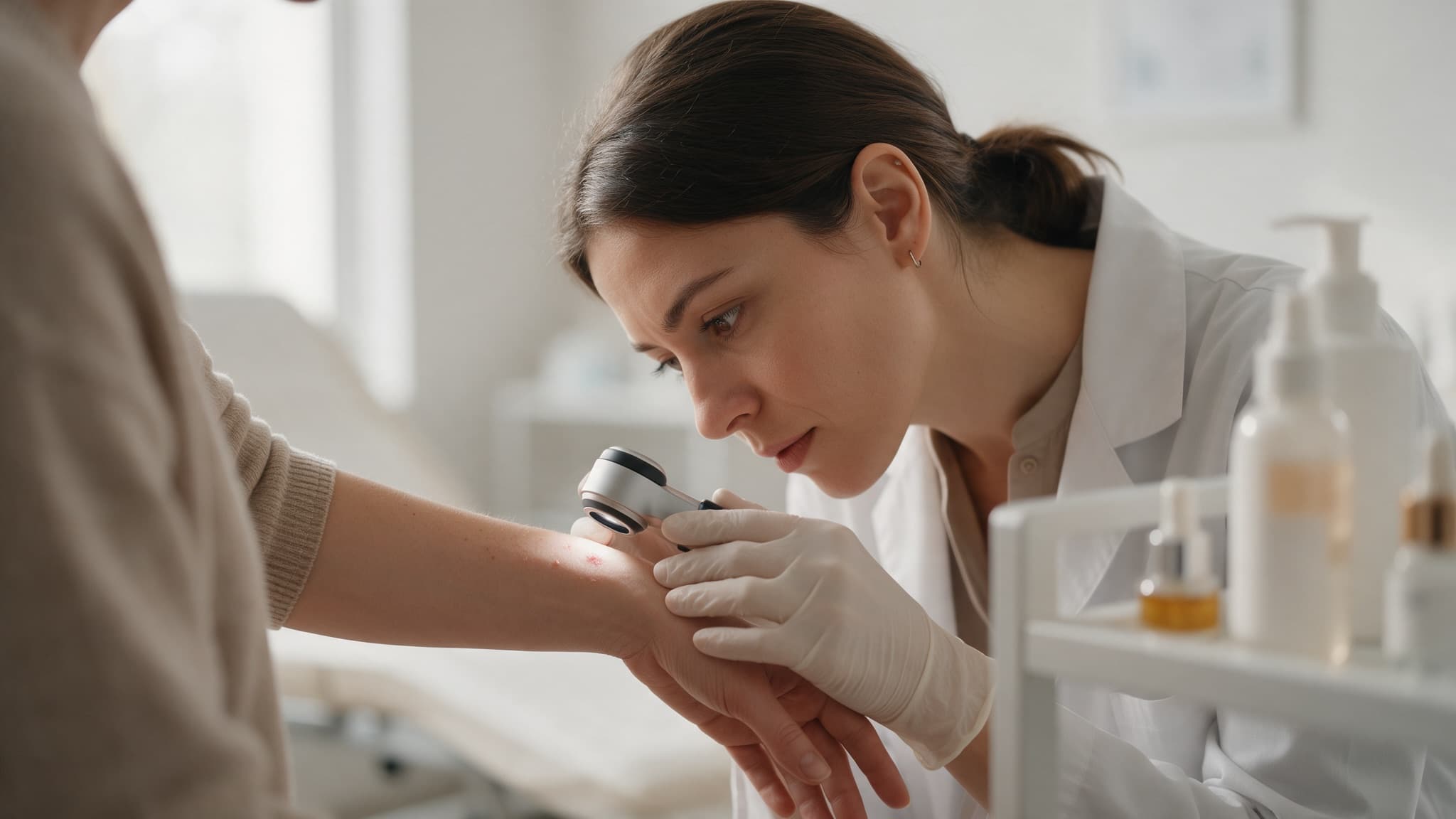
The anti-ageing medicines with the best clinical trials are the ones tested on real outcomes in large numbers: blood-pressure and cholesterol drugs (fewer deaths), semaglutide (fewer heart attacks in people with heart disease and obesity), tretinoin (proven for sun-damaged skin), Botox-type injections and hormone therapy. The medicines tested for 'ageing' itself have trials too — and they failed, missed or never started, which is why they rank at the bottom.
Ranked by the clinical trials that actually exist — named, sized and with their result stated — the best clinically tested anti-ageing medicines are the ones tested against hard outcomes in large numbers: antihypertensives (SPRINT, 9,361 adults, fewer cardiovascular events and deaths), statins (26 trials, 170,000 participants, lower all-cause mortality), semaglutide (SELECT, 17,604 adults with obesity and cardiovascular disease, fewer major cardiovascular events), tretinoin (multiple vehicle-controlled photoageing trials with histology), botulinum toxin (randomised trials on validated line scales), and menopausal hormone therapy (the largest trials in women's health, with quantified benefits and risks). Below them are the medicines tested for ageing itself, whose trials are the reason to rank them low: the mTOR inhibitor RTB101 (Phase 3, 1,024 adults over 65, hit its target and failed its clinical endpoint), the senolytic programmes (Phase 2 bone trial missed its primary endpoint; UNITY's osteoarthritis Phase 2 failed against placebo), NAD precursors (short trials, markers only), and metformin's TAME trial, which is the most-cited trial in longevity and has never enrolled a participant. 'Clinically tested' is true of every entry; the ranking is what the tests showed.
- A clinical trial has a name, a size, an endpoint and a result; a medicine is clinically tested when those four things can be stated, and the ranking states them.
- The medicines with the best trials were tested for what ageing does — hypertension, dyslipidaemia, obesity with heart disease, photodamage — not for ageing.
- The best-powered test of the geroscience hypothesis, RTB101's Phase 3, is a negative result that the field rarely quotes.
- The senolytic trials that have read out have missed; the metformin trial that would settle the question has not started.
- Semaglutide's SELECT is the strongest human result in the field and measured no ageing biology.
CureMed grades this on human trial evidence; animal data never raises a grade.
Anti-ageing medicines ranked by their trials
Ranked on: the largest, longest, best-designed completed human trial for each medicine, with its endpoint and result. A positive trial on a hard outcome ranks highest; a positive trial on appearance or symptoms next; a positive trial on a marker below that; a negative, missed or un-started trial lowest.
| # | Option | Verdict | Grade |
|---|---|---|---|
| 1 | Antihypertensives — SPRINT | 9,361 adults; fewer events and deaths | GRADE AEstablished |
| 2 | Statins — Cholesterol Treatment Trialists' meta-analysis | 26 trials, 170,000 participants; lower all-cause mortality | GRADE AEstablished |
| 3 | Semaglutide — SELECT | 17,604 adults with obesity and CVD; fewer major cardiovascular events | GRADE AEstablished |
| 4 | Tretinoin — vehicle-controlled photoageing trials | Multiple randomised trials with histology; reversal of photoageing | GRADE AEstablished |
| 5 | Botulinum toxin — glabellar and lateral canthal line trials | Randomised, placebo-controlled; responder rates far above placebo | GRADE AEstablished |
| 6 | Menopausal hormone therapy — the large women's-health trials | Quantified benefits and risks; timing-dependent | GRADE BPromising |
| 7 | NAD precursors (NR, NMN) — short randomised trials | Markers rise; no outcome trial | GRADE BPromising |
| 8 | Metformin for ageing — TAME | The most-cited trial in longevity has never enrolled anyone | GRADE CEarly |
| 9 | mTOR inhibition for ageing — RTB101 Phase 3 | 1,024 adults over 65; hit its target, failed its endpoint | GRADE CEarly |
| 10 | Senolytics — dasatinib + quercetin, UBX0101 | Phase 2 trials missed | GRADE DInsufficient or unsafe |
| 11 | Compounded peptides, IV therapies, stem-cell and exosome products for ageing | No completed human trial for the use sold | GRADE DInsufficient or unsafe |
- 01
Antihypertensives — SPRINT
GRADE AEstablished9,361 adults; fewer events and deathsIntensive versus standard blood-pressure targets in adults at elevated cardiovascular risk: primary composite HR 0.75, all-cause mortality HR 0.73, with more hypotension, syncope and acute kidney injury in the intensive arm. A hard-outcome trial in older adults showing fewer deaths — the standard every other entry is measured against.
- 02
Statins — Cholesterol Treatment Trialists' meta-analysis
GRADE AEstablished26 trials, 170,000 participants; lower all-cause mortalityEach 1 mmol/L LDL reduction produced a 22% reduction in major vascular events and a 10% reduction in all-cause mortality, with no threshold found. The largest body of randomised evidence for any medicine that changes how long people live.
- 03
Semaglutide — SELECT
GRADE AEstablished17,604 adults with obesity and CVD; fewer major cardiovascular eventsThe strongest human result in the anti-ageing field by a wide margin — and a cardiovascular trial in people with established heart disease and BMI ≥27 that measured no ageing biology and enrolled no healthy people. Grade A for its population; extrapolation beyond it is not tested.
- 04
Tretinoin — vehicle-controlled photoageing trials
GRADE AEstablishedMultiple randomised trials with histology; reversal of photoageingRandomised, vehicle-controlled trials over six to twelve months showed reduced fine wrinkles, roughness and pigmentation, with new collagen on biopsy. The best-tested topical for visible ageing, tested for exactly that.
- 05
Botulinum toxin — glabellar and lateral canthal line trials
GRADE AEstablishedRandomised, placebo-controlled; responder rates far above placeboMultiple randomised trials using validated line-severity scales supported approval for glabellar, forehead and crow's-feet lines. Tested and positive for the one thing it does.
- 06
Menopausal hormone therapy — the large women's-health trials
GRADE BPromisingQuantified benefits and risks; timing-dependentThe largest trials in the field quantified fracture reduction and symptom relief against breast cancer, thromboembolism and stroke risks that depend on age at initiation and formulation. Clinically tested more thoroughly than almost anything on this page; ranked B because the result is a balance, not a benefit.
Multiple randomised trials over six to twelve weeks show reliable increases in blood NAD⁺ and inconsistent effects on insulin sensitivity or function. Clinically tested; tested on a marker. The Phase 2 NADage trial in frailty is in progress.
- 08
Metformin for ageing — TAME
GRADE CEarlyThe most-cited trial in longevity has never enrolled anyoneMetformin is thoroughly tested in diabetes. For ageing, the Targeting Aging with Metformin trial reached an FDA endpoint agreement eleven years ago and remains prepared, unfunded and un-started; the human case rests on cohort associations and small trials showing blunted exercise adaptation. Clinically tested for diabetes; clinically untested for ageing.
- 09
mTOR inhibition for ageing — RTB101 Phase 3
GRADE CEarly1,024 adults over 65; hit its target, failed its endpointThe best-powered test of the geroscience hypothesis: the rapamycin-related mTOR inhibitor RTB101 reduced clinically symptomatic respiratory illness in 26% of participants versus 25% on placebo (OR 1.07, p=0.65). Rapamycin itself has small trials on immune markers. Clinically tested for ageing — with a negative result.
Senescent-cell markers fall in small human studies; the Phase 2 trial in postmenopausal bone missed its primary endpoint and UNITY's Phase 2 in knee osteoarthritis failed against placebo. Clinically tested; the tests were negative.
- 11
Compounded peptides, IV therapies, stem-cell and exosome products for ageing
GRADE DInsufficient or unsafeNo completed human trial for the use soldSold as clinically tested; the tests are in animals, in other diseases, or absent. Ranked last because 'clinically tested' is untrue of them for the claim made.
The trial ledger
Name, size, endpoint, result
| Medicine | Trial | Participants | Population | Primary endpoint | Result |
|---|---|---|---|---|---|
| Antihypertensives | SPRINT | 9,361 | Adults ≥50 at CV risk, no diabetes | Composite CV events | Positive; mortality reduced |
| Statins | CTT meta-analysis | ~170,000 | Adults with or at risk of CVD | Major vascular events; mortality | Positive |
| Semaglutide | SELECT | 17,604 | Obesity + established CVD | Major adverse CV events | Positive |
| Tretinoin | Vehicle-controlled photoageing trials | Hundreds across trials | Photoaged adults | Wrinkle and texture scores; histology | Positive |
| Botulinum toxin | Glabellar-line pivotal trials | Hundreds | Adults with moderate–severe lines | Line severity, validated scale | Positive |
| Menopausal HRT | Large women's-health trials | Tens of thousands | Postmenopausal women | Multiple; CHD, fracture, cancer | Mixed; timing-dependent |
| NR / NMN | Multiple small RCTs | Dozens each | Adults, often older | Blood NAD⁺; surrogates | Marker positive; outcomes inconsistent |
| Metformin (ageing) | TAME | 0 enrolled | Planned: adults 65–79 | Planned: composite ageing outcome | Not started |
| RTB101 (mTOR) | Phase 3 | 1,024 | Adults ≥65 | Respiratory illness incidence | Negative (26% vs 25%) |
| Dasatinib + quercetin | Phase 2 (bone) | Small | Postmenopausal women | Bone turnover | Missed primary |
| UBX0101 (senolytic) | Phase 2 | Small | Knee osteoarthritis | Pain | Failed vs placebo |
Frequently asked questions
What are the best clinically tested anti-ageing medicines?
Ranked by the trials that exist and what they showed: antihypertensives (SPRINT — fewer events and deaths), statins (26-trial meta-analysis — lower mortality), semaglutide (SELECT — fewer cardiovascular events in obesity with heart disease), tretinoin (vehicle-controlled photoageing trials with histology), botulinum toxin (randomised line-severity trials) and menopausal HRT (large trials, balanced result). The medicines tested for ageing itself rank lowest because their trials failed (RTB101), missed (senolytics) or never started (TAME).
Has any drug passed a clinical trial for ageing itself?
No. The best-powered attempt, the Phase 3 of the mTOR inhibitor RTB101 in 1,024 adults over 65, hit its molecular target and failed its clinical endpoint. Senolytic Phase 2 trials missed their primary endpoints. The metformin TAME trial has never enrolled a participant. NAD precursor trials show a marker rising. Nothing has passed a trial with an ageing outcome.
What did the RTB101 trial show?
In 1,024 adults aged 65 and over, the rapamycin-related mTOR inhibitor reduced the incidence of clinically symptomatic respiratory illness in 26% of participants versus 25% on placebo — odds ratio 1.07, p=0.65. It engaged its target and did not change the clinical outcome. It is the most rigorous test of the geroscience hypothesis to date and is rarely quoted by those who prescribe rapamycin for ageing.
Is metformin clinically tested for anti-ageing?
Not yet. It is thoroughly tested for type 2 diabetes. The Targeting Aging with Metformin trial, which would test it for ageing, reached an FDA endpoint agreement eleven years ago and remains unfunded and un-started. The current case rests on cohort associations and small trials — some of which show it blunts adaptations to exercise.
Is semaglutide an anti-ageing drug on the evidence?
It has the strongest human trial result in the field: SELECT, 17,604 adults with obesity and established cardiovascular disease, fewer major cardiovascular events. It measured no ageing biology and enrolled no healthy adults. It is a superbly tested drug for its population and an untested one for healthy people taking it against 'metabolic ageing'.
Why do the senolytics rank so low if they have trials?
Because the trials read out negative: the Phase 2 dasatinib-plus-quercetin bone trial missed its primary endpoint and UNITY's UBX0101 Phase 2 in knee osteoarthritis failed against placebo, even though senescent-cell markers fall in small human studies. Clinically tested is true; the result is what determines the rank.
Keep reading
- Anti-aging pharmaceuticals: what has actually been tested in people
The full section with every trial documented.
- What are the most effective antiaging prescription treatments available?
The same medicines ranked on effectiveness for a measured outcome.
- What are the best clinically proven longevity supplements?
The same 'name the trial' test applied to supplements.
- How we grade evidence
Why a failed Phase 3 outranks no trial and still earns a C.
More in Anti-aging pharma
- Rapamycin for longevity: what the human evidence actually shows
The only 48-week human trial (PEARL, n=129) missed its primary endpoint. What rapamycin has actually shown, the real risks, and who should never take it.
- The AI-designed drug that made patients 'biologically younger': what the trial actually measured
An AI-designed drug lowered predicted biological age across six clocks. It was a secondary analysis of 42 lung-disease patients. Here's what that means.
- Is there a pill that can make you live to 150?
No pill has ever extended human lifespan in a trial. Here is what the compounds behind the 'live to 150' headlines actually proved, and in which species.
- What are the most effective antiaging prescription treatments available?
Tretinoin, botulinum toxin and statins rank on randomised evidence above rapamycin, metformin and senolytics, which lack trial evidence for anti-ageing use.
- Which antiaging medicines deliver clinically proven wrinkle reduction results?
Botulinum toxin has the largest measured effect on dynamic wrinkles in randomised trials, ahead of tretinoin for photoaging and fillers for static folds.
- What antiaging pharmaceuticals work best for skin rejuvenation?
Tretinoin ranks first for skin rejuvenation, improving texture, fine wrinkles, and pigmentation in decades of trials, ahead of hydroquinone and Botox.