Which antiaging pharmaceuticals truly slow visible signs of aging?

See more of CureMed in your Google results.
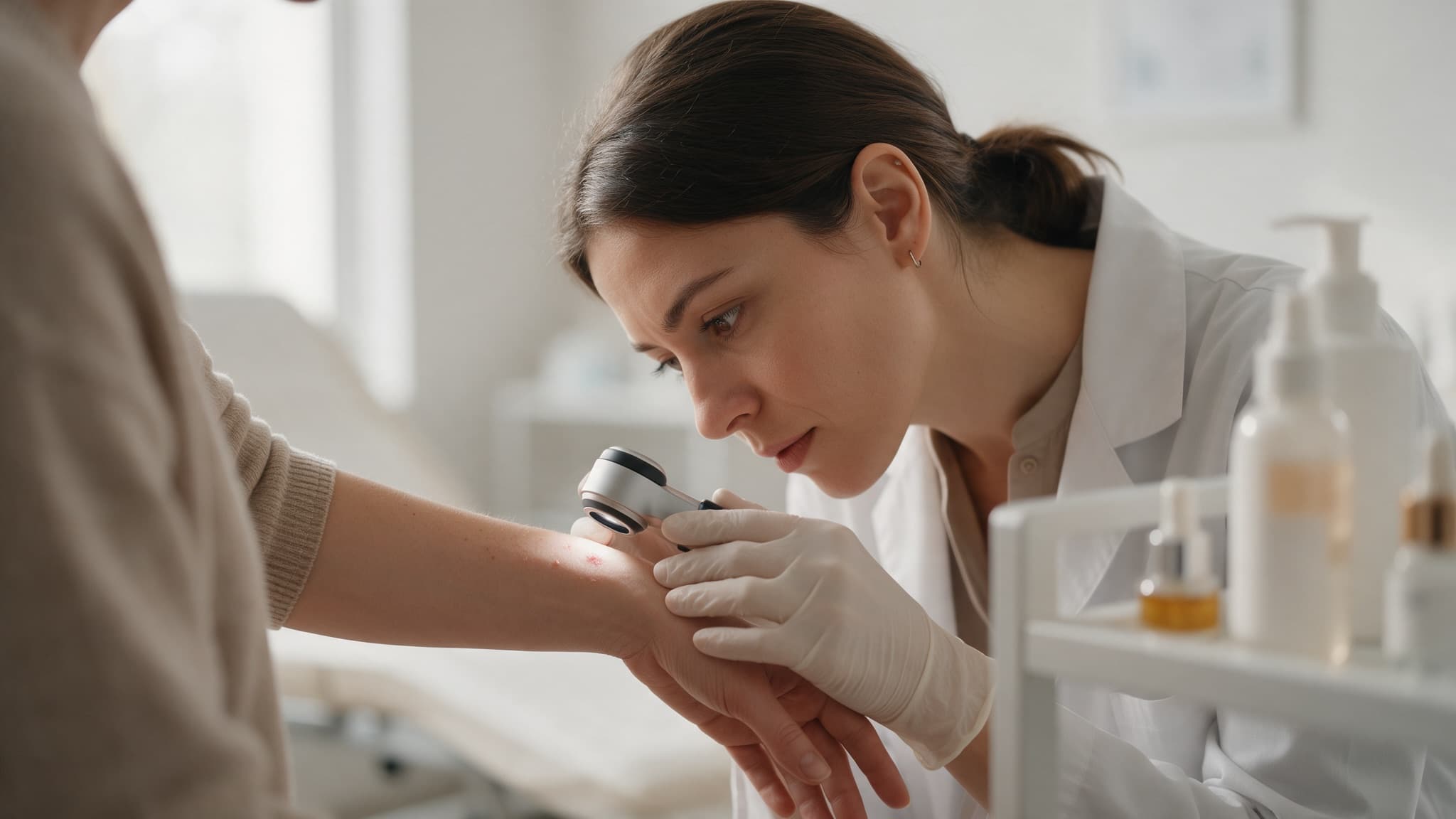
Only one thing has been shown in a proper trial to slow future skin ageing: daily sunscreen. The prescriptions with evidence — tretinoin, Botox-type injections, pigmentation treatments, fillers — reverse ageing that has already happened, which is useful but different. Tretinoin used continuously probably does both. The systemic 'longevity' drugs have no evidence on visible ageing at all. Not smoking is the other proven way to slow it, and it is not a drug.
'Slowing' visible ageing means changing its future trajectory, and only one intervention has a randomised trial measuring that: daily broad-spectrum sunscreen, which showed measurably less skin ageing over four and a half years compared with discretionary use. Everything else with evidence reverses existing change rather than slowing future change — which is valuable and different. Ranked on that distinction: sunscreen first as the only proven slower; tretinoin second, because it reverses photoageing wrinkles, texture and pigmentation in long randomised trials and, used continuously, plausibly slows their return; botulinum toxin third, which reverses dynamic lines and, used repeatedly, may limit the etching of static ones; depigmenting agents and fillers fourth, which reverse pigmentation and volume loss without slowing anything; and the systemic longevity drugs — rapamycin, metformin, NAD precursors, senolytics — last, with no trial on any visible outcome. Not smoking is the other proven slower, and it is not a pharmaceutical. The honest answer is one product, applied daily, plus a prescription that reverses the damage already done.
- Slowing and reversing are different claims with different evidence; conflating them is how most anti-ageing marketing works.
- Sunscreen is the only intervention with a randomised trial showing less skin ageing over time; nothing pharmaceutical matches it for prevention.
- Tretinoin reverses existing photoageing in randomised trials and, used continuously, plausibly slows recurrence — the strongest 'both' on the list.
- Neuromodulators reverse dynamic lines; the claim that repeated use slows static lines is plausible and thinly evidenced.
- Systemic longevity drugs have no trial on any visible sign of ageing; 'slowing visible ageing' in their marketing is unmeasured.
CureMed ranks on published human evidence, and screens drug interactions first.
Ranked on slowing versus reversing visible ageing
Ranked on: randomised human evidence for slowing future visible ageing (a trajectory comparison over years) ranks highest; evidence for reversing existing visible ageing (a before-and-after comparison over months) ranks next; plausible-but-unmeasured slowing ranks below measured reversing; no visible-outcome trial ranks last.
| # | Option | Verdict | Grade |
|---|---|---|---|
| 1 | Daily broad-spectrum sunscreen | The only intervention proven to slow skin ageing | GRADE AEstablished |
| 2 | Tretinoin (topical), used continuously | Reverses photoageing in trials; plausibly slows recurrence | GRADE AEstablished |
| 3 | Botulinum toxin, repeated | Reverses dynamic lines; may limit etching of static ones | GRADE AEstablished |
| 4 | Hydroquinone, tranexamic acid, azelaic acid | Reverse pigmentation; slow nothing without sunscreen | GRADE AEstablished |
| 5 | Hyaluronic-acid fillers | Reverse volume loss; no effect on the ageing process | GRADE BPromising |
| 6 | Tazarotene, adapalene | Reverse, as tretinoin, with more or less irritation | GRADE BPromising |
| 7 | Over-the-counter retinol, peptides, vitamin C, niacinamide | Modest reversal in small trials | GRADE CEarly |
| 8 | Oral collagen, oral antioxidants, 'skin supplements' | Small hydration and elasticity effects; no slowing | GRADE CEarly |
| 9 | Systemic longevity drugs — rapamycin, metformin, NAD precursors, senolytics | No trial on any visible sign of ageing | GRADE DInsufficient or unsafe |
- 01
Daily broad-spectrum sunscreen
GRADE AEstablishedThe only intervention proven to slow skin ageingA randomised trial of daily versus discretionary sunscreen use in adults showed measurably less skin ageing — assessed by microtopography — at four and a half years, with no detectable ageing in the daily-use group over the period. It does not reverse existing damage. It is the only entry on this page with trial evidence for the word 'slow'.
- 02
Tretinoin (topical), used continuously
GRADE AEstablishedReverses photoageing in trials; plausibly slows recurrenceRandomised, histologically confirmed trials show reversal of fine wrinkles, roughness and mottled pigmentation over six to twelve months, with new collagen on biopsy. Maintenance-use trials show gains held with continued application and lost on stopping — which is evidence of reversal sustained, and the closest any pharmaceutical comes to demonstrated slowing. Needs sunscreen underneath.
- 03
Botulinum toxin, repeated
GRADE AEstablishedReverses dynamic lines; may limit etching of static onesApproved on randomised trials for reversing expression lines for three to four months. The claim that repeated treatment prevents dynamic lines from becoming static is plausible mechanically and supported by small long-term observational series rather than trials. Grade A for reversing; unproven for slowing.
- 04
Hydroquinone, tranexamic acid, azelaic acid
GRADE AEstablishedReverse pigmentation; slow nothing without sunscreenRandomised trials show reversal of melasma and solar lentigines over eight to sixteen weeks. Pigmentation returns with sun exposure regardless of the agent; the slowing is done by the sunscreen, the reversing by the drug.
- 05
Hyaluronic-acid fillers
GRADE BPromisingReverse volume loss; no effect on the ageing processControlled trials show restored volume for six to twelve months. Some biopsy data suggest fillers stimulate local collagen, which is sometimes presented as slowing; it is a local tissue response, not a change in the ageing trajectory. Reverser, temporarily.
- 06
Tazarotene, adapalene
GRADE BPromisingReverse, as tretinoin, with more or less irritationRetinoids with smaller photoageing trials than tretinoin showing reversal of fine wrinkles and pigmentation. The same continuous-use logic applies; the evidence base is thinner.
- 07
Over-the-counter retinol, peptides, vitamin C, niacinamide
GRADE CEarlyModest reversal in small trialsSmall, short, mostly manufacturer-funded trials show modest improvements in texture, tone and fine lines. No slowing evidence; weaker reversing evidence than the prescriptions. Reasonable adjuncts.
- 08
Oral collagen, oral antioxidants, 'skin supplements'
GRADE CEarlySmall hydration and elasticity effects; no slowingMeta-analyses of industry-funded trials show small gains in hydration and elasticity over weeks. No trial measures the trajectory of visible ageing. Oral antioxidants have no consistent visible-ageing evidence and, at high doses, some safety signals elsewhere.
- 09
Systemic longevity drugs — rapamycin, metformin, NAD precursors, senolytics
GRADE DInsufficient or unsafeNo trial on any visible sign of ageingNone has a human trial measuring wrinkles, texture, pigmentation, volume or any visible outcome. Topical rapamycin has one small trial on photoageing markers without a clinical endpoint. 'Slowing visible ageing' in their marketing is a claim nobody has measured.
Slowing and reversing, separated
What each intervention has been shown to do to visible ageing
| Intervention | Slows future ageing (trial) | Reverses existing ageing (trial) | How long the effect holds |
|---|---|---|---|
| Daily sunscreen | Yes — 4.5-year randomised trial | No | As long as it is used |
| Not smoking | Yes — cohort and twin studies | No | Lifelong |
| Tretinoin, continuous | Plausible — maintenance trials hold gains | Yes — 6–12-month trials with histology | While used; lost on stopping |
| Botulinum toxin, repeated | Plausible — observational | Yes — for dynamic lines | 3–4 months per treatment |
| Depigmenting agents | No | Yes — 8–16-week trials | Until sun exposure resumes without protection |
| Fillers | No | Yes — volume, 6–12 months | 6–12 months |
| OTC retinol, peptides, vitamin C | No | Modest — small trials | While used |
| Systemic longevity drugs | No trial | No trial | — |
Frequently asked questions
Which pharmaceuticals truly slow visible signs of ageing?
Strictly, only daily sunscreen has a randomised trial showing slowed skin ageing over years — and it is not a prescription. Tretinoin reverses existing photoageing in long trials and, used continuously, plausibly slows its return, making it the strongest pharmaceutical on both counts. Botulinum toxin, depigmenting agents and fillers reverse specific signs without slowing the process. Systemic longevity drugs have no trial on any visible sign of ageing. Not smoking is the other proven slower.
What is the difference between slowing and reversing skin ageing?
Slowing means the skin ages less over the coming years than it otherwise would; it is tested by comparing trajectories over a long trial. Reversing means the skin looks better in months than it does today; it is tested by comparing before and after. Sunscreen slows; tretinoin, neuromodulators, depigmenting agents and fillers reverse. Most marketing conflates the two.
Does tretinoin prevent wrinkles or just treat them?
Trials show it reverses existing fine wrinkles, roughness and pigmentation over six to twelve months with new collagen on biopsy, and maintenance-use studies show the gains hold with continued use and fade on stopping. That is demonstrated reversal sustained over time — the closest any pharmaceutical comes to proven slowing. It needs daily sunscreen underneath to hold.
Does regular Botox slow the formation of wrinkles?
It reverses dynamic expression lines for three to four months per treatment, on randomised trials. The claim that repeated treatment stops dynamic lines becoming permanent static ones is mechanically plausible and supported by small long-term observational series, not by trials. Reversing is proven; slowing is plausible.
Do rapamycin, metformin or NAD supplements slow visible ageing?
No human trial has measured wrinkles, texture, pigmentation, volume or any visible outcome for any of them. Topical rapamycin has one small trial on photoageing markers with no clinical endpoint. Whatever these compounds may or may not do to ageing biology, 'slowing visible ageing' is a claim nobody has tested.
What is the single best thing to slow visible ageing?
Daily broad-spectrum sunscreen, on the only randomised trial that has measured the trajectory of skin ageing over years — plus not smoking. Everything pharmaceutical reverses rather than slows, and tretinoin is the reverser most worth adding.
Keep reading
- Best longevity skincare routine to slow visible aging
The routine that combines the slower and the reversers.
- Which antiaging medicines deliver clinically proven wrinkle reduction results?
The reversing evidence, wrinkle by wrinkle.
- Anti-aging pharmaceuticals: what has actually been tested in people
Why the systemic drugs have no visible-ageing evidence.
- Skincare, graded
Every skincare intervention on the site by evidence tier.
More in Anti-aging pharma
- Rapamycin for longevity: what the human evidence actually shows
The only 48-week human trial (PEARL, n=129) missed its primary endpoint. What rapamycin has actually shown, the real risks, and who should never take it.
- The AI-designed drug that made patients 'biologically younger': what the trial actually measured
An AI-designed drug lowered predicted biological age across six clocks. It was a secondary analysis of 42 lung-disease patients. Here's what that means.
- Is there a pill that can make you live to 150?
No pill has ever extended human lifespan in a trial. Here is what the compounds behind the 'live to 150' headlines actually proved, and in which species.
- What are the most effective antiaging prescription treatments available?
Tretinoin, botulinum toxin and statins rank on randomised evidence above rapamycin, metformin and senolytics, which lack trial evidence for anti-ageing use.
- Which antiaging medicines deliver clinically proven wrinkle reduction results?
Botulinum toxin has the largest measured effect on dynamic wrinkles in randomised trials, ahead of tretinoin for photoaging and fillers for static folds.
- What antiaging pharmaceuticals work best for skin rejuvenation?
Tretinoin ranks first for skin rejuvenation, improving texture, fine wrinkles, and pigmentation in decades of trials, ahead of hydroquinone and Botox.