Which AI health app helps monitor chronic conditions?

See more of CureMed in your Google results.
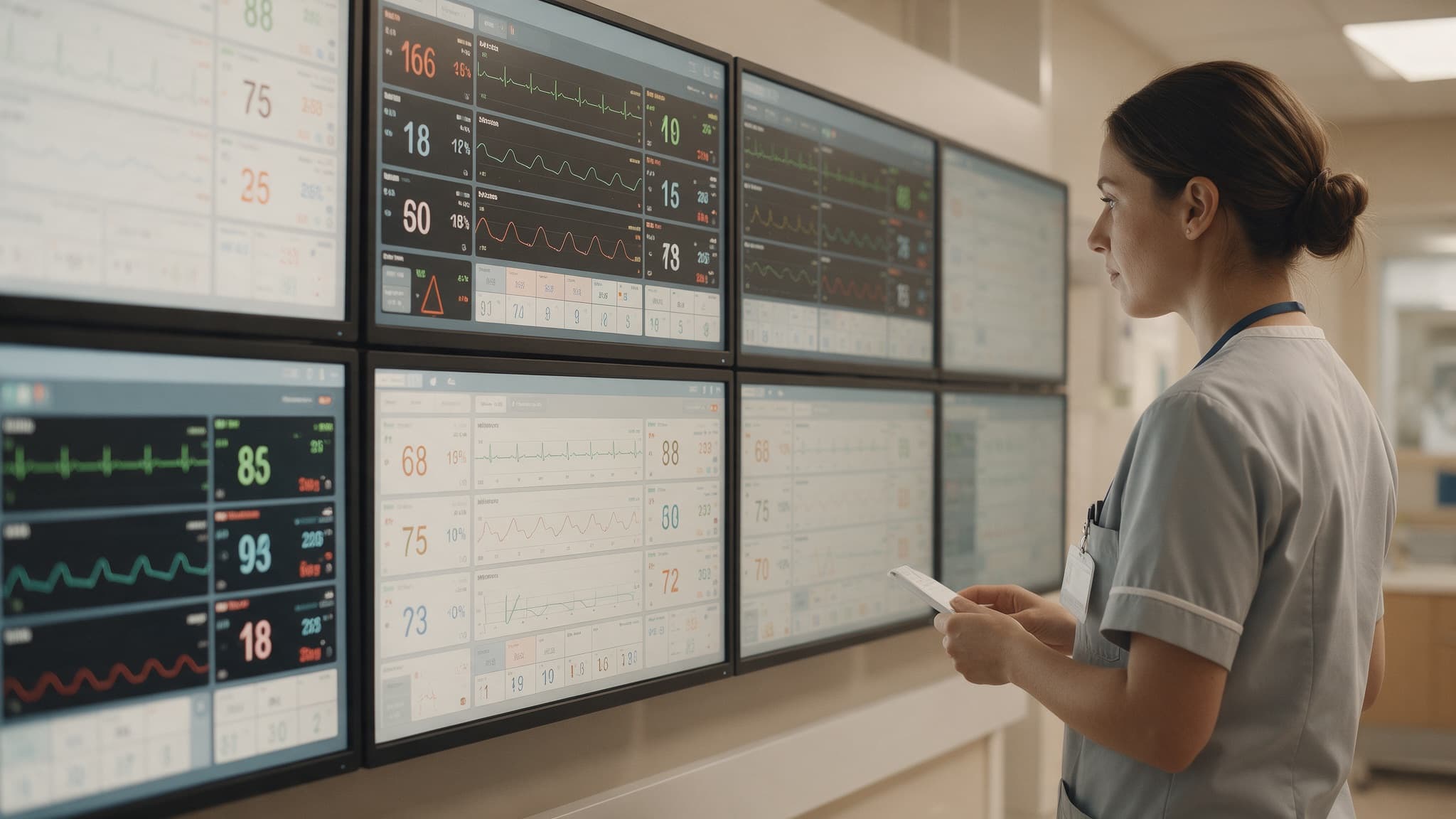
The AI health apps that genuinely help with chronic conditions are the ones that send real measurements to someone who adjusts your treatment: diabetes platforms that connect glucose data to coaching and dose changes have trial evidence, hypertension programmes built on a validated home cuff with clinician or pharmacist titration lower blood pressure, and health-system remote monitoring for heart failure or COPD works when a nurse responds. Smartwatch atrial-fibrillation features detect rather than manage, and general symptom trackers and chatbots organise information without any evidence of improving outcomes.
Chronic-condition monitoring is the one corner of consumer health AI with randomised trials, and the ranking follows them. First: diabetes platforms that connect glucose data (CGM or meter) to coaching and clinician titration — Livongo/Teladoc, Omada, Virta for type 2 remission, and the CGM makers' own apps — because randomised and large pragmatic studies show HbA1c reductions when data flow to a person who adjusts treatment. Second: hypertension programmes built on a validated home cuff with algorithm-assisted titration by a clinician or pharmacist, which have lowered blood pressure in trials; the app is the conduit and the titration is the effect. Third: remote-monitoring programmes for heart failure and COPD run by a health system, where weight, symptoms and oxygen feed a nurse dashboard — evidence is mixed and depends entirely on who responds. Fourth: the regulated atrial-fibrillation features on smartwatches, which detect a condition rather than manage one. Fifth: general chronic-condition symptom trackers and chatbot companions, which organise information and have no outcome evidence. The pattern across every tier is the same: the app that helps is the app attached to a clinician who changes a dose.
- Diabetes and hypertension apps have trial evidence because they connect a real measurement to someone who adjusts treatment.
- The effect in every positive trial is the titration, not the algorithm; the app is the conduit.
- Health-system remote monitoring works when a nurse responds the same day and fails when nobody does.
- Smartwatch AF features detect; they do not monitor a condition once diagnosed.
- For a pharmacist, the useful chronic-condition app is the one that logs the medicines and the readings together, because the readings mean nothing without the doses.
This assessment is CureMed's, reviewed by the PharmD-led team at CureMed Labs.
Chronic-condition AI apps ranked by evidence
Ranked on: randomised or large pragmatic evidence that using the app improved a clinical measure or outcome; whether a regulated device supplies the measurement; and whether a person acts on the data.
| # | Option | Verdict | Grade |
|---|---|---|---|
| 1 | Diabetes platforms connecting glucose data to coaching and titration | HbA1c reductions in trials; the human closes the loop | GRADE AEstablished |
| 2 | Hypertension programmes with validated cuff and titration | Blood pressure lowered in trials; titration is the effect | GRADE AEstablished |
| 3 | Health-system remote monitoring for heart failure and COPD | Works when someone responds; mixed evidence overall | GRADE BPromising |
| 4 | Smartwatch atrial-fibrillation features | Detects; does not manage | GRADE BPromising |
| 5 | General symptom trackers and chatbot companions | Organise information; no outcome evidence | GRADE CEarly |
- 01
Diabetes platforms connecting glucose data to coaching and titration
GRADE AEstablishedHbA1c reductions in trials; the human closes the loopLivongo/Teladoc, Omada, Virta (carbohydrate restriction with medical supervision for type 2 remission), and CGM-maker apps (Dexcom, Abbott LibreView) used with a clinic. Randomised and large real-world studies show HbA1c falls of clinically meaningful size when readings reach a coach or clinician who adjusts diet and medication. The algorithm flags patterns; the person changes the metformin, the insulin or the plate.
- 02
Hypertension programmes with validated cuff and titration
GRADE AEstablishedBlood pressure lowered in trials; titration is the effectA validated upper-arm cuff (Omron, Withings and others on the validated-device lists) feeding an app, with protocol-driven titration by a clinician or pharmacist. Trials of pharmacist-led and app-supported titration show sustained reductions. A watch's cuffless estimate does not qualify, and an app without a titrator is a diary.
- 03
Health-system remote monitoring for heart failure and COPD
GRADE BPromisingWorks when someone responds; mixed evidence overallDaily weight, symptoms, oxygen saturation and sometimes implanted pressure sensors feeding a nurse dashboard with algorithmic flags. Results range from fewer admissions to no effect, and the difference is response time and clinical follow-through, not the software. Join one run by your own cardiology or respiratory service.
- 04
Smartwatch atrial-fibrillation features
GRADE BPromisingDetects; does not manageRegulated irregular-rhythm notification and ECG find atrial fibrillation and prompt a cardiology visit. Once diagnosed, they can note recurrence, but anticoagulation and rate control decisions belong to the clinician, and the watch adds little to management. An A for detection, a B for monitoring.
- 05
General symptom trackers and chatbot companions
GRADE CEarlyOrganise information; no outcome evidenceApps for logging symptoms, flares, migraines, pain, mood, and conversational companions that reflect on the log. Useful for bringing an organised record to a consultation; no evidence that any changes a condition's course, and chatbot 'insights' are unregulated interpretation.
What to use, condition by condition
Chronic conditions and the app set with evidence
| Condition | Measurement device | App and who acts | Evidence |
|---|---|---|---|
| Type 2 diabetes / prediabetes | CGM or connected meter | Platform with coach and prescriber titration | HbA1c reductions in RCTs and pragmatic trials |
| Type 1 diabetes | CGM + pump | Automated insulin delivery systems (regulated) | Strong RCT evidence for time in range |
| Hypertension | Validated upper-arm cuff | App with clinician or pharmacist titration | BP reductions in RCTs |
| Heart failure | Scale, symptom log, sometimes implanted sensor | Health-system nurse-led monitoring | Mixed; depends on response |
| COPD / asthma | Oximeter, symptom log, smart inhaler | Health-system programme; smart-inhaler adherence apps | Adherence improves; outcomes mixed |
| Atrial fibrillation | Smartwatch ECG | Cardiology | Detection validated |
| Chronic pain, migraine, IBD, autoimmune | Symptom log | Tracker brought to clinic | Organisational only |
| Any condition on several medicines | Medication log | Pharmacist review | Adherence and interaction evidence |
Frequently asked questions
Which AI health app helps monitor chronic conditions?
Ranked by trial evidence: diabetes platforms that connect glucose data to coaching and clinician titration (Livongo/Teladoc, Omada, Virta, CGM apps with a clinic) first; hypertension programmes using a validated home cuff with clinician or pharmacist titration second; health-system remote monitoring for heart failure and COPD third, effective when a nurse responds; smartwatch atrial-fibrillation features fourth, for detection rather than management; general symptom trackers and chatbot companions last.
Do diabetes apps actually lower HbA1c?
The ones that connect readings to a coach or prescriber do, in randomised and large pragmatic studies, by clinically meaningful amounts. The effect comes from the diet and medication changes a person makes in response to the data; an app that displays glucose without anyone acting on it has not shown the same.
Can a smartwatch monitor my blood pressure for hypertension?
No. Cuffless watch estimates are not validated for clinical use and should not guide treatment. Use a validated upper-arm cuff from the published validated-device lists, log readings in an app, and have a clinician or pharmacist titrate against them; that combination has lowered blood pressure in trials.
Is remote patient monitoring for heart failure effective?
It depends on who responds. Programmes where a nurse acts on weight gain or symptom flags the same day have reduced admissions in some trials; programmes where data accumulate on a dashboard have shown no effect. Join one run by your own cardiology service and ask what their response time is.
Are chatbot health companions useful for chronic conditions?
For organising a symptom log and explaining terminology, yes. For interpreting whether a change matters, no — they are unregulated, and their confident interpretation of a real deterioration is the failure mode to worry about. Bring the organised log to the clinician; do not bring the chatbot's conclusion.
What should a chronic-condition app record besides the readings?
The medicines and the doses, with times. A glucose of 12 after a missed metformin dose, a blood pressure of 150 on the morning a tablet was forgotten, an oxygen reading before an inhaler — each means something different from the same number on full treatment. Apps that log both are the ones a pharmacist can work with.
Keep reading
- AI-powered health forecasting
The evidence standard behind the ranking.
- What is the best AI tool for health tracking?
The tracking tools ranked.
- Which wearable devices support the best longevity tracking?
What the wearables measure honestly.
- Free stack check
The medication review that makes the readings mean something.
More in AI health tools
- What is the best AI tool for health tracking?
FDA-cleared cardiac algorithms on major smartwatches — irregular-rhythm notification and single-lead ECG — rank first, validated; chatbots rank last.
- How to choose the best AI health assistant?
Choosing an AI health assistant starts with defining its job — information, triage, tracking or coaching — since none are licensed for actual medical advice.
- Which AI health platform offers personalized wellness recommendations?
Clinician-reviewed biomarker platforms that set a measured target, like ApoB, rank as the most genuinely personalized wellness AI, ahead of wearables.
- What AI health solution supports early disease detection?
AI-supported mammography has the strongest evidence of any AI in medicine, a 105,934-woman trial, ranking above colonoscopy AI and unproven consumer detection.
- Best AI health assistant for personalized diet and exercise.
AI programmes with human coaching, like Noom and Omada, rank first for weight-loss and diabetes-prevention trial evidence; chatbot meal plans rank last.
- Best AI health app for continuous heart rate monitoring.
Regulated rhythm features on Apple Watch, Fitbit, and Samsung Galaxy Watch rank highest for heart-rate monitoring, with cleared atrial-fibrillation detection.