Advanced antiaging medicine options beyond over-the-counter skincare.

See more of CureMed in your Google results.
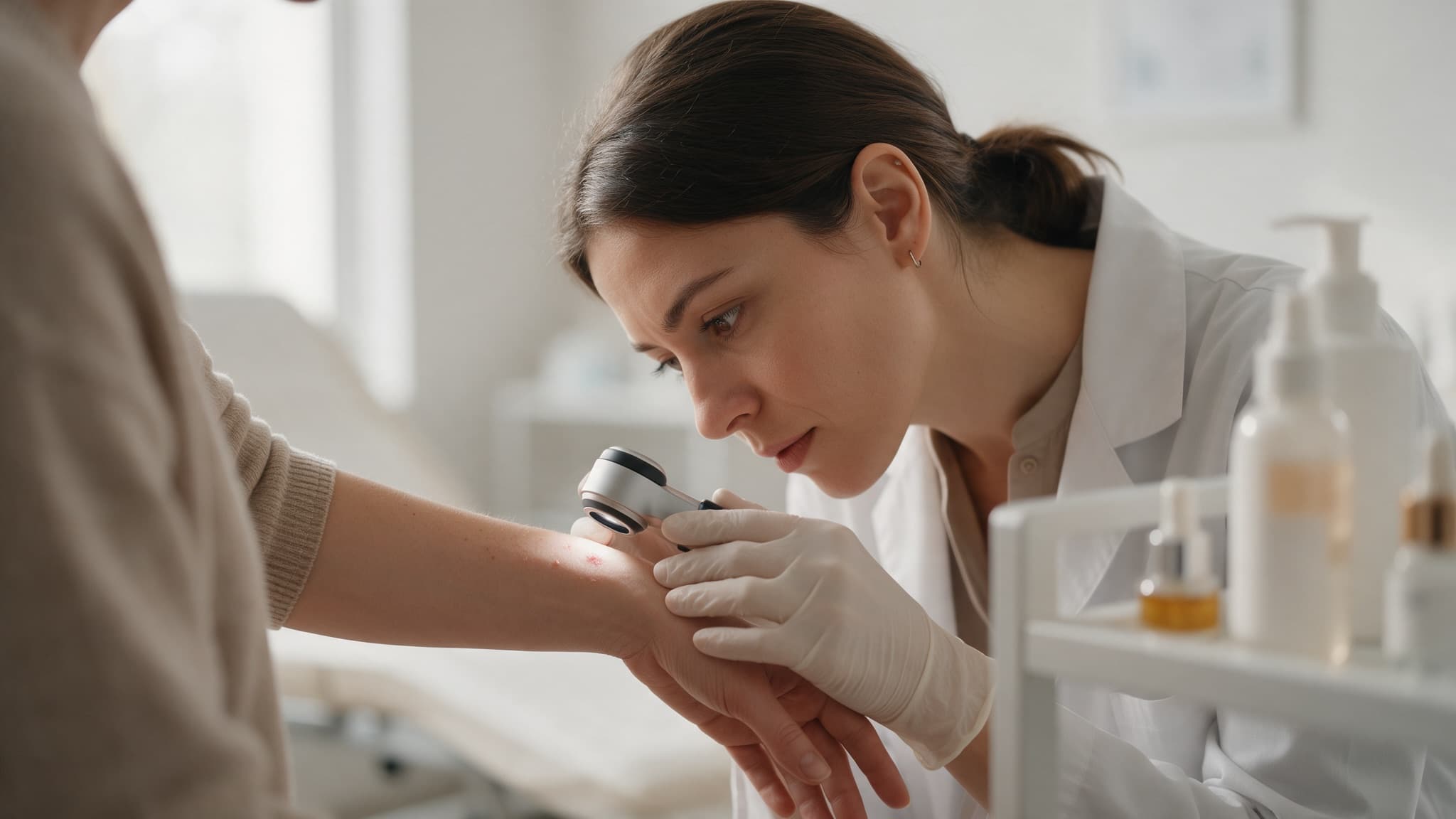
Going beyond over-the-counter skincare adds real options: a tretinoin prescription (far stronger than retinol), prescription treatments for dark patches, Botox-type injections for expression lines, fillers and collagen-stimulating injectables, laser resurfacing, and in severe cases low-dose oral isotretinoin. The treatments marketed as most advanced — PRP facials, exosomes, stem cells, IV drips — have the least evidence. Advanced sounds like a grade; it isn't.
Beyond the pharmacy shelf sits a real tier of anti-ageing medicine, and it ranks by how much each option adds over what can be bought without a prescription or a clinician: tretinoin first, because the gap between it and over-the-counter retinol is the largest evidence gap in skincare and the cheapest to close; prescription depigmenting agents second — hydroquinone, the triple combination, oral tranexamic acid — which treat pigmentation the shelf cannot; neuromodulators third, the only treatment for dynamic lines; fillers and biostimulatory injectables fourth, for volume and collagen the shelf cannot reach; laser and energy devices fifth, with evidence that scales with depth and depends on the operator; low-dose oral isotretinoin sixth, a specialist option for severe photoageing. Then the 'advanced' options sold on the same tier that add cost without evidence: platelet-rich plasma facials (small inconsistent trials), exosome and stem-cell 'regenerative' treatments (no controlled human evidence, regulatory problems), IV vitamin drips (no skin evidence), and systemic longevity drugs (no skin trials). Advanced is not a grade; evidence is.
- The most 'advanced' step past the shelf is also the cheapest: a prescription for tretinoin, which retinol only imitates.
- Pigmentation, dynamic lines and volume loss cannot be treated over the counter at all; those are where a clinician genuinely adds.
- Devices add real effect with real downtime, in proportion, and the operator determines most of the result.
- The regenerative tier — PRP, exosomes, stem cells — is marketed as the most advanced and has the least controlled evidence.
- Nothing systemic sold for longevity has evidence for skin; 'advanced' there means untested.
CureMed ranks on published human evidence, and screens drug interactions first.
Beyond the counter, ranked by what it adds
Ranked on: how much each option adds over the best over-the-counter alternative, on controlled human evidence, weighted by cost, downtime and operator dependence. Options with no controlled evidence rank below the shelf regardless of how advanced they are described as.
| # | Option | Verdict | Grade |
|---|---|---|---|
| 1 | Tretinoin (prescription retinoid) | The largest gap the shelf leaves, and the cheapest to close | GRADE AEstablished |
| 2 | Prescription depigmenting agents | Pigmentation the shelf cannot treat | GRADE AEstablished |
| 3 | Neuromodulators (botulinum toxin) | The only treatment for dynamic lines | GRADE AEstablished |
| 4 | Fillers and biostimulatory injectables | Volume and collagen the counter cannot reach | GRADE BPromising |
| 5 | Laser and energy devices | Effect scales with depth, downtime and operator | GRADE BPromising |
| 6 | Low-dose oral isotretinoin | Specialist option for severe photoageing | GRADE CEarly |
| 7 | Platelet-rich plasma facials | Small, inconsistent trials; marketed as advanced | GRADE CEarly |
| 8 | Exosome, stem-cell and 'regenerative' skin treatments | No controlled human evidence; regulatory problems | GRADE DInsufficient or unsafe |
| 9 | IV vitamin drips and 'skin' infusions | No skin evidence of any kind | GRADE DInsufficient or unsafe |
| 10 | Systemic longevity drugs for skin | No skin trials | GRADE DInsufficient or unsafe |
- 01
Tretinoin (prescription retinoid)
GRADE AEstablishedThe largest gap the shelf leaves, and the cheapest to closeOver-the-counter retinol imitates tretinoin at a fraction of the potency with a fraction of the evidence. The prescription closes the largest evidence gap in skincare for the price of a generic. If only one step is taken past the counter, this is it.
- 02
Prescription depigmenting agents
GRADE AEstablishedPigmentation the shelf cannot treatHydroquinone in time-limited courses, the triple combination for melasma, oral tranexamic acid after a clotting screen. Over-the-counter options — azelaic acid at cosmetic strength, niacinamide, vitamin C — help at the margins; the prescriptions are what move melasma and lentigines in randomised trials.
- 03
Neuromodulators (botulinum toxin)
GRADE AEstablishedThe only treatment for dynamic linesNothing on the shelf treats expression lines; 'topical botox' peptides have a fraction of the effect. Approved on randomised trials, administered by a clinician, three to four months per treatment. A category the counter does not reach.
- 04
Fillers and biostimulatory injectables
GRADE BPromisingVolume and collagen the counter cannot reachHyaluronic-acid fillers restore volume immediately; poly-L-lactic acid and calcium hydroxylapatite build collagen over months, with controlled trials and histology. Injector-dependent, with vascular risk that is the reason to choose the injector carefully.
- 05
Laser and energy devices
GRADE BPromisingEffect scales with depth, downtime and operatorAblative and fractional resurfacing have histological and controlled evidence for wrinkles, texture, pigmentation and laxity; microneedling and radiofrequency less, with less downtime; non-invasive tightening least. The device matters less than the operator and the skin type, and the evidence base is heavily manufacturer-funded for the newer devices.
- 06
Low-dose oral isotretinoin
GRADE CEarlySpecialist option for severe photoageingSmall trials suggest improvement in photoageing over months; teratogenic, with lipid, liver and mood monitoring. Genuinely beyond the counter and genuinely a dermatologist's decision for selected patients.
- 07
Platelet-rich plasma facials
GRADE CEarlySmall, inconsistent trials; marketed as advancedAutologous PRP injected or applied after microneedling has small controlled trials with inconsistent results on texture and fine lines; preparation methods vary and most studies are uncontrolled. Low risk; unproven benefit; high price.
- 08
Exosome, stem-cell and 'regenerative' skin treatments
GRADE DInsufficient or unsafeNo controlled human evidence; regulatory problemsTopical or injected exosome products and stem-cell 'facials' have no controlled human trials for skin ageing, unverified composition, and in several jurisdictions no lawful basis for the claims made. The most advanced-sounding tier and the least evidenced.
- 09
IV vitamin drips and 'skin' infusions
GRADE DInsufficient or unsafeNo skin evidence of any kindIntravenous vitamin and antioxidant infusions marketed for skin have no controlled trial on any skin outcome and carry the risks of any infusion. Advanced only in delivery route.
Rapamycin, metformin, NAD precursors and senolytics have no human trial on any visible skin outcome. 'Advanced' here means untested.
Where the counter ends and evidence begins
Over-the-counter, beyond it, and what the step adds
| Concern | Best over-the-counter | Beyond the counter | What the step adds | Evidence for the step |
|---|---|---|---|---|
| Fine wrinkles, texture | Retinol; AHAs | Tretinoin; tazarotene; fractional laser | Potency; biopsy-confirmed collagen | Strong |
| Pigmentation, melasma | Azelaic acid (cosmetic strength); niacinamide; vitamin C | Hydroquinone; triple combination; tranexamic acid; some lasers | Agents that clear melasma in trials | Strong |
| Dynamic lines | Nothing effective | Botulinum toxin | The only treatment | Strong |
| Volume loss, folds | Nothing | HA fillers; biostimulators | Volume; collagen | Good; injector-dependent |
| Laxity | Nothing | Ablative laser; RF/ultrasound; biostimulators | Variable tightening | Moderate to weak by device |
| Prevention | Sunscreen — already the best | Nothing better | — | The counter wins |
| 'Regeneration' | — | PRP; exosomes; stem cells | Cost | Weak to none |
Frequently asked questions
What advanced anti-ageing options exist beyond over-the-counter skincare?
Ranked by what each adds over the shelf: a tretinoin prescription (the largest evidence gap, cheapest to close); prescription depigmenting agents for melasma and lentigines; neuromodulators for dynamic lines; fillers and biostimulatory injectables for volume and collagen; laser and energy devices with evidence that scales with depth; low-dose oral isotretinoin for severe photoageing. PRP, exosomes, stem cells and IV drips are marketed as advanced and have the least evidence.
What is the single most valuable step beyond over-the-counter skincare?
A prescription for tretinoin. Over-the-counter retinol imitates it at a fraction of the potency with a fraction of the evidence, and the prescription is generic and inexpensive. It closes the largest evidence gap in skincare for the least money.
Are PRP facials worth it?
The evidence is small, inconsistent and mostly uncontrolled: a few controlled trials show modest, variable effects on texture and fine lines, and preparation methods differ so much that results do not transfer between clinics. Low risk, unproven benefit, high price — a C on evidence, marketed as an A.
Do exosome or stem-cell skin treatments work?
There is no controlled human evidence for skin ageing, the composition of the products is unverified, and in several jurisdictions the claims have no lawful basis. They are the most advanced-sounding tier and the least evidenced, and regulators have acted against 'regenerative' clinics for exactly these offerings.
Which concerns genuinely need a clinician rather than the shelf?
Dynamic expression lines (only a neuromodulator treats them), volume loss and folds (only fillers or biostimulators), significant melasma (prescription depigmenting agents), and laxity or deep texture (devices). Prevention is the one concern where the shelf — daily sunscreen — is already the best available option.
Do IV drips or longevity drugs help skin?
No. Intravenous vitamin infusions have no controlled trial on any skin outcome, and systemic longevity drugs — rapamycin, metformin, NAD precursors, senolytics — have no human trial on any visible sign of ageing. Advanced in delivery or in marketing; untested for skin.
Keep reading
- Medical-grade antiaging drugs for reducing wrinkles and fine lines
What 'medical-grade' means and which products earn it.
- Prescription antiaging treatments for collagen boost and firmness
The devices and injectables ranked on biopsy evidence.
- Longevity health clinics
The regenerative-medicine offerings and their enforcement history.
- Skincare, graded
Every skincare intervention on the site by evidence tier.
More in Anti-aging pharma
- Rapamycin for longevity: what the human evidence actually shows
The only 48-week human trial (PEARL, n=129) missed its primary endpoint. What rapamycin has actually shown, the real risks, and who should never take it.
- The AI-designed drug that made patients 'biologically younger': what the trial actually measured
An AI-designed drug lowered predicted biological age across six clocks. It was a secondary analysis of 42 lung-disease patients. Here's what that means.
- Is there a pill that can make you live to 150?
No pill has ever extended human lifespan in a trial. Here is what the compounds behind the 'live to 150' headlines actually proved, and in which species.
- What are the most effective antiaging prescription treatments available?
Tretinoin, botulinum toxin and statins rank on randomised evidence above rapamycin, metformin and senolytics, which lack trial evidence for anti-ageing use.
- Which antiaging medicines deliver clinically proven wrinkle reduction results?
Botulinum toxin has the largest measured effect on dynamic wrinkles in randomised trials, ahead of tretinoin for photoaging and fillers for static folds.
- What antiaging pharmaceuticals work best for skin rejuvenation?
Tretinoin ranks first for skin rejuvenation, improving texture, fine wrinkles, and pigmentation in decades of trials, ahead of hydroquinone and Botox.