What tests should a top longevity clinic provide?

See more of CureMed in your Google results.
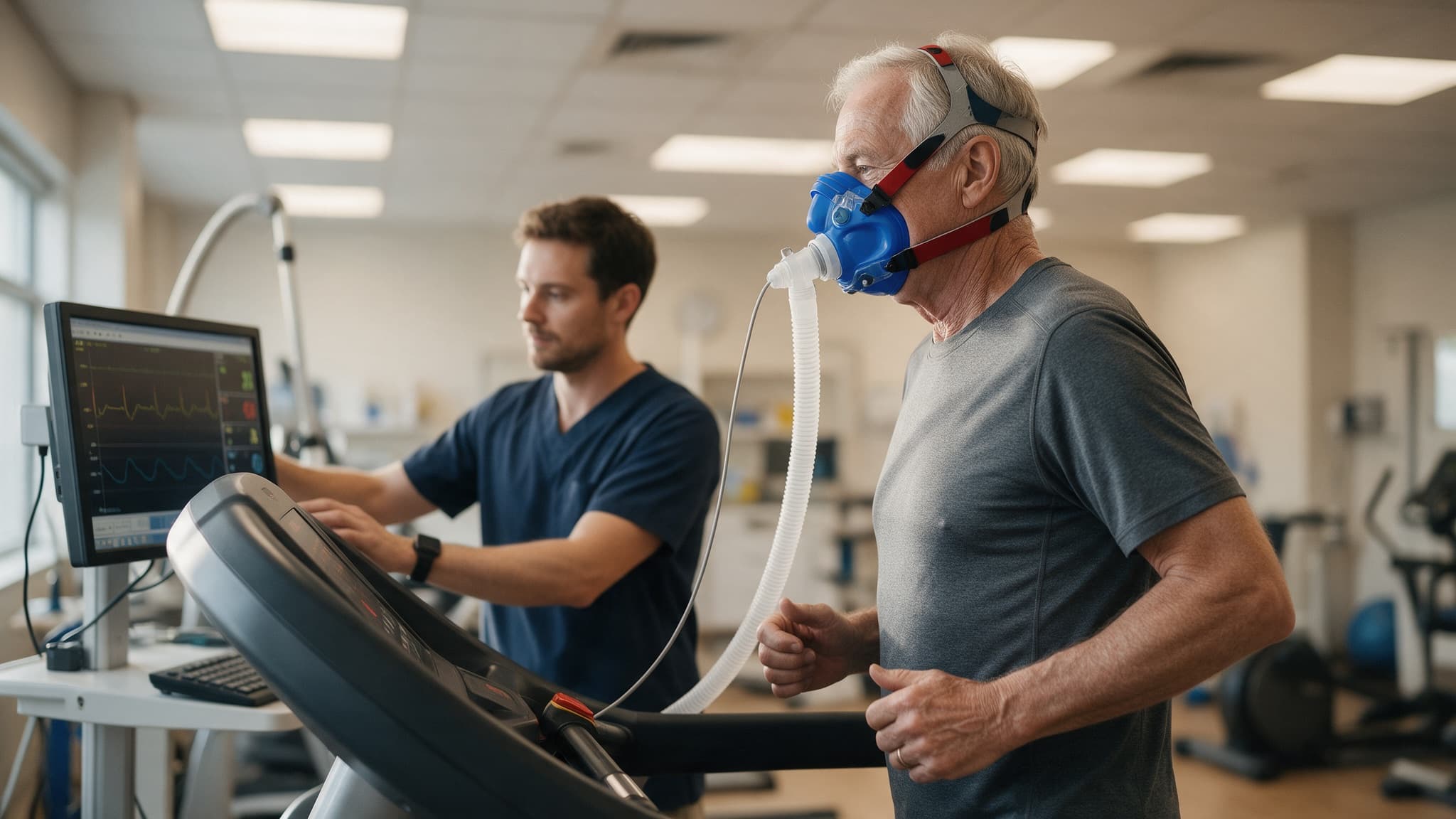
A top longevity clinic should give everyone a core blood panel including ApoB and lipoprotein(a), home blood pressure, a proper fitness test (CPET VO₂max), a DEXA body-composition and bone scan, a sleep and alcohol assessment, a review of their medicines, and every guideline screen and vaccine. It should offer a heart calcium score, a lung CT, drug-gene testing and an inherited-condition screen to the people who qualify. And it should refuse to sell whole-body scans, huge panels, epigenetic age and hormone 'optimisation' tests, because that refusal is part of being a top clinic.
A top longevity clinic should provide three tiers of tests and should refuse a fourth. Required for everyone: a core panel with ApoB, lipoprotein(a) once, HbA1c, fasting insulin, kidney and liver function, full blood count, ferritin, TSH, hs-CRP and vitamin D; home blood pressure; a cardiopulmonary exercise test for VO₂max; a DEXA scan; a sleep and alcohol assessment; a medication and supplement review; and coordination of every guideline screen and vaccine by age and risk. Indicated for some: a coronary calcium score at intermediate cardiovascular risk; low-dose chest CT for heavy smokers; pharmacogenomics for anyone on or likely to need the affected drugs; a monogenic screen for familial hypercholesterolaemia, BRCA and Lynch syndrome by family history; a home apnoea test; cognitive assessment when symptomatic. Optional with informed consent and honest labelling: a continuous glucose monitor for two weeks, and grip strength and gait speed as functional measures. Declined: whole-body MRI or CT in the asymptomatic, hundred-analyte panels, epigenetic clocks, microbiome sequencing, hormone 'optimisation' panels, telomere length and heavy-metal or 'toxin' panels without indication. A top clinic is defined as much by the fourth tier as by the first.
- Required tests are the ones with outcome or strong risk evidence for everyone; there are about a dozen and they are inexpensive.
- Indicated tests have strong evidence in defined groups and should be offered to exactly those groups.
- CPET VO₂max and DEXA are the two tests that most separate a top clinic from a blood-panel service.
- The declined tier is a test of the clinic: a top clinic refuses to sell what has no evidence.
- The medication review is a test in the sense that matters — it changes how the other results are read.
Graded by CureMed against human clinical evidence, and reviewed by CureMed Labs.
The tests a top clinic should provide, by tier
Ranked on: the strength of evidence that the test changes a decision or an outcome, and for whom. Required for everyone; indicated for defined groups; optional with honest labelling; declined because no evidence supports selling it.
| # | Option | Verdict | Grade |
|---|---|---|---|
| 1 | Required: core panel, blood pressure, CPET VO₂max, DEXA, sleep and alcohol assessment, medication review, guideline screening and vaccination | Everyone, every top clinic | GRADE AEstablished |
| 2 | Indicated: calcium score, low-dose lung CT, pharmacogenomics, monogenic screen, home apnoea test, cognitive assessment | Defined groups, offered to exactly those groups | GRADE AEstablished |
| 3 | Optional with honest labelling: two-week CGM, grip strength, gait speed, ambulatory blood pressure | Useful for some, labelled as such | GRADE BPromising |
| 4 | Declined: whole-body MRI or CT in the asymptomatic, hundred-analyte panels, epigenetic clocks, microbiome sequencing, hormone 'optimisation' panels, telomere length, unindicated toxin panels | A top clinic refuses to sell these | GRADE DInsufficient or unsafe |
- 01
Required: core panel, blood pressure, CPET VO₂max, DEXA, sleep and alcohol assessment, medication review, guideline screening and vaccination
GRADE AEstablishedEveryone, every top clinicCore panel: ApoB, Lp(a) once, HbA1c, fasting insulin, creatinine and eGFR, liver enzymes, full blood count, ferritin, TSH, hs-CRP, vitamin D. Home blood pressure. CPET on a metabolic cart. DEXA for body composition and bone. A structured sleep and alcohol history. A pharmacist's review of medicines and supplements. Coordination and confirmation of colorectal, breast, cervical and other guideline screens and of vaccines. About a dozen items, inexpensive, with the strongest evidence in preventive medicine.
- 02
Indicated: calcium score, low-dose lung CT, pharmacogenomics, monogenic screen, home apnoea test, cognitive assessment
GRADE AEstablishedDefined groups, offered to exactly those groupsCoronary calcium score at intermediate cardiovascular risk (reclassifies and changes the statin decision). Low-dose chest CT for heavy smokers by guideline criteria. Pharmacogenomics for anyone on or likely to need clopidogrel, statins, antidepressants, PPIs, codeine or specific others. A monogenic screen for familial hypercholesterolaemia, BRCA1/2 and Lynch syndrome by family history. A home sleep apnoea test when the history suggests it. Formal cognitive assessment when symptomatic or concerned.
- 03
Optional with honest labelling: two-week CGM, grip strength, gait speed, ambulatory blood pressure
GRADE BPromisingUseful for some, labelled as suchA continuous glucose monitor for two weeks can teach a non-diabetic about meal responses, labelled as educational rather than diagnostic. Grip strength and gait speed are cheap functional measures that predict outcomes in older adults. Ambulatory blood pressure when home readings are inconsistent. A top clinic offers these with their limits stated.
- 04
Declined: whole-body MRI or CT in the asymptomatic, hundred-analyte panels, epigenetic clocks, microbiome sequencing, hormone 'optimisation' panels, telomere length, unindicated toxin panels
GRADE DInsufficient or unsafeA top clinic refuses to sell theseNo evidence of benefit; documented harms from incidental findings and false positives; results that change no decision. A clinic that sells them has chosen revenue over evidence, and that choice reaches the rest of its judgement. The declined list is part of the definition of a top clinic.
The list, as a checklist to take to the clinic
Tests a top longevity clinic should provide
| Test | Tier | For whom | Retest |
|---|---|---|---|
| ApoB; Lp(a) once | Required | Everyone | ApoB 3 months after any change, then yearly |
| HbA1c, fasting insulin | Required | Everyone | 3–6 months |
| Kidney, liver, FBC, ferritin, TSH, hs-CRP, vitamin D | Required | Everyone | Yearly, or by finding |
| Home blood pressure | Required | Everyone | Continuous |
| CPET VO₂max | Required | Everyone able | Yearly |
| DEXA (body composition and bone) | Required | Everyone | 1–2 years on the same machine |
| Sleep and alcohol assessment | Required | Everyone | Each visit |
| Medication and supplement review | Required | Everyone | Each change |
| Guideline screens and vaccines coordinated | Required | By age and risk | On schedule |
| Coronary calcium score | Indicated | Intermediate cardiovascular risk | Once; repeat 5 years if zero |
| Low-dose chest CT | Indicated | Heavy smokers by guideline | Yearly |
| Pharmacogenomics | Indicated | On or likely to need affected drugs | Once |
| Monogenic screen (FH, BRCA, Lynch) | Indicated | By family history | Once |
| Home apnoea test | Indicated | Suggestive history | As needed |
| Two-week CGM; grip; gait | Optional | Interested; older adults | As useful |
| Whole-body MRI/CT, mega-panels, epigenetic age, microbiome, hormone 'optimisation', telomeres | Declined | No one asymptomatic | — |
Frequently asked questions
What tests should a top longevity clinic provide?
Required for everyone: a core panel with ApoB, lipoprotein(a), HbA1c, insulin, kidney and liver function, blood count, ferritin, TSH, hs-CRP and vitamin D; home blood pressure; CPET VO₂max; DEXA; a sleep and alcohol assessment; a medication review; and coordination of guideline screening and vaccines. Indicated for defined groups: calcium score, low-dose lung CT, pharmacogenomics, a monogenic screen, a home apnoea test and cognitive assessment. Declined: whole-body imaging, mega-panels, epigenetic clocks, microbiome and hormone 'optimisation' panels.
Which two tests most distinguish a top longevity clinic?
A cardiopulmonary exercise test for VO₂max on a metabolic cart, and a DEXA scan for body composition and bone. Both have strong outcome evidence, both change the exercise and treatment plan, and both require equipment and expertise a blood-panel service does not have. A clinic that estimates VO₂max from a wearable and body composition from a bioimpedance scale is not a top clinic.
Should a longevity clinic offer whole-body MRI?
A top clinic should decline to. Whole-body MRI in asymptomatic adults has no evidence of benefit and produces a critical or indeterminate finding in about a third of people, each starting a cascade of follow-up. Imaging with evidence is targeted: a calcium score at intermediate risk, a low-dose chest CT for heavy smokers, and guideline screening imaging such as mammography.
Is genetic testing part of what a top clinic should provide?
Two kinds, to the people who qualify: pharmacogenomics for anyone on or likely to need clopidogrel, statins, antidepressants, proton-pump inhibitors, codeine and specific others, because it changes the prescription; and a monogenic screen for familial hypercholesterolaemia, BRCA1/2 and Lynch syndrome by family history, with genetic counselling. Polygenic scores and APOE rarely change management and are not required.
Why is a medication review on a list of tests?
Because it changes how the other tests are read. Statins, metformin, thyroid replacement, proton-pump inhibitors, supplements such as biotin and high-dose vitamin D, and many others move the panel or interfere with assays, and the safety of anything the clinic prescribes depends on what is already taken. A pharmacist's review at baseline is the cheapest test on the list and the one most clinics omit.
How often should the tests be repeated?
ApoB three months after any lipid treatment change and then yearly; HbA1c every three to six months if being treated; the rest of the panel yearly or by finding; home blood pressure continuously; CPET yearly; DEXA every one to two years on the same machine; screening on the guideline schedule; a calcium score once, repeated after about five years if zero; pharmacogenomics and a monogenic screen once for life.
Keep reading
- What tests do top longevity clinics typically include?
What they actually include, ranked — for comparison.
- How to choose the best longevity center for testing?
Choosing the place that runs the list.
- What are the best longevity blood tests and biomarkers to monitor?
The panel in detail.
- Free stack check
The review that reads the rest.
More in Longevity clinics
- Best longevity coaching services for personalized anti-aging plans.
Structured coaching cut diabetes incidence by 58% in the DPP trial, beating metformin — but only with weekly contact and a credentialed coach.
- What are the best longevity clinics for anti-aging?
Academic and hospital-affiliated longevity clinics rank best for anti-aging, ahead of blood-panel subscriptions and pricier concierge scan memberships.
- How to choose the best longevity clinic for me?
Choosing a longevity clinic is a matching problem: what your GP covers, what you need, what you'll use and what you can pay decide it, not the clinic's menu.
- Which longevity clinic offers the most comprehensive health optimization?
Physician-led longevity programmes rank most comprehensive for health optimization, covering every outcome-evidence lever ahead of blood-panel subscriptions.
- What tests do top longevity clinics typically include?
Standard and advanced blood work like ApoB and Lp(a) rank first among longevity clinic tests and are available via primary care; whole-body MRI ranks last.
- Are longevity clinics worth the cost for lifespan extension?
A longevity clinic is worth its cost only for mortality-evidenced parts, like blood-pressure and ApoB control; concierge memberships mostly sell unproven scans.