What tests do top longevity clinics typically include?

See more of CureMed in your Google results.
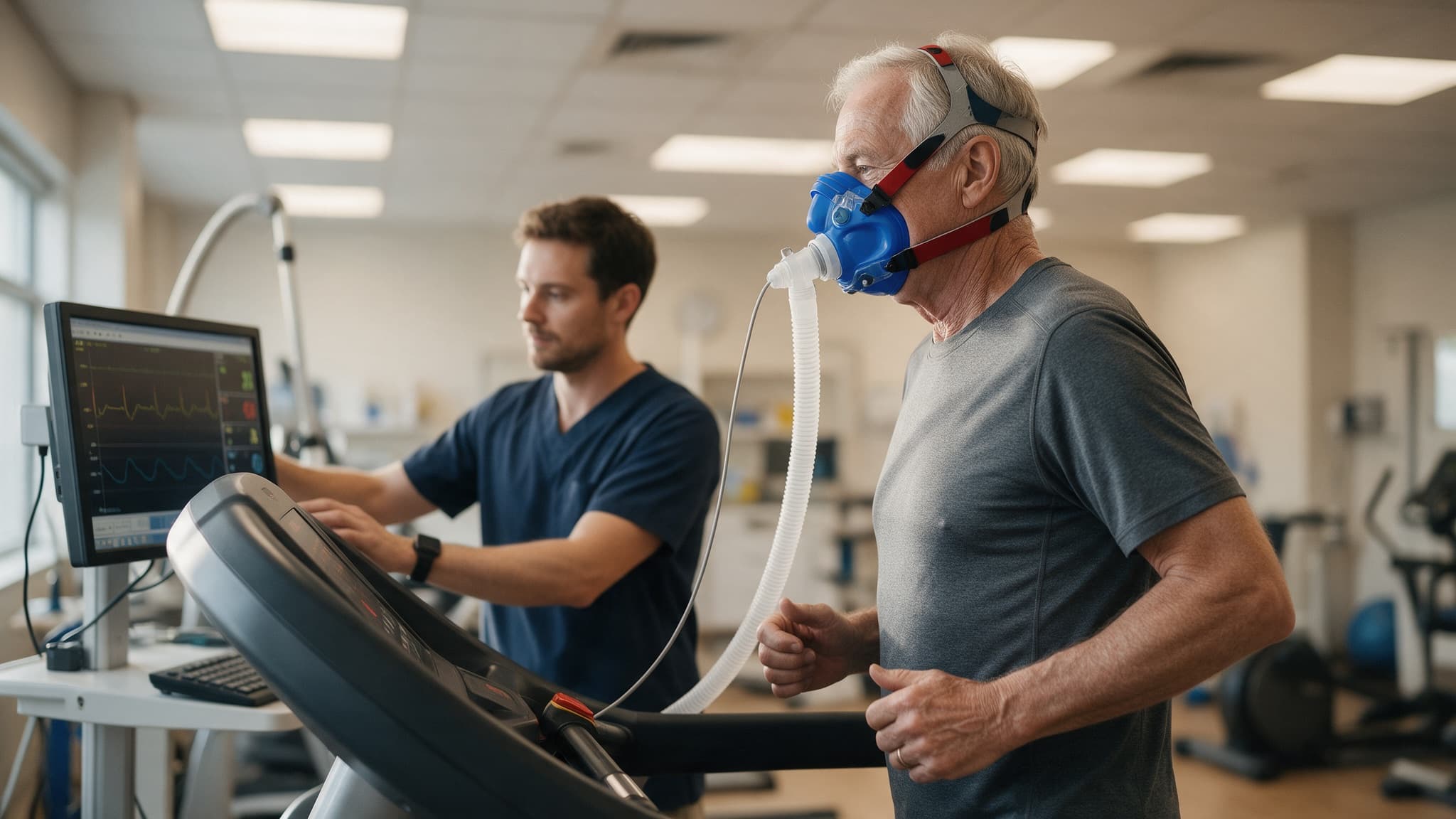
Top longevity clinics run six kinds of test: ordinary and advanced blood work, fitness and body-composition testing, heart scans, cancer screening, 'omics' like genetic and biological-age tests, and whole-body MRI. Ranked by evidence, the blood work and fitness testing come first and the whole-body MRI last. The tests that cost the most and make a clinic feel premium are the ones with the least proof. Most of what matters can be ordered by your own doctor.
Top longevity clinics include six layers of tests, and ranked on evidence the order is almost the reverse of how they are marketed: standard blood work (lipids, HbA1c, full blood count, metabolic panel, thyroid) and advanced markers (ApoB, lipoprotein(a), fasting insulin, hs-CRP) come first and are available through primary care; functional testing (VO₂max by CPET, DEXA, grip strength, gait speed) second, genuinely hard to get elsewhere and strongly predictive; cardiac imaging (coronary calcium scoring, and CT angiography where indicated) third, useful in the right population; guideline cancer screening coordinated on schedule fourth, with mortality evidence, often absent from premium menus; 'omics and novelty (epigenetic age, whole-genome sequencing, polygenic scores, microbiome, continuous glucose monitoring in non-diabetics, multi-cancer blood tests) fifth, with no outcome evidence and, for several, unregulated clinical validity; and whole-body MRI last, with a finding in a third of people and professional opposition. Blood-panel subscriptions include layers one and part of five; concierge memberships include all six; the evidence lives in the first four, and most of it is orderable by your own physician.
- The tests with evidence are the cheap ones every clinic includes and every GP can order; the tests that differentiate a premium clinic are the ones without.
- Functional testing — VO₂max, DEXA, grip — is the genuinely hard-to-get layer and the one most worth a clinic fee.
- Coronary calcium scoring is the cardiac test with a clear role; CT angiography in the asymptomatic is where imaging becomes harm.
- Guideline cancer screening is the layer with the strongest mortality evidence and the one most often missing from executive menus.
- Epigenetic age, genomics, microbiome, CGM in non-diabetics, multi-cancer blood tests and whole-body MRI are the price gap and the evidence gap.
This assessment is CureMed's, reviewed by the PharmD-led team at CureMed Labs.
The six layers of clinic testing, ranked on evidence
Ranked on: randomised or strong cohort evidence that acting on the test result improves an outcome in the population clinics test, weighted by how hard the test is to obtain outside a clinic and by the harms of the follow-up it triggers. Tests are grouped as clinics group them.
| # | Option | Verdict | Grade |
|---|---|---|---|
| 1 | Layer 1 — Blood work: standard panel plus ApoB, Lp(a), fasting insulin, hs-CRP | The evidence lives here; all of it orderable by a GP | GRADE AEstablished |
| 2 | Layer 2 — Functional testing: CPET VO₂max, DEXA, grip strength, gait speed | Strongly predictive; genuinely hard to get elsewhere | GRADE AEstablished |
| 3 | Layer 3 — Cardiac imaging: coronary artery calcium; CT angiography where indicated | Calcium scoring in the right population; angiography with symptoms | GRADE BPromising |
| 4 | Layer 4 — Guideline cancer screening, coordinated | The strongest mortality evidence; the layer most often missing | GRADE AEstablished |
| 5 | Layer 5 — 'Omics and novelty: epigenetic age, whole-genome sequencing, polygenic scores, microbiome, CGM in non-diabetics, multi-cancer blood tests | No outcome evidence; several unregulated for clinical validity | GRADE DInsufficient or unsafe |
| 6 | Layer 6 — Whole-body MRI | A finding in a third; no benefit shown; professional opposition | GRADE DInsufficient or unsafe |
| 7 | The missing layer — medication and supplement review | Not on any clinic list; changes more plans than any scan | GRADE AEstablished |
- 01
Layer 1 — Blood work: standard panel plus ApoB, Lp(a), fasting insulin, hs-CRP
GRADE AEstablishedThe evidence lives here; all of it orderable by a GPLipids with ApoB, lipoprotein(a) once, HbA1c with fasting glucose and insulin, full blood count and ferritin, kidney and liver function, TSH, vitamin D, hs-CRP repeated. Every marker feeds a treatment with outcome evidence or a decision with consequences. Clinics extend this to 100+ analytes — IGF-1, homocysteine, hormone panels — where the evidence thins rapidly. The core dozen is in every tier and in primary care.
- 02
Layer 2 — Functional testing: CPET VO₂max, DEXA, grip strength, gait speed
GRADE AEstablishedStrongly predictive; genuinely hard to get elsewhereCardiorespiratory fitness is among the strongest predictors of mortality; DEXA quantifies bone and muscle; grip strength and gait speed predict independence. Each responds to training within months. Concierge tiers include them; panel subscriptions do not; primary care rarely offers them. The layer most worth a clinic fee.
- 03
Layer 3 — Cardiac imaging: coronary artery calcium; CT angiography where indicated
GRADE BPromisingCalcium scoring in the right population; angiography with symptomsA calcium score reclassifies intermediate risk and guides statin decisions with a modest price and low radiation; CT coronary angiography visualises soft plaque and is indicated with symptoms or very high risk, not as a routine screen. Concierge tiers include both; Function Health sells a heart-and-lung CT add-on. Orderable by a physician; useful only when the population is right.
- 04
Layer 4 — Guideline cancer screening, coordinated
GRADE AEstablishedThe strongest mortality evidence; the layer most often missingColorectal, breast, cervical and — for smokers — lung screening on evidence-based intervals. The one layer with randomised mortality data, and the one documented as absent from expensive executive packages that included tests recommended against. A top clinic coordinates it; a scan-led clinic replaces it with an MRI that cannot see polyps.
- 05
Layer 5 — 'Omics and novelty: epigenetic age, whole-genome sequencing, polygenic scores, microbiome, CGM in non-diabetics, multi-cancer blood tests
GRADE DInsufficient or unsafeNo outcome evidence; several unregulated for clinical validityEpigenetic clocks vary with a meal and are laboratory-developed tests under CLIA with no clinical-validity requirement; sequencing a healthy adult yields variants of uncertain significance; microbiome tests have no validated action; CGM overstates 'spikes' in healthy people; multi-cancer blood tests missed their randomised trial. This layer is what makes a tier premium and what has the least to show for it.
- 06
Layer 6 — Whole-body MRI
GRADE DInsufficient or unsafeA finding in a third; no benefit shown; professional oppositionIncluded in concierge tiers and central to scan-led clinics; produces a critical or indeterminate finding in roughly a third of asymptomatic adults, most without a follow-up guideline, with no evidence of benefit and a documented cascade of harm. Opposed as a screen by the Canadian Association of Radiologists and unsupported by the American College of Radiology. The most expensive test on the list and the last on evidence.
- 07
The missing layer — medication and supplement review
GRADE AEstablishedNot on any clinic list; changes more plans than any scanA pharmacist's review of everything a person takes — for interactions, duplications and drugs that move the very markers the panel measures — is not on any tier's published test list and alters the interpretation of half of layer 1. Add it to any clinic's menu yourself.
What each clinic tier includes
Layers by clinic tier, and by primary care
| Layer | Blood-panel subscription ($199–$365) | Concierge membership ($7,500–$19,000) | Scan-led clinic (£299–$4,999) | Your own physician |
|---|---|---|---|---|
| 1. Blood work, standard + advanced | Yes — 100+ analytes | Yes | A few markers | Yes — ask for ApoB and Lp(a) by name |
| 2. Functional: VO₂max, DEXA, grip | No | Yes | No | Rarely; a sports-medicine lab can |
| 3. Cardiac imaging | Optional CT add-on | Yes, often both | No | Calcium score on request |
| 4. Guideline cancer screening | No | Sometimes; documented omissions | No — 'replaced' by MRI | Yes — the programme recalls you |
| 5. 'Omics and novelty | Some (epigenetic age) | Yes — extensively | Some | No — and rightly |
| 6. Whole-body MRI | Optional add-on | Yes | The product | No |
| Medication review | No | Rarely | No | Yes, via a pharmacist |
Frequently asked questions
What tests do top longevity clinics include?
Six layers: standard and advanced blood work (lipids with ApoB, Lp(a), HbA1c and insulin, hs-CRP, full blood count, metabolic and thyroid panels, often 100+ analytes); functional testing (VO₂max, DEXA, grip strength, gait speed); cardiac imaging (calcium scoring, CT angiography); guideline cancer screening; 'omics and novelty (epigenetic age, genome sequencing, polygenic scores, microbiome, CGM, multi-cancer blood tests); and whole-body MRI. On evidence, the first four layers matter and the last two are the price gap.
Which longevity clinic tests actually have evidence?
The blood markers that feed proven treatments — ApoB, Lp(a), blood pressure, HbA1c and insulin, kidney and liver function, ferritin, TSH; functional tests that predict outcomes and respond to training — VO₂max, DEXA, grip strength; coronary calcium scoring in intermediate-risk adults; and guideline cancer screening. Epigenetic clocks, whole-genome sequencing in the well, microbiome tests, CGM in non-diabetics, multi-cancer blood tests and whole-body MRI have no outcome evidence.
Which clinic tests are worth paying for that my doctor cannot order?
Functional testing — a measured VO₂max by cardiopulmonary exercise test, DEXA for body composition and bone, grip strength and gait speed — is the layer that is genuinely hard to obtain outside a clinic or sports-medicine laboratory, strongly predictive, and responsive to training. It is the best reason to pay a clinic fee; almost everything else on the list your physician can order.
Do longevity clinics include cancer screening?
Not reliably. Guideline colorectal, breast, cervical and lung screening has the strongest mortality evidence of any test on the menu, and studies of expensive executive packages found it omitted while tests recommended against were included; scan-led clinics 'replace' it with a whole-body MRI that cannot see colon polyps or screen breasts to standard. A top clinic coordinates it; ask whether yours does.
Are the 'omics' tests — epigenetic age, genome sequencing, microbiome — worth including?
No. Epigenetic clocks vary with a meal and are laboratory-developed tests with no clinical-validity requirement; whole-genome sequencing in a healthy adult yields mostly variants of uncertain significance; microbiome tests have no validated action; CGM overstates glucose spikes in healthy people; multi-cancer blood tests missed their randomised trial. They are what makes a tier premium and what has the least evidence.
Should a longevity clinic test include a whole-body MRI?
No. It produces a critical or indeterminate finding in roughly a third of asymptomatic adults, most without a follow-up guideline, has no evidence of benefit, is opposed as a screen by radiology bodies, and triggers a cascade with documented harm. It is the most expensive test on a clinic's list and the last on evidence; decline it or have the clinic price and manage the cascade in writing.
Keep reading
- Longevity health clinics
The six-layer stack, the evidence ledger and the clinic pricing tiers in full.
- Which blood tests are best for tracking longevity?
Layer 1 in detail, marker by marker.
- VO₂ max testing for longevity
Layer 2's most valuable test.
- Which early disease detection tests are worth paying for?
Layers 3 to 6 ranked on value.
More in Longevity clinics
- Best longevity coaching services for personalized anti-aging plans.
Structured coaching cut diabetes incidence by 58% in the DPP trial, beating metformin — but only with weekly contact and a credentialed coach.
- What are the best longevity clinics for anti-aging?
Academic and hospital-affiliated longevity clinics rank best for anti-aging, ahead of blood-panel subscriptions and pricier concierge scan memberships.
- How to choose the best longevity clinic for me?
Choosing a longevity clinic is a matching problem: what your GP covers, what you need, what you'll use and what you can pay decide it, not the clinic's menu.
- Which longevity clinic offers the most comprehensive health optimization?
Physician-led longevity programmes rank most comprehensive for health optimization, covering every outcome-evidence lever ahead of blood-panel subscriptions.
- Are longevity clinics worth the cost for lifespan extension?
A longevity clinic is worth its cost only for mortality-evidenced parts, like blood-pressure and ApoB control; concierge memberships mostly sell unproven scans.
- How to compare different longevity clinics and programs?
Physician contact time, how often and for how long, separates a good longevity clinic from an expensive one more than any of the other 8 comparison criteria.