Luxury longevity clinics with full wellness and diagnostics.

See more of CureMed in your Google results.
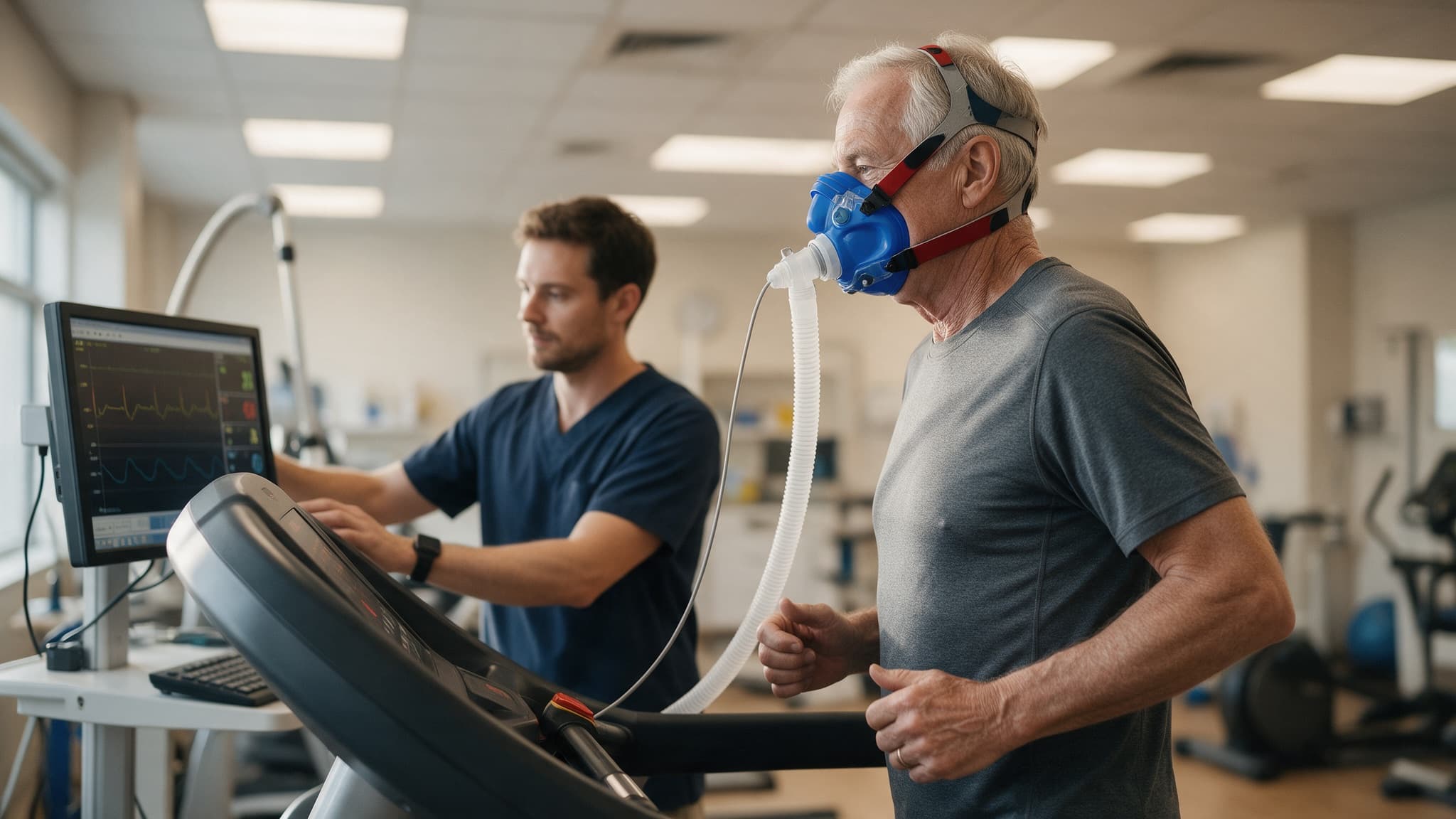
A luxury longevity clinic can genuinely sell more doctor time, instant access, someone coordinating everything, and comfort — but not better evidence, because the treatments that work cost the same everywhere. Concierge prevention clinics that spend the premium on physician hours, in-house fitness and body-composition testing and monthly follow-up rank first; hospital-attached medical retreats second if their menus are modern and care continues afterwards; destination diagnostic clinics selling expensive scans and beautiful reports third; wellness resorts with a medical wing fourth; luxury biohacking clinics with hyperbaric chambers and stem-cell drips last.
A luxury longevity clinic can legitimately sell four things — physician time, immediate access, coordination of everything and comfort — and it cannot sell a fifth, which is evidence, because the evidence-based programme costs the same wherever it is delivered. Ranked on whether the premium buys the four legitimate things or the substitutes: high-end concierge prevention clinics first, where the premium buys a physician with a small panel, same-day access, in-house CPET and DEXA, a pharmacist and a dietitian, coordinated screening and a plan revisited monthly — luxury spent on time and follow-through; luxury medical retreats attached to real hospitals second, where a week of comprehensive assessment by specialists in comfort is genuinely valuable provided the menu has been rebuilt on evidence and the follow-through continues after checkout; destination diagnostic clinics third, whose premium buys the most expensive imaging and panels on the market with a beautiful report and a referral letter; wellness resorts with a medical wing fourth, where the diagnostics are a preamble to spa, IV lounge and 'regenerative' suite; and the luxury 'biohacking' clinics last, where the price buys hyperbaric chambers, stem-cell infusions and peptide cycles with no evidence and real risk. A high price should buy more physician hours per year than any other clinic offers; if it buys more scans instead, the luxury is in the lobby.
- Luxury can buy time, access, coordination and comfort; it cannot buy better evidence, because the evidence is the same at every price.
- The best luxury clinics spend the premium on physician hours and follow-through; the worst spend it on imaging and infusions.
- A hospital-attached retreat is valuable if the menu has been modernised and the care continues after checkout.
- A beautiful report with a referral letter is a diagnostic product, not a programme, at any price.
- The pharmacist's luxury test: does the premium include someone who reads the medicine list, or only someone who pours the drip.
Graded by CureMed against human clinical evidence, and reviewed by CureMed Labs.
Luxury longevity clinics, ranked on what the premium buys
Ranked on: whether the premium buys physician time, access, coordination and comfort — the things luxury can legitimately deliver — or imaging, panels and infusions without evidence; and whether the programme continues after the visit.
| # | Option | Verdict | Grade |
|---|---|---|---|
| 1 | High-end concierge prevention clinic | The premium buys time and follow-through | GRADE AEstablished |
| 2 | Luxury medical retreat attached to a hospital | Valuable if the menu is modern and care continues | GRADE BPromising |
| 3 | Destination diagnostic clinic | The most expensive imaging with the best-designed report | GRADE CEarly |
| 4 | Wellness resort with a medical wing | Diagnostics as a preamble to the spa | GRADE CEarly |
| 5 | Luxury biohacking clinic | The price buys risk | GRADE DInsufficient or unsafe |
- 01
High-end concierge prevention clinic
GRADE AEstablishedThe premium buys time and follow-throughA physician with a small panel and same-day access; in-house CPET, DEXA and an accredited laboratory; a pharmacist, dietitian and exercise physiologist; coordinated screening; a plan revisited monthly or quarterly. Declines whole-body imaging and infusions. Expensive, and every dollar is spent on something that improves care.
- 02
Luxury medical retreat attached to a hospital
GRADE BPromisingValuable if the menu is modern and care continuesA week of assessment by specialists in comfort, with imaging and cardiology on site. Worth the price when the menu has been rebuilt on evidence — CPET, DEXA, ApoB, guideline screening, no grade-D items — and when the retreat hands over to continuing care. Worth much less when the week ends with a bound report and a flight home.
- 03
Destination diagnostic clinic
GRADE CEarlyThe most expensive imaging with the best-designed reportWhole-body MRI and CT, coronary CT angiography in the asymptomatic, hundred-analyte panels, epigenetic age, a physician debrief and a referral letter. The premium buys the tests with the least evidence and the highest incidental-finding rate, and the programme afterwards is someone else's job.
- 04
Wellness resort with a medical wing
GRADE CEarlyDiagnostics as a preamble to the spaA panel and a scan, then a week of spa, nutrition classes, IV vitamins and 'regenerative' options. Restorative and low-harm; the medical content is thin and the follow-up is absent. A good holiday billed as a longevity programme.
- 05
Luxury biohacking clinic
GRADE DInsufficient or unsafeThe price buys riskHyperbaric oxygen, stem-cell and exosome infusions, NAD⁺ drips, peptide cycles, plasma exchange, at the highest prices in the sector. Nothing with outcome evidence, several with documented harms, and no one reviewing what the patient already takes. The luxury is the invoice.
What a high price should buy, and what it often buys instead
The legitimate luxury purchases versus the substitutes
| What luxury can buy | Why it improves care | What luxury clinics sell instead | Why it does not |
|---|---|---|---|
| A physician with a small panel | More time per patient; a plan revisited often | Whole-body MRI | No benefit evidence; ~1 in 3 incidental findings |
| Same-day access | Problems handled early | Hundred-analyte panel | False positives; no decision changed |
| In-house CPET and DEXA on the same machine | The functional markers, tracked reliably | Epigenetic age | Changes nothing |
| A pharmacist and a dietitian on the team | Medicines reviewed; diet coached | IV vitamin lounge | No evidence; infusion risk |
| Coordination of every screen and referral | Nothing falls through | 'Regenerative' suite | No evidence; real harm |
| Comfort and privacy | People come back | Hyperbaric, plasma exchange | No evidence for longevity |
Frequently asked questions
Which luxury longevity clinics offer full wellness and diagnostics worth the price?
Ranked on what the premium buys: high-end concierge prevention clinics that spend it on physician time, in-house CPET and DEXA, a pharmacist and dietitian, coordinated screening and frequent follow-up first; hospital-attached medical retreats second if their menus are modern and care continues after the visit; destination diagnostic clinics third; wellness resorts with a medical wing fourth; luxury biohacking clinics last.
What can a luxury longevity clinic legitimately charge a premium for?
Physician time (a small panel, long appointments, frequent review), immediate access, in-house functional testing tracked on the same equipment, a full team including a pharmacist and dietitian, coordination of every screen and referral, and comfort. It cannot charge for better evidence, because the interventions with evidence cost the same at every clinic.
Are luxury medical retreats worth it?
A hospital-attached retreat can be: a week of assessment by specialists with imaging and cardiology on site is genuinely comprehensive, provided the menu has been rebuilt on evidence (CPET, DEXA, ApoB, guideline screening, no whole-body scan) and the retreat hands over to continuing care. A retreat that ends with a bound report and no follow-up is an expensive test day with good food.
Is a whole-body scan at a luxury clinic safer or better?
No. The scanner and the radiologist may be excellent, and the result is the same: no evidence of benefit in asymptomatic adults and a critical or indeterminate finding in about a third, each starting a cascade of follow-up. A luxury setting changes the waiting room, not the statistics.
What should I avoid at a luxury longevity clinic?
The substitutes for care: whole-body imaging, hundred-analyte panels, epigenetic age, IV vitamin lounges, stem-cell and exosome infusions, hyperbaric oxygen and plasma exchange for longevity, and peptide cycles. None has outcome evidence, several carry real risk, and they are where most of the premium goes at the lower-ranked clinics.
How do I tell a good luxury clinic from an expensive one?
Ask how many physician hours per year the fee buys, who else is on the team (a pharmacist and a dietitian are the tell), whether CPET and DEXA are done in-house, how often the plan is revisited, and what fraction of the fee is imaging and infusions. A good luxury clinic answers with hours and a team; an expensive one answers with a scanner.
Keep reading
- Are longevity clinics worth the cost for lifespan extension?
The value question at every price.
- Best longevity centers for executive health and performance?
The executive-physical audit that luxury clinics should have read.
- Longevity health clinics
The evidence ledger.
- Free stack check
The review the premium should include.
More in Longevity clinics
- Best longevity coaching services for personalized anti-aging plans.
Structured coaching cut diabetes incidence by 58% in the DPP trial, beating metformin — but only with weekly contact and a credentialed coach.
- What are the best longevity clinics for anti-aging?
Academic and hospital-affiliated longevity clinics rank best for anti-aging, ahead of blood-panel subscriptions and pricier concierge scan memberships.
- How to choose the best longevity clinic for me?
Choosing a longevity clinic is a matching problem: what your GP covers, what you need, what you'll use and what you can pay decide it, not the clinic's menu.
- Which longevity clinic offers the most comprehensive health optimization?
Physician-led longevity programmes rank most comprehensive for health optimization, covering every outcome-evidence lever ahead of blood-panel subscriptions.
- What tests do top longevity clinics typically include?
Standard and advanced blood work like ApoB and Lp(a) rank first among longevity clinic tests and are available via primary care; whole-body MRI ranks last.
- Are longevity clinics worth the cost for lifespan extension?
A longevity clinic is worth its cost only for mortality-evidenced parts, like blood-pressure and ApoB control; concierge memberships mostly sell unproven scans.