Which longevity clinics specialize in personalized lifespan extension plans?

See more of CureMed in your Google results.
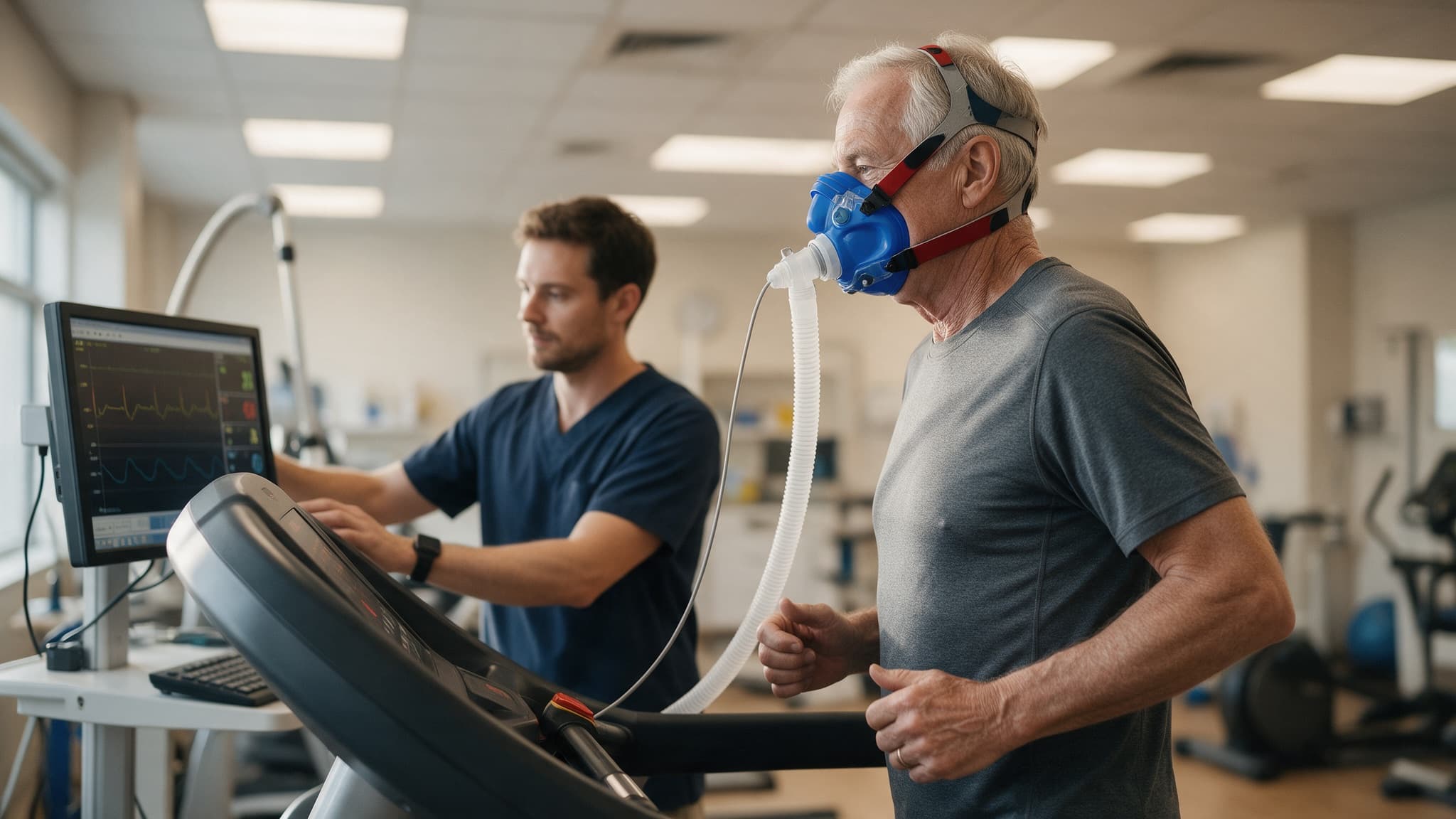
Clinics that genuinely specialise in extending lifespan build plans from what has evidence of reducing death — controlling blood pressure, cholesterol particles and blood sugar, raising fitness, screening, vaccinating, not smoking, and in older adults protecting muscle and reviewing medicines — sized to your own measured risk. Preventive-cardiology-led clinics rank first, academic longevity centres second, integrated prevention clinics third, 'lifespan protocol' clinics selling rapamycin and NAD⁺ fourth, and biohacking clinics last. A good plan can add years for someone at high risk; the protocol menus have not added any in humans.
The clinics that genuinely specialise in personalised lifespan extension are the ones whose plans are built from the interventions with mortality evidence, sized to the individual's risk — and they rarely use the phrase. Ranked on that: preventive-cardiology-led longevity clinics first, because cardiovascular disease is the largest modifiable cause of death and a plan that takes ApoB, blood pressure and fitness to individualised targets adds more expected years than any other single approach; academic healthy-longevity centres second, adding the functional and geriatric levers — muscle, falls, cognition, deprescribing — that decide healthspan at older ages; integrated prevention clinics third, delivering both with quarterly iteration and less specialist depth; 'lifespan' protocol clinics fourth, whose plans are rapamycin, metformin, NAD⁺ precursors and a supplement list — personalised in name, uniform in practice, and resting on animal data; and biohacking clinics last, where the plan is a stack of unproven compounds and devices with the risk-factor control left undone. The honest arithmetic: a plan can add several years of expected life for a high-risk 50-year-old by controlling risk factors and fitness, and the same plan adds less for someone already at low risk; nothing on the protocol-clinic menu has shown it adds any in humans.
- Lifespan extension with evidence is risk-factor control, fitness, screening, vaccination and not smoking, individualised by measured risk.
- Preventive cardiology captures the largest share of modifiable mortality; a clinic led by it captures the largest share of expected years.
- Geriatric levers — muscle, falls, cognition, deprescribing — decide whether the added years are good ones.
- Rapamycin, metformin and NAD⁺ precursors are the 'lifespan' clinics' plan; none has human lifespan evidence.
- The plan that adds the most years to a person with the most risk is the least glamorous one on the market.
This assessment is CureMed's, reviewed by the PharmD-led team at CureMed Labs.
Clinic types ranked on personalised lifespan-extension plans
Ranked on: whether the plan is built from interventions with human mortality evidence; whether it is sized to the individual's measured risk; whether it addresses the geriatric levers that decide healthspan; and how much of it rests on animal data.
| # | Option | Verdict | Grade |
|---|---|---|---|
| 1 | Preventive-cardiology-led longevity clinic | The largest share of modifiable mortality, individualised | GRADE AEstablished |
| 2 | Academic healthy-longevity centre | Adds the levers that make the years good | GRADE AEstablished |
| 3 | Integrated prevention clinic | Both, iterated quarterly, less specialist depth | GRADE BPromising |
| 4 | 'Lifespan' protocol clinic | Rapamycin, metformin, NAD⁺ — uniform, animal-based | GRADE CEarly |
| 5 | Biohacking clinic | Stacks and devices; the evidence-based plan left undone | GRADE DInsufficient or unsafe |
- 01
Preventive-cardiology-led longevity clinic
GRADE AEstablishedThe largest share of modifiable mortality, individualisedApoB and blood pressure to targets set by individual risk (calcium score, Lp(a), family history), glucose and weight managed, fitness prescribed and measured, smoking addressed, screening coordinated. Cardiovascular disease is the largest modifiable cause of death, and a plan that removes most of that risk adds more expected years than any other intervention in medicine. Personalised by the risk calculation, not the brochure.
- 02
Academic healthy-longevity centre
GRADE AEstablishedAdds the levers that make the years goodThe same risk-factor control plus the geriatric programme: sarcopenia and falls prevention, cognition, hearing, vaccination, deprescribing. At older ages these decide healthspan more than any drug. Plans are graded by evidence and adjusted to function; rapamycin is offered only inside a trial.
- 03
Integrated prevention clinic
GRADE BPromisingBoth, iterated quarterly, less specialist depthA physician treating to target with exercise physiology, dietetics and a pharmacist, seen quarterly. Personalised by measurement and adjusted as numbers move. An A when preventive cardiology and geriatric expertise are in-house; a B when they are referred out.
- 04
'Lifespan' protocol clinic
GRADE CEarlyRapamycin, metformin, NAD⁺ — uniform, animal-basedThe plan is a protocol: low-dose rapamycin, metformin for non-diabetics, NAD⁺ precursors, a supplement list, sometimes acarbose or SGLT2 inhibitors off-label. The same for nearly everyone, so not personalised; and no component has human lifespan evidence, so not lifespan extension in any demonstrated sense. Risk-factor control is often assumed done elsewhere.
- 05
Biohacking clinic
GRADE DInsufficient or unsafeStacks and devices; the evidence-based plan left undonePeptides, NAD⁺ infusions, hyperbaric oxygen, red light, cold plunges, a wearable dashboard and a supplement stack. Nothing with mortality evidence; interactions unreviewed; blood pressure and ApoB unmanaged. Lifespan extension as a lifestyle brand.
What a lifespan-extension plan can honestly add
Interventions with human mortality evidence, and what they are worth
| Intervention | Evidence | Who gains most | Grade |
|---|---|---|---|
| Blood pressure to target | Outcome trials; large absolute gains in hypertensives | Anyone hypertensive | A |
| ApoB lowering to a risk-based target | Outcome trials; gains scale with baseline risk and duration | High Lp(a), family history, high calcium score | A |
| Smoking cessation | Years of life regained even after 60 | Smokers | A |
| Aerobic fitness and strength | Strongest cohort association with mortality; trials on function | The unfit, most of all | A |
| Weight and glucose management, GLP-1 agonists where indicated | Outcome trials in obesity and diabetes | Obese and diabetic patients | A |
| Guideline screening and vaccination | Mortality evidence per screen; shingles vaccine and dementia signal | By age and risk | A |
| Deprescribing in older adults | Reduced falls, hospitalisation and harm | Anyone on many medicines | A |
| Muscle, falls and cognition programme | Function and independence; healthspan | Over 65 | A |
| Metformin in non-diabetics | TAME trial pending; observational data confounded | — | C |
| Low-dose rapamycin | Animal lifespan data; human trials on immune and functional endpoints only | — | C |
| NAD⁺ precursors, resveratrol, senolytics | No human outcome evidence | — | D |
Frequently asked questions
Which longevity clinics specialise in personalised lifespan extension plans?
Judged by mortality evidence: preventive-cardiology-led longevity clinics first, whose plans take ApoB, blood pressure, glucose and fitness to individualised targets and capture the largest share of modifiable mortality; academic healthy-longevity centres second, adding muscle, falls, cognition and deprescribing; integrated prevention clinics third; 'lifespan' protocol clinics selling rapamycin, metformin and NAD⁺ fourth; biohacking clinics last.
What actually extends lifespan in humans?
Blood pressure and ApoB to target, smoking cessation, aerobic fitness and strength, weight and glucose management with GLP-1 agonists where indicated, guideline screening and vaccination, and in older adults deprescribing and a muscle-and-falls programme. Each has human outcome evidence and adds expected years in proportion to the person's risk. Rapamycin, metformin in non-diabetics and NAD⁺ precursors have not shown lifespan extension in humans.
How many years can a lifespan-extension plan add?
It depends on baseline risk. For a high-risk 50-year-old — hypertensive, high ApoB, unfit, perhaps a smoker — controlling those factors can add several years of expected life, because the risk being removed is large. For someone already at low risk the same plan adds less, which is the honest answer a good clinic gives. No protocol-clinic component has added a demonstrable year in humans.
Is rapamycin part of a lifespan-extension plan?
Not outside a trial. Rapamycin extends lifespan in mice; in humans the trials so far measure immune and functional endpoints, not lifespan, and the drug has real side effects including mouth ulcers, lipid changes and infection risk. A clinic that prescribes it as a lifespan plan is extrapolating from animals; the academic centres offer it inside trials, which is where it belongs.
Why does preventive cardiology rank first for lifespan extension?
Because cardiovascular disease is the largest modifiable cause of death, and the levers that reduce it — ApoB, blood pressure, glucose, fitness, smoking — have the strongest outcome trials in medicine. A clinic that sizes those to an individual's risk using a calcium score, lipoprotein(a) and family history is doing personalised lifespan extension with the evidence behind it.
What is the pharmacist's role in a lifespan-extension plan?
Two things: making sure the drugs with mortality evidence — statin, antihypertensive, GLP-1 agonist where indicated — are taken correctly and consistently, and deprescribing the ones an older patient no longer needs, because polypharmacy causes falls, hospitalisation and death. For many people over 65 the intervention that extends life most is stopping a medicine rather than starting one.
Keep reading
- Longevity health clinics
The evidence ledger and the clinic models.
- What longevity center offers personalized longevity medicine programs?
The two-patient test for personalisation.
- Longevity protocols
Rapamycin, metformin and the rest, graded.
- Free stack check
The deprescribing review.
More in Longevity clinics
- Best longevity coaching services for personalized anti-aging plans.
Structured coaching cut diabetes incidence by 58% in the DPP trial, beating metformin — but only with weekly contact and a credentialed coach.
- What are the best longevity clinics for anti-aging?
Academic and hospital-affiliated longevity clinics rank best for anti-aging, ahead of blood-panel subscriptions and pricier concierge scan memberships.
- How to choose the best longevity clinic for me?
Choosing a longevity clinic is a matching problem: what your GP covers, what you need, what you'll use and what you can pay decide it, not the clinic's menu.
- Which longevity clinic offers the most comprehensive health optimization?
Physician-led longevity programmes rank most comprehensive for health optimization, covering every outcome-evidence lever ahead of blood-panel subscriptions.
- What tests do top longevity clinics typically include?
Standard and advanced blood work like ApoB and Lp(a) rank first among longevity clinic tests and are available via primary care; whole-body MRI ranks last.
- Are longevity clinics worth the cost for lifespan extension?
A longevity clinic is worth its cost only for mortality-evidenced parts, like blood-pressure and ApoB control; concierge memberships mostly sell unproven scans.