Longevity clinics focused on preventative medicine and healthspan optimization.

See more of CureMed in your Google results.
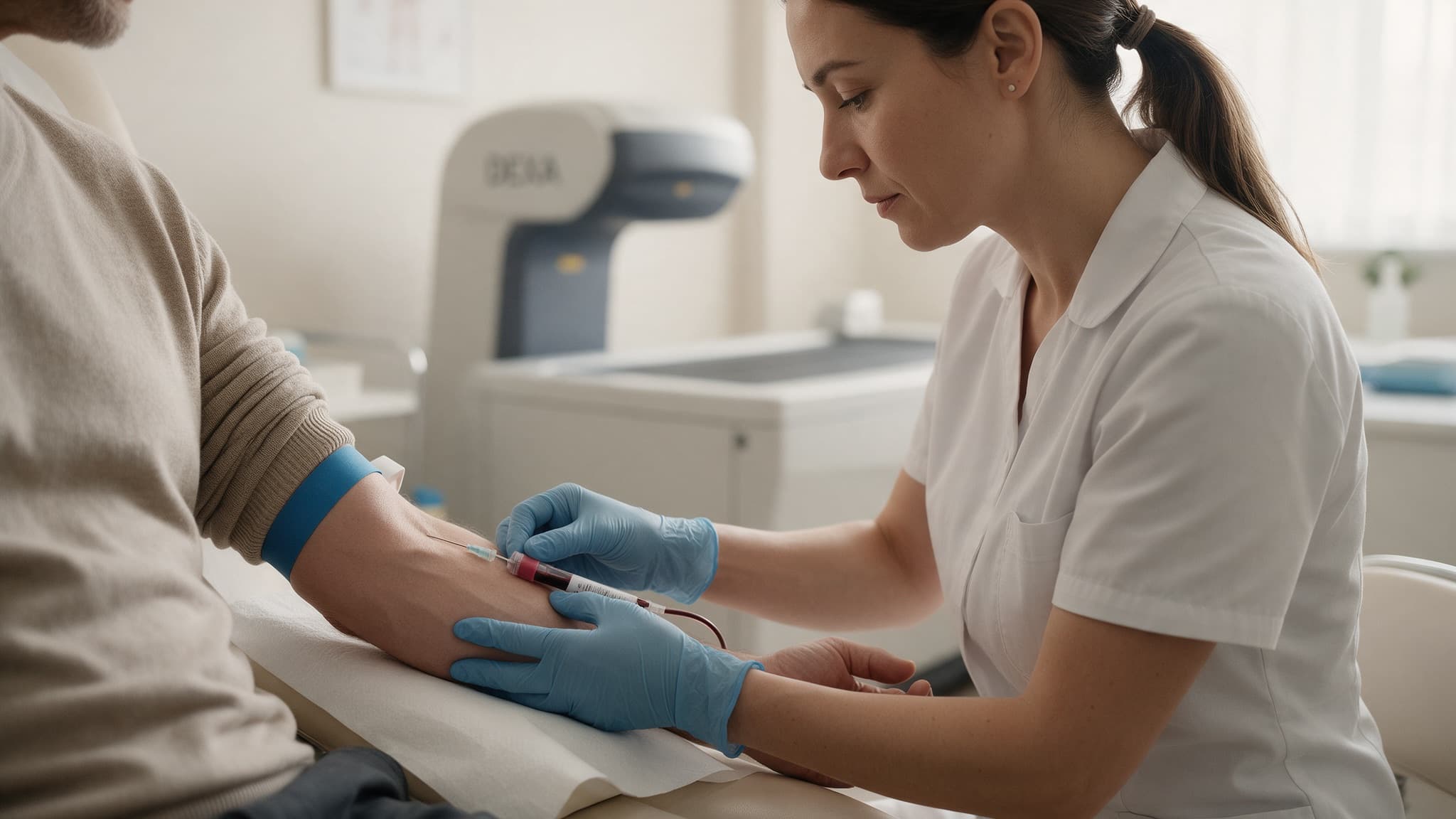
Healthspan means years lived without disability, so a clinic focused on it must both prevent disease — blood pressure, cholesterol particles, blood sugar, screening, vaccines — and preserve function — muscle, balance, fitness, memory, hearing, mood — by measuring them and prescribing what moves them: strength and balance training, protein, hearing aids, vaccines, falls prevention, and stopping medicines that cause harm. Geriatric-informed prevention clinics and academic longevity centres do that; lifestyle-medicine clinics cover the behaviour well with less measurement; general prevention clinics manage risk factors and leave function to a gym recommendation; 'healthspan' brand clinics sell epigenetic age and peptides that change no function at all.
Healthspan is the number of years lived without disability, and a clinic focused on it must do two things: prevent the diseases that shorten life and preserve the functions — muscle, balance, fitness, cognition, hearing, mood — whose loss ends independence long before death. Ranked on doing both: geriatric-informed prevention clinics first, which combine risk-factor control with functional measurement (VO₂max, grip strength, gait speed, DEXA, cognition, hearing) and the interventions that move those measures — resistance and balance training, protein, vaccination, hearing aids, deprescribing, falls prevention; academic healthy-longevity centres second, built on exactly that functional assessment with evidence grading; lifestyle-medicine clinics third, strong on the behavioural levers that drive healthspan and lighter on measurement; general prevention clinics fourth, doing risk-factor control well and treating function as a gym recommendation; and 'healthspan' brand clinics last, which use the word and sell epigenetic age, NAD⁺ and peptides that move no measure of function. The interventions that lengthen healthspan are the least glamorous in longevity medicine — squats, protein, hearing aids, a shingles vaccine, stopping a benzodiazepine — and the clinics that rank highest are the ones that prescribe them.
- Healthspan is measured in function — fitness, strength, balance, cognition, hearing, mood — and a clinic that does not measure function cannot optimise it.
- Prevention lengthens life; function preservation makes the added years independent ones. A healthspan clinic does both.
- Resistance and balance training, protein, hearing correction, vaccination and deprescribing have the best healthspan evidence and the worst marketing.
- Epigenetic age, NAD⁺ and peptides move no measure of function.
- Polypharmacy is the most common reversible cause of lost function in older adults; a healthspan clinic reviews it first.
CureMed ranks on published human evidence, and screens drug interactions first.
Preventative and healthspan clinics, ranked
Ranked on: whether the clinic delivers risk-factor prevention and measures function (VO₂max, strength, balance, gait, cognition, hearing, mood), and whether it prescribes the interventions with evidence for moving those measures.
| # | Option | Verdict | Grade |
|---|---|---|---|
| 1 | Geriatric-informed prevention clinic | Prevention plus function, measured and moved | GRADE AEstablished |
| 2 | Academic healthy-longevity centre | Built on the functional assessment | GRADE AEstablished |
| 3 | Lifestyle-medicine clinic | The behavioural levers, with lighter measurement | GRADE BPromising |
| 4 | General prevention clinic | Risk factors managed; function a recommendation | GRADE BPromising |
| 5 | 'Healthspan' brand clinic | The word, and products that move no function | GRADE DInsufficient or unsafe |
- 01
Geriatric-informed prevention clinic
GRADE AEstablishedPrevention plus function, measured and movedRisk-factor control to target, guideline screening and vaccination, plus a functional assessment — CPET, grip strength, gait speed, balance, DEXA, cognitive screen, hearing, mood — and the interventions that move it: supervised resistance and balance training, protein to target, hearing correction, falls prevention, deprescribing. The clinic that treats the 60-year-old to prevent the 80-year-old's disability.
- 02
Academic healthy-longevity centre
GRADE AEstablishedBuilt on the functional assessmentThe multidisciplinary model exists to detect early functional decline and intervene with evidence-graded measures. Geriatrics, physiotherapy, audiology and pharmacy in one team. The reference model; access is the constraint.
- 03
Lifestyle-medicine clinic
GRADE BPromisingThe behavioural levers, with lighter measurementPhysical activity, diet, sleep, stress, connection and substance avoidance delivered through coaching and groups, with a physician managing risk factors. Strong on the levers that drive healthspan; usually without CPET, DEXA, gait or hearing measurement, so function is improved without being tracked. A B that becomes an A with a functional assessment added.
- 04
General prevention clinic
GRADE BPromisingRisk factors managed; function a recommendationBlood pressure, ApoB, glucose, screening and vaccination done well; fitness and strength recommended rather than prescribed and measured; hearing, balance and deprescribing rarely addressed. Lengthens life; leaves healthspan to chance.
- 05
'Healthspan' brand clinic
GRADE DInsufficient or unsafeThe word, and products that move no functionEpigenetic age, NAD⁺ infusions, peptides, rapamycin, a supplement stack and a dashboard, marketed as healthspan optimisation. None moves VO₂max, strength, balance, cognition or hearing; the interventions that do are absent. Healthspan as a brand.
The healthspan measures, and what moves them
Function measures and the interventions with evidence
| Measure | Why it matters | What moves it | Grade |
|---|---|---|---|
| VO₂max (CPET) | Strongest predictor of mortality and independence | Aerobic training, progressive | A |
| Grip strength; chair-rise; lean mass (DEXA) | Sarcopenia predicts disability and death | Resistance training; protein 1.2–1.6 g/kg; creatine | A |
| Gait speed; balance | Falls are the leading cause of injury death over 65 | Balance training (tai chi, targeted programmes); falls assessment; vision | A |
| Bone density (DEXA) | Hip fracture ends independence for many | Resistance training; vitamin D and calcium where low; bone treatment where indicated | A |
| Hearing | Untreated loss accelerates cognitive decline and isolation | Hearing aids; the ACHIEVE trial signal | A |
| Cognition | The disability people fear most | Vascular risk control; activity; hearing; social engagement; assessment when symptomatic | A |
| Mood and loneliness | Predict mortality and function | Screening; treatment; social prescribing | A |
| Medicine count and falls-risk drugs | Polypharmacy causes falls, confusion and admission | Deprescribing review | A |
| Vaccination status | Shingles, pneumonia and influenza end healthspans; shingles vaccine and dementia signal | Vaccinate on schedule | A |
| Epigenetic age; NAD⁺ level; telomere length | Move no measure of function | — | D |
Frequently asked questions
Which longevity clinics focus on preventative medicine and healthspan optimisation?
Ranked on delivering prevention and measuring and moving function: geriatric-informed prevention clinics first; academic healthy-longevity centres second; lifestyle-medicine clinics third, strong on behaviour with lighter measurement; general prevention clinics fourth, managing risk factors and leaving function to a recommendation; 'healthspan' brand clinics selling epigenetic age, NAD⁺ and peptides last.
What is the difference between lifespan and healthspan?
Lifespan is years lived; healthspan is years lived without disability. Preventive medicine — blood pressure, ApoB, glucose, screening, vaccination, not smoking — lengthens lifespan. Healthspan depends additionally on function: fitness, strength, balance, bone, hearing, cognition and mood, whose loss ends independence long before death. A healthspan clinic measures those and prescribes what preserves them.
What interventions have the best evidence for extending healthspan?
Progressive aerobic and resistance training, protein to about 1.2–1.6 g/kg/day with creatine in older adults, balance training and falls prevention, bone protection, hearing correction (with a trial signal for slowing cognitive decline), vascular risk control for cognition, treatment of depression and loneliness, vaccination including shingles, and deprescribing of falls-risk and anticholinergic drugs. Unglamorous, inexpensive and effective.
How should a healthspan clinic measure function?
CPET for VO₂max; grip strength and a chair-rise test; gait speed and a balance assessment; DEXA for lean mass and bone; a cognitive screen; a hearing test; a mood and loneliness screen; and a medication review counting falls-risk drugs. Each is cheap, each predicts disability, and each has an intervention that moves it. A clinic that measures epigenetic age instead has measured nothing about function.
Do NAD⁺, rapamycin or peptides improve healthspan?
None has shown improvement in any human measure of function — VO₂max, strength, balance, cognition or hearing. Rapamycin has animal data and human trials on immune endpoints; NAD⁺ precursors raise blood NAD⁺ and nothing functional; peptides have no human evidence. A clinic that sells them as healthspan optimisation is using the word for a product.
What is the fastest healthspan intervention for an older adult?
A deprescribing review. Benzodiazepines, sedating antihistamines, anticholinergics, opioids and over-treated blood pressure cause falls, confusion and fatigue in older adults, and stopping or reducing them can restore function within weeks. It is the most common reversible cause of lost function a pharmacist sees, and the intervention most healthspan clinics omit.
Keep reading
- Best longevity clinics for personalized preventative health programs
The prevention half in detail.
- What longevity routines extend healthspan and energy?
The routines that move the function measures.
- Longevity health clinics
The evidence ledger and the clinic models.
- Free stack check
The deprescribing review.
More in Longevity clinics
- Best longevity coaching services for personalized anti-aging plans.
Structured coaching cut diabetes incidence by 58% in the DPP trial, beating metformin — but only with weekly contact and a credentialed coach.
- What are the best longevity clinics for anti-aging?
Academic and hospital-affiliated longevity clinics rank best for anti-aging, ahead of blood-panel subscriptions and pricier concierge scan memberships.
- How to choose the best longevity clinic for me?
Choosing a longevity clinic is a matching problem: what your GP covers, what you need, what you'll use and what you can pay decide it, not the clinic's menu.
- Which longevity clinic offers the most comprehensive health optimization?
Physician-led longevity programmes rank most comprehensive for health optimization, covering every outcome-evidence lever ahead of blood-panel subscriptions.
- What tests do top longevity clinics typically include?
Standard and advanced blood work like ApoB and Lp(a) rank first among longevity clinic tests and are available via primary care; whole-body MRI ranks last.
- Are longevity clinics worth the cost for lifespan extension?
A longevity clinic is worth its cost only for mortality-evidenced parts, like blood-pressure and ApoB control; concierge memberships mostly sell unproven scans.