Best AI-powered health coaching program for lifestyle improvement.

See more of CureMed in your Google results.
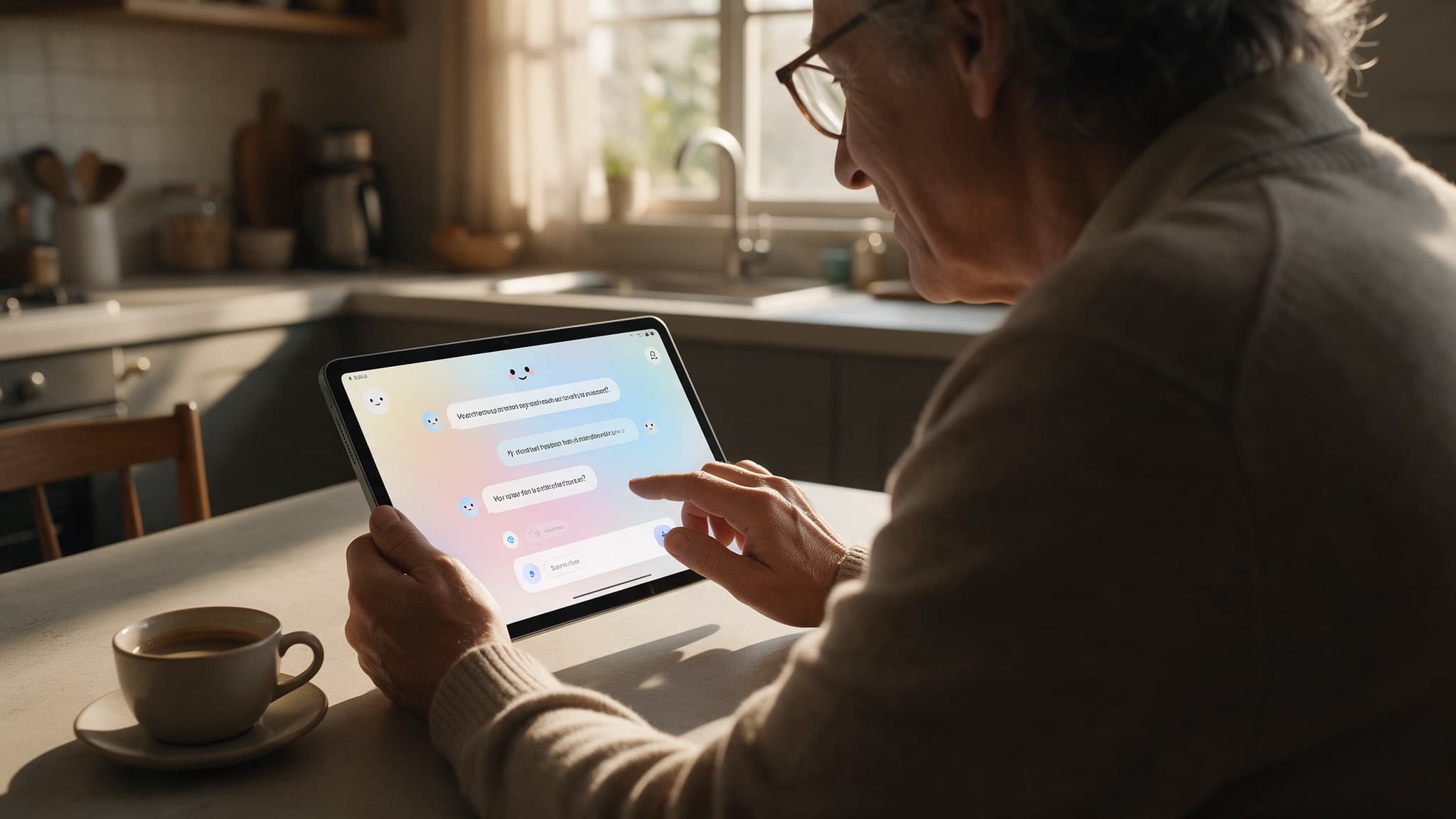
The AI coaching programmes that actually change habits for good combine a proven curriculum, a human coach for accountability and AI that personalises when and how the programme is delivered. Diabetes-prevention and weight programmes with coaches like Omada, Noom and WW rank first with year-long trial results; smoking-cessation programmes with quitline coaching and medication second; digital CBT for insomnia and mood third; wearable nudges from Fitbit, Garmin, Oura and Whoop fourth, useful but fading; and fully automated chatbot coaches last, with engagement but no lasting change.
Health coaching is judged by one thing — behaviour that changed and stayed changed months later — and the AI coaching programmes with evidence for it share a structure: a curriculum with trial evidence, a human coach for accountability, and AI that personalises timing, content and nudges. Ranked on that: diabetes-prevention and weight programmes with human coaches first — Omada, Noom, WW and CDC-recognised digital DPPs — because randomised and large pragmatic trials show weight loss and reduced diabetes progression sustained at a year; smoking-cessation programmes second, pairing an app with quitline coaching and pharmacotherapy, with the best-evidenced behaviour change in medicine and years of life attached; digital CBT programmes for insomnia and mood third, which are structured, evidence-based and often fully digital, with AI adapting the modules; wearable-driven coaching fourth — Fitbit, Garmin, Oura, Whoop nudges — which raises steps and sleep awareness modestly and fades when the novelty does; and fully automated chatbot coaches last, which produce engagement for weeks and no evidence of behaviour change at months. The AI's honest contribution is personalising the delivery of a programme that works; it has not yet shown it can replace the coach.
- Lasting behaviour change has a known recipe: an evidence-based curriculum, a human for accountability, and personalised delivery.
- Diabetes-prevention and weight programmes with coaches have year-long outcome data; chatbot coaches have engagement data.
- Smoking cessation is the highest-value coaching there is, and the app is the least important part of it.
- Digital CBT for insomnia is the one fully digital programme with strong evidence.
- The pharmacist's addition: cessation pharmacotherapy doubles quit rates and no coaching app prescribes it.
Graded by CureMed against human clinical evidence, and reviewed by CureMed Labs.
AI coaching programmes ranked on lasting behaviour change
Ranked on: randomised or large pragmatic evidence for behaviour change or outcomes sustained at six to twelve months; presence of a human accountability component; and what the AI demonstrably adds.
| # | Option | Verdict | Grade |
|---|---|---|---|
| 1 | Diabetes-prevention and weight programmes with human coaches | Weight loss and diabetes prevention sustained at a year | GRADE AEstablished |
| 2 | Smoking-cessation programmes with coaching and pharmacotherapy | The highest-value behaviour change; the app is the smallest part | GRADE AEstablished |
| 3 | Digital CBT for insomnia and mood | Structured, evidence-based, often fully digital | GRADE AEstablished |
| 4 | Wearable-driven coaching | Modest gains; fades with novelty | GRADE CEarly |
| 5 | Fully automated chatbot coach | Engagement for weeks; no change at months | GRADE DInsufficient or unsafe |
- 01
Diabetes-prevention and weight programmes with human coaches
GRADE AEstablishedWeight loss and diabetes prevention sustained at a yearOmada, Noom, WW and CDC-recognised digital Diabetes Prevention Programmes: a structured curriculum, a coach, a group, and AI that personalises content, timing and nudges. Randomised and large pragmatic trials show clinically meaningful weight loss and reduced progression to diabetes at twelve months. The coach is the mechanism; the AI is the scale.
- 02
Smoking-cessation programmes with coaching and pharmacotherapy
GRADE AEstablishedThe highest-value behaviour change; the app is the smallest partApp-based programmes linked to quitline coaching and to nicotine replacement, varenicline or bupropion. Combined behavioural support and medication roughly doubles or triples quit rates; the app adds reminders, craving tools and tracking. Years of life per successful quit, even after 60.
- 03
Digital CBT for insomnia and mood
GRADE AEstablishedStructured, evidence-based, often fully digitalDigital cognitive behavioural therapy for insomnia (the guideline first-line treatment) and for mild-to-moderate depression and anxiety, with randomised evidence comparable to face-to-face delivery for insomnia. AI adapts module order and pacing. One of the few fully digital programmes with strong evidence; human support improves completion.
- 04
Wearable-driven coaching
GRADE CEarlyModest gains; fades with noveltyFitbit, Garmin, Oura and Whoop nudges — move more, sleep earlier, rest today — personalised in timing from your data. Trials show modest step-count and sleep-awareness gains that decline over months without a structured programme behind them. Useful feedback; not a coaching programme.
- 05
Fully automated chatbot coach
GRADE DInsufficient or unsafeEngagement for weeks; no change at monthsConversational coaches delivering encouragement, tips and check-ins with no human and no validated curriculum. Engagement metrics are high early and behaviour-change evidence at six months is absent. Pleasant to use; not yet a coach.
What makes coaching work, and what the AI adds
Ingredients of effective coaching and the AI's role in each
| Ingredient | Evidence | What the AI adds | What it cannot replace |
|---|---|---|---|
| An evidence-based curriculum (DPP, CBT-I, cessation protocol) | The active ingredient in every positive trial | Sequencing and pacing to the person | The curriculum itself |
| Human accountability (coach, group) | Adherence and outcomes higher with a human | Scheduling, prompting, flagging disengagement | The human |
| Self-monitoring (food, steps, sleep, cravings) | Best-evidenced behaviour in weight management | Easier logging; pattern feedback | The act of logging |
| Goal-setting and feedback | Core behaviour-change techniques | Timely, personalised feedback | Meaningful goals |
| Pharmacotherapy where it exists (cessation, obesity) | Doubles quit rates; GLP-1 agonists for obesity | Reminders and adherence | The prescription — a clinician or pharmacist |
| Duration ≥ 6 months with maintenance | Change that lasts needs maintenance | Sustaining contact cheaply | Continued human check-ins |
Frequently asked questions
What is the best AI-powered health coaching programme for lifestyle improvement?
Ranked on trial evidence for lasting change: diabetes-prevention and weight programmes with human coaches (Omada, Noom, WW, digital DPPs) first; smoking-cessation programmes with quitline coaching and pharmacotherapy second; digital CBT for insomnia and mood third; wearable-driven coaching from Fitbit, Garmin, Oura and Whoop fourth; fully automated chatbot coaches last.
Do AI health coaching apps actually change behaviour?
The ones built on an evidence-based curriculum with a human coach do, with weight loss and diabetes prevention sustained at a year in trials. Wearable nudges produce modest, fading gains. Fully automated chatbot coaches show engagement for weeks and no behaviour-change evidence at six months. The AI personalises delivery of a programme that works; it has not replaced the coach.
What is a digital Diabetes Prevention Programme?
A structured year-long curriculum on diet, activity and weight, delivered through an app with a coach and usually a group, recognised by the CDC in the US and equivalents elsewhere. Trials show clinically meaningful weight loss and reduced progression from prediabetes to diabetes. AI personalises content and nudges; the coach and curriculum are the mechanism.
Is a smoking-cessation app enough to quit?
An app alone helps a little. An app plus behavioural support (quitline or coach) plus pharmacotherapy — nicotine replacement, varenicline or bupropion — roughly doubles or triples the chance of quitting, and each successful quit adds years of life even after 60. The medication comes from a pharmacist or prescriber; the app supplies the reminders and craving tools.
Does digital CBT for insomnia work?
Yes. Digital cognitive behavioural therapy for insomnia has randomised evidence comparable to face-to-face delivery and is the guideline first-line treatment for chronic insomnia, ahead of sleep medication. It is one of the few fully digital programmes with strong evidence; human support improves completion.
Are wearable coaching features worth using?
As feedback, yes: step and sleep nudges personalised to your data raise activity and awareness modestly. As a coaching programme, no: the effect fades over months without a structured curriculum and a human behind it. Use the wearable inside a programme rather than instead of one.
Keep reading
- Best AI health assistant for personalized diet and exercise.
The plan a coach should be delivering.
- Best longevity coaching services for personalized anti-aging plans
Human longevity coaching, ranked.
- What longevity routines extend healthspan and energy?
The habits worth coaching.
- Free stack check
Cessation and adherence support from a pharmacist.
More in AI health tools
- What is the best AI tool for health tracking?
FDA-cleared cardiac algorithms on major smartwatches — irregular-rhythm notification and single-lead ECG — rank first, validated; chatbots rank last.
- Which AI health app helps monitor chronic conditions?
Diabetes and hypertension apps that connect glucose or blood-pressure readings to a clinician who titrates treatment have the best evidence among these apps.
- How to choose the best AI health assistant?
Choosing an AI health assistant starts with defining its job — information, triage, tracking or coaching — since none are licensed for actual medical advice.
- Which AI health platform offers personalized wellness recommendations?
Clinician-reviewed biomarker platforms that set a measured target, like ApoB, rank as the most genuinely personalized wellness AI, ahead of wearables.
- What AI health solution supports early disease detection?
AI-supported mammography has the strongest evidence of any AI in medicine, a 105,934-woman trial, ranking above colonoscopy AI and unproven consumer detection.
- Best AI health assistant for personalized diet and exercise.
AI programmes with human coaching, like Noom and Omada, rank first for weight-loss and diabetes-prevention trial evidence; chatbot meal plans rank last.