Best acne treatment, ranked by evidence.
Most acne treatments that actually work in trials come down to two ingredients: benzoyl peroxide and adapalene. This guide ranks the popular options by what has been tested in people, and gives a simple way to combine them without irritating your skin.
Two over-the-counter ingredients have decades of randomised trial evidence for acne: benzoyl peroxide, which kills the bacteria implicated in acne and does not cause resistance the way antibiotics do, and adapalene, an OTC retinoid that normalises the shedding of skin cells that clogs pores. Salicylic acid and azelaic acid have smaller but real trial evidence as a second tier — salicylic acid for blackheads and mild acne, azelaic acid for inflammatory acne and the dark marks it leaves behind. Hydrocolloid patches have modest mechanical evidence: they do not treat the underlying acne, but they protect an active spot from picking and absorb fluid from popped ones. The routine that follows from this is two active ingredients, not a ten-step shelf.
- Benzoyl peroxide is bactericidal against the bacteria implicated in acne and, unlike antibiotics, does not cause resistance — decades of randomised trials support it as a first-line treatment, alone or combined with a retinoid.
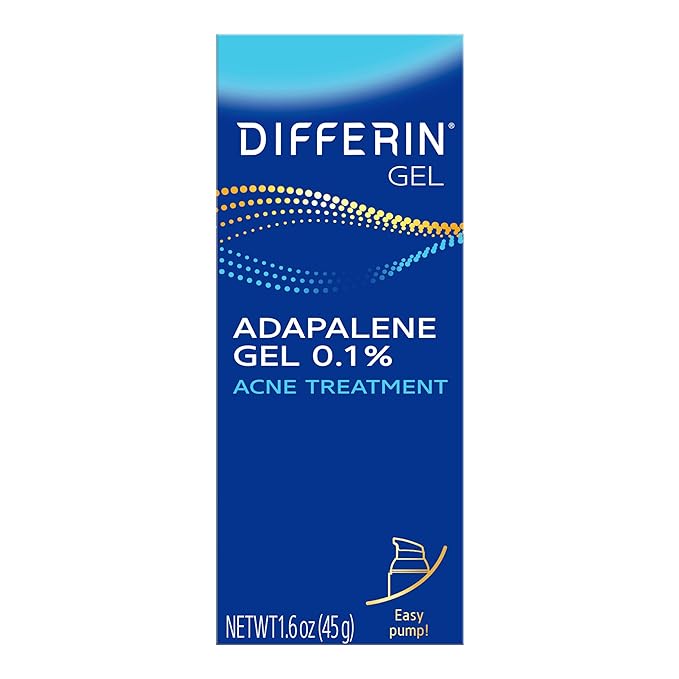
- Adapalene (0.1%, available over the counter) is a retinoid that normalises pore shedding, with randomised trials showing it reduces both inflammatory and non-inflammatory lesions over 12 weeks.
- Salicylic acid and azelaic acid are a real second tier: salicylic acid for blackheads and mild acne via smaller trials, azelaic acid for inflammatory acne and post-acne dark marks, with a gentler profile and safety data in pregnancy that most actives lack.
- Hydrocolloid patches have modest, mechanical evidence — they protect a spot and absorb fluid, which measurably speeds visible healing of an already-popped or picked lesion, but they do not treat the acne itself.
- Benzoyl peroxide and adapalene together can over-dry and irritate skin; most dermatology guidance has people build up slowly and alternate rather than layer both at full strength immediately.

Benzoyl peroxide (5–10%)
Bactericidal, no resistance, decades of trials
See the full rankingThe ranking
Ranked on: the strength of controlled human trial evidence for reducing acne lesions, at concentrations available over the counter. No commercial relationship influences the order.
| # | Option | Verdict | Grade |
|---|---|---|---|
| 1 | Benzoyl peroxide (5–10%) | Bactericidal, no resistance, decades of trials | GRADE AEstablished |
| 2 | Adapalene (0.1%, OTC retinoid) | The OTC retinoid with real acne-specific trials | GRADE AEstablished |
| 3 | Salicylic acid (BHA, 0.5–2%) | Real but smaller evidence; best for blackheads | GRADE BPromising |
| 4 | Azelaic acid (10–20%) | Treats acne and the dark marks it leaves behind | GRADE BPromising |
| 5 | Hydrocolloid acne patches | Doesn't treat acne; genuinely helps healing | GRADE CEarly |
| 6 | Toothpaste, essential oils and DIY spot treatments | No trial evidence; real irritation and burn risk | GRADE DInsufficient or unsafe |
| 7 | Pore vacuums and home extraction tools | No controlled trial evidence | GRADE DInsufficient or unsafe |
- 01
Benzoyl peroxide (5–10%)
GRADE AEstablishedBactericidal, no resistance, decades of trialsBenzoyl peroxide kills Cutibacterium acnes on contact through oxidation rather than a biological mechanism bacteria can evolve around, which is why — unlike antibiotics — it has not lost effectiveness over decades of use. Randomised trials consistently show meaningful reductions in inflammatory lesions, and it is standard first-line therapy in dermatology guidelines, alone or combined with a topical retinoid. The main downside is bleaching of fabric and, initially, dryness — start at 5% before moving to 10% if tolerated.
- 02
Adapalene (0.1%, OTC retinoid)
GRADE AEstablishedThe OTC retinoid with real acne-specific trialsAdapalene normalises the skin-cell shedding that clogs pores in the first place, addressing acne's formation rather than just the bacteria. Randomised trials show reductions in both inflammatory (red, swollen) and non-inflammatory (blackhead, whitehead) lesions over 12 weeks, and it was the first retinoid to move from prescription-only to over-the-counter in the US on the strength of that evidence. Start a few nights a week; expect an initial purge and dryness before improvement.
- 03
Salicylic acid (BHA, 0.5–2%)
GRADE BPromisingReal but smaller evidence; best for blackheadsA beta-hydroxy acid that is oil-soluble, so it penetrates into the pore itself rather than just the skin's surface — trials show it reduces blackheads and mild inflammatory lesions, though the evidence base is smaller and less consistent than for benzoyl peroxide or adapalene. It is a reasonable addition for oily, blackhead-prone skin, and a gentler starting point than the two above for people who find them irritating.
- 04
Azelaic acid (10–20%)
GRADE BPromisingTreats acne and the dark marks it leaves behindRandomised trials show azelaic acid reduces inflammatory acne lesions with an efficacy broadly comparable to lower-strength benzoyl peroxide or topical antibiotics, and it independently improves the post-inflammatory hyperpigmentation acne leaves behind on darker skin tones — a real advantage the ingredients above don't share. It is gentler than salicylic acid or benzoyl peroxide and is one of the few actives with safety data in pregnancy, which makes it a common pharmacist recommendation when the usual first-line options are off the table.
- 05
Hydrocolloid acne patches
GRADE CEarlyDoesn't treat acne; genuinely helps healingHydrocolloid dressings were developed for wound care, and the same mechanism applies to a popped or picked spot: they absorb fluid, keep the area moist and protected, and create a physical barrier against further picking, which measurably speeds visible healing of that specific lesion. They do nothing for the acne-forming process itself and should not be mistaken for treatment — think of them as damage control for a lesion you've already disturbed, not a substitute for benzoyl peroxide or adapalene.
- 06
Toothpaste, essential oils and DIY spot treatments
GRADE DInsufficient or unsafeNo trial evidence; real irritation and burn riskToothpaste contains ingredients (menthol, fluoride, abrasives) formulated for teeth, not skin, and case reports document chemical burns from leaving it on overnight. Undiluted tea tree and other essential oils have weak, inconsistent trial evidence at best and a well-documented allergic-contact-dermatitis rate. None of these has evidence approaching the ingredients above, and several carry a real risk of making acne — and the skin around it — worse.
- 07
Pore vacuums and home extraction tools
GRADE DInsufficient or unsafeNo controlled trial evidenceMarketed on suction and satisfying video content rather than trial data — there is no controlled evidence these devices reduce acne, and dermatologists commonly see bruising, broken capillaries and post-inflammatory marks from home use, particularly on inflamed lesions that should not be manipulated at all. Professional extraction by a trained provider on comedones is a different, more controlled procedure than a handheld consumer device.


The routine that follows from the evidence
A simple two-active routine, built up slowly
| When | Step | Detail |
|---|---|---|
| Morning | Cleanse | Gentle, non-foaming — or a benzoyl peroxide wash if using it in the morning. |
| Morning | Non-comedogenic moisturiser | Supports the barrier while actives are working; look for 'non-comedogenic' on the label. |
| Morning | Broad-spectrum SPF 30+ | Non-negotiable — both benzoyl peroxide and adapalene can increase sun sensitivity. |
| Evening | Cleanse | Same gentle cleanser. |
| Evening | Adapalene | Start 2–3 nights a week, pea-sized amount, thin layer. Moisturise over it if dry. |
| Alternate evenings | Benzoyl peroxide | On nights off adapalene, or in the morning instead — layering both at full strength daily is the most common cause of people quitting from irritation. |
| As needed | Hydrocolloid patch | On an already-popped or picked spot, to protect it while it heals. |
What a pharmacist would add
- Benzoyl peroxide and adapalene used at full strength together, daily, from day one is the most common cause of irritation severe enough that people abandon both — alternate nights or one AM/one PM instead.
- Pregnancy and breastfeeding: avoid adapalene and other retinoids, and oral acne antibiotics. Azelaic acid and topical benzoyl peroxide are generally considered acceptable — confirm with your own clinician.
- Oral antibiotics (doxycycline, minocycline) and isotretinoin are real, more potent options for moderate-to-severe or scarring acne, but both require a prescriber — isotretinoin specifically needs monitoring this guide cannot replace.
- Benzoyl peroxide bleaches fabric, including towels and pillowcases — use white or old linens, or apply and let it dry fully before contact.
- If acne is leaving scars, or nothing over the counter is working after 8–12 consistent weeks, that is the point to see a dermatologist rather than adding more products.
Frequently asked questions
What is the best over-the-counter treatment for acne?
Benzoyl peroxide and adapalene (an OTC retinoid) have the strongest and most consistent randomised trial evidence, either alone or combined. Salicylic acid and azelaic acid are a reasonable second tier with smaller but real evidence, particularly for blackheads and post-acne dark marks respectively.
Benzoyl peroxide or adapalene — which is better?
They work through different mechanisms — benzoyl peroxide kills acne-causing bacteria, adapalene normalises pore shedding — and trials support both. Many dermatology guidelines recommend combining them (alternating nights, to limit irritation) rather than choosing one over the other.
Can I use benzoyl peroxide and a retinoid at the same time?
You can, but using both at full strength daily from the start is the most common cause of irritation severe enough that people quit. Most guidance has people alternate nights, or use one in the morning and the other at night, then increase frequency as tolerated.
Do hydrocolloid acne patches actually work?
They don't treat the underlying acne, but they have genuine mechanical evidence: absorbing fluid and protecting an already-popped or picked spot measurably speeds visible healing of that lesion. Think of them as damage control, not a substitute for benzoyl peroxide or adapalene.
Is azelaic acid good for acne scarring or dark spots?
Azelaic acid has real randomised trial evidence for reducing both active inflammatory acne and the post-inflammatory hyperpigmentation it leaves behind, particularly on darker skin tones. It's gentler than salicylic acid or benzoyl peroxide, which makes it a common choice for sensitive or acne-prone-with-pigmentation skin.
When should I see a dermatologist instead of treating acne myself?
If acne is leaving scars, is cystic or severe, or hasn't meaningfully improved after 8–12 consistent weeks of an OTC routine, that's the point to see a dermatologist — prescription options like oral antibiotics, hormonal therapy or isotretinoin have their own strong evidence base for cases OTC treatment doesn't reach.
Keep reading
- Best longevity skincare routine to slow visible aging
Azelaic acid and retinoids also show up here — for pigmentation and wrinkles, not acne.
- Ask a skincare consultant
Get your current routine and medications checked, free.
- Free stack check
Screen topicals and any oral acne medication against what else you take.
More in Skincare
- Best longevity skincare routine to slow visible aging.
Only daily sunscreen and topical retinoids have randomised trials showing they slow visible skin ageing; vitamin C and peptides are a smaller second tier.