Epitalon: evidence, dosing, safety & interactions
Ala-Glu-Asp-Gly (AEDG), a synthetic tetrapeptide
Also sold or labeled as: Epithalon, Epithalone, AEDG peptide, ET50
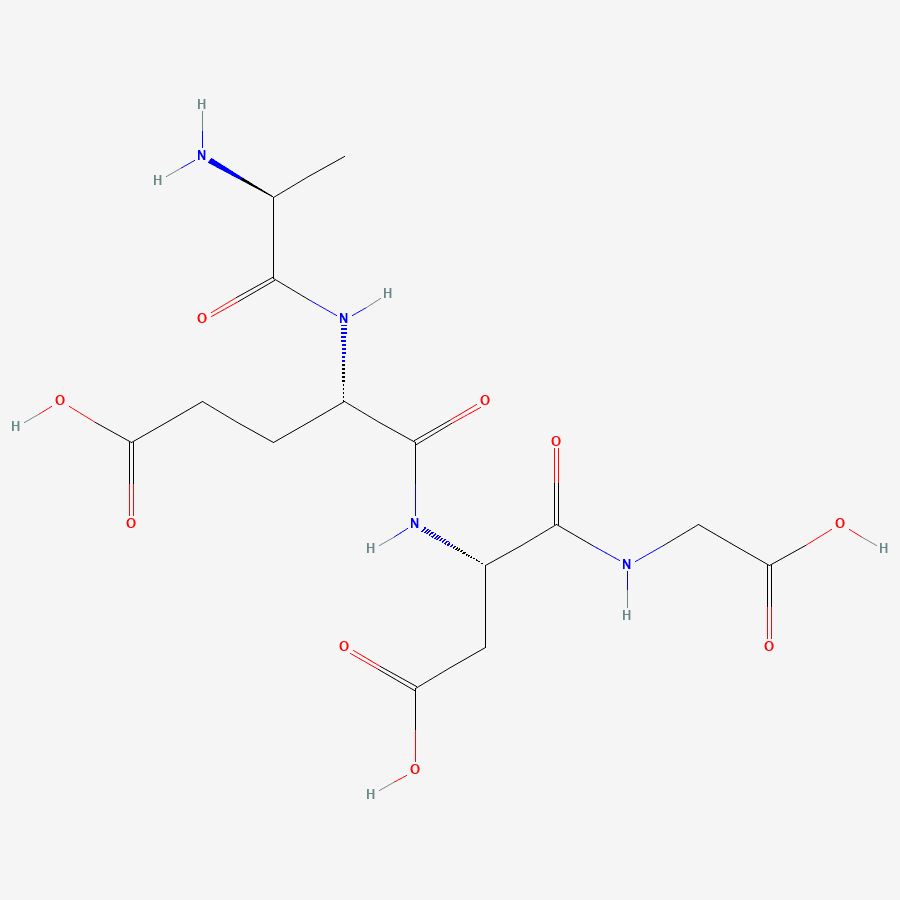
This is a lab-made copy of a substance from a gland in your brain, sold online as an anti-aging shot. It's mostly been studied by one research group, isn't approved anywhere, and there's no solid proof it slows aging in people.
- What it is
- A synthetic tetrapeptide (Ala-Glu-Asp-Gly) modeled on Epithalamin, a natural pineal peptide complex studied since the 1980s by a Russian/Ukrainian gerontology research group — not approved for human use anywhere.
- Evidence
- Telomerase activation and telomere elongation shown in cultured human cells; lifespan extension and reduced tumor incidence shown in mice. The strongest human outcome data used the natural peptide complex, not the synthetic peptide sold online, and has never been independently replicated.
- Studied dose
- No standardized human dose for the synthetic tetrapeptide has been published with the same rigor as the mortality trial. Doses sold online are unverified vendor protocols, not validated clinical regimens.
- Safety
- Reported as free of side effects in the small Russian/Ukrainian human literature, but this comes from unreplicated trials never reviewed by a Western safety process.
What human trials actually show
Randomized, placebo-controlled human trials only. Animal data never appears in this section — it cannot raise a grade, and it is noted separately below.
- 01Bulletin of Experimental Biology and Medicine2006— Long-term mortality and cardiovascular aging in elderly subjects
- Design
- 12-year randomized clinical study
- Dose
- Epithalamine (natural pineal peptide complex), not the synthetic Epitalon tetrapeptide
- Duration
- 12 years of follow-up, with treatment courses during the first 2–3 years
Elderly patients with coronary disease and accelerated cardiovascular aging
Long-term treatment with Epithalamine was associated with a 28% lower all-cause death rate and roughly 2-fold lower cardiovascular mortality compared with a control group on the same basic therapy, along with reduced incidence of cardiovascular failure and respiratory disease. This is the single most-cited human 'geroprotective' result behind Epitalon's marketing, and it was produced with the natural extract, not the synthetic peptide sold online.
doi:10.1007/s10517-006-0365-z - 02Bulletin of Experimental Biology and Medicine2004— Melatonin circadian rhythm in the elderly
- Design
- Randomized, controlled clinical trial
- Dose
- Epithalamin (peptide preparation from the pineal gland)
- Duration
- Course treatment with pre/post circadian melatonin measurement
Healthy elderly subjects
Epithalamin normalized the circadian rhythm of plasma melatonin, increasing nighttime melatonin in subjects who started with reduced pineal function. A separate, related paper by the same group found the synthetic Epitalon tetrapeptide produced a similar melatonin-normalizing effect side by side with Epithalamin in both elderly people and old monkeys — the closest direct human bridge between the natural and synthetic forms, but for a hormone-rhythm outcome, not for mortality, telomerase, or lifespan.
doi:10.1023/b:bebm.0000035139.31138.bf
Three separate bodies of evidence get blurred together in Epitalon marketing, and they need to stay separate. (1) ANIMAL: a lifelong dosing study in female mice (Anisimov et al. 2001, PMID 11227856) found the synthetic Epithalon tetrapeptide extended lifespan and reduced spontaneous tumor incidence — a real, single-group, unreplicated rodent finding, not a human result. (2) CELL CULTURE: Khavinson et al. 2003 (PMID 12937682, DOI 10.1023/a:1025493705728) found Epithalon peptide induced telomerase activity and telomere elongation in telomerase-negative human fetal fibroblast and HeLa cell cultures in a dish — a real in vitro finding, not evidence that it activates telomerase in a living human body. (3) HUMAN: the dramatic mortality and cardiovascular data come from Epithalamin, a peptide complex extracted from animal pineal tissue, not the four-amino-acid synthetic peptide sold online, from a single Ukrainian/Russian gerontology group, unreplicated by any independent lab in roughly two decades, with blinding methodology not clearly described in the published abstracts. No study has measured telomere length, telomerase activity, or all-cause mortality in humans given the synthetic tetrapeptide itself.
Grade D — insufficient or unsafe. The headline human claim behind Epitalon — a 28% reduction in 12-year mortality — was measured using Epithalamin, a natural peptide complex extracted from animal pineal tissue, not the synthetic AEDG tetrapeptide actually sold online as 'Epitalon.' That trial also comes from a single, non-independently-replicated Ukrainian/Russian research group with unclear blinding methodology, and has never been repeated by an outside lab in the two decades since publication. The synthetic tetrapeptide's own headline mechanisms — telomerase activation and lifespan extension — are real findings, but only in cultured human cells and in mice, never in a living human. No Western regulator has reviewed either form. How we grade evidence.
Side effects & safety
- Reported in the Russian/Ukrainian literature
- Epithalamin and Epitalon are both described in this group's publications as producing no side effects while improving markers like melatonin rhythm in elderly subjects. This claim has not been tested by any independent lab or Western safety review.
- Product risk
- Everything sold online as injectable 'Epitalon' is unregulated research-grade or compounded material. No pharmaceutical-grade formulation, sterility standard, or stability data exists for any product actually being sold.
- The honest caveat
- 'No reported side effects' here reflects one unreplicated research group's own publications over decades, not an independently verified safety record — and it says nothing about the synthetic peptide's safety specifically, since most of the human safety observations were made using the natural peptide complex, not the product sold today.
Interactions with medications
The section most longevity sites skip. If you take prescription medication, read this before anything else on the page.
No controlled human drug-interaction studies exist for the synthetic Epitalon tetrapeptide at all.
Human data shows Epithalamin and Epitalon both alter melatonin secretion. Combining with exogenous melatonin or other circadian-active drugs is unstudied and could theoretically compound or unpredictably interact with that effect.
The pineal gland interacts with broader endocrine signaling. No human study has examined Epitalon alongside hormone replacement therapy, contraceptives, or other endocrine-active drugs.
Is Epitalon legal where you live?
Regulatory status is tracked per market and reviewed on the date shown. Where a compound is not authorised, this site does not link to sellers.
Not an approved drug and not a lawful dietary supplement ingredient. The FDA has not reviewed Epitalon/Epithalon for any use, and injectable products sold as 'research chemicals' fall outside any regulated US supply chain.
Source: US Food and Drug Administration
No UK marketing authorisation as a medicine and no permitted route to sell it as a food supplement.
Source: MHRA
No EU marketing authorisation and no novel-food authorisation. There is no lawful consumer route of supply.
Source: European Medicines Agency
Germany applies the EU position: no authorised medicinal product and no permitted supplement use.
Source: BfArM / European Medicines Agency
Aucune autorisation de mise sur le marché et aucun statut de nouvel aliment. Il n'existe aucune voie légale d'approvisionnement.
Source: European Commission / ANSM
Sin autorización de comercialización ni condición de nuevo alimento. No existe una vía legal de suministro.
Source: Comisión Europea / AEMPS
Dosing & timing
The pivotal mortality and melatonin trials describe treatment 'courses' over the first 2–3 years of a multi-year study but do not give an exact milligram dose in the retrieved abstracts — a genuine gap in the published record.
The Anisimov et al. 2001 mouse study does not report an exact mg/kg dose in its abstract. This is an animal dosing regimen and does not translate directly to a human dose.
This protocol circulates on vendor and biohacker sites. It is not sourced from a peer-reviewed human dosing trial of the synthetic tetrapeptide and should be treated as unverified and anecdotal, not as validated dosing guidance.
Questions people actually ask
Is Epitalon legal in the United States?
No. It is not an approved drug and not a lawful dietary supplement ingredient. It has never been reviewed by the FDA, and injectable research-labeled products are sold outside any regulated supply chain.
What does the human evidence actually show?
It shows Epithalamin — a natural peptide complex, not the synthetic peptide most commonly sold today — was associated with lower mortality and better cardiovascular outcomes over 12 years in one Ukrainian/Russian study group. It also shows both Epithalamin and the synthetic Epitalon tetrapeptide can normalize melatonin rhythm in elderly people. It does not show that the synthetic tetrapeptide extends human lifespan or activates telomerase in a living person — those specific claims come from mouse and cell-culture data only.
Does Epitalon really activate telomerase and extend life?
In cultured human cells, yes — it induced telomerase activity and telomere elongation in a lab dish. In mice given lifelong injections, it extended lifespan and reduced spontaneous tumors. In a living human, this specific mechanism has never been measured. That is a real scientific finding stretched well past what it has actually been shown to do in people.
Why is the strongest human study not about the product being sold?
Because the strongest mortality data used Epithalamin, an extracted peptide complex from animal pineal tissue, while online sellers market the four-amino-acid synthetic peptide Epitalon (or Epithalon) as if the two are interchangeable. One study from the same research group did test both side by side for a melatonin-rhythm outcome and found similar effects — but that is not proof they behave identically for mortality, telomerase, or lifespan.
Is Epitalon safe to inject?
Unknown for the actual product sold online. The human safety observations in the published literature come from one unreplicated research group using its own preparations under its own clinical oversight over decades — not from a Western-reviewed safety trial of the compounded or research-grade peptide someone buys online today.